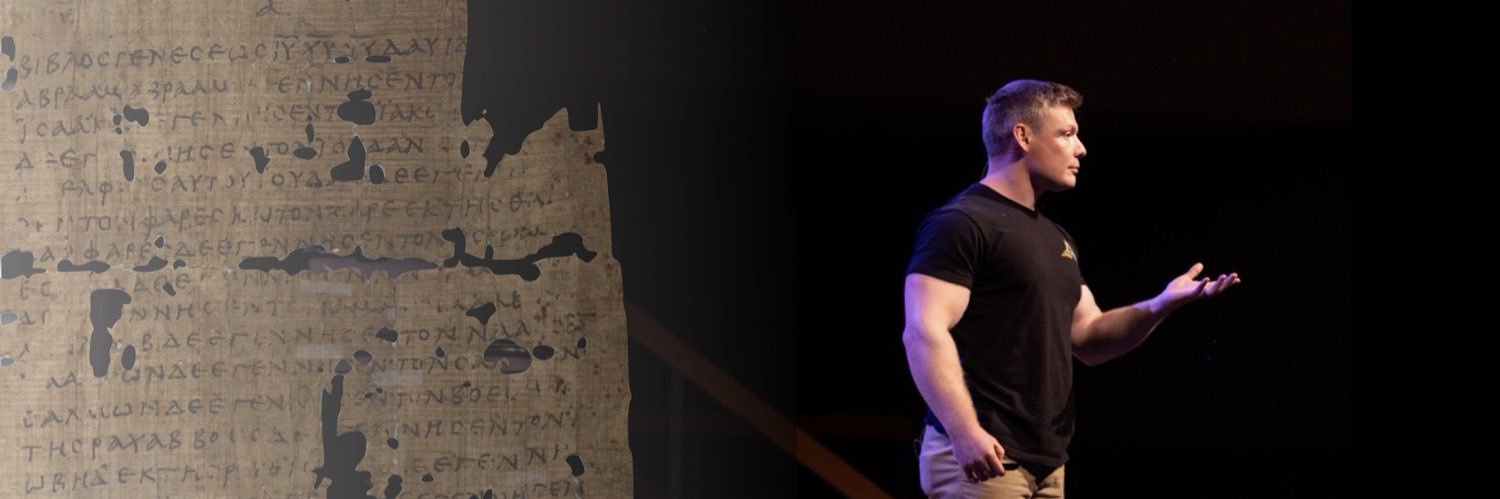
Did a fourth-century church council invent Christianity as we know it? It's one of the most popular claims made by skeptics today — that the divinity of Jesus and the contents of the Bible weren't ancient convictions, but later inventions, decided by committee at the Council of Nicaea in 325 AD.
In this the 3rd episode of Can I Trust the Bible?, Wes and Andy head to Turkey and Italy, going straight to the source to find out whether there's any truth to these claims. Did the Council of Nicaea really vote on the Bible, or invent Christ's divinity? The answers might surprise you.
Join us on this next adventure as we dig into one of church history's most misunderstood moments, separating myth from fact, and following the evidence where it leads.
https://t.co/skjRLm1Azc
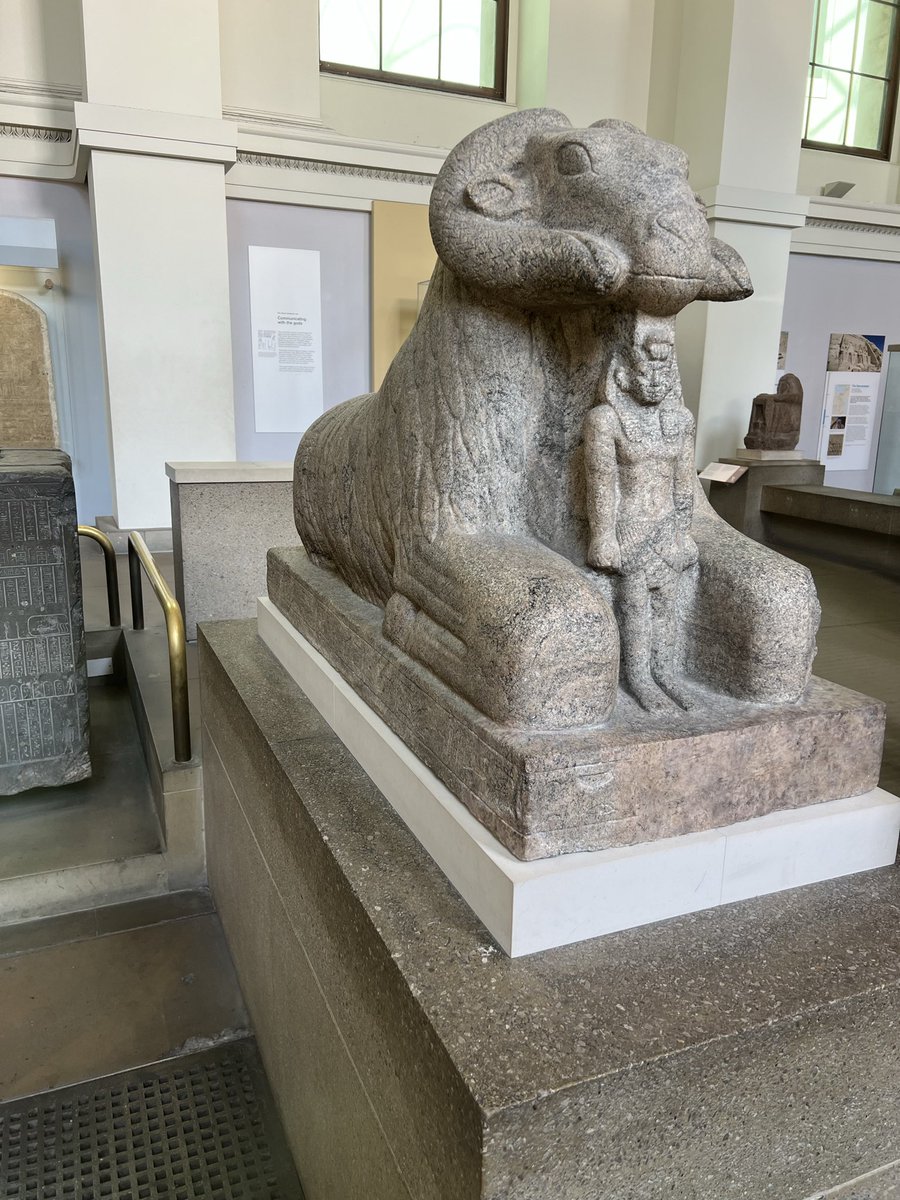
I was in the @britishmuseum today looking at an object from *Sudan* which is archaeological evidence for a king mentioned in the Bible.
This is a monument of Cushite king Tirhakah mentioned in 2 Kings 19:9 and Isaiah 37:9. Name is in the cartouche on the side.
(EA1779)
But because of his great love for us, God, who is rich in mercy, made us alive with Christ even when we were dead in transgressions — it is by grace you have been saved. And God raised us up with Christ and seated us with him in the heavenly realms in Christ Jesus.
Ephesians 2:4-6
Very brief update about some of our filming over-seas and the announcement of the new manuscript papyri facsimile or P75 from my collection that’s now available at https://t.co/eLEkVLP1eG
Codex Sinaiticus at the @britishlibrary. Currently it’s displayed open to the end of John’s Gospel.
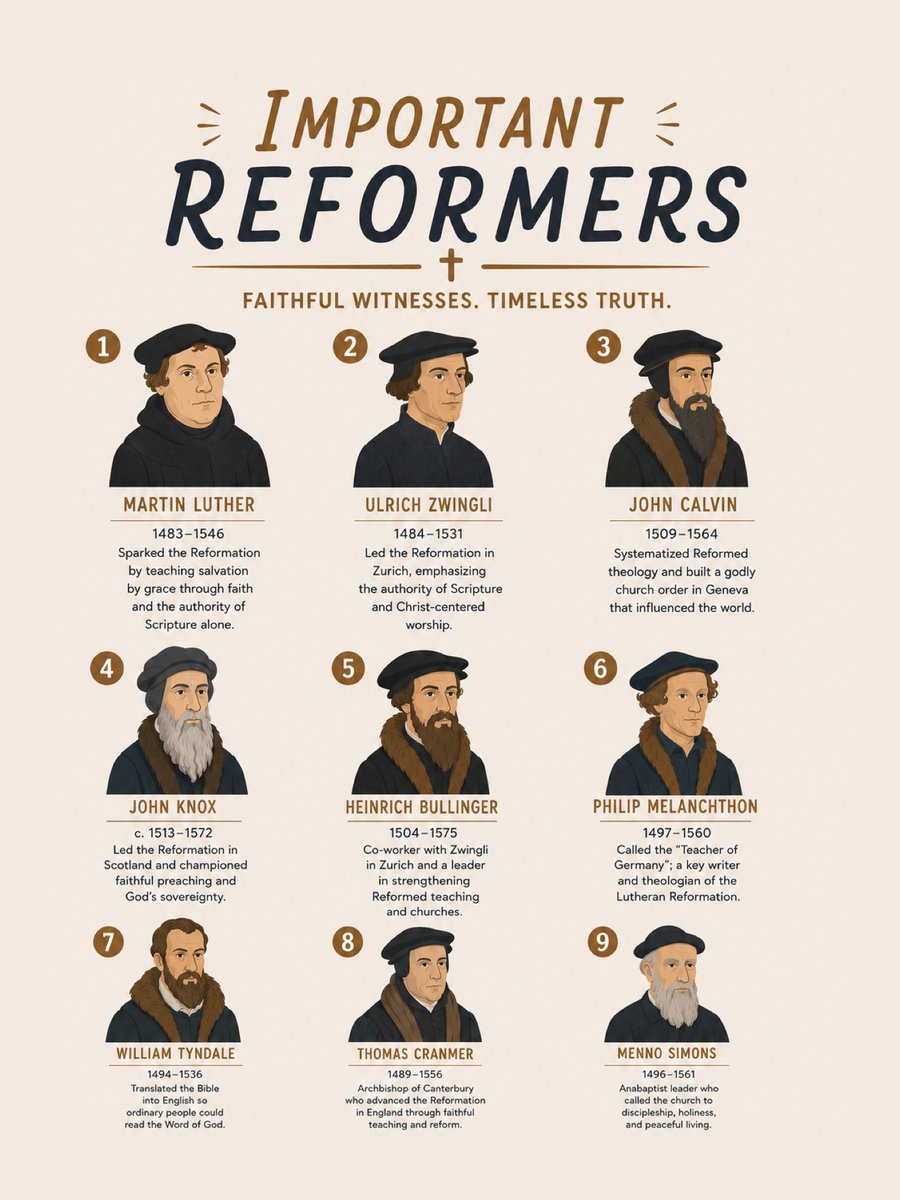
The Treasures Gallery at the British Library is one of the most underrated exhibits there is. Along with Sinaiticus they also have out a 1526 Tyndale New Testament, Anne Boleyn’s copy of the 1534 Tyndale New Testament, Henry VIII’s copy of the Great Bible, the Lindisfarne Gospels, a first edition of Luther’s complete Bible from 1534 and one of the 21 still surviving Gutenberg Bibles.
Two new sermons of Augustine discovered! There are still treasures out there waiting to be found friends, we must only look. Read all about it at:
https://t.co/0pKMPCu3g3
@roger_pearse
As we ramp up our work of Illuminating the History of the Bible from Kansas City, check out our exciting projects from 2025-2026!
Also, make sure to *resubscribe* (or subscribe for the first time!) to our email list. We anticipate great work ahead.
https://t.co/uijIP2nz0O
Final moments of our last days of filming in London. You’re not going to want to miss the upcoming episodes of @ApologeticsCA I Trust the Bible? series. I can’t stress how this trip has expanded my experiential knowledge of the history of the English Bible and its impact. From looking at the lives of Bede, Wycliffe, and Tyndale — the sacrifices these men endured in order to get the Word into the hands of regular people — to abolitionists John Newton and William Wilberforce, reading scripture and the Bible in the vernacular being the catalyst that motivated them to fight against slavery.
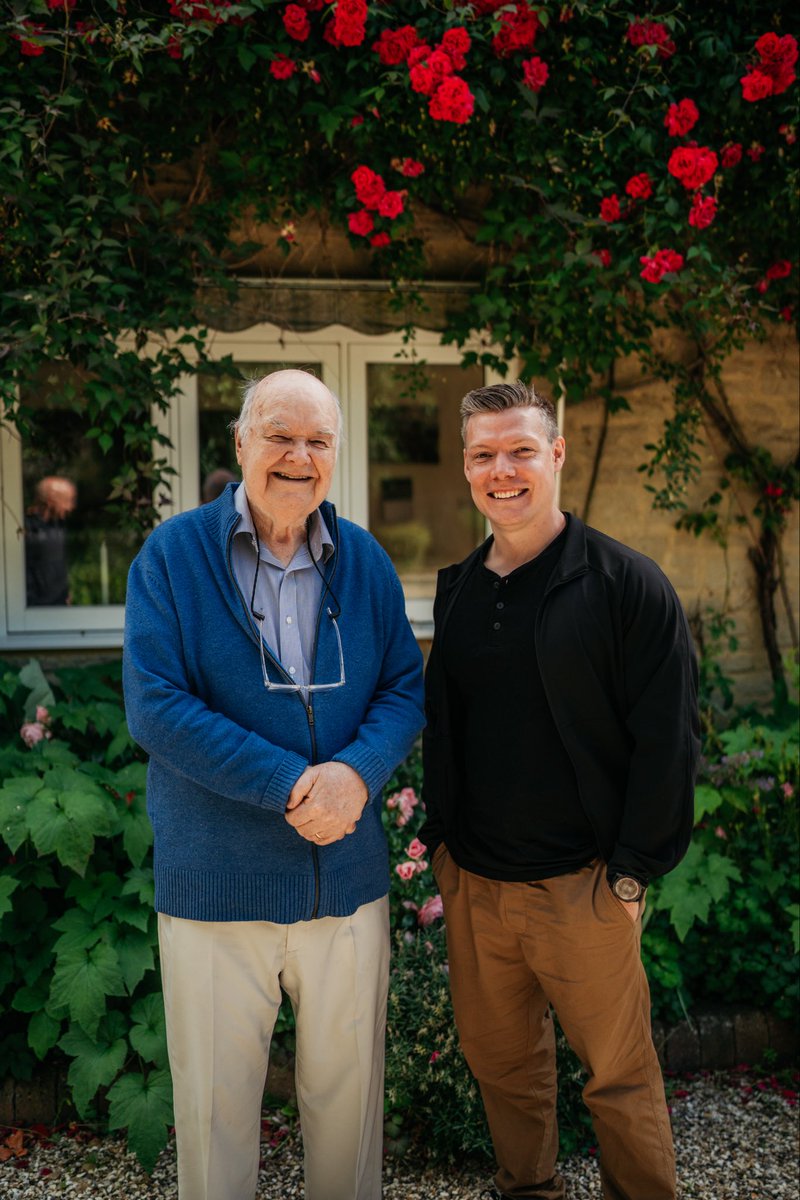
Great to hang out with @nickygumbel recently while in London. Very fruitful conversation getting to chat about the @alphacourse and the ways it’s shaped and changed over the decades.
John Wycliffe is one of my heroes. His passion, conviction, and desire to get the Word of God into the hands of the people. This week I was able to look at our earliest surviving copy of Wycliffe’s English Bible. The Wycliffe Bible was produced in the late 1300s, roughly 1382–1395, making it the first complete English rendering of the Bible, over 200 years before the King James Version of 1611. If you look closely you’ll notice it’s handwritten, not printed. Every copy had to be produced by scribes. This was before printing arrived in England, so owning a Wycliffe Bible meant owning a massive, labor-intensive manuscript. It became a medieval bestseller.
More than 250 Wycliffite Bible manuscripts survive, which is extraordinary for a banned or controversial medieval English text. Only about 20 of those are complete Bibles.The copy you see me looking at in this picture — one of two I was able to take a look at — includes Genesis to Isaiah. The other one was a Wycliffe New Testament from 1390. It was risky after 1408–1409 to produce and own one of these. The Archbishop of Canterbury at the time, Thomas Arundel, restricted unauthorized new Scripture translations and public reading of Wycliffe-associated texts. So later possession or use of these copies could become religiously dangerous, especially if linked with the Wycliffe followers, known as Lollards.
Also, take a look at the last image, a calendar at the front of the second smaller Wycliffe Bible we looked at, from 1390. At the bottoms of the page the scribe has written: “Anno Domini 1348, in festo Sancti Michaelis Magni, evenit prima pestilentia Londoni” — “In the year of our Lord 1348, on the feast of St. Michael the Great, the first plague occurred in London.”
It’s my grandpa, Livingstone Huff’s birthday today. He passed away last year but would have been 91. We miss him but the joy of knowing he is in the presence of his Lord and saviour is a genuine comfort.
'Did God really say?'
This week our Old Testament team guide you through Genesis 3: doubt, desire, judgement, and grace woven through one of the most pivotal moments in the biblical story.
Don’t miss the full episode tonight, Thursday June 11th at 7pm UK | 2pm ET on YouTube.
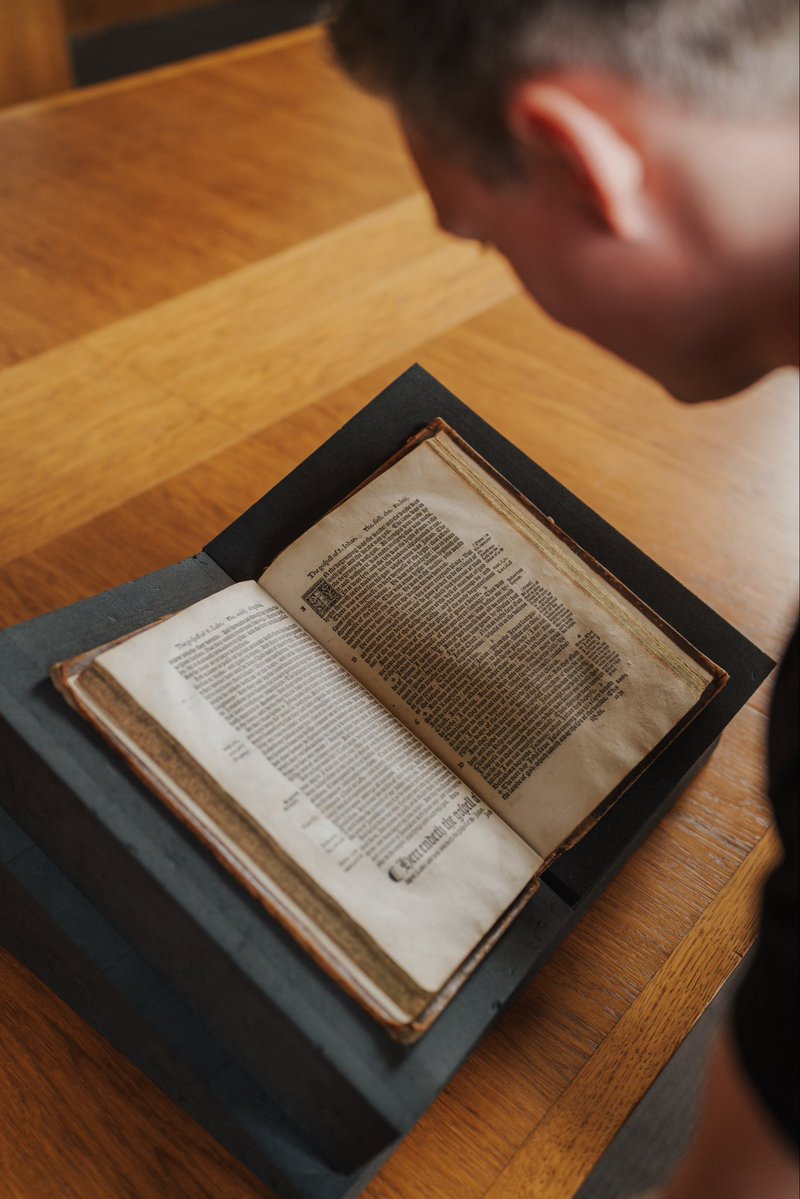
Pretty special day today getting the opportunity to spend some time with a 1536 Tyndale New Testament. This spectacularly preserved copy was printed the very year William Tyndale was burned at the stake.
Tyndale is usually credited with coining or first popularizing a small but highly influential set of English biblical terms. One of which you can see on the very page Im looking at: atonement.
Tyndale’s motivation was basically translation + theology: he wanted an English word that could carry the biblical idea of estranged parties being made “at one” again, especially God and sinners through Christ.
The word “atonement” appears to have existed just before Tyndale; Thomas More is often cited as an early user around 1513, meaning “reconciliation” or settlement after conflict. But Tyndale seems to have been the one who gave it its powerful biblical-theological career in English Bible translation, especially from 1526 onward.
The word literally expressed “at-one-ment.” In early English, “atonement” meant something like being at one, concord, agreement, reconciliation. That made it useful for rendering biblical concepts of reconciliation between God and humanity.
Tyndale used “atonement” because “reconciliation” alone did not fully capture, in earthy English, the biblical idea that Christ’s saving work makes God and sinners “at one.” It was a translator’s solution, but also a Reformation theological choice.
I'm fascinated by the history of most things. For instance, here's a popular "Parallel Bible" with four prominent English translations. Whence did the inspiration for this important tool come? It seems logical and obvious to want to present information in this way, but... ->