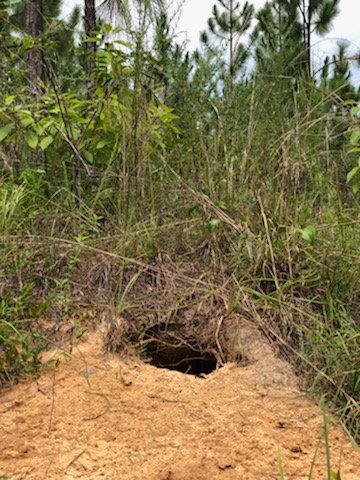
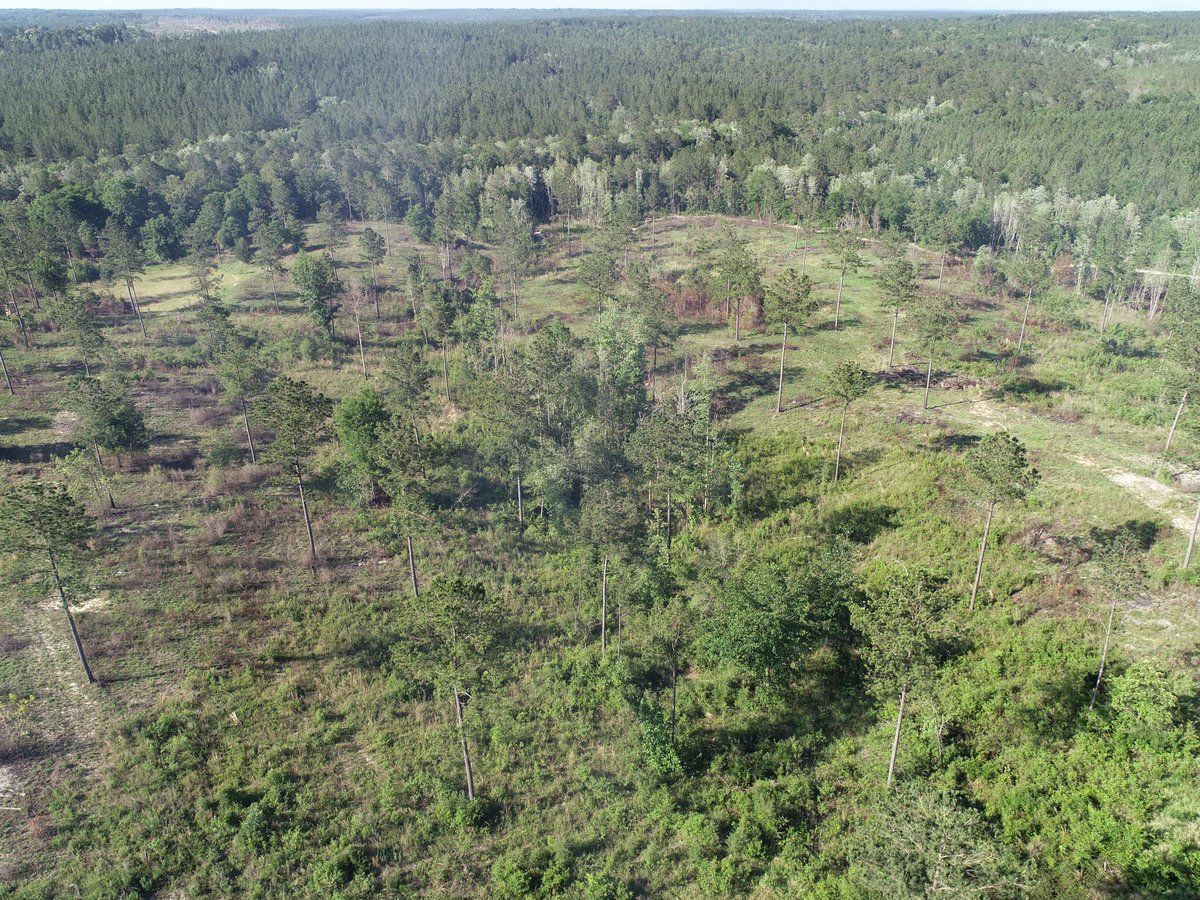
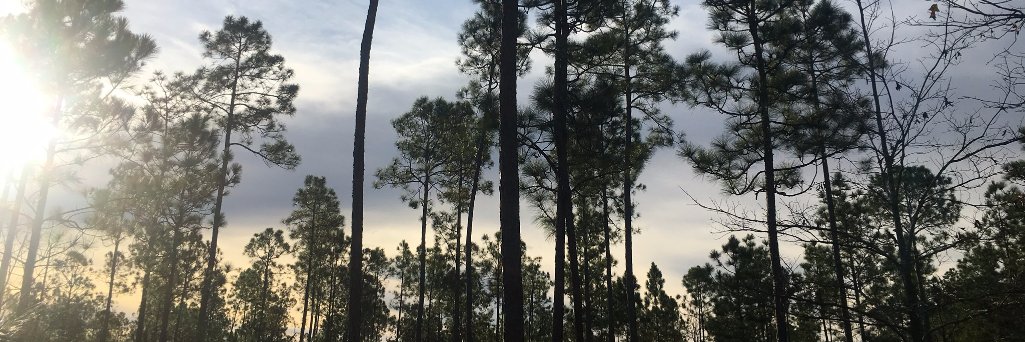
We really enjoyed spending a day with one of our partners touring our Chickasawhay Conservation Bank in Greene County, MS. We visited some existing gopher tortoise (Gopherus polyphemus) burrows and even discovered a few new burrows.
#wesmitigation#conservation#gophertortoise
These Snowy Egrets (Egretta thula) were caught testing their balancing skills at our Grasslands Mitigation Bank in Merced County, CA.
#wesmitigation#conservation#snowyegret
Markham Ravine is Placer County's first In-Lieu Fee wetland restoration site that supports the Placer County Conservation Program. WES is proud to partner with Placer County on this exciting project.: https://t.co/G2JbaVhWfd
Be sure to check out CapRadio's newest podcast, Tahoeland, sponsored by Westervelt Ecological Services. First episodes drop August 8.
#wesmitigation#capradio#tahoeland
CapRadio's TahoeLand podcast will take you up into the Sierra Nevada to see what Tahoe can teach us as we confront a global climate crisis. Subscribe on Apple Podcasts or wherever you get your podcasts to be notified when the first 2 episodes drop Aug. 8: https://t.co/TEaZim7YDf
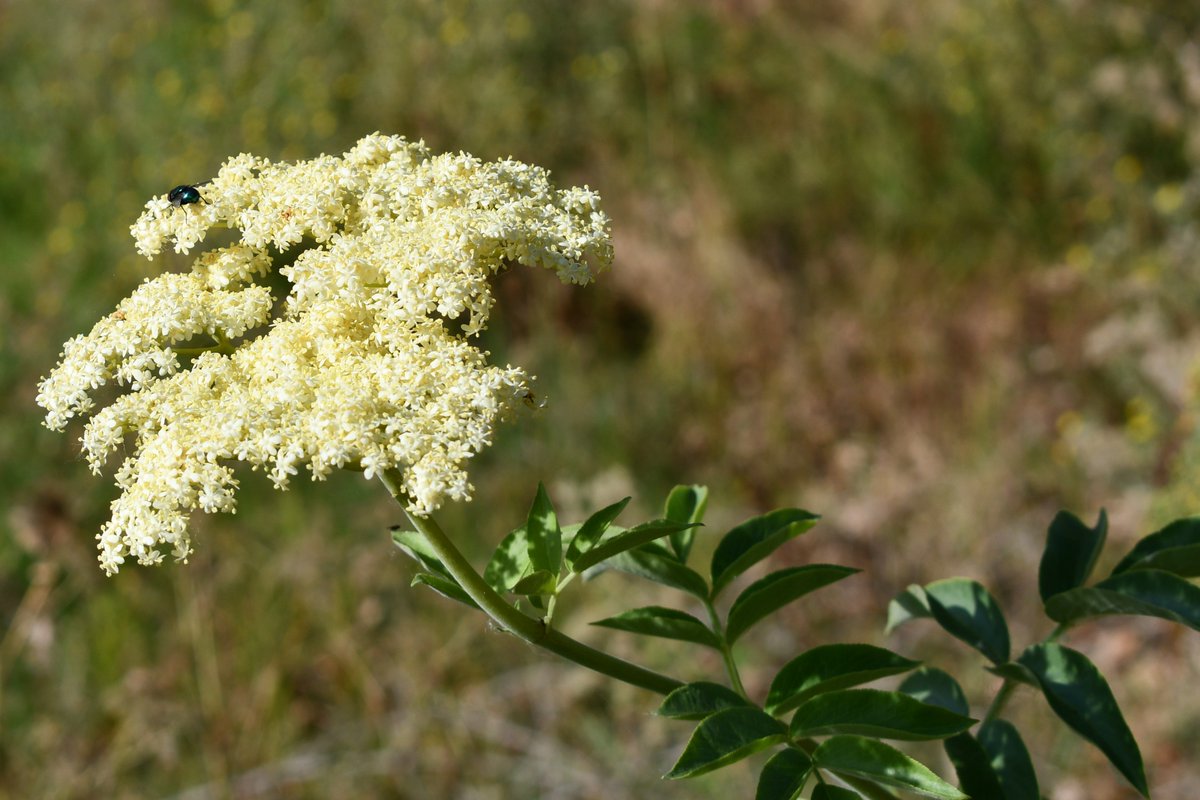
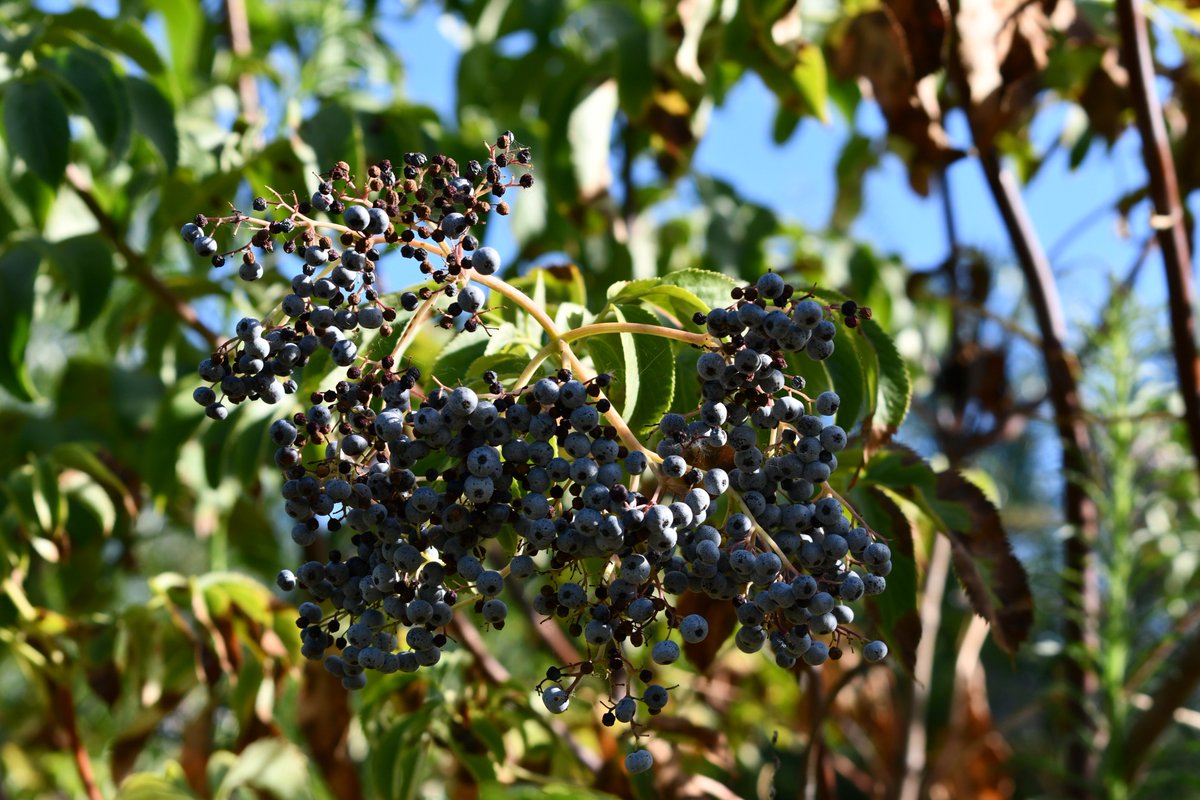
These elderberry plants(Sambucas species) are home to the valley elderberry longhorn beetle (Desmocerus californicus dimorphus), or VELB. The VELB is currently listed as threatened and is completely dependent on the elderberry plant. #wesmitigation#conservation#elderberry#velb
This showy milkweed plant (Asclepias speciosa) grows on our Cosumnes Floodplain Mitigation Bank in Galt, CA. Showy milkweed is a vital host plant for monarch butterflies, whose numbers are on the decline.
#wesmitigation#conservation#showymilkweed#savethemonarchs
See ya later, alligator! This cuddly guy was spotted at our St. Marks Mitigation Bank in Jefferson and Wakulla Counties, Florida, and served as a friendly reminder to always be aware of your surroundings. 👀🐊
#wesmitigation#conservation#florida#alligator
Check out our newest blog post written by the Southeastern Region's Land Stewardship Technician, Kristen Qualls. 🔥🔥🔥
#wesmitigation#conservation#controlledburn#blog https://t.co/M6pfmRoPBI
This killdeer (Charadrius vociferus) was spotted flitting around one of our Western Region projects. The killdeer is so named because their call is thought to sound like the words kill deer.
#wesmitigation#conservation#killdeer#themoreyouknow
New Episode! Tune in this week on @pursuitchannel for a special episode of Fly Rod Chronicles....you don't want to miss this show! Curtis heads to Bristol, TN and hangs out with @wesmitigation, @rocktreads and Country Music Artist, @tfountainmusic! "All For Tyler"!#LifeOnTheFly
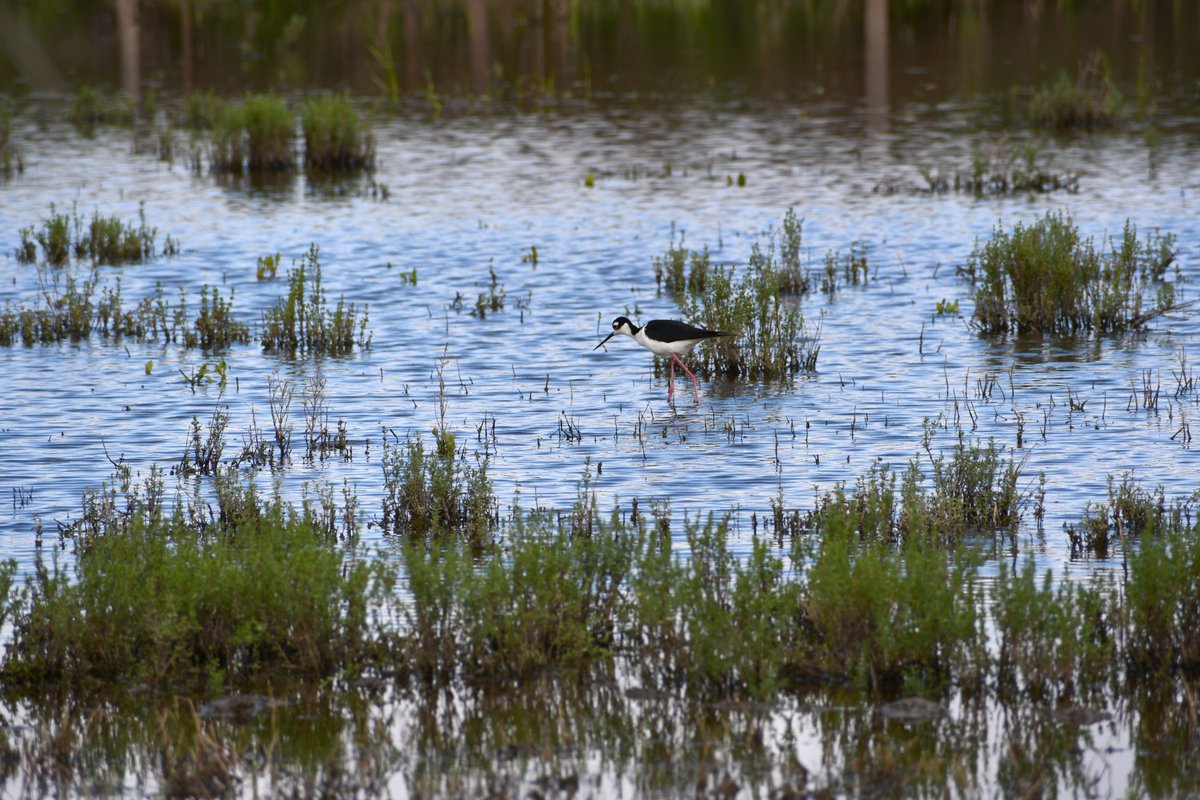
This black-necked stilt (Himantopus mexicanus) was spotted foraging for food at one of our California sites. Stilts in the genus Himantopas have the second longest legs in proportion to their bodies, exceeded only by flamingos.
#wesmitigation#conservation#blackneckedstilt
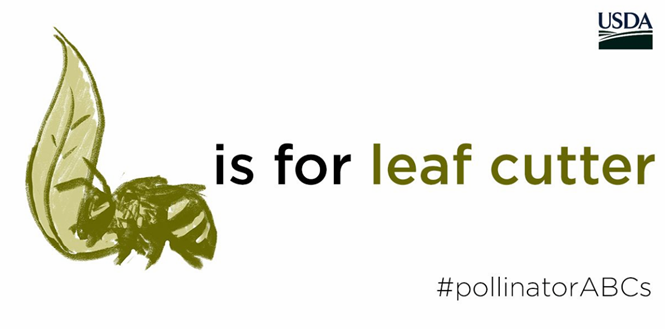
Leafcutter bees cut leaves and live solitary lives in the ground. It may sound sad, but they’re important #pollinators for summer gardens and alfalfa crops. https://t.co/imG4sX39lY #PollinatorABCs#PollinatorWeek