Welcome to our podcast where we save the time and watch movies so you don’t have to!
Here is our pitch introducing our podcast
#wewatcheditsoyoudonthaveto#pitch#podcast
📍 Cineplex, Marine Gateway
We're going to Cineplex Marine Gateway to hear what moviegoers think! We'll be interviewing people before and after their films to explore what shapes their opinions and why the same movie can leave audiences with different reactions. #Streeter#Film
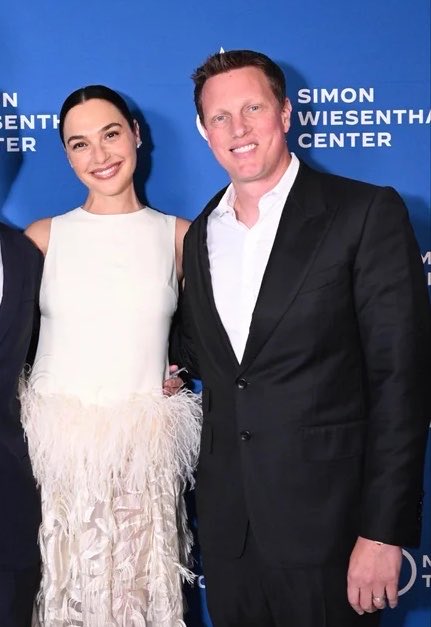
Gal Gadot is now rumored to take back her role as Wonder Woman at @DCOfficial.
Also, it has been reported that numerous changes could happen to the upcoming SUPERMAN sequel, including the removal of the Wonder Woman character.
Gal Gadot might return as Wonder Woman, but would audiences welcome her back? 👀 Her public support for Israel has sparked debate, and it raises an interesting question: can you still enjoy an actor's performance when you disagree with their views? #WonderWoman#DCU
Gal Gadot is now rumored to take back her role as Wonder Woman at @DCOfficial.
Also, it has been reported that numerous changes could happen to the upcoming SUPERMAN sequel, including the removal of the Wonder Woman character.
This is what makes movie criticism interesting. Some viewers might see Wonder Woman as an iconic character, while others can't separate Gal Gadot from her political statements. Should a performance be judged on its own, or does the actor behind it matter just as much? #Film
Hey @JenStDen! Your reporting on press restrictions during Vancouver's Hastings Street decampment shows why different perspectives matter. Filmmakers also shape what audiences see through framing. How can both tell compelling stories without leaving out key context? #Interview
@F_T_Discussions This reminds us of the film industry, where big studios have the money and connections to dominate attention while smaller independent films struggle for exposure. Talent doesn't always come with a big budget. Shouldn't both industries give underdogs a fair chance to compete?
Hey @MapleTakes ! 🎬 Since you cover politics and public opinion, we're curious about how films portray real-world issues. Do you think movies with political messages encourage audiences to think critically, or can their storytelling reinforce existing biases?
#Interview#Movie
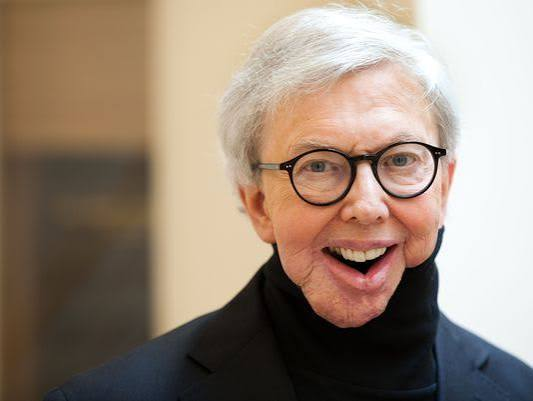
Roger Ebert transformed film criticism from specialized newspaper commentary into something millions could understand and enjoy.
His accessible reviews encouraged audiences to look beyond entertainment and appreciate the artistry behind filmmaking.
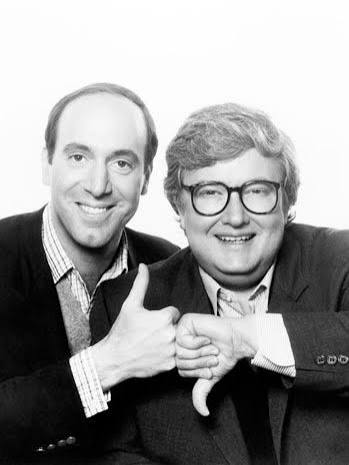
Beginning in 1975, Ebert and Gene Siskel brought film criticism into American homes through television.
Their debates and later thumbs-up/thumbs-down ratings made movie reviews part of popular culture, influencing how generations discussed cinema.
Greta Gerwig helped challenge Hollywood's expectations of women-led filmmaking. From Lady Bird to Little Women, she brought female perspectives and personal storytelling to mainstream cinema, showing that these narratives deserved major recognition.
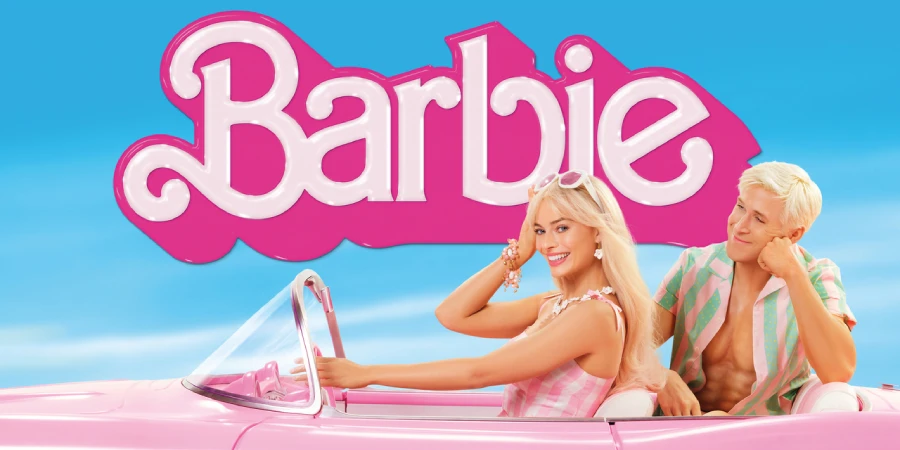
In 2023, Barbie became the first billion-dollar film directed solely by a woman. Gerwig's achievement challenged the industry's assumptions about female-led blockbusters, proving women directors could deliver enormous commercial and cultural success.
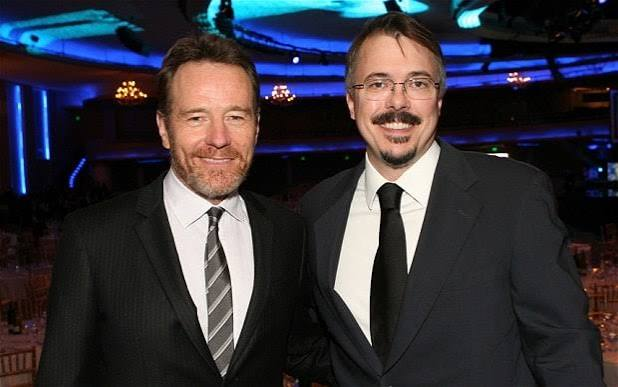
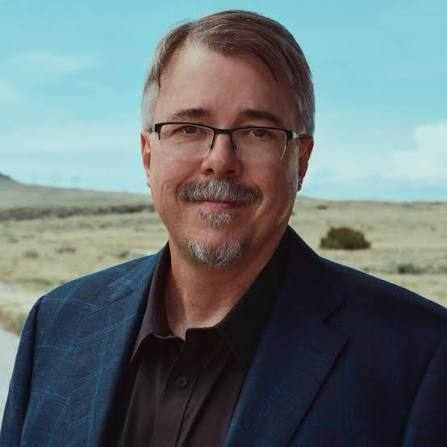
Vince Gilligan helped redefine television storytelling with Breaking Bad (2008–2013). By gradually transforming Walter White from an ordinary teacher into a ruthless criminal, he challenged the idea that a show's central character must remain heroic.
Gilligan proved that audiences could remain invested in a protagonist even as his morality deteriorated. His use of long-term consequences and evolving relationships helped raise expectations for complex characters and storytelling in modern television.
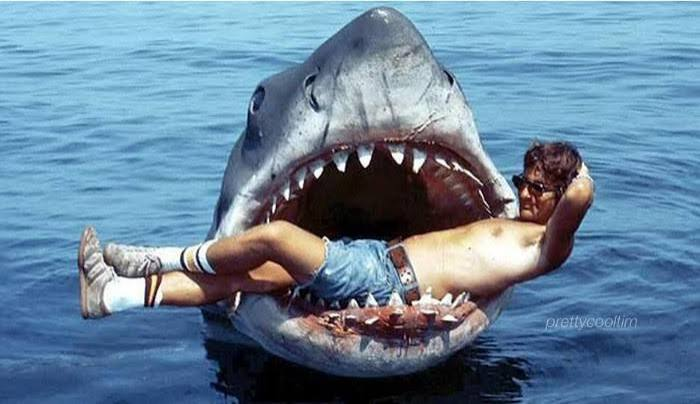
Steven Spielberg revolutionized cinematic suspense with Jaws (1975). By combining underwater POV shots, John Williams' haunting score and delayed reveals, he showed how anticipation and unseen danger could terrify audiences more than visible threats.
When the mechanical shark malfunctioned, Spielberg turned a production disaster into an innovation. Using floating barrels, camera angles and editing to suggest danger, he popularized suspense techniques that continue to influence horror and thriller filmmaking.