35 years ago today, PANTERA played one of the most legendary performances of their legendary career: the groove-metal juggernaut's iconic set at Moscow's MONSTERS OF ROCK, the first outdoor rock festival ever held in the former Soviet Union.
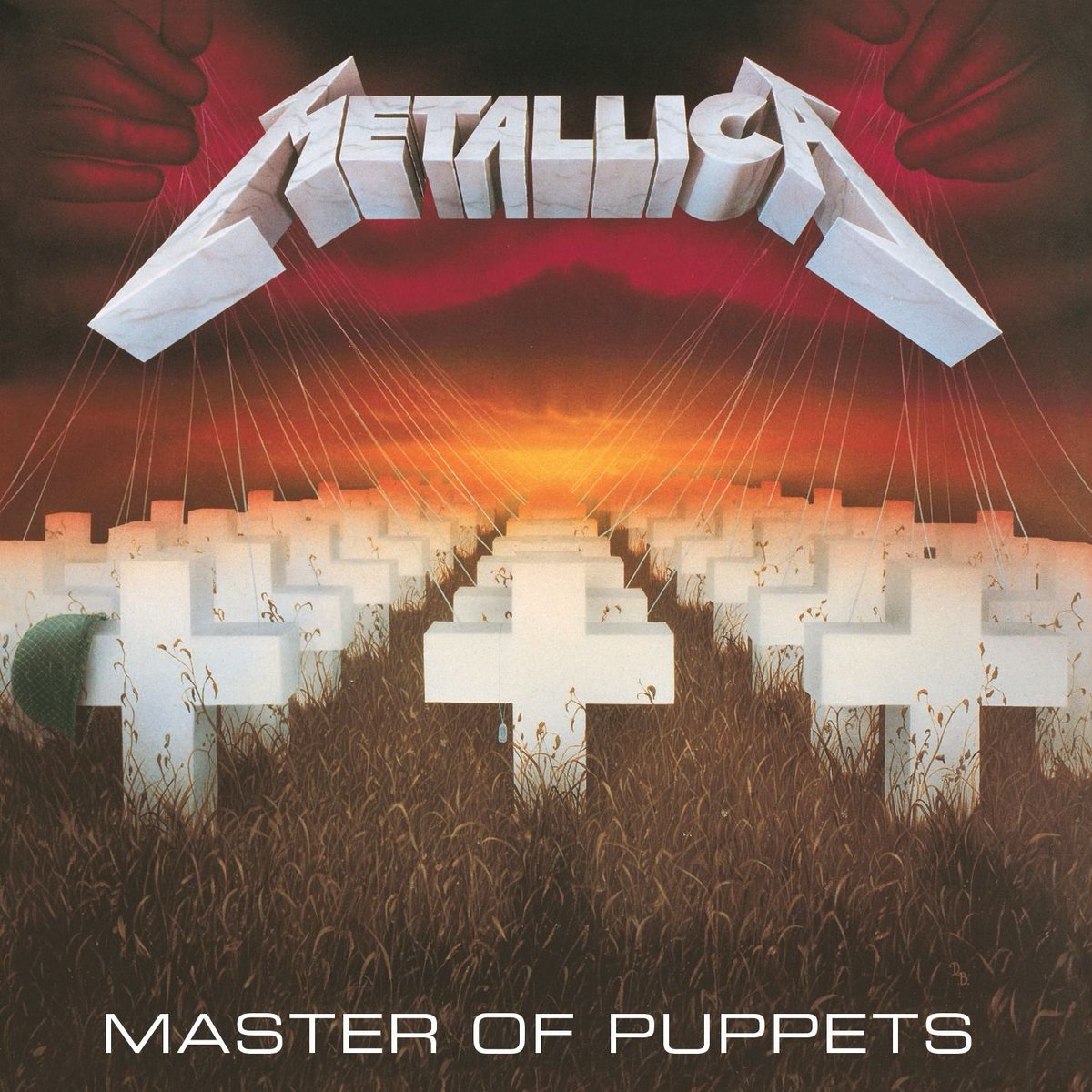
Going on well before headliners METALLICA and AC/DC, the Texans took the stage in front half a million fans (and hordes of Russian military police) and stole the motherfucking show.
SE7EN is 31 years old today and made David Fincher one of the great modern directors. But he almost turned it down, and the only reason he didn’t comes down to a schoolboy error nobody was supposed to make…
Before David Fincher came along, Se7en passed through a lot of hands. Andrew Kevin Walker’s script was first optioned by Italian company Penta Film, who hired Jeremiah S. Chechik to direct — a man fresh off National Lampoon's Christmas Vacation, looking to do something more serious. Chechik and Penta wanted changes, chief among them the removal of the head-in-the-box ending. Walker, facing an ultimatum, gave them a softer finale set in a burning church, and later said he felt he was ruining his own script.
Then Penta hit money trouble and dissolved in 1994. The rights went to producer Arnold Kopelson, who took the project to New Line Productions. They were interested, and the hunt for a director began in earnest.
It didn’t go smoothly. Guillermo del Toro was offered Se7en and turned it down, saying he loved the script but. “I’m a romantic fat bastard and don’t subscribe to that view of the world.” Phil Joanou passed for the same reason — too bleak. David Cronenberg reportedly said no. And Ernest Dickerson, in talks before Fincher came aboard, later claimed it was his idea to show only the aftermath of the murders rather than the murders themselves. He reckoned he saved the film, but talked himself out of the director’s chair in the process.
Fincher, meanwhile, wasn't looking for work at all. Scarred by studio meddling on Alien 3, he’d said he’d “rather die of colon cancer than do another movie.” Thankfully for us, his agent sent him the script anyway.
And then, the twist that made the film. Se7en had two endings floating around — Walker’s original, with Tracy’s (Gwyneth Paltrow) head in the box, and the softened version Penta/Kopelson/New Line preferred. By a remarkable clerical error, the draft posted to Fincher was the original. He read it not as a police procedural but as a slow descent into evil, admitting he felt “trapped” in it and had to keep going. That feeling of being trapped was what hooked him.
When he told the studio he was interested, they realised their mistake and sent him the up-to-date, softened draft. Fincher said absolutely not. He'd make the version he'd been sent, or he wouldn’t make it at all.
He found an ally in New Line’s young president of production, Michael De Luca, who happened to share Fincher’s taste for grim 70s cinema like Klute, The French Connection, and The Exorcist. De Luca told Fincher that if he committed to direct Se7en, they could keep the original ending. And then, knowing executives might lose their nerve, the two agreed to start shooting within six weeks — moving fast enough that nobody upstairs could interfere.
Kopelson kept pushing to lighten the finale right through filming, but the clerical error had already done its work. Fincher was in, the head was staying in the box, and one of the great thrillers of the decade was locked before anyone could talk them out of it.
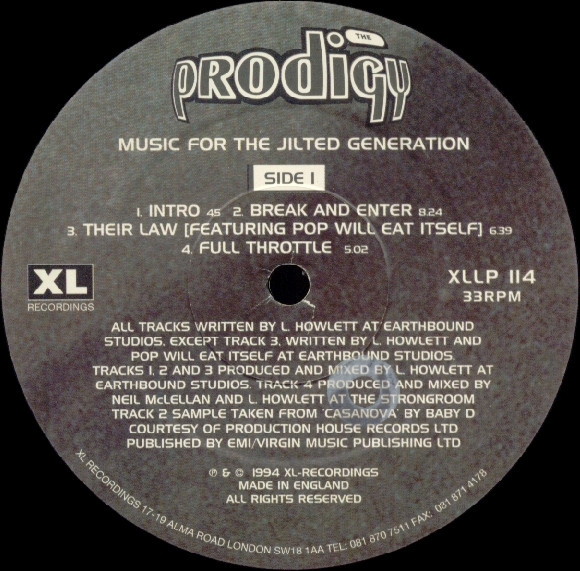
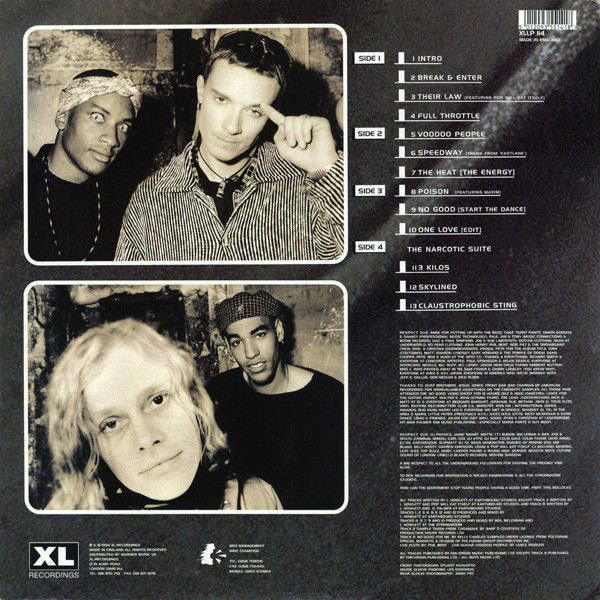
On this day, 31 years ago, @the_prodigy album "Music For The Jilted Generation" was released.
"Music for the Jilted Generation" is the 2nd studio album. It was first released on 4 July @XLRECORDINGS in the United Kingdom 🇬🇧 and by @mute Records in the United States 🇺🇲.