It's been a minute! New EcoBlog post on the ice-age Wacissa River. We revisited the Ryan-Harley archeological site for our new documentary, Finding the First Floridians. Florida is a submerged prehistory hotspot, with many stories to tell. https://t.co/sD1ciqxcgk
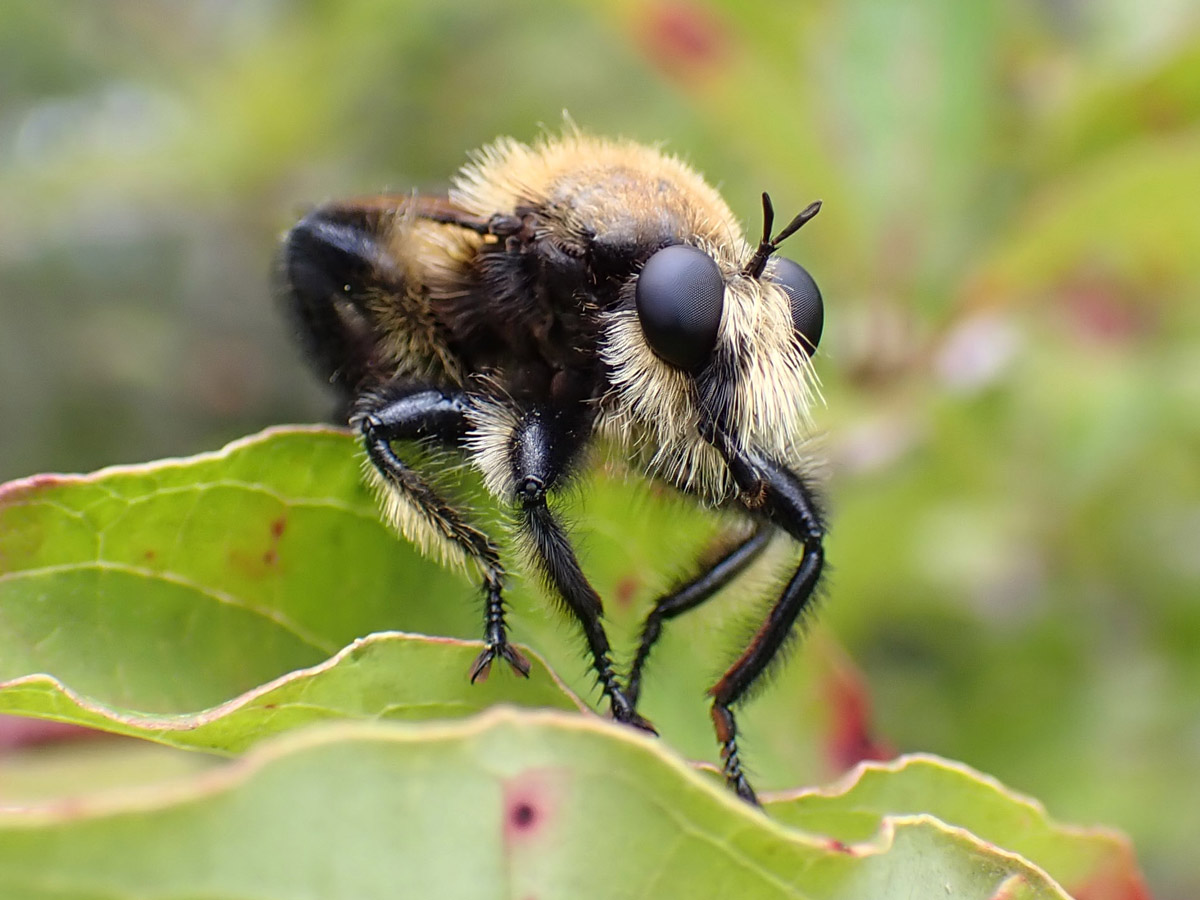
I found this attractive bee-mimic robber fly while filming an archeological dig on the Aucilla River. This is a killer posing as a pollinator (which often eats pollinators). I added it to our page on Florida flies: https://t.co/E2X7m4E1YT
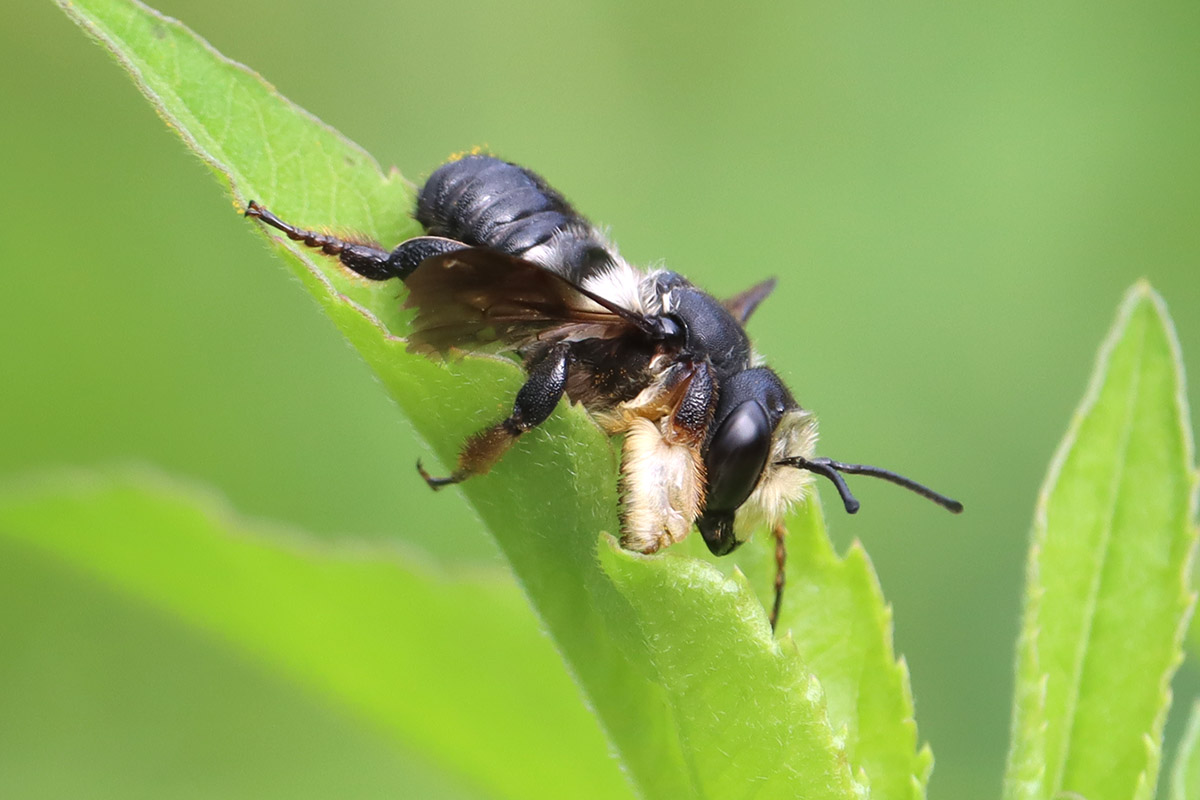
Another for #WorldBeeDay: These are carpenter-mimic leafcutter bees (Megachile xylocopoides). The male is on the left, female on the right. I've seen how carpenter bees (which are huge for bees) bully other bees, so I can see the benefit of impersonating them.
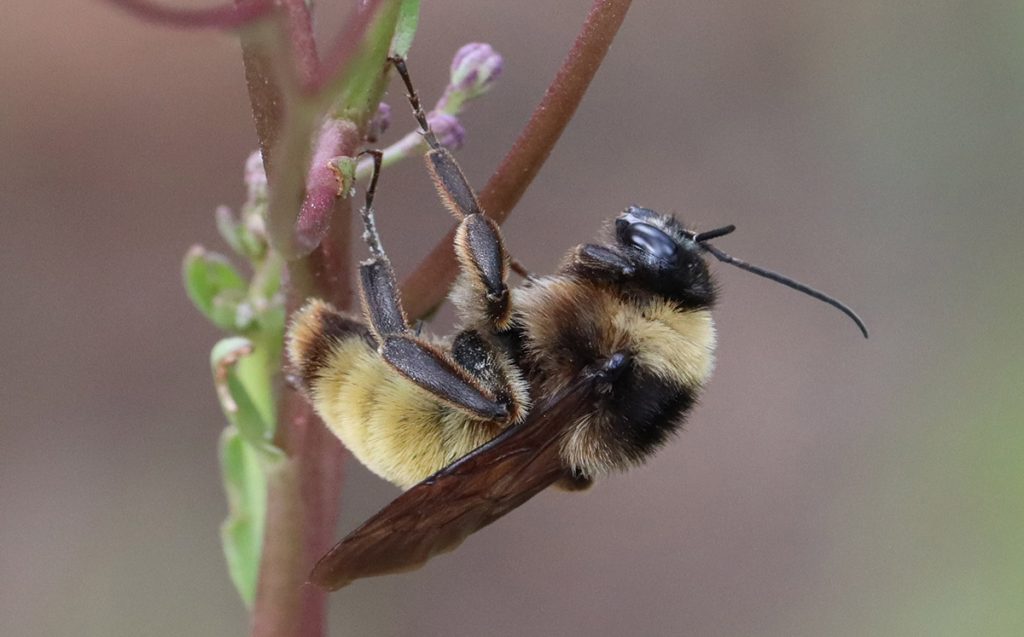
For #WorldBeeDay, I'll be sharing a few of my favorites throughout the day. This is a male American bumblebee (Bombus pensylvanicus) taking a break in the Musnon Sandhills south of Tallahassee. This bee is federally listed as Threatened. https://t.co/InbUQfcN5E
In this new post, Liesel Hamilton hikes the Bluffs of St. Teresa Trails with her dogs. I'm looking forward to seeing the habitat restored; it might provide a new space for rare and endemic sandhill species found nearby. https://t.co/MgaFGnJ7dK
New post and video, produced in collaboration with @novapbs. I wanted to find out how researchers used @inaturalist data, but it also became a quest to find a rare bee, using iNat data from the plants associated with it. Good, geeky fun – which bee is next?https://t.co/jfCra9Srsi
New post: 41 indigo snakes released at the Apalachicola Bluffs and Ravines Preserve, plus other news about the snakes and the conserved lands around them. https://t.co/WEIwvCW8kX
I saw these cool eastern lubbers at the Apalachicola Bluffs and Ravines Preserve today, hanging out on lady lupine seed pods. Now, why was I out there today?
Freshly posted on the Blog, we talk to Sandra Brooke at the @FSUMarineLab about the reopening of Apalachicola Bay, and about a recently published set of recommendations to manage the oyster fishery. https://t.co/sEWTL2gyQs
Longleaf pine habitats are managed with prescribed fire, which releases carbon into the atmosphere. But might this ecosystem actually store carbon? One answer might lie in charred plant matter, called black carbon, which persists in the soil over time.https://t.co/B6p3RiDMCS
The latest from WFSU News: An oil company could start drilling in the Apalachicola River Basin. https://t.co/xCiWCNMtPb Sign up: https://t.co/HrsHwc5QdK
I tagged along for a @leoncounty4h field trip to a couple pitcher plant bogs, and I took so many photos (including Venus flytraps) that I just had to add them to this post on carnivorous plants in the Apalachicola National Forest. @NFinFlorida https://t.co/B7WkPUavP4
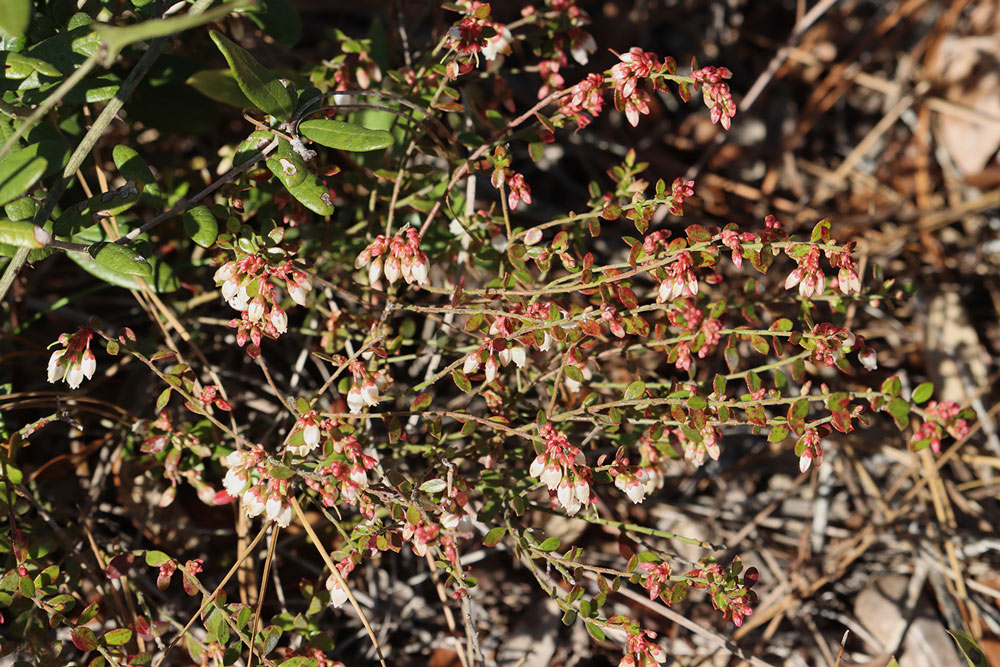
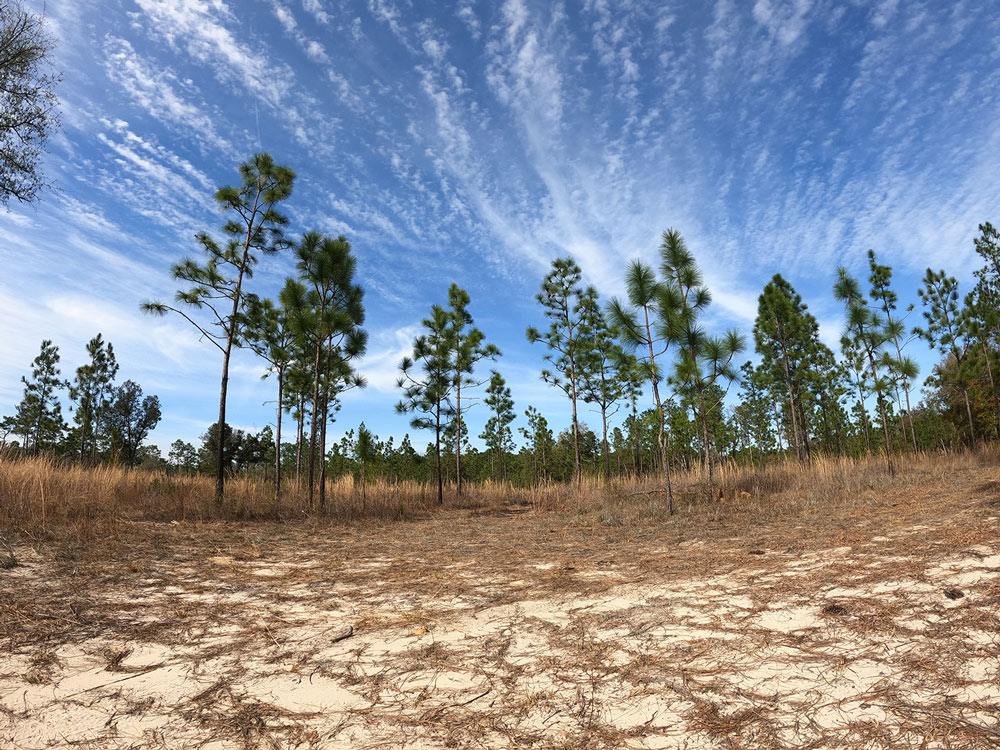
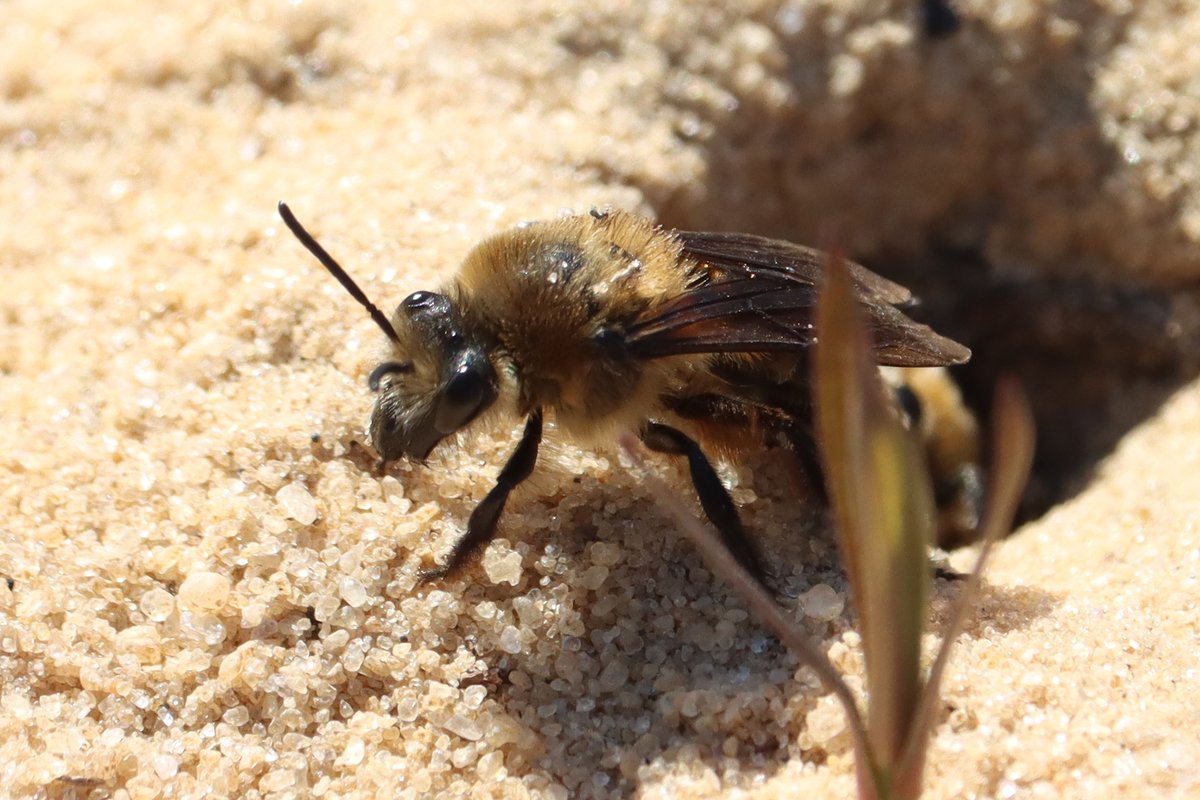
So far in 2024, my collaborator at FNAI and I have found three new sites for this highly specialized bee. Late winter/ early spring is a great time to find specialist bees, that favor tree and shrub flowers that bloom now.
https://t.co/DhWGm0nq7f
It may look like ant mounds are popping up all over your lawn. Some are probably ants. But a lot of insects nest in the ground over winter, and they are waking up. These are some of my favorites.
Here's my quick guide to N. Florida bee species:
https://t.co/BtTFVwj1fc
Its habitat is really cool. They've mostly been found where deep sandhills are next to cypress wetlands, and blueberries are abundant. If you see the bee, log it on @inaturalist. Read more here: https://t.co/DoOLfCbTRP
Updated the bee page after finding a sandhills cellophane bee. This is a rarely observed bee I've been trying to find for an upcoming segment. It only flies for a couple months out of the year. https://t.co/BtTFVwj1fc
The researcher who described the bee says my cell photos are sandhills cellophane, while Dave Almquist, the FNAI biologist, doesn't think the photos are clear enough to say definitively. I'll come back with my camera. https://t.co/kNx8SfIYOE
Last week I posted about using @inaturalist to pinpoint locations for the rare sandhills cellophane bee. An FNAI biologist gave me spots to check out, and Iwent with only my phone and did find a cellophane bee.