In the Smarty Pants campaign, @pHDWomensHealth respects female self-knowledge, while upping her vaginal smarts in a snappy, approachable, relevant way that doesn’t shy away from the facts, but integrates them into real life. #advertisingtowomen#creative https://t.co/JAAlbd5Xi3
Women make decisions as keepers of the family’s finances and are significant contributors to HHI. Women need to be addressed directly in advertising because it will often be her call what her family buys. Brands that fail to see this are failing.
https://t.co/Mq9JhzhOMv
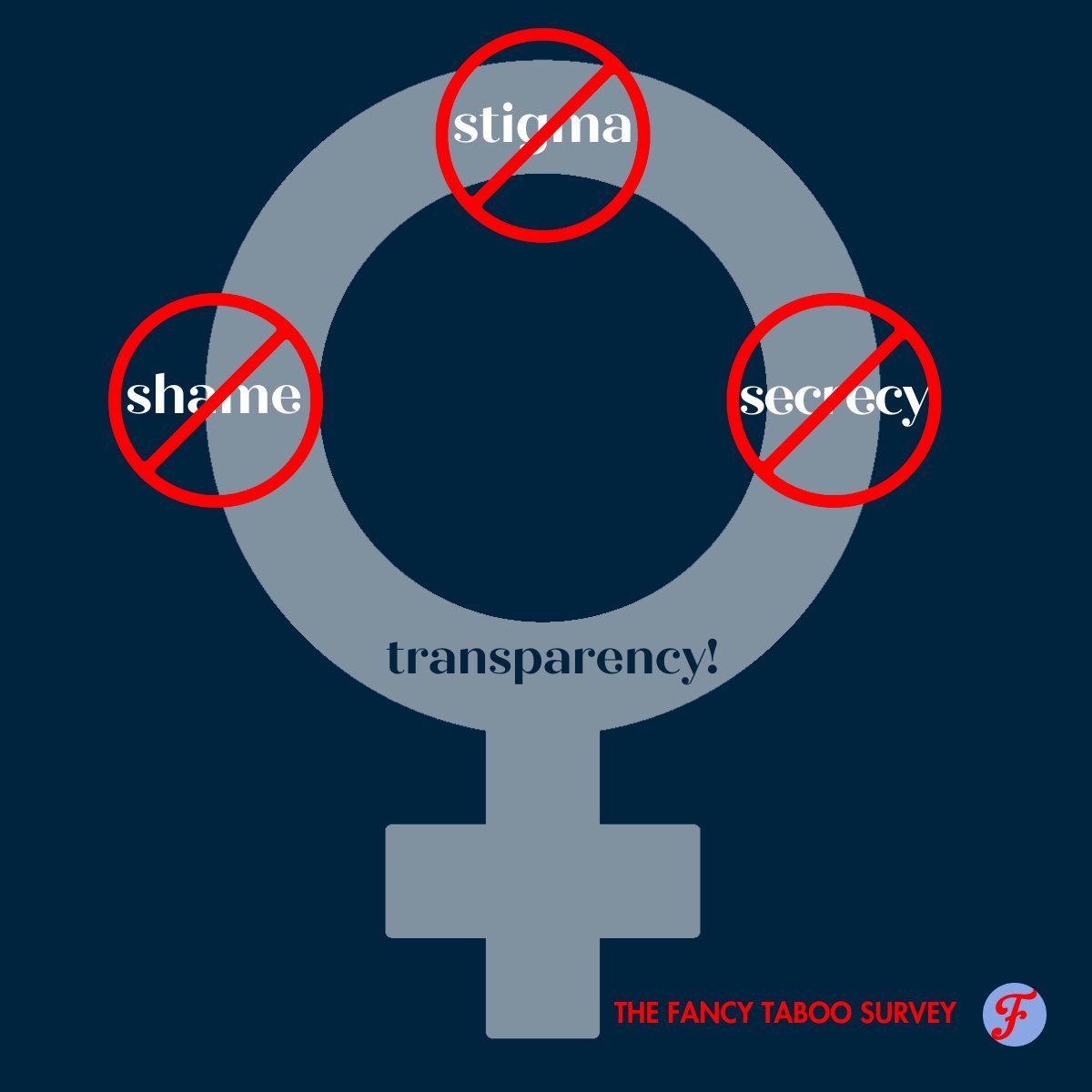
Products and services that have been and continue to be considered taboo for women have been treated with innuendo, implicit communication, and covert, indirect marketing, causing stigma and shame for the very people being targeted.
https://t.co/16XRFXDOuJ
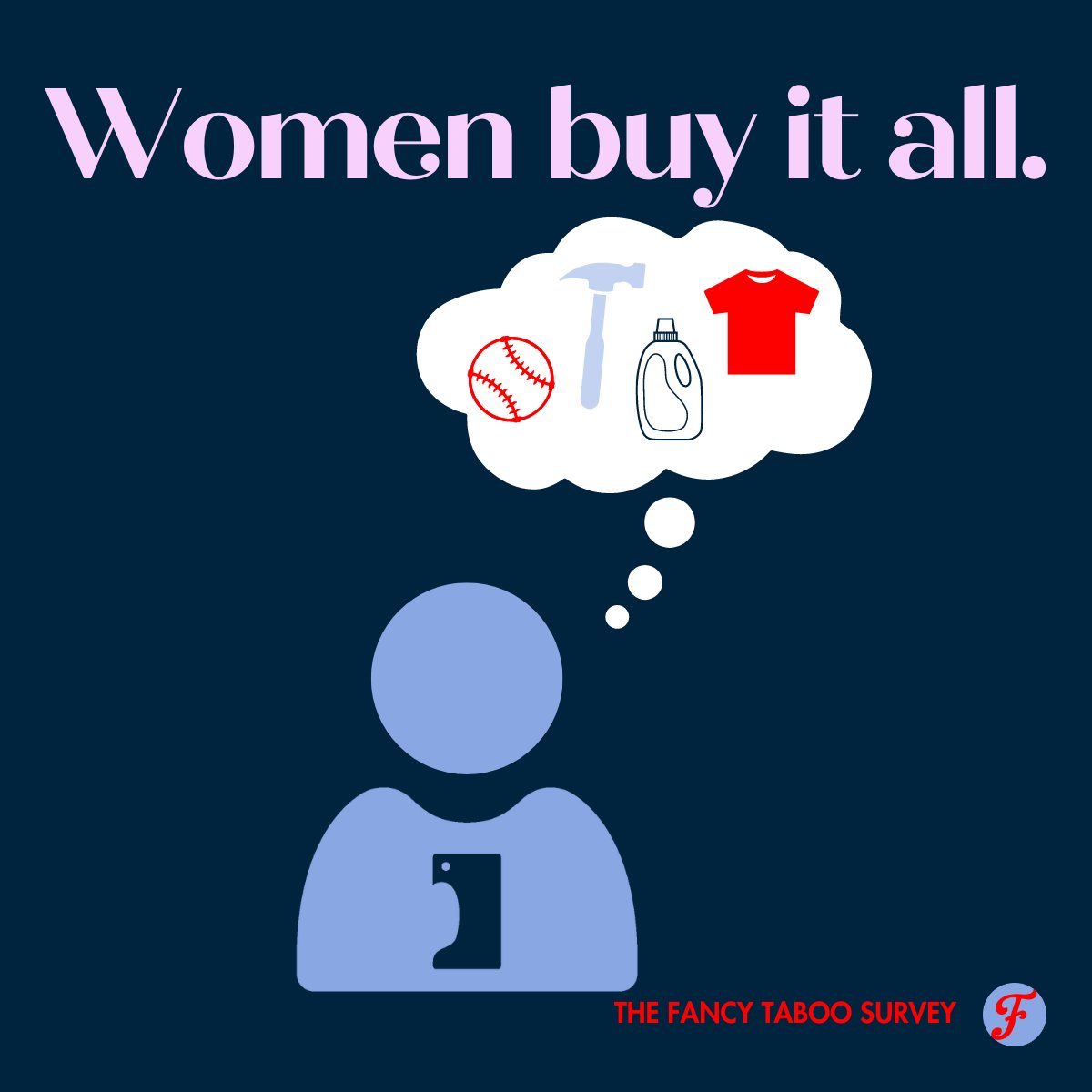
Women are already buying things where they haven’t historically been the advertising targets (tires or power tools, etc). But large successful brands in these categories have yet to welcome them into the brand story and make them the heroes.
https://t.co/7cR0tlt7qP
The future of your brand depends on how well you capture women’s attention. Everyday women are highly influential in their family and friendships. If you don’t aim for inclusion, you miss out on one of the most powerful sources of influence out there.
https://t.co/IAdDsJTxB1
In 2019, only 29% of creative directors were female. And Covid probably didn’t help. So, brands, ask yourselves, if one gender has creative control over advertising, who is ensuring women’s lives are reflected in the ads they see?
https://t.co/UMToQUpsh0
Just as women influence their household financial decisions, effective advertising can influence what women buy. But the stereotypes about women and finances still have a hold on advertising and sales. It’s time advertisers spoke directly to the women.
https://t.co/z5JTn79HLl
Here’s how 600 women told us they spent their money in 2022: 69% alcoholic beverages. 39% sex and sexual health products. 30% financial planning or retirement services. 30% mental health services. 28% cannabis products. 23% products to help with aging.https://t.co/dQ7wJQrmCb
As our women 40+ research proved, as far as brands are concerned, aging women are treated like an unsolvable puzzle or disappear from ads altogether. Truth is, brands that are along for the journey as women age gain access.
https://t.co/PdL8kjvyuV
Products and services that have been and continue to be considered taboo for women have been treated with innuendo, implicit communication, and covert, indirect marketing, causing stigma and shame for the very people being targeted in the first place.
https://t.co/33i3oJRn0L
Fancy’s recent research looks into attitudes, purchasing habits, and preferences around products and services that have been and continue to be taboo for women. Sex toys. Incontinence products. Cannabis. Not to mention those that have left women out
https://t.co/YA5iKXJfnR
As women age, they’re more likely to start conversations, demand more from brands, and uplift the women in their lives. If you’re with them, they’re with you. If not, well…
https://t.co/yIjrFtxQNX
Female Favorers (29% of the women we recently surveyed) often discuss sensitive topics with close girlfriends—more than they do with men in their lives.And they want brands to talk to them like a friend would, including on a range of sensitive topics.
https://t.co/YqFsmtno37
Brands that want to see success with their women consumers need a revolutionary approach that actually understands where women are and what they spend their money on. https://t.co/5quk7BSTcL
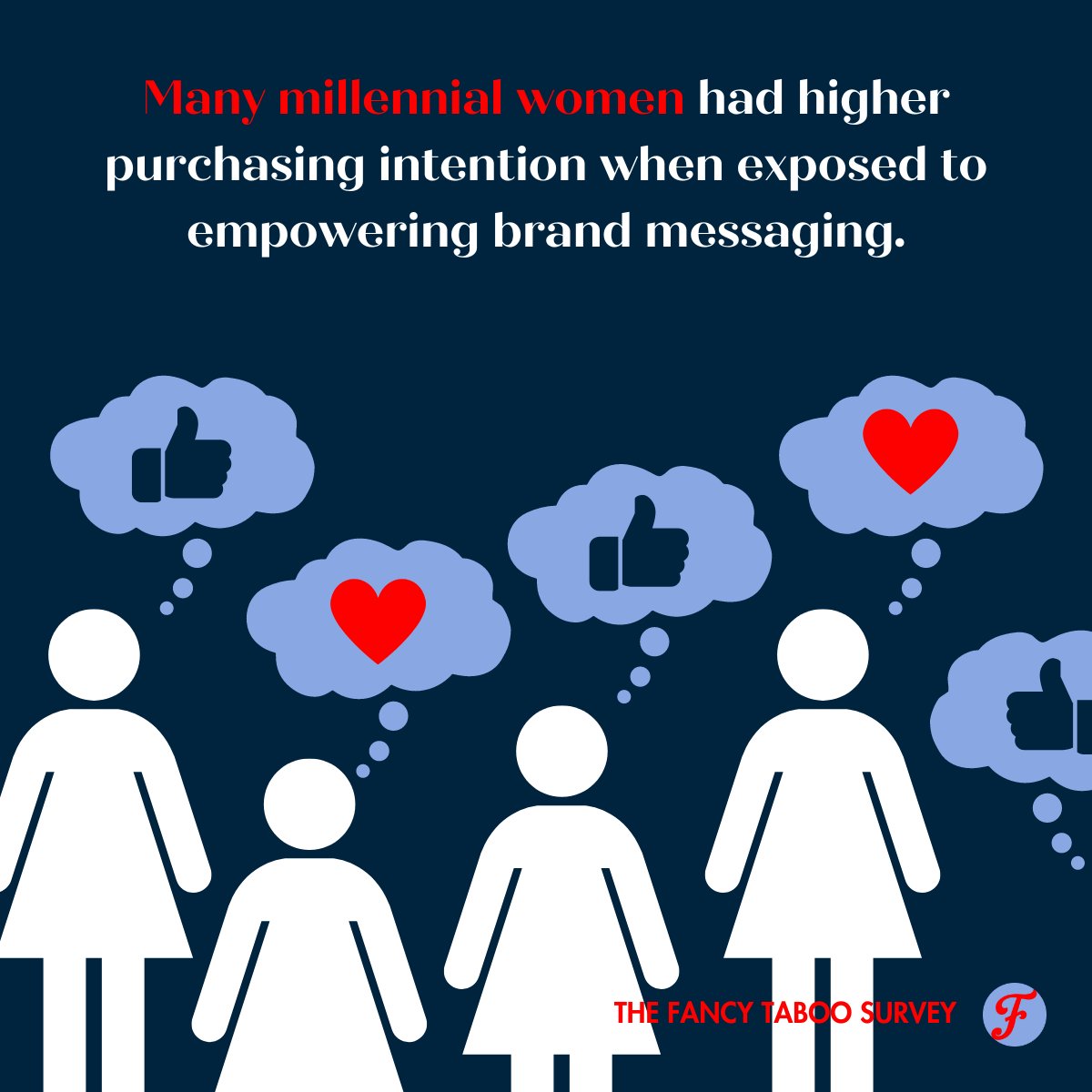
The rise in ad targeting coincides with younger generations entering adulthood. Younger women may overlook gender-based advertising issues as the ads they’ve grown up around are highly targeted to their interests.Brand Approvers skew younger
https://t.co/ha621XZJRY
Of the 600 women who participated in our research, 28% generate 100% of their household income. All three attitudinal segments we identified (Brand Approvers, Boundary Pushers, and Female Favorers) make significant financial contributions at home.
https://t.co/wQmWAdXuSS
Brands need to know: as women grow older, they experience more, are more aware, and gender issues irritate them more. They want inclusive progress that includes them as they reach the peak of their careers, their spending power, and their confidence.
https://t.co/t4YNIbO72E
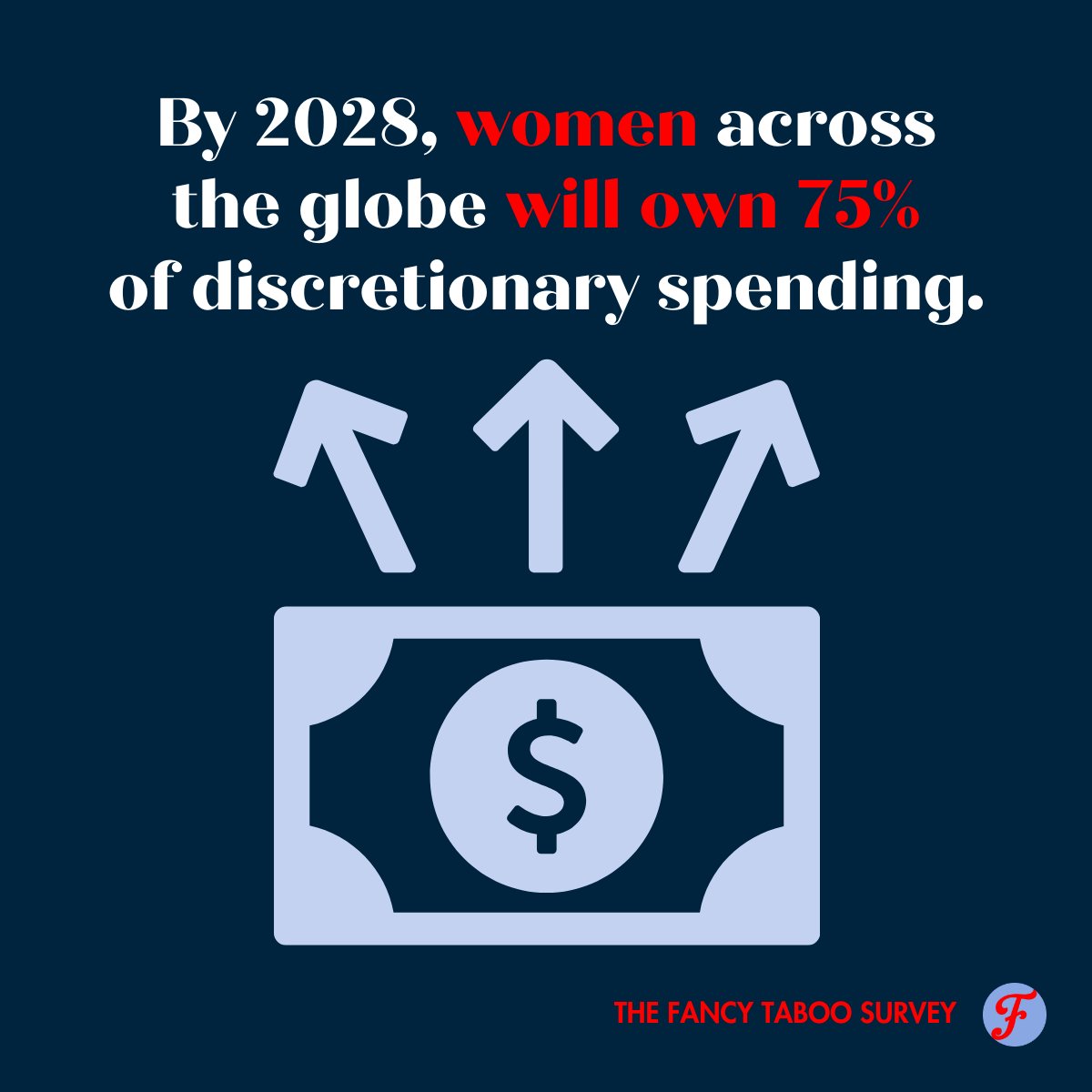
Nielsen says by 2028, women across the globe will own 75% of discretionary spending. Our recent research of 600 women shows that all three attitudinal segments we identified (Brand Approvers, Boundary Pushers, and Female Favorers)
https://t.co/Yja7EOSqjQ
Hey brands, the Gen Z audience might like your vibe now, but they have high expectations and are incredibly digitally savvy; if you don’t grow with them, adapt with them, you’ll lose them.
https://t.co/iFVnGKpUkk
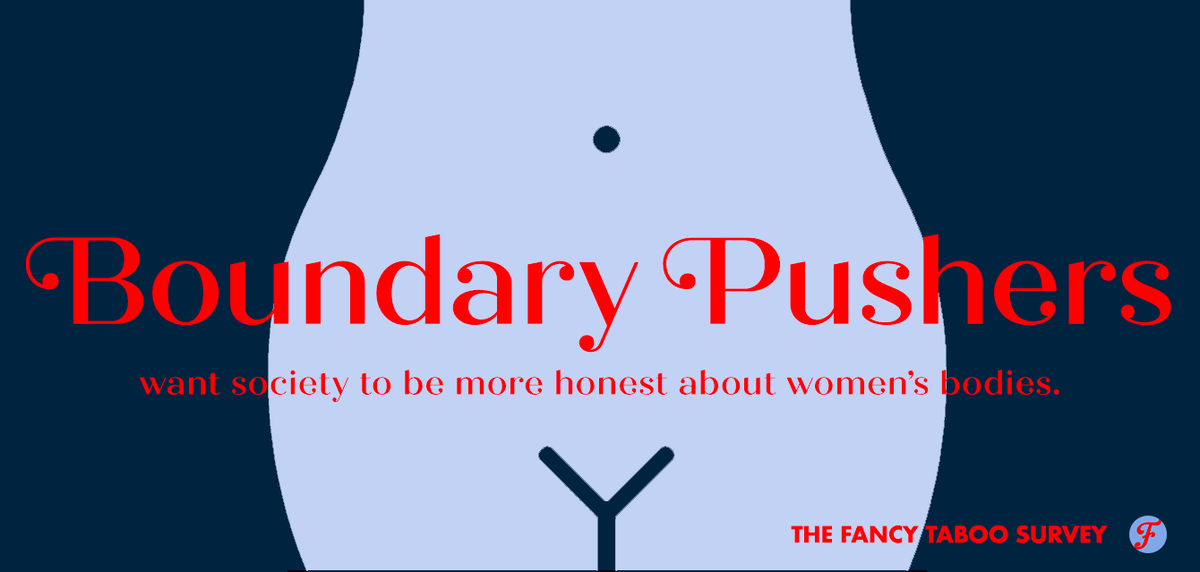
The segment of women we call Boundary Pushers want society to be more honest about women’s bodies, even if it makes people uncomfortable to talk about it. Period poops. Vaginal dryness. The therapeutic effects of a well-timed gummy. It’s all fair game. https://t.co/rzSDOEaI0W