Back living in NZ for a month. Thoughts on Auckland’s urban environment:
1) roads are too wide, footpaths narrow & cycle-paths almost nonexistent
2) given the above, amazing how many pedestrians & cyclists there are
3) safer streets require political will, not loads of cash.
But if you are going to advocate, please be aware that you are dealing with an ingrained culture that supports and promotes the transport status quo. https://t.co/KHVICfULFt
We don’t call people who drive to work every day “keen motorists”.
We don’t think everyone with shoes speaks and acts on behalf of the “walking community”.
We don’t expect transit users to lobby for safe and expedient travel.
So why is it different for anyone who rides a bike?
@Brycepearce I have lost track of the months this munted car has been in this location on Mt Albert Rd. I wonder if @AklTransport could request the owner to have it removed?
Why? Because it's about behaviour change, and while cycleways are a critical piece in the puzzle there are also other pieces. I still have trouble understanding why this is not obvious. https://t.co/weIxTv18uZ
We are told that to get investment in cycling we need political will. I am saying that to get political will we need to present riding a bicycle as something that politicians will vote for. Less special interest. More inclusive.
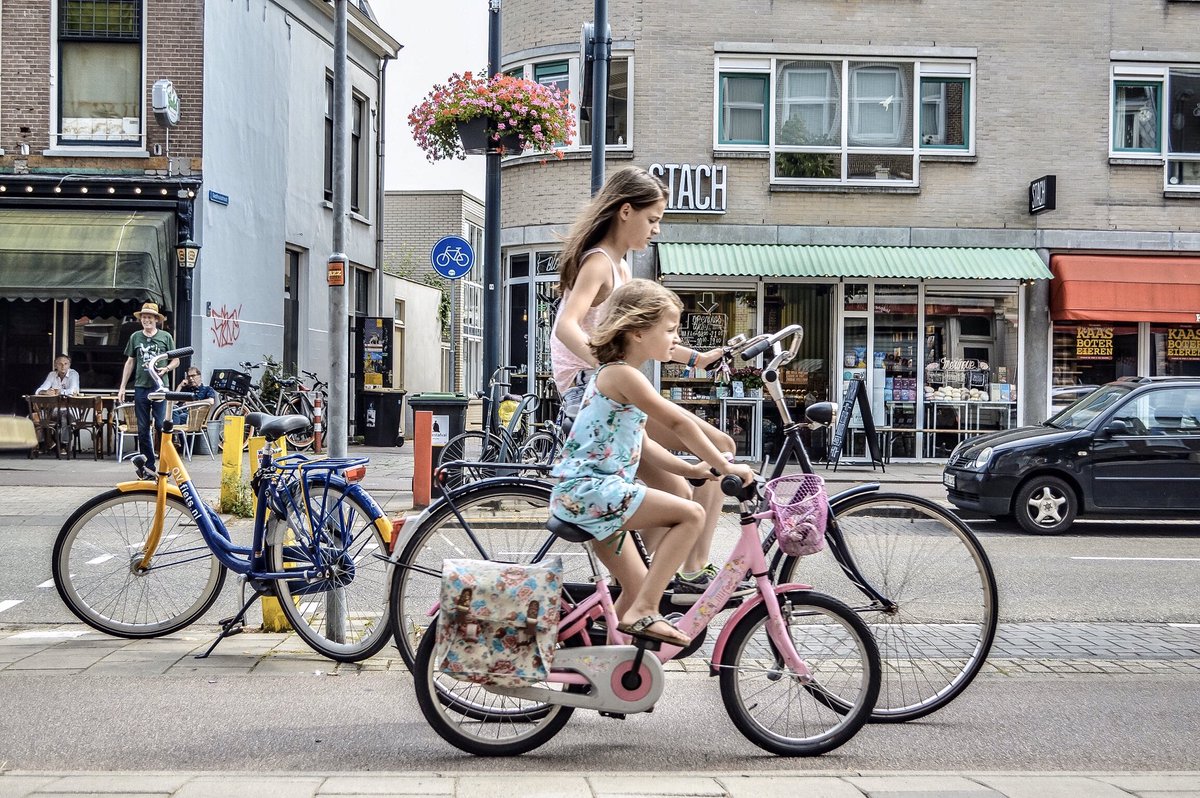
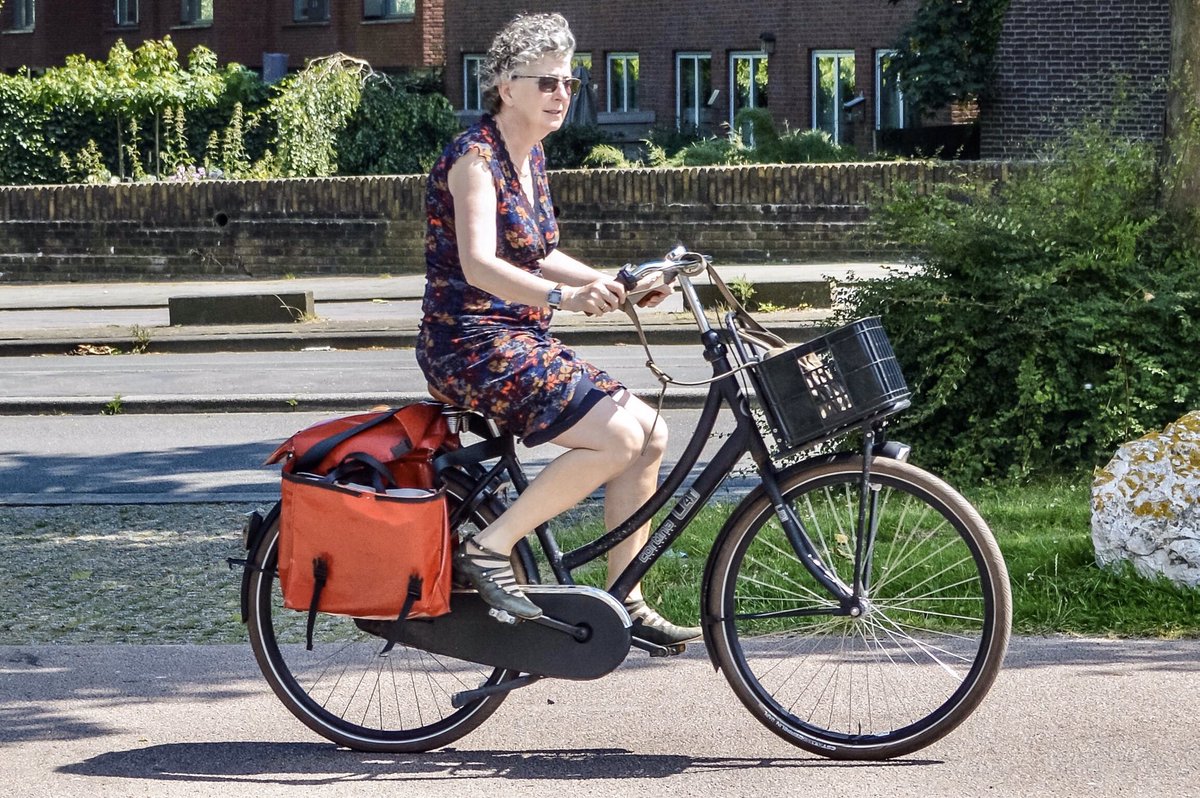
@modacitylife As @wheeledped says, “Cycling is sport & recreation. Riding a bike is everyday activity. Just like walking, but faster. No sweat.”
Something that UK’s @cycletoworkday could consider promoting too, no need for special clothing & kit. It would attract a wider audience 🚲👍🏼😊
The silver lining is in the behaviour change that is currently in evidence. This may be the best chance ever to grow the necessary political will to reallocate road space. https://t.co/zVme05kwSm
An opportunity to temporarily reallocate road space from cars to people on foot and on cycles (and eventually become permanent). https://t.co/RnyKI5UB1L
With reference to this framework, it's worth reflecting on 1. how your city cycling experience has improved since the significant reduction in traffic volumes. 2. the perpetuating of messaging that is not evidence-based.
Because they are designed by and for adult men, transport networks largely favour the long distance, single-purpose work commute.
To become more equitable—for all ages, genders and incomes—they must start prioritizing short distance, multi-purpose trips.
https://t.co/LV4lrjSXgZ
@AxleRyde@modacitylife@livable_city@mbruntlett@jhodapp@IslandPress I wish there was more curiosity about how the Dutch managed to bring about the necessary behaviour and culture change to allow for the building of cities that prioritise people over cars. https://t.co/6Hzt1VNt52