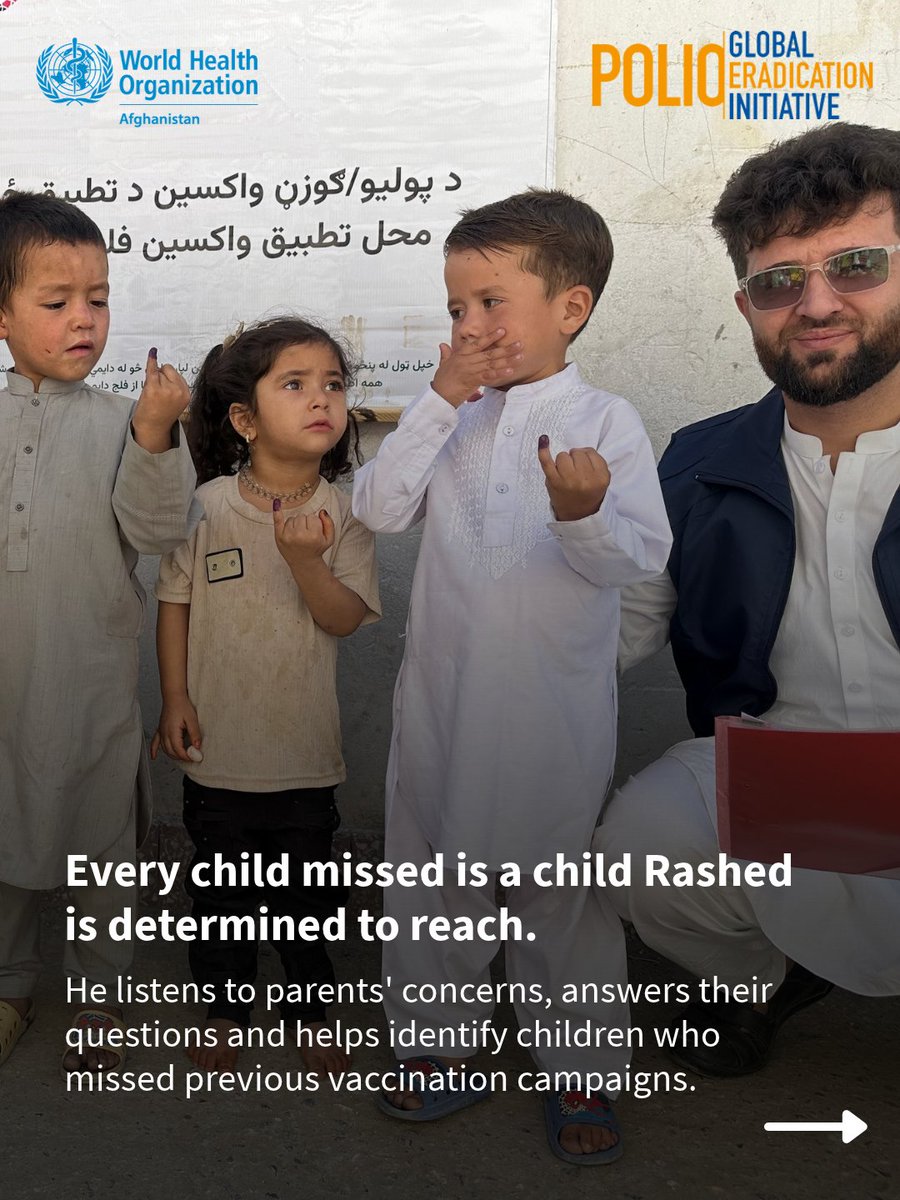
Ahead of #WorldPolioDay, we celebrate the people behind the scenes who work tirelessly to reach every child with polio vaccination.
Watch Hope Kasamba, a polio vaccinator from #Malawi below, and read more of his story here: https://t.co/PQxPVT0pH5
Clear water doesn't always mean lead-free water.
Lead can enter drinking water through pipes, solder and plumbing fixtures and you can't see, taste or smell it. Preventing exposure starts with identifying where lead is coming from and stopping it at the source https://t.co/Y2xpml5gzI
Science gives us hope. Today, in Bunia #DRC, the first participants were vaccinated in a new #Ebola vaccine trial called TUMAINI, which means “hope” in Swahili.
There is currently no approved vaccine against the Bundibugyo virus causing the outbreak. This trial will help us understand whether any of the vaccine candidates designed for Bundibugyo virus work.
In the meantime, the existing Everbo vaccine (licensed for use in preventing other Ebola virus disease) will be tested.
@WHO is supporting this DRC-led effort to find answers and save lives.
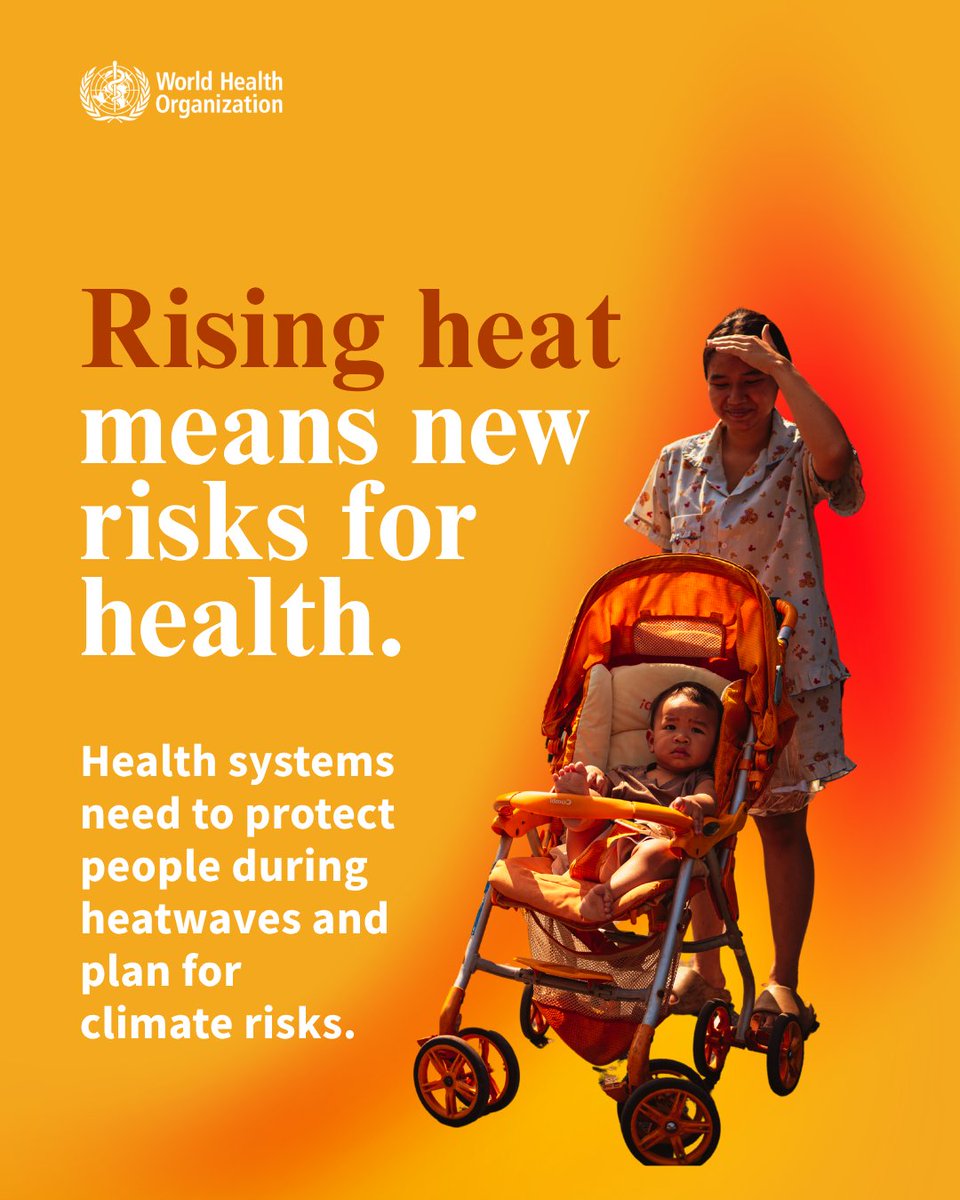
When extreme heat strikes, how many people become ill or die?
Too often, the true toll remains invisible.
A new global monitoring framework will help countries connect health and heat-exposure data—to support earlier action to protect pregnant women, newborns and children.
Learn more: https://t.co/dMPYVsaj1y
Your risk of developing a noncommunicable disease, such as cancer, heart disease or diabetes, is shaped by more than the choices you make. Income, education, gender, age and where you live all affect your health and well-being.
New WHO report ➡️
State of inequality: noncommunicable diseases and their risk factors
Learn more: https://t.co/fS6TAeieLY
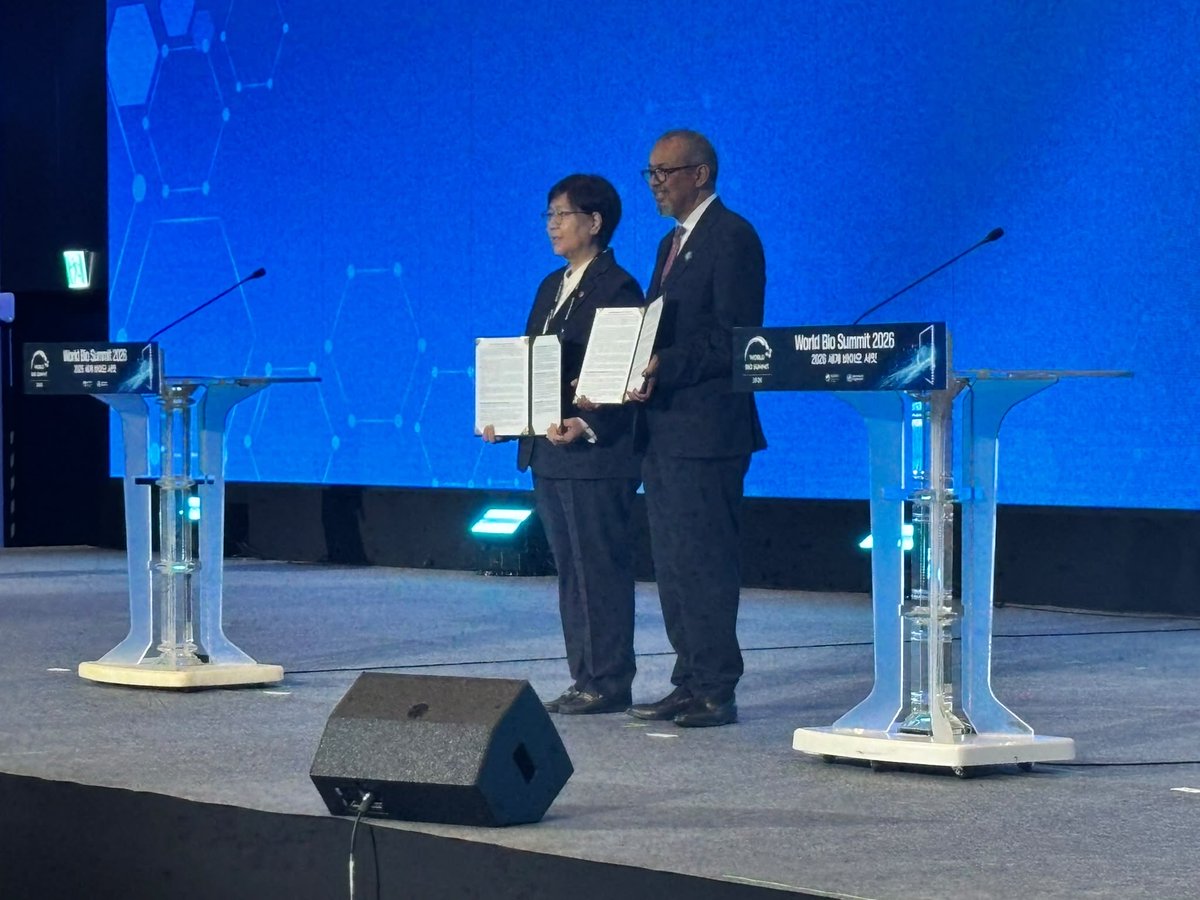
Artificial intelligence holds enormous promise for health. @WHO welcomes today’s announcement of the Seoul Declaration on #AI in Healthcare for Responsible Innovation and Global Solidarity: https://t.co/8M3zj7CyUO
Safe and sustainable AI depends on strong foundations: secure infrastructure, well-governed data, capable regulators, sustainable financing and stronger cybersecurity. @WHO is supporting countries in building these foundations through the Global Initiative on AI for Health and the upcoming Global Strategy on Digital Health 2028–2033.
Guided by the Seoul Declaration’s principles of human dignity and global equity, our collective responsibility is to translate this promise into AI for health systems that are safe, effective and worthy of patients’ trust.
Lead is not only dangerous for children. It can also cause heart disease in adults.
Lead exposure affects health of people of all ages, which makes prevention everyone’s business https://t.co/NMYeD9AkI3
In paint. In dust. In soil. In water. In some ceramics, cosmetics, medicines, toys and jewelry.
Lead exposure can come from more places than many people realize — which is why awareness must lead to action.
On 20 October 2026, France reported the first documented case of human disease caused by the Shamonda virus. This virus primarily affects animals such as cattle, sheep, goats and horses.
WHO is in touch with the French authorities and is closely monitoring the situation.
Here is what you need to know ➡️
Leprosy is curable, and effective treatment is available. Yet for too many people, the greatest barrier is not the disease itself, but the stigma and discrimination that prevent them from seeking care.
Ending leprosy means ending discrimination.
I am very delighted to meet @ENHYPEN JUNGWON, JAY, JAKE, SUNGHOON, SUNOO, and NI-KI in person in Seoul 🇰🇷 today.
Thank you for your work and commitment in promoting blood donation with @WHO
I look forward to continuing our collaboration in the future, and perhaps next time you will come to visit me and my colleagues in Geneva.
#France has reported the first documented case of a human infection with #Shamonda virus, a virus only previously detected in animals.
The patient was immunocompromised, which made them more vulnerable to infection and severe disease, and unfortunately died. My heartfelt condolences to their loved ones.
Shamonda virus primarily affects animals such as cattle, sheep, goats and horses. The virus is thought to spread between animals by the bites of a midge, which is a small fly-like insect. Further studies are needed to fully understand transmission.
The French patient was in an area where the Shamonda virus was circulating in animals and where Culicoides midges were also present.
@WHO is in contact with French authorities who are collecting information to better understand the source of infection in the first human patient, possible routes of transmission and any potential risk to public health.
Follow-up care for Ebola survivors is an essential part of any Ebola outbreak response. After discharge from treatment centres, survivors need continued physical and psychosocial support, provided through dedicated survivor follow-up clinics.
With support from @OCHAFunds and @FCDOGovUK, @WHO has helped establish the first two clinics, in Bunia and Beni.
🎥 Follow the journey of an Ebola survivor at the Bunia clinic.