World Health Organization @WHO in the Western #Pacific Region, 🏠 to 2.2B in #Asia & #Oceania. See our tweets for health advice. Our Regional Director: @rd_wpro
Foodborne diseases remain a serious regional health challenge. While the burden has decreased over the years, the numbers are still substantial — underscoring the need for sustained efforts.
By using data to target prevention where it matters most, countries can protect health and build on this progress.
#WorldFoodSafetyDay
#SafeFoodEverywhere
In the Western Pacific Region, foodborne diseases are estimated to cause 49.5 million illnesses and 367 000 deaths, with 9.4 million healthy life years lost in 2021.
Ahead of #WorldFoodSafetyDay, WHO calls for sustained collaboration to strengthen food safety and protect people from preventable harm.
#FoodSafety #SafeFoodEverywhere
Environmental crises like climate change can affect our mental health & well-being, including:
🙁 emotional distress
🙁 anxiety
😣 depression
😖 grief
😫 suicidal behaviour
WHO staff explain why we need to bring mental health into climate action.
Join this upcoming webinar on Alcohol Marketing: Evidence, Emerging Challenges and Policy Responses, featuring insights on lessons learned from tobacco and breastmilk substitute marketing restrictions.
📅 Thursday, 11 June 2026
🕙 10:00 AM – 11:30 AM (GMT+8)
The session will examine current evidence, highlight evolving marketing practices, and discuss effective policy approaches to protect public health.
Register by scanning the QR code or via link in the comments section.
#AlcoholLeavesAMark
What if your photos could spark reflection and inspire action on climate and health? 💭📸
That’s what youth advocates from photo camps in Kiribati, Mongolia and the Philippines – organized by the WHO Asia-Pacific Centre for Environment and Health in the Western Pacific Region and National Geographic Society last year – set out to do.
During the @UNFCCC Climate Week 3 in April 2026, their powerful images were exhibited in Yeosu, Republic of Korea – bringing to life the young advocates' firsthand experiences of climate change and health.
Watch the video to learn what some viewers had to say after visiting the exhibit!
#WorldEnvironmentDay
Nicotine addiction isn’t just about what happens to your body. It’s also the environment around us.
With smoke-free and vape-free spaces, it's harder to start and easier to quit.
#TobaccoExposed
In Cambodia, @WHO is working with the Ministry of Health, Ministry of Tourism and Ministry of Education, Youth and Sports, to reinforce the country’s ban on e-cigarettes and heated tobacco products through policy dialogue, technical guidance and health education.
One month has passed without a reported death from the hantavirus outbreak on the MV Hondius, with confirmed cases holding steady at 13. The situation is stable, and the global risk remains low. WHO will continue close coordination with affected governments through the completion of the quarantine period for all passengers and crew.
Ebola disease is a severe, often fatal illness transmitting from animals to humans and between humans.
Here’s what you need to know about how it spreads, the symptoms, and how to prevent infection.
Today is #WorldBicycleDay! Cycling is a form of active mobility to prevent disease, reduce pollution and improve road safety.
What can you do?
Ride your bike and #GetMoving!
Advocate for safe roads and bike friendly cities so more people can enjoy cycling
Do you know of or are you part of an initiative that takes #ClimateAction forward? Join the Climate and Health Co-Benefits Challenge! https://t.co/lG1vM8t4En
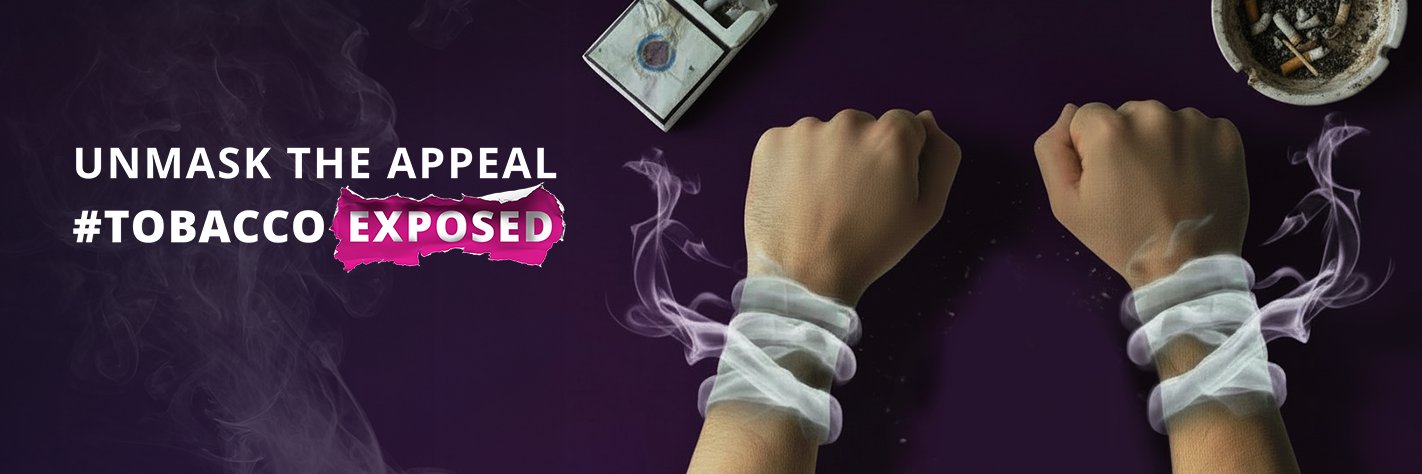
Flavours, sleek designs, digital marketing and misleading claims can make tobacco and nicotine products seem harmless or normal.
But behind the appeal is a cycle of addiction that can affect health, development and futures.
Dr Huong Tran, Director of Health Promotion, Disease Prevention and Control at WHO in the Western Pacific, calls for stronger action to see past the appeal of these products and protect young people through policies that are not only passed, but fully implemented and enforced.
#NoTobacco
#TobaccoExposed
Sức khỏe là vàng. #Health is gold.
A simple yet profound Vietnamese saying that underpinned my memorable conversation with His Excellency President Tô Lâm - whom I had the privilege of meeting amid his state visit to the Philippines, where the WHO Western Pacific Regional Office is based.
His Excellency, who also leads the Viet Nam Communist Party, assumes his leadership roles at a remarkable moment in his country’s trajectory.
Over the past 80 years of independence, Viet Nam has transformed from a war-torn, impoverished nation into a model for public health.
Life expectancy at birth has risen from under 40 years to over 74 years today.
Infant and under-5 mortality rates have dropped sharply, alongside the eradication of neonatal tetanus and #polio.
#Immunization has helped contain #measles and Japanese encephalitis, protecting millions of children.
Aggressive initiatives have drastically reduced #tuberculosis prevalence and brought the country very close to its malaria elimination target.
Vietnam has achieved over 90% health insurance coverage. The country has a comprehensive three-tier delivery model – at central, provincial and commune levels - to guarantee access to health services even in remote regions.
I congratulated His Excellency on these wide-ranging triumphs, even as we discussed the challenges that remain - and new opportunities to be harnessed.
The growing burden of non-communicable diseases – from cardiovascular diseases to #diabetes and #cancer – is being tackled through a dual focus on disease prevention and primary health care.
Viet Nam has taken landmark steps towards tackling the harms of tobacco - at a time when new nicotine products aimed at young consumers are endangering a new generation.
Megatrends, including climate-related health impacts and population #ageing, are being addressed through innovative approaches under accelerating health reforms.
The Government is embracing digital technology to bring about efficiencies and expand access to health care including in remote areas.
Absorbing the lessons of COVID-19, Viet Nam is further strengthening health emergency preparedness mechanisms, including under the updated International Health Regulations – so vital in our interconnected region and world.
Complementing all this is the urgent need to further develop and strengthen the health workforce.
President Tô Lâm expressed Viet Nam’s wish that WHO provide significant support on all these fronts.
In turn, His Excellency noted that Viet Nam has a long history of traditional medicine, fully integrated into the national healthcare system alongside Western medicine, and is keen to share its knowledge across our region and globally.
Viet Nam’s founding father, Hồ Chí Minh once said, “Health is the greatest asset of each person and all of society. Health is the foundation of happiness for all, and for the development of the country.”
Xin cam on – thank you, Your Excellency, for your leadership as we work together to achieve #HealthForAll.
@WHOWPRO@WHOVietnam@angepratt@MOFAVietNam@VietNam_UN@uninvietnam@VNGovtPortal@VietnamNewsVNS@vietnamenglish
How can data on foodborne diseases help keep people safe in the Western Pacific Region and beyond?
Data can play a critical role in bridging gaps in food safety and reducing the burden of foodborne diseases.
Food safety requires a multisectoral approach, with risks that can cross borders in today’s interconnected world.
On the occasion of #WorldFoodSafetyDay, @WHO is releasing new estimates on the burden of foodborne diseases, supporting countries to better manage risks, identify priorities and allocate resources effectively.
Join us on 4 June 2026 at 12:00 PM (Manila time, GMT+8) for the World Food Safety Day 2026 – Asia and Pacific Edition: From burden to solutions, safe food everywhere.
Participants will gain insights into the latest global and regional estimates for the South-East Asia and Western Pacific Regions, hear country experiences, and engage in an interactive Q&A session.
Register via the link in the comments or by scanning the QR code and join efforts to make food safer for everyone.
#FoodSafety is everyone’s business.
#SafeFood
🚩 They say they care about people. Look closer.
Tobacco companies use charity drives, fake advocacy groups, and flavored vapes to protect their business, not public health. Their every move aims to keep people smoking.
Tobacco and nicotine products are being repackaged, redesigned and promoted in ways that make them more appealing, especially to young people.
This #WorldNoTobaccoDay, WHO calls for stronger action to unmask these tactics and protect people from addiction.
In the Western Pacific Region, this means sustaining leadership and strengthening laws and enforcement, while countering industry interference and ensuring that new and emerging tobacco and nicotine products do not undermine progress.
#TobaccoExposed
The tobacco and nicotine industries often present e-cigarettes as products for adults. But regional data tells a different story.
In 11 of 12 Western Pacific countries with data, youth e-cigarette use is higher than that of adults.
This does not place the blame on young people; it points to the urgent need to protect them from these products, and tactics such as flavours, packaging, and digital marketing that make nicotine more appealing and accessible.
This World No Tobacco Day, WHO calls on governments to ban or strictly regulate e-cigarettes and other new tobacco and nicotine products.
#WorldNoTobaccoDay #TobaccoExposed
Four organizations in Viet Nam were honored globally by WHO this week with #WorldNoTobaccoDay Awards for their outstanding contributions to protecting families and communities from tobacco-related harm!
Vice Minister Mr Vu Manh Ha received the awards from WHO Director-General Dr Tedros Adhanom Ghebreyesus on behalf of all the award winners:
🏆Department of Legislation, Ministry of Health
🏆Health Policy and Strategy Institute
🏆Poison Control Center Bach Mai Hospital
🏆Viet Nam National Tobacco Control Fund.
The awards celebrate Viet Nam’s commitment to a stronger and healthier future.
Major recent milestones include tax reforms that are estimated to:
✅ Help 2.1 million people in Viet Nam quit or avoid smoking by 2031
✅ Prevent 700,000 premature deaths over the coming decades
✅ Generate VND 24,000 billion in additional annual Government revenue by 2031 and
✅ Reduce access to low-cost cigarette brands, especially among vulnerable youth.
❤ WHO Viet Nam warmly congratulates all the award winners and is proud to be working together with you for a stronger, safer and healthier Viet Nam!
Congratulations to the Department of Legislation, Viet Nam Ministry of Health; Health Policy and Strategy Institute; Poison Control Center, Bach Mai Hospital; and Viet Nam Tobacco Control Fund, joint 2026 #WorldNoTobaccoDay Awardees in the Western Pacific Region.
They are recognized for coordinated action to advance #TobaccoControl policy in Viet Nam, combining legal expertise, evidence generation, public health response and strategic communication to protect young people from tobacco and nicotine products.
In 2025, their work supported major reforms, including a mixed excise tax system and stronger legal measures on e-cigarettes and heated tobacco products – helping close loopholes, counter industry tactics and protect future generations.