Happy Pi day! 🥧
https://t.co/zgQGeQZ1sE
What makes π fundamentally different from “ordinary” numbers, and why do mathematicians classify it as both irrational and transcendental?
Why does π emerge as the same constant in so many seemingly unrelated areas of mathematics (geometry, analysis, probability, complex numbers, and number theory)?
...
@Max404s We suspected that! it is hidden locally this is why it was visible on different machines/browsers, not enough for registered users, we'll take care of that. Appreciate the heads up 🫶
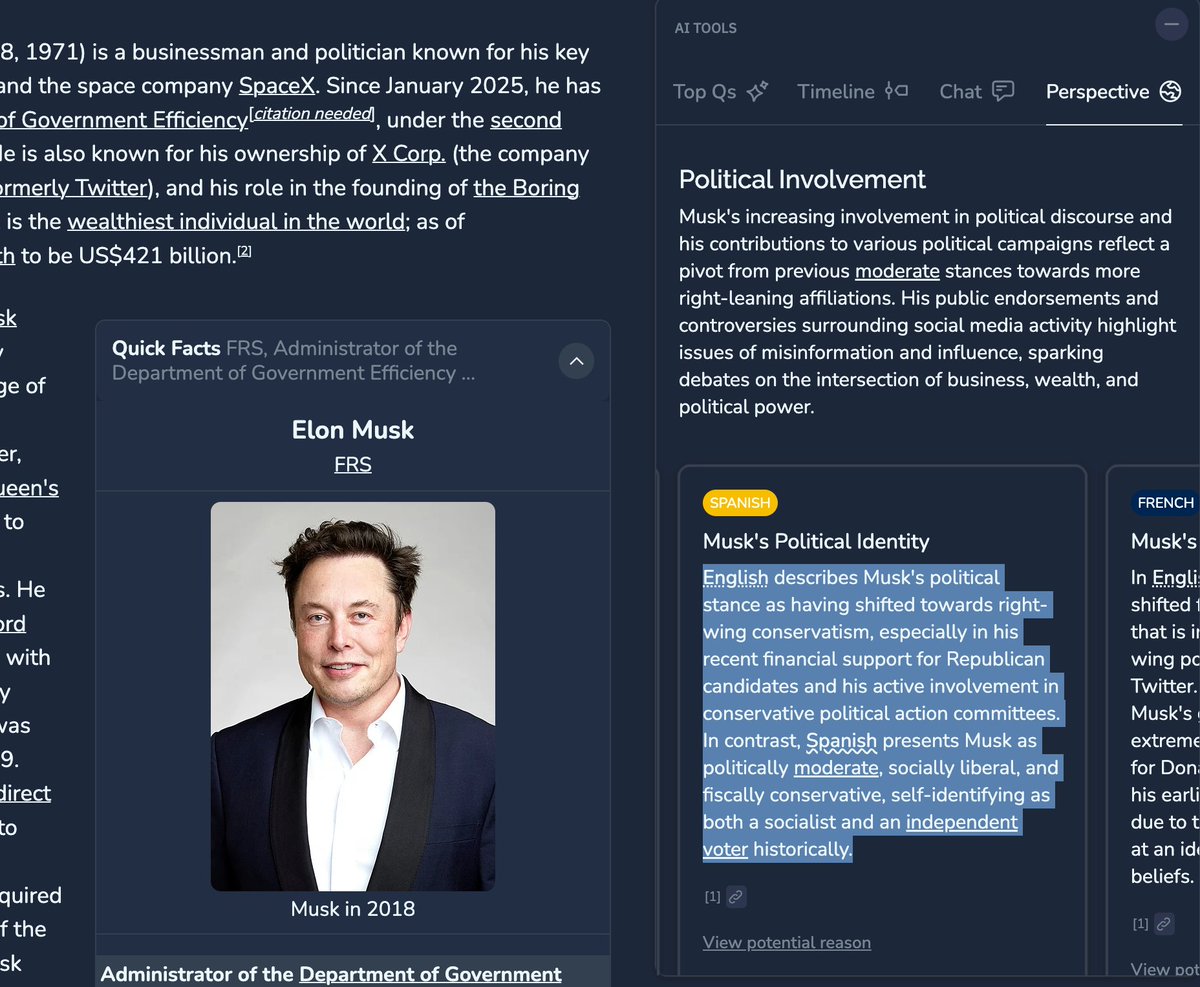
@elonmusk don't defund Wikipedia, make it better. @wikiwand is focused on highlighting these issues using AI: https://t.co/VdLnTNo5tM or https://t.co/3HMjMnW3kP
Today in history 📅:
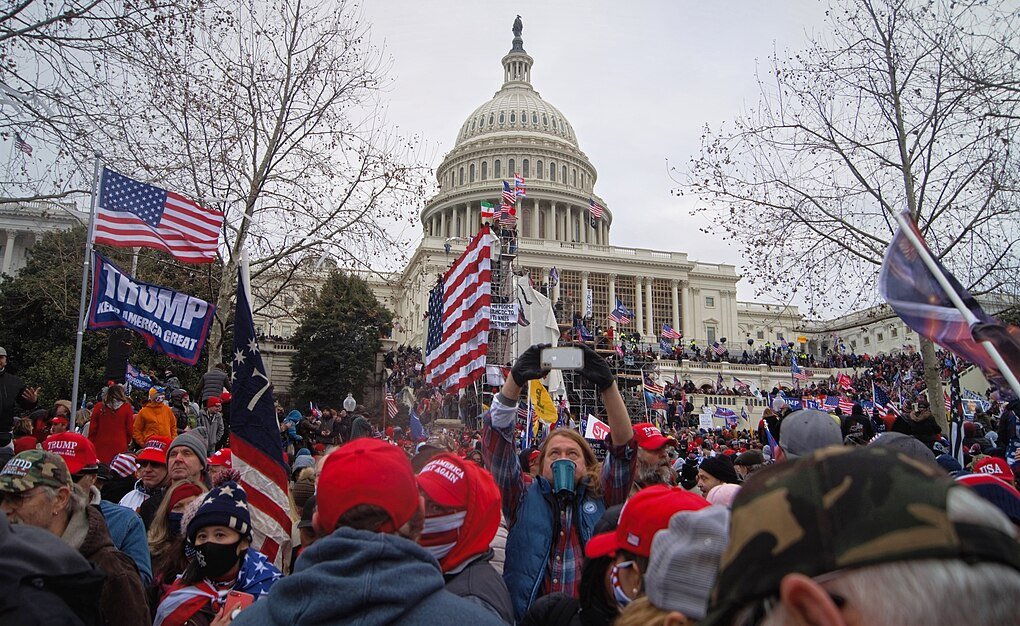
On January 6, 2021, the United States Capitol Building in Washington, D.C., was attacked by a mob:
https://t.co/pnctOGZJ7a
The Christian holiday Epiphany is celebrated: https://t.co/UtAk83FCh8
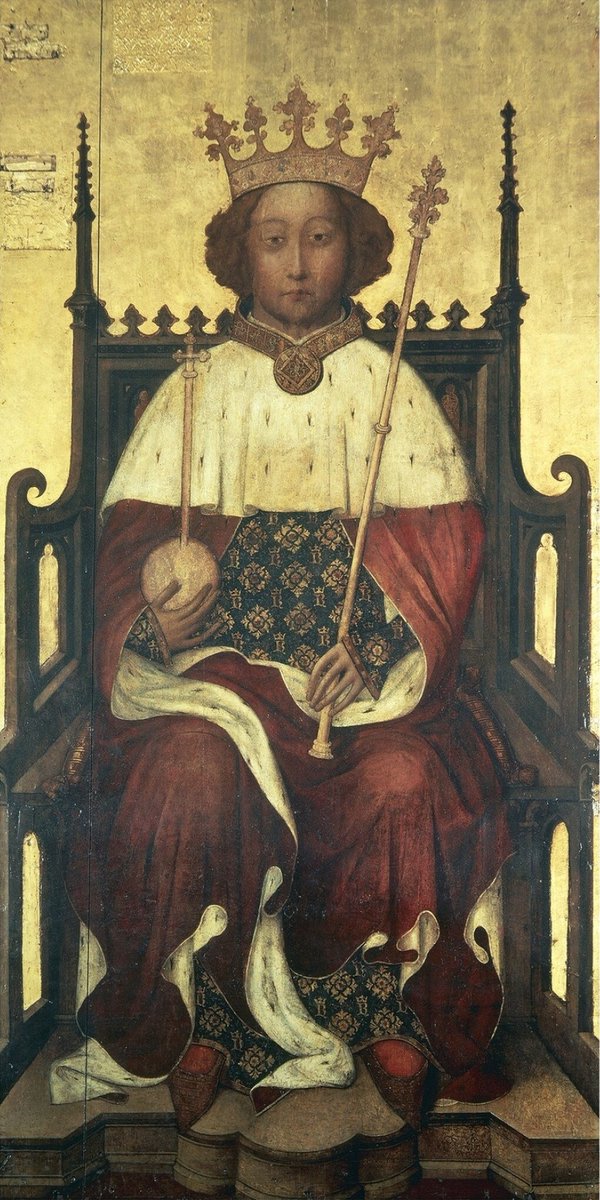
In 1367, The English king Richard II, who is thought to have starved to death in captivity, was born: https://t.co/kGp1HLZBPh
Don't Miss Out! Holiday Special Discount – Final Weekend!
Elevate your Wikipedia experience this holiday season with AI-powered enhancements! ✨
https://t.co/z1eJNMUtPa
Ends December 31 ⌛️
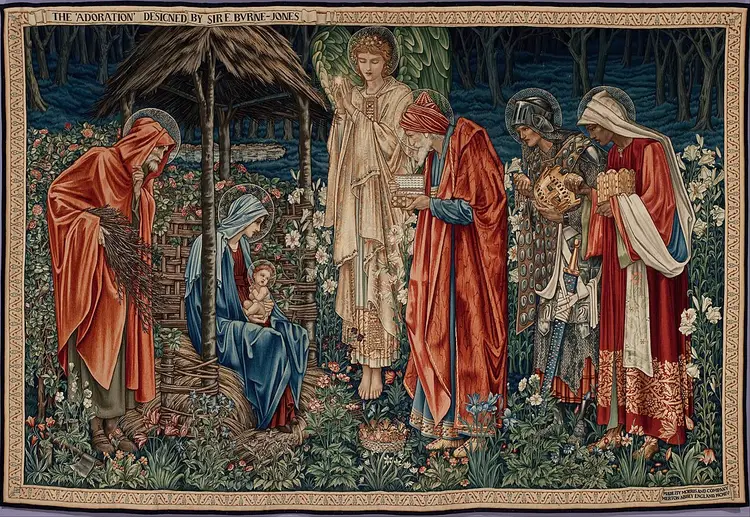
Many traditions, nations, and religions share the holiday season, but just be mindful out there - studies have shown that the health changes that occur during this time are cumulative and not reversed during the rest of the year, indicating that several medical problems' risks can increase during this period:
https://t.co/oDuM9Gybhb
May we all enjoy this season healthy, family-stress-free :) and filled with love and hope 🫶🎀
Other notable tariffs include:
- Tariff of 1789: This was the second bill signed by President George Washington, imposing a tariff of about 5% on nearly all imports. https://t.co/Yw1DwPSvtO
- Tariff of 1816: The average tariff rate was raised to 35% to protect emerging American industries after the War of 1812.
- Morrill Tariff (1861): Enacted after Southern Senators walked out of Congress, significantly raising tariff rates. https://t.co/BAUH1rMjyW
- Dingley Tariff (1897): Boosted rates back to the 50 percent level during McKinley's presidency. https://t.co/4orrHLN9VN
- Payne–Aldrich Tariff Act (1909): Attempted to reform tariffs but led to division within the Republican Party due to conflicting interests over tariff levels. https://t.co/8jMDZN1m61
- Underwood Tariff (1913): Drastically lowered tariff rates as part of Woodrow Wilson's economic agenda. https://t.co/AX4LRX6QPf
- Fordney–McCumber Tariff (1922): Raised tariff rates again after World War I. https://t.co/8Z1tXUXRfK
The subject of #tariffs efficiency in the #USA is under broad discussion lately, let's dive into it.
Tariffs were the greatest source of federal revenue, accounting for as much as 95% at times, until the federal income tax was introduced - This shows how crucial tariffs were in financing the federal government during the early years of the nation. let's look at some notable historical examples:
https://t.co/A8ejYt08RW
On the other hand, the Smoot–Hawley Tariff Act of 1930 is noted as having failed because it worsened the Great Depression in the United States by prompting retaliatory tariffs from other industrial countries, leading to a significant drop in American imports and exports:
https://t.co/EC31qF8lRl