Yesterday, while at Bidi-Bidi Refugee Settlement on a different assignment, I came across this young man breaking rocks into smaller pieces.
I was intrigued and wanted to understand why someone would spend their holiday sitting under the sun, hammering away at stones.
Then I asked.
The answer stayed with me.
School is out, and he is trying to make some money before the next school term begins.
He wasn’t alone.
Across the settlement, I saw many young people doing the same — using the school holiday not simply to rest or play, but to find whatever small opportunity they can to earn money for the next chapter of their education and lives.
There is something inspiring about this kind of determination.
However, there is also something deeply uncomfortable about it.
We should be careful not to romanticise hardship. A young person working to keep themselves in school can demonstrate extraordinary resilience, but resilience should never become our excuse for accepting circumstances that place children and young people in hazardous work or make education dependent on how much they can physically endure.
Sometimes, behind a photograph of “hard work” is a much bigger story about poverty, opportunity, education and dignity.
So I took this photograph not simply to celebrate his effort, but to remember the question behind it:
What kind of society makes a child have to break stones today so that he can afford to sit in a classroom tomorrow?
His determination deserves recognition.
But his future deserves more than determination alone.
It deserves opportunity.
There is something special about working in a business whose existence is tied to a tree.
At @NiloticaSheaNut, we produce premium Nilotica Shea Butter, but behind every kilogram of butter is a shea tree—and behind that tree are communities whose livelihoods depend on it.
That is why I am particularly proud of our commitment to raise and replant more than 1 million shea tree seedlings over the next 10 years.
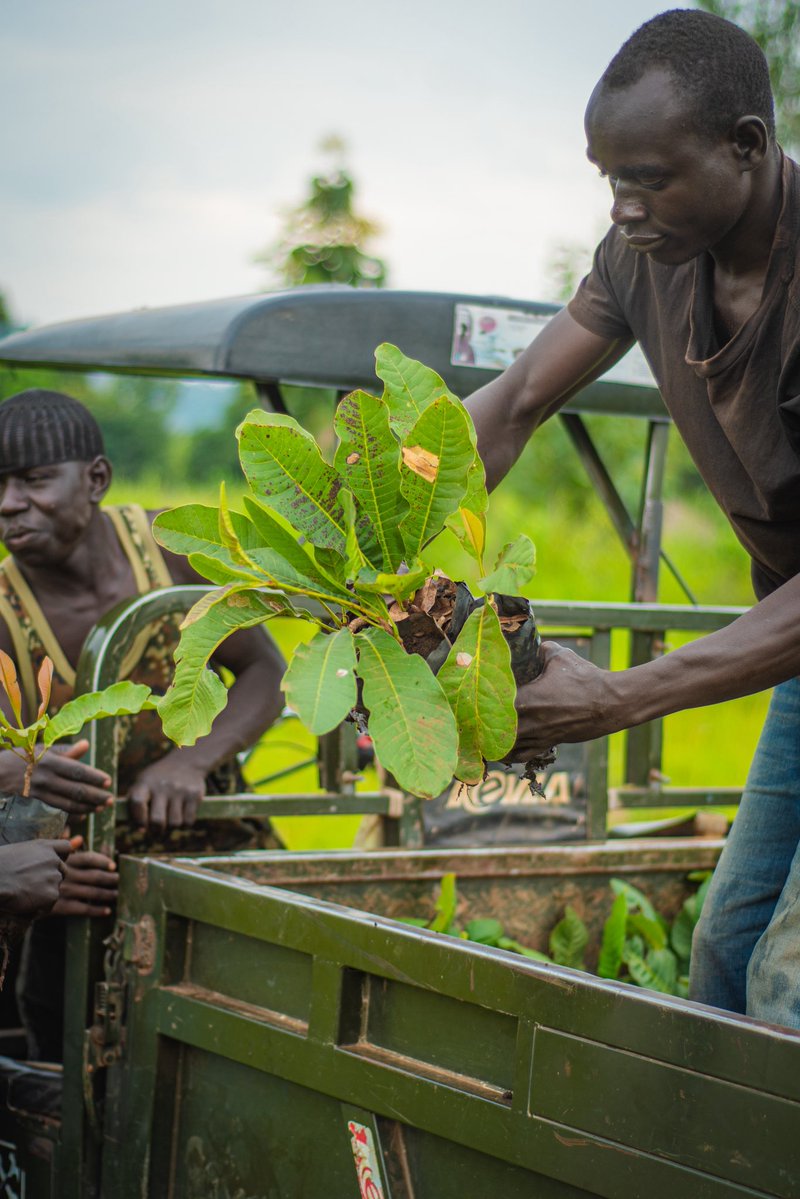
This journey is already taking shape. Recently, our participants and shea cooperators planted over 100 shea seedlings from our nursery, which currently holds close to 200,000 seedlings. Every seedling planted represents another tree that could stand for decades, provide for future generations and help restore degraded shea parklands.
Sustainability cannot simply be a message we put on our products. It has to be reflected in what we do on the ground.
We cannot continue producing premium Nilotica Shea Butter without protecting the very trees that make it possible. Safeguarding existing shea trees, regenerating degraded parklands and supporting the communities that care for them are essential to the continuity of the shea value chain.
And when you buy premium Nilotica Shea Butter from SNNOC, you are not simply purchasing a product. You are supporting a community, a livelihood and a conservation effort that is planting for the future.
We are building more than a shea business.
We are helping ensure there will be shea trees to harvest from tomorrow.
#SheaConservation #NiloticaShea #SustainableShea #SNNOC #OneMillionSheaTrees #CommunityConservation #SheaValueChain
Over 100 shea seedlings have been transplanted by young women who were beneficiaries of the one-year EYE-EIF Project implemented in partnership with @MastercardFdn and Digital Opportunity Trust.
For the young women, shea has supported school fees, businesses and families.
Thank you, Kampala
Yesterday, over 400+ walkers came together for the #KampalaTourismWalk, proving that this is more than a walk, it’s a movement to position Kampala as a tourism destination.
Imagine 10,000 people from across the world walking with one goal: TOURISM. With that energy, the world will have no choice but to turn its eyes to Kampala.
Thank you for showing up and believing in the vision for the last 5 years.
See you all next year!
Hello Kampala, how are you today?
Well, the #KampalaTourismWalk is happening tomorrow!
We kick off at 6:30 AM from the SSDM Indian Temple in Nakasero and walk our way to the Buganda Craft Centre, uncovering the rich religious and cultural heritage of our city along the way.
And here’s something to look forward to: every Walker will receive a complimentary fruit platter from @kaynelafarmsltd!
Oh, and before I forget… our Chief Walker will be Hon. @SusanNakawuki, State Minister for Tourism. 👏🏾
See you all tomorrow for the 5th Edition of the #KampalaTourismWalk!
#VisitKampala #ExploreKampala #UgandaTourism
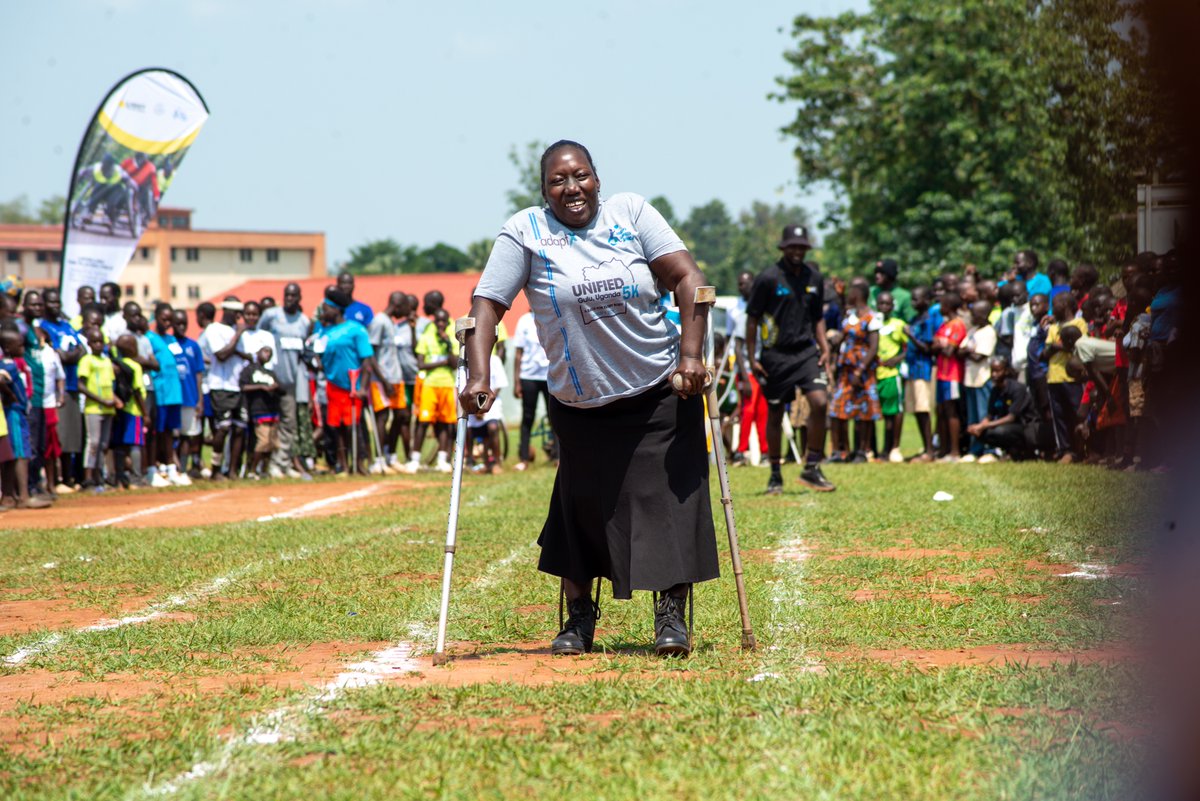
Over the course of last weekend, on 8 August, I was in Gulu City to support my brother and the team at @abilitysportsa1 in documenting their 5KM run and a series of short games dedicated to celebrating, empowering and supporting persons with disabilities.
The day brought together athletes across different categories, including the 100-metre races for persons with visual and hearing impairments, athletes using crutches, persons with albinism, as well as cycling.
Beyond the competition and awards, it was a celebration of ability, resilience, inclusion and community.
I was honoured to capture a few moments from the day. Here are some of the highlights. 📸
#AbilitySportsAfrica #DisabilityInclusion #GuluCity #InclusiveSports #DisabilitySports #Inclusion #Gulu
Today, we celebrate Uganda’s magnificent elephants and the vital role they play in our ecosystems.
Uganda is home to two distinct elephant species: the African savanna elephant (Loxodonta africana), found across our savanna landscapes, and the African forest elephant (Loxodonta cyclotis), associated with our forest ecosystems.
From shaping habitats and dispersing seeds to supporting biodiversity, elephants are true ecosystem engineers. Their survival is inseparable from the health of Uganda’s forests, savannas and wildlife corridors.
On this World Elephant Day, let us celebrate, protect and coexist with these giants—not only for their beauty, but for the ecological systems they sustain.
Protect the elephants. Protect their habitats. Protect our natural heritage.
#WorldElephantDay #SaveTheElephants #UgandaWildlife #ElephantsOfUganda #Conservation #Biodiversity #LoxodontaAfricana #LoxodontaCyclotis
Some journeys are measured in miles. Others in steps.
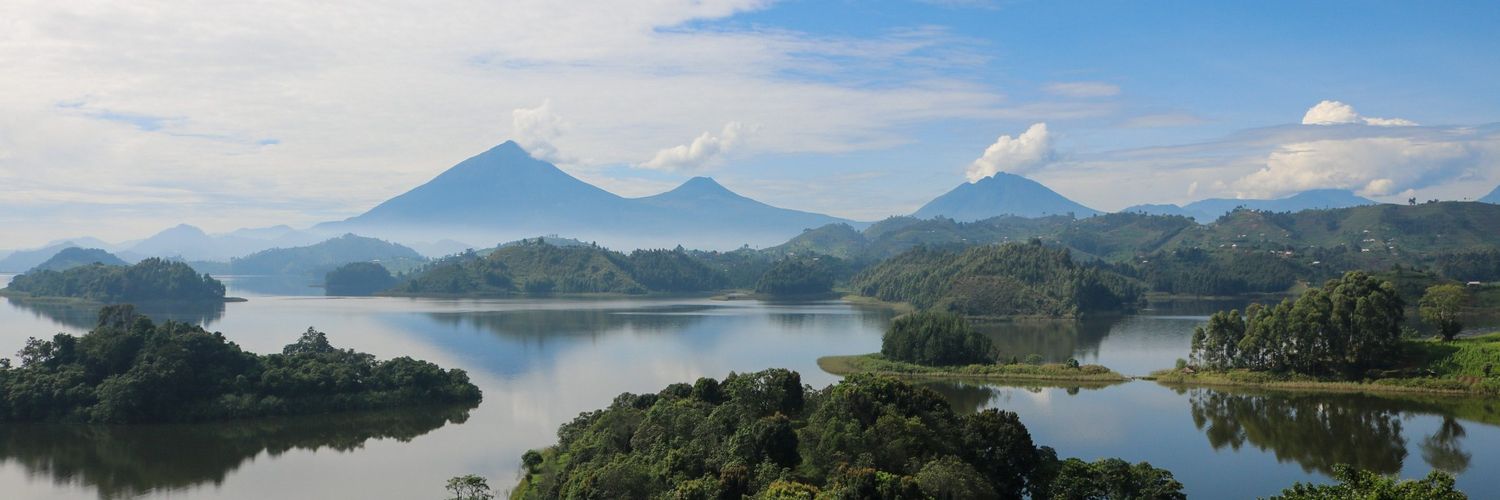
This moment on Mount Sabyinyo, one of the Virunga Mountain summits, reminds us why hiking is underrated, it challenges you, rewards you with perspective, and brings you closer to nature.
At @birders_lens, we design experiences, not just itineraries.
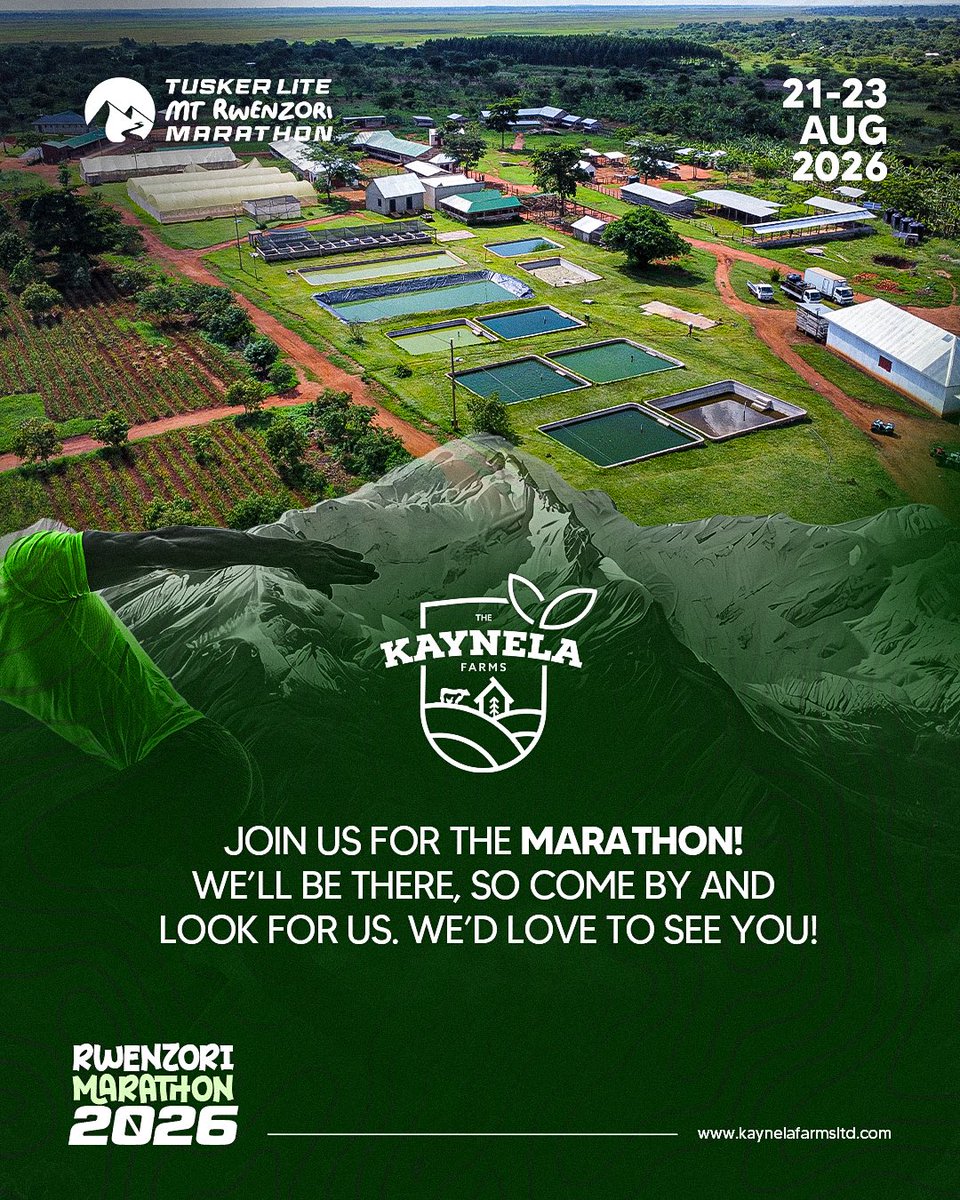
From the foothills of the Mountains of the Moon to the vibrant landscapes of Uganda, @kaynelafarmsltd is joining the experience.
📅 21–23 August 2026
📍 @RwenzoriMarathn - Kasese
Look out for the Kaynela Farms team — come say hello!
And after the run, you know where the adventure continues.
#RwenzoriMarathon | #KaynelaFarms | #ExploreUganda | #VisitUganda | #RunUganda
The 5th Edition of the Kampala Tourism Walk is happening on 16 August 2026, taking us on a fascinating journey through some of Kampala’s remarkable religious sites and heritage spaces.
Start: Hindu Temple, Nakasero
Finish: Buganda Craft Centre
Come walk, discover, learn and experience the diverse spiritual heritage that has shaped the soul of Kampala.
Kampala is more than a city. It is a story waiting to be walked.
Proudly brought to you @ugandauncovered.
#KampalaTourismWalk #Kampala #VisitKampala #Uganda #ReligiousHeritage #TourismUganda
What’s that one thing about farming you’ve always wanted to understand?
Crop growing, animal rearing, fish farming, or even how agrotourism fits into it all?
Weekends are a good time to ask the questions, see things up close, and learn from the farm itself.
Schedule a farm visit to ours and we’ll show you around.💚
📞 +256 701 116 511 | https://t.co/hFZhAhaSoe
#KaynelaFarms #FarmLife #Agrotourism #ExploreUganda
Together, let’s protect our shea trees, empower our communities, and prove once again that conservation is a team effort.
The countdown is on. The journey continues. See you all at the 5th Edition of the Shea Tree Conservation Tournament.
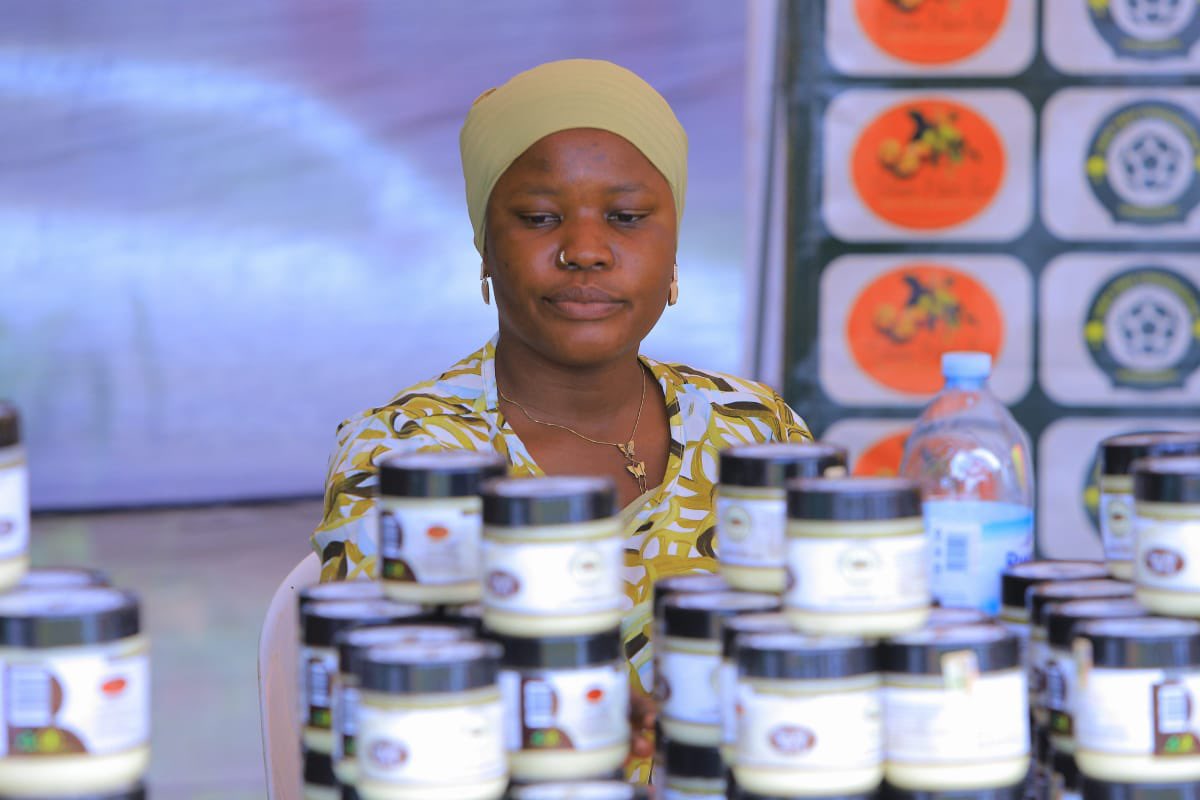
Treat yourself and your family to the richness of our Premium Nilotica Shea Butter—naturally sourced, deeply nourishing, and crafted to moisturize, protect, and restore healthy skin for all ages.
- 100% Pure & Natural
- Soft, creamy texture with superior absorption
- Ideal for dry skin, lips, hair, and gentle baby care
This August, nourish naturally with our premium product. We are committed to delivering premium-quality shea butter while conserving shea trees and supporting local livelihoods.
Contact us today for your order!
A new month means new opportunities to slow down, recharge, and enjoy the sunny moments in life. ☀️
Wishing you a bright, peaceful, and blessed new month ahead!
Happy Summer, Happy August!
#august#summer#KaynelaFarms
Seeking partnerships for conservation initiatives may mean, meaningful causes does not always guarantee immediate support.
Here’s why?
Since the beginning of the year, I have reached out to several multinational brands seeking collaboration for the 5th Edition of the Shea Tree Conservation Tournament — an initiative using sport, community engagement, and environmental education to protect the Nilotica Shea ecosystem in West Nile. Thinking that, since it’s the beginning of the year, probably I would be guaranteed support considering that I approached before the national budget was read.
The reality is way different.
Many organizations have clearly defined sustainability priorities, and sometimes a conservation effort may not immediately align with their current focus. Yet, seeing support extended to other causes is a reflection of how we communicate its relevance to different partners and how they perceive it.
Conservation is not just about planting trees. It is about protecting livelihoods, empowering communities, supporting biodiversity, building climate resilience, and preserving ecosystems for future generations.
The journey has reinforced a key lesson: partnerships are built where purpose, strategy, and shared value meet. We will continue knocking on doors, refining our approach, and building alliances with those who believe that protecting nature is an investment in humanity’s future.
#Conservation #Biodiversity #ClimateAction #SheaTreeConservation #Sustainability #Uganda
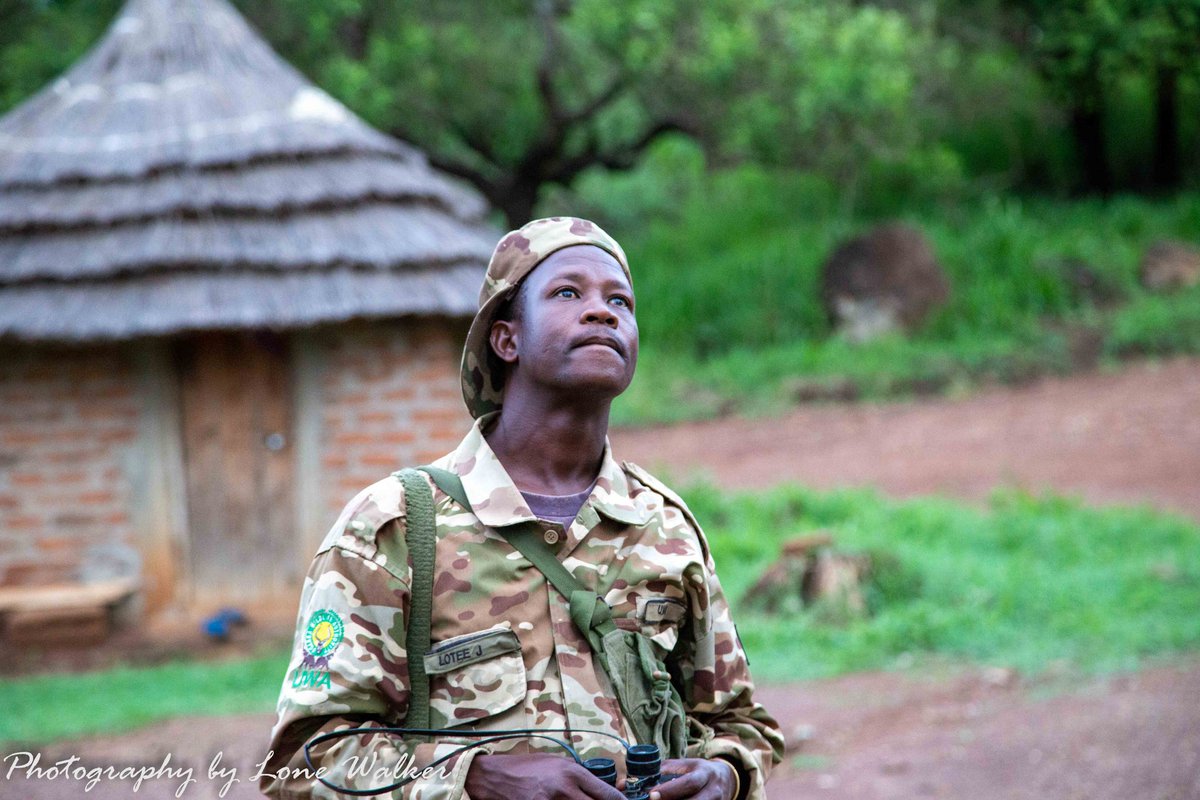
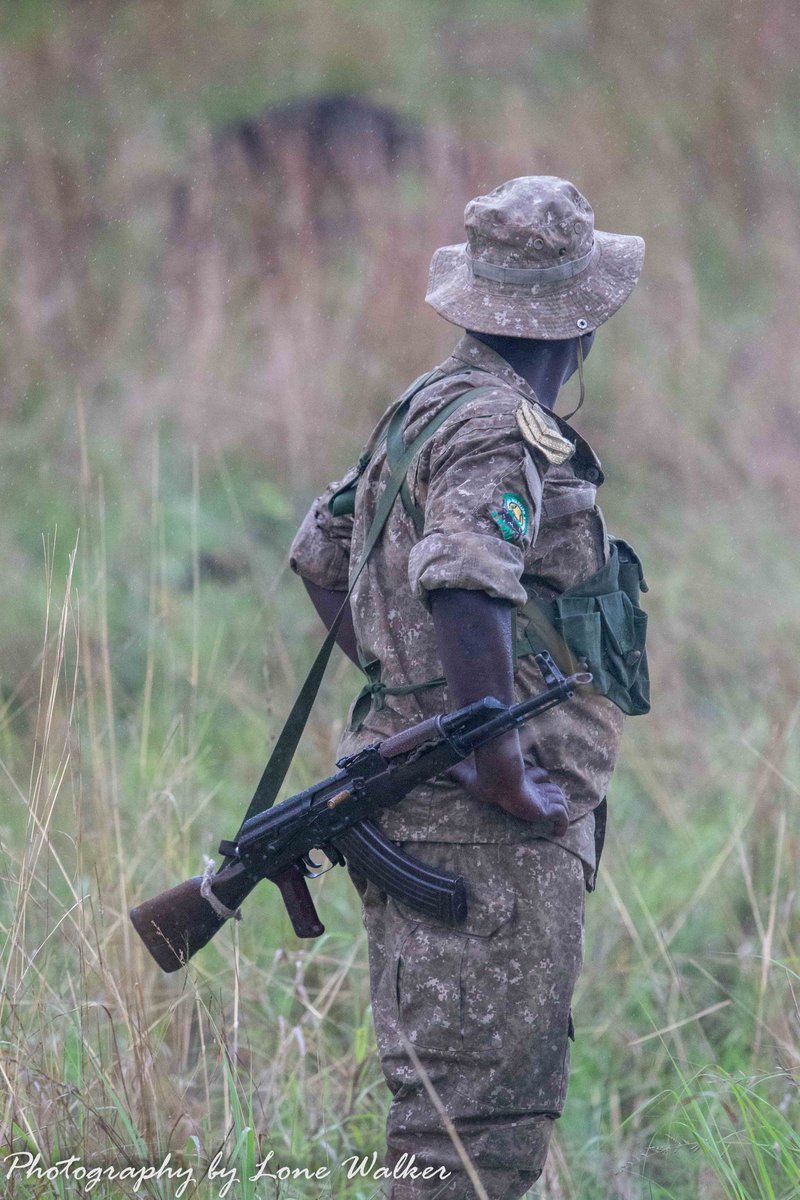
On this World Ranger Day, we honor the courageous men and women who stand as the first line of defense for Uganda’s national parks.
Through scorching heat, relentless rain, and countless unseen sacrifices, our rangers protect the wildlife, landscapes, and natural heritage that define our nation. Their commitment ensures that future generations will inherit thriving ecosystems rather than memories of what once existed.
Today, we celebrate not only their bravery, but also their unwavering dedication to conservation.
Thank you, Uganda’s rangers—our silent guardians of the wild.
For a long time, some Ugandans have been conditioned to believe that being Black is somehow synonymous with being unattractive. It’s an unfortunate mindset that has been reinforced through colonial history, media representation, colorism, and the glorification of lighter skin. Yet when you step back and understand the science and history of our skin, you realize there is absolutely nothing inferior about it.
Our skin complexion is not an accident. It is one of humanity’s greatest evolutionary adaptations.
The darker pigmentation of our skin is due to higher concentrations of melanin, a natural pigment that protects us from the intense ultraviolet (UV) radiation found in tropical regions like Uganda. Melanin reduces DNA damage from the sun, lowers the risk of skin cancers, helps preserve folate—an essential vitamin for healthy pregnancies and cell development—and allows our bodies to thrive in environments where sunlight is abundant.
In other words, our skin is not a flaw to be corrected. It is a masterpiece shaped by thousands of years of adaptation.
The same environment that shaped our skin also blessed us with natural resources that have nourished and protected it for generations. Take Nilotica Shea Butter from Northern Uganda and South Sudan, for example. Long before the modern cosmetic industry discovered it, our communities were already using it to moisturize, heal wounds, soothe burns, reduce inflammation, protect infants’ skin, and keep the skin healthy in harsh climates. Today, science continues to validate many of these traditional uses because of its rich content of vitamins A, E, F and K, essential fatty acids, and anti-inflammatory compounds.
When we embrace our natural skin and care for it using the resources our ancestors trusted, we celebrate both our biology and our heritage.
Even within Uganda, our skin tones are beautifully diverse. People often assume all Black people have the same complexion, yet our country alone tells a different story. Communities living in different ecological zones may exhibit subtle variations in skin tone influenced by generations of adaptation, genetics, and the intensity of sunlight. You’ll often notice lighter shades among some populations in cooler highland regions, while communities in hotter, lower-altitude areas such as Ntoroko or Sembabule may generally have deeper pigmentation. Of course, there is enormous variation within every region because genetics is complex, and no single district or ethnic group has one “correct” complexion.
Growing up in Northern Uganda, many of us also trace ancestral roots to populations in present-day Sudan and South Sudan. Those regions have experienced intense equatorial sunshine for millennia, and the deep melanin pigmentation common among many of their populations reflects that long evolutionary history. Rather than seeing this as something to hide, it is something to understand and appreciate.
Why does this conversation matter?
Because I remember being insulted for my skin tone while growing up.
Like many children, I encountered words intended to make me question my appearance and my worth. But over time, I came to realize that those insults were born out of ignorance, not truth. They never stopped me from loving who I am. If anything, they taught me to appreciate my identity even more.
Today, I don’t see my complexion as something that needs validation from anyone else. I see it as a story—one written by nature, evolution, culture, and ancestry. It connects me to generations that survived, adapted, and thrived under the African sun.
So instead of teaching our children that beauty has a particular shade, let’s teach them the science behind our skin, the history behind our identity, and the pride that comes with understanding who we are.
Black is not ugly.
Black is not a deficiency.
Black is adaptation.
Black is resilience.
Black is heritage.
And above all, Black is beautiful.