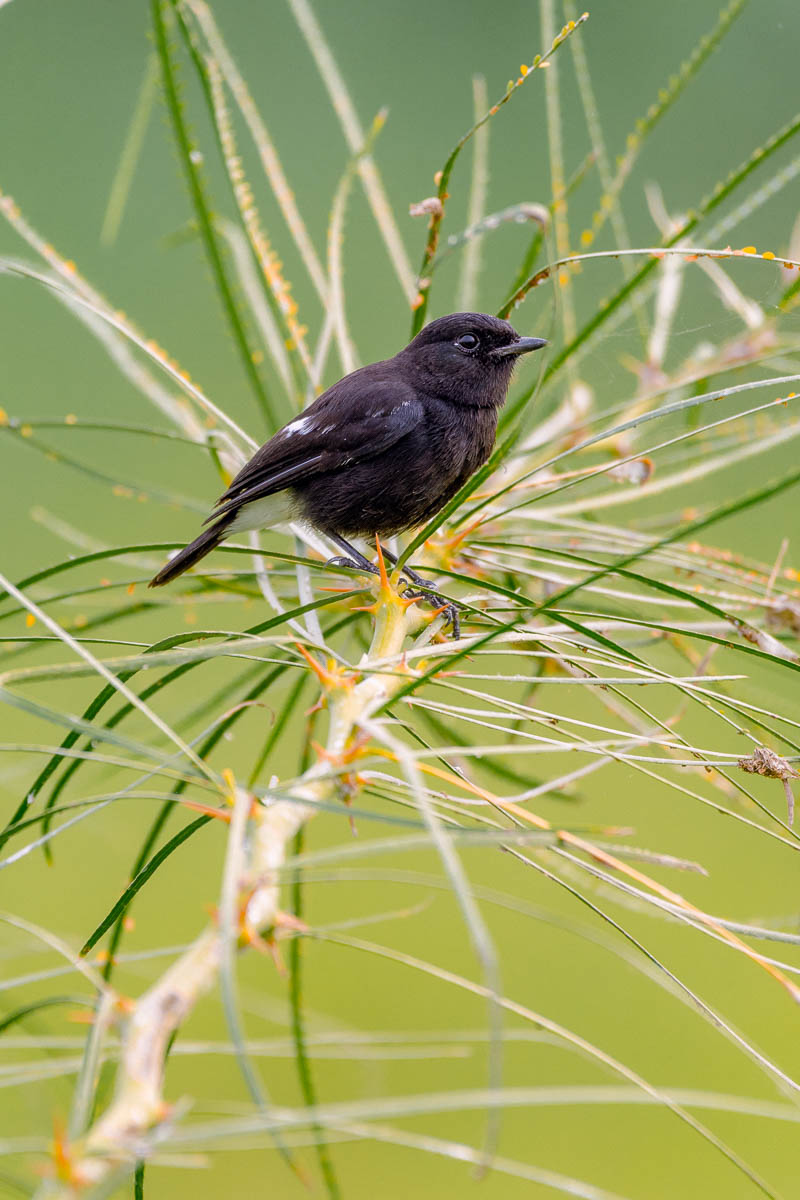
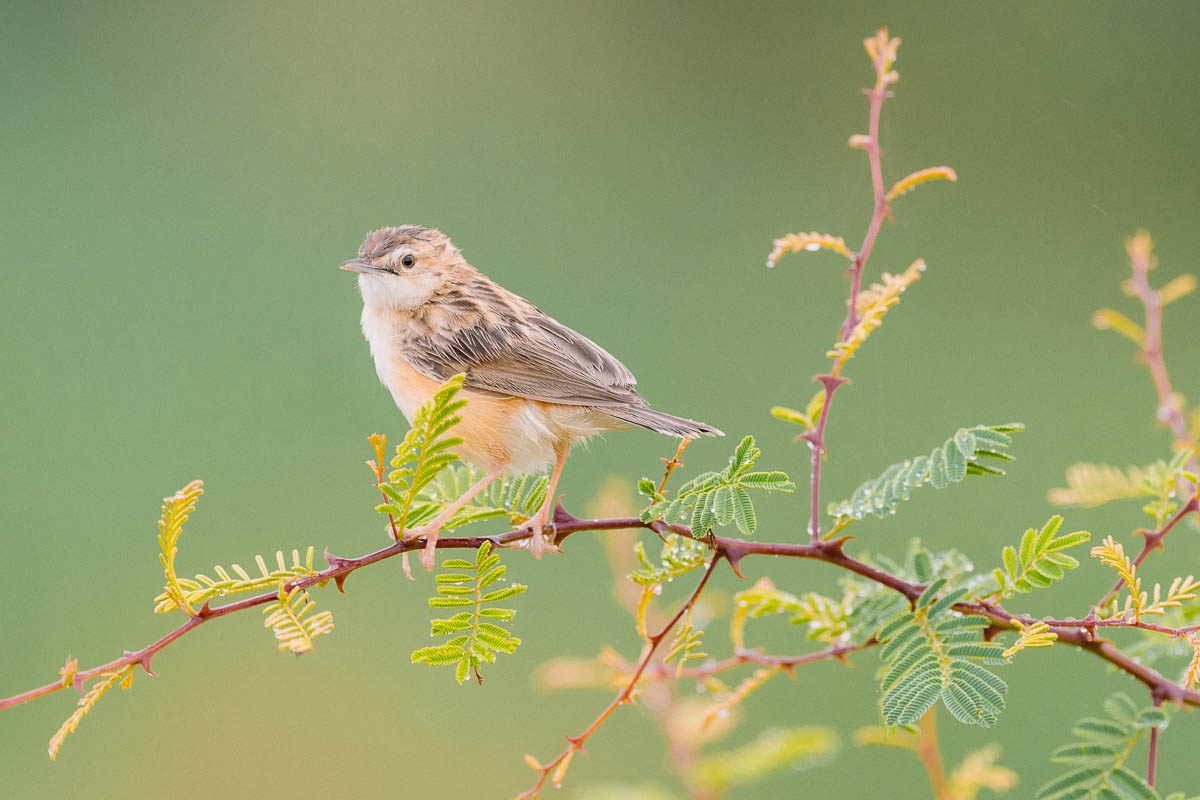
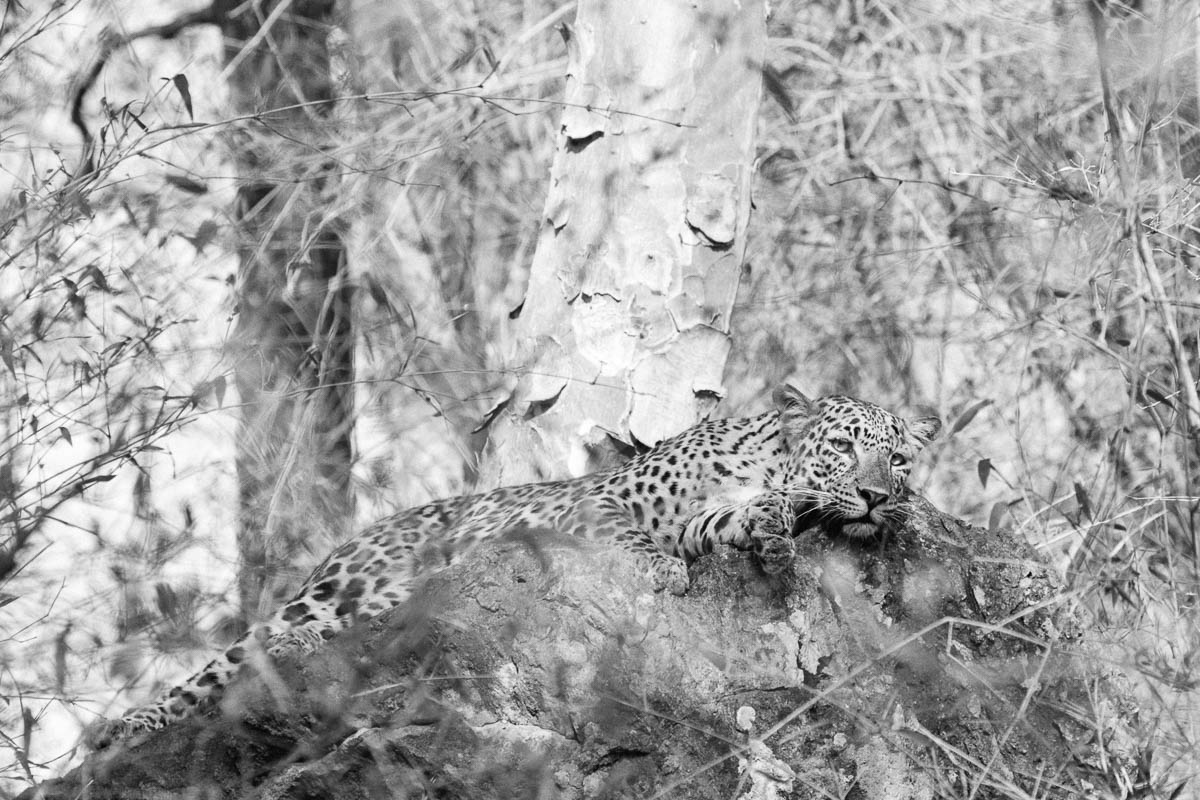
The 3 seconds that changed my safari photography 🦁
Before I press the shutter, I pause for three seconds.
1️⃣ Check the background.
Is it clean? Is it distracting? A simple background makes your wildlife subject stand out.
2️⃣ Wait for eye contact.
The eyes make the photo. Whether you're photographing birds, big cats, elephants, or any wild animal, sharp eyes create a powerful wildlife portrait.
3️⃣ Anticipate the moment.
A head turn. An ear twitch. A wing stretch. The moment before the moment is where the magic happens.
Three seconds. That's all it takes to go from a snapshot to a portfolio-worthy wildlife photograph.
📌 Save this for your next safari, birding trip, wildlife photography adventure, or nature photography outing.
If you want to improve your wildlife photography, bird photography, safari photography, camera settings, composition, autofocus techniques, ethical wildlife photography, and fieldcraft, you'll find more free resources in the link in my bio.
#WildlifePhotography #BirdPhotography #NaturePhotography #IndiAves #theme_pic_India @SanctuaryAsia
The Tennis Serve Principle for Wildlife Photography
@andyroddick's serve hit 155 mph... because he controlled every variable before the ball left his hand.
In tennis, the serve is everything.
You control the pace, the angle, the spin.
In wildlife photography, your "serve" is preparation.
Settings dialled in.
Position locked.
Background chosen.
When the animal arrives, you're already in control of the rally.
Serve first. Win the point.
#Wimbledon #Wimbledon2026 #wildlifephotography #birdphotography #wildlifephotographytips #TennisTwitter
Why Doubles Partners Are Better Wildlife Photographers
Watch the Bryan brothers at @Wimbledon... doubles players don't play alone, and neither should you.
Singles players trust their own instincts.
Doubles players trust the system.
They communicate. They cover each other. They move as one.
In wildlife photography, your "doubles partner" is your skills.
Settings locked. Position chosen. Eyes scanning.
You and your camera working as one.
That's when the magic happens.
Find your doubles partner. Trust the system.
#Wimbledon #Wimbledon2026 #wildlifephotography #birdphotography #wildlifephotographytips #tennistwitter
Federer's Footwork Fixed My Bird Photos @rogerfederer
FEDERER doesn't just watch the ball.
He watches his opponent's body... the shoulder, the hips, the racket angle.
By the time the ball leaves, he's already moving.
In bird photography, I do the same.
I watch the head turn, the wing lift, the shift in weight.
By the time the bird takes off, I'm already tracking.
Anticipation is the shot.
Read the game. Win the frame. @Wimbledon
#wimbledon #wimbledon2026 #wildlifephotography #birdphotography #wildlifephotographytips
Wildlife Photography is Like Wimbledon
What do tennis champions and wildlife photographers have in common?
Watch Sam Querrey at Wimbledon. @NothingMajorPod
He studies the grass. He knows how the ball will bounce before it lands.
In bird photography, I do the same thing.
I read the perch, the flight path, the light.
By the time the bird arrives, I already know where it's going.
Anticipation beats reaction every time.
Play like a champion: anticipate, don't react.
#Wimbledon #Wimbledon2026 #TennisTwitter
#wildlifephotographytips #birdphotographytips #IndiAves #theme_pic_India
Tennis taught me more about wildlife photography than any camera course.
Watch @DjokerNole play at #Wimbledon
He doesn't chase the ball, instead he reads the court, anticipates movement, and positions himself before the shot even happens.
Wildlife photography works the same way.
Stop chasing your subject.
Find a good spot, read the light, and wait for the moment to come to you.
The best wildlife photographers play the long game.
Save this reminder.
#wildlifephotography #birdphotography #tennistwitter #Wimbledon2026
Don’t Let Twig Obstructions Ruin Your Bird Photography Shots
That dream bird is in front of you… blocked by a messy branch. Don’t delete the shot just yet.
Here are three practical approaches to handle this common challenge:
- Wait for the right moment — Birds rarely stay still.
- Patience often rewards you with a clearer perch.
- Move to a better angle — Small steps left, right, up, or down can dramatically change the alignment.
- Embrace the branch — Use it creatively for natural framing and added depth. Some of the most authentic shots include the environment.
Mastering this decision separates good photographers from great ones.
Tell me in the comments: Do you usually delete the branch (in-camera or in editing) or keep the depth and story it adds? 👇
#WildlifePhotography #BirdPhotography #WildlifePhotographyTips #BirdPhotographyTips #PhotographyTips #NaturePhotography
Master Crocodile Photography from a Safe Distance with the Nikon 500mm PF
Getting close to crocodiles is never worth the risk. The real pros create jaw-dropping images while staying well out of striking range.
With the Nikon 500mm f/5.6E PF (lightweight, sharp, and easy to handhold for long periods), you can capture powerful eye-level portraits, behaviour shots, and environmental compositions from a safe distance
#wildlifephotography #wildlifephotographytips #birdphotography #photographywebinar #wildlifephotographyworkshop
Why aren't your wildlife photos sharp?
Join me live for a 90-minute webinar where I'll show you exactly how to fix that.
What you'll learn:
✓ Camera settings that actually work in the field
✓ How to use light and backgrounds to your advantage
✓ Reading animal behaviour to anticipate the shot
✓ Composition techniques that make images click
✓ Live Q&A — bring your questions
No confusing jargon. No unnecessary theory. Just techniques that work.
📅 28 June 2026 | 4 PM IST 🌍 Available worldwide
This is for you if you love wildlife photography but feel frustrated that your images aren't turning out the way you see them.
Registration closes soon.
DM me "SHARP" to save your spot 👇
#wildlifephotography #wildlifephotographytips #birdphotography #photographywebinar #wildlifephotographyworkshop
The Truth About Bird Photography: Expectations vs Reality
Most people scroll past those perfect, tack-sharp bird shots on Instagram and think, “Wow, what gear did they use?”
The real answer? Hours (sometimes days) of waiting in freezing cold, mosquito-infested hides, or scorching heat. Missed shots because the bird turned at the wrong second. Batteries dying. Rain-soaked gear. And that one magical moment when everything aligns.
This is the real breakdown: the patience, the frustration, the heartbreak… and the pure adrenaline when you finally nail that frame.
Whether you're a beginner with your first telephoto or a seasoned pro, your most important piece of gear will always be patience.
Drop a 🔥 if you've ever waited hours for one shot. What's your longest wait for a single image?
Follow for more raw, honest stories from the field.
One of the simplest and most effective bird photography tips is to simplify the frame 🐦 #birdphotographytips#photographytips
In bird photography, a clean perch, a soft background, and a clear view of the subject can do a lot of heavy lifting. This image works because the frame is easy to read. The bird stands out immediately, the perch does not distract, and the background does not compete for attention. The result is a cleaner, stronger wildlife photograph.
For photographers learning bird photography for beginners, this is one of the most practical photography tips to apply right away. You do not always need a rare subject, dramatic light, or expensive equipment to make a satisfying image. Often, what you need is better separation, cleaner framing, and a more disciplined composition.
Simplicity is not the same as emptiness. In wildlife photography, simplicity often means clarity. It means the viewer knows exactly where to look and why the image works.
I teach this kind of practical composition in my one-to-one wildlife photography workshops, where I help photographers build confidence with bird photography, framing, clean backgrounds, and real-world field decisions. If that sounds useful, the details are in the link in bio.
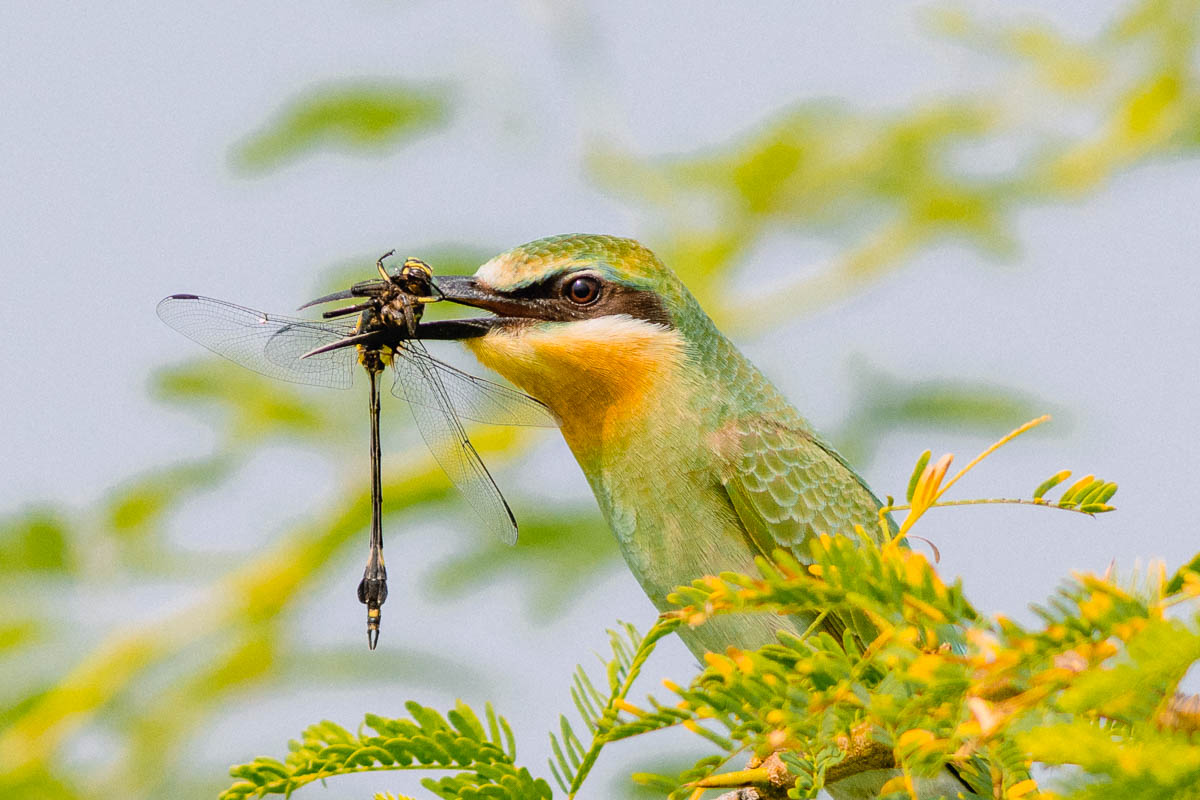
One of the best bird photography tips I can offer is this: do not stop at a pretty perch if the behaviour is still unfolding 🪶 #IndiAves#birdphotography
A lot of bird photography becomes more powerful when it moves beyond appearance and starts showing behaviour. In this image, the bird holding a dragonfly turns the frame into more than a portrait. It becomes a moment about feeding, survival, timing, and action. That extra layer is what often makes a wildlife image memorable.
For photographers working on bird photography for beginners, this is an important lesson. It is easy to take a photo the moment the bird lands and move on. But if you stay a little longer, observe carefully, and anticipate what might happen next, you often come away with something stronger. Behaviour gives the viewer a reason to pause.
This is why patience is one of the most underrated wildlife photography tips. Camera settings matter, of course, but observation matters just as much.
I cover this kind of practical thinking in my one-to-one bird photography and wildlife photography workshops, where I help photographers improve not only technical skills but also timing, fieldcraft, and visual storytelling. Details are in the link in bio.
One of the most useful wildlife photography tips and bird photography tips I can share is this: pay serious attention to the background before pressing the shutter 🐦 #IndiAves#theme_pic_India
In bird photography, people often get excited when they spot a subject and shoot immediately. But a strong image depends on more than just finding the bird. The reeds, colours, light, foreground, and background all affect whether the photograph feels clean or cluttered. In this frame, the bird stands out because the background is soft, simple, and supportive. Nothing competes too hard for attention.
For anyone learning wildlife photography for beginners, this is one of the fastest ways to improve your results. You do not always need better gear. You often need a better angle, a calmer background, or a little more patience before taking the shot.
A good wildlife photograph is easier to read. A better bird photograph is often quieter, simpler, and more intentional.
I teach ideas like this in my one-to-one wildlife photography workshops, where I help photographers understand composition, clean backgrounds, fieldcraft, and practical decision-making in the field. Details are in the link in bio.
Wildlife in monochrome strips away distraction.
No colour to lean on. Just light, texture, and intent.
Fur becomes form. Feathers turn into patterns.
#wildlifephotography#birdphotography
https://t.co/Iz0VtEC3xA
It was a bitterly cold January afternoon in Bharatpur Bird Sanctuary, Rajasthan. My hands felt like blocks of ice, and I kept rubbing them together, muttering, “Why do we do this to ourselves?” ❄️ #IndiAves#theme_pic_India
Deep down, though, I knew exactly why.
We hadn’t seen the sun for two days in Keoladeo National Park. Thick winter clouds had spread across the Rajasthan sky, turning the light soft and diffused. For wildlife and bird photography, this kind of natural light is a gift. The soft even tones bring out feather detail beautifully, especially in small birds.
I was sitting low in a boat, drifting quietly through one of the wetland canals of Bharatpur. The air was still. The winter silence felt almost sacred. Bird activity in the sanctuary was unusually slow, as if even the birds were hiding from the cold morning mist.
Just as I began to accept it might be a quiet day of birding in Bharatpur, a tiny voice broke the silence.
“Chiff-chaff… chiff-chaff!”
Clear and persistent, it sounded as though the little migratory warbler was calling out from the reeds, asking not to be missed.
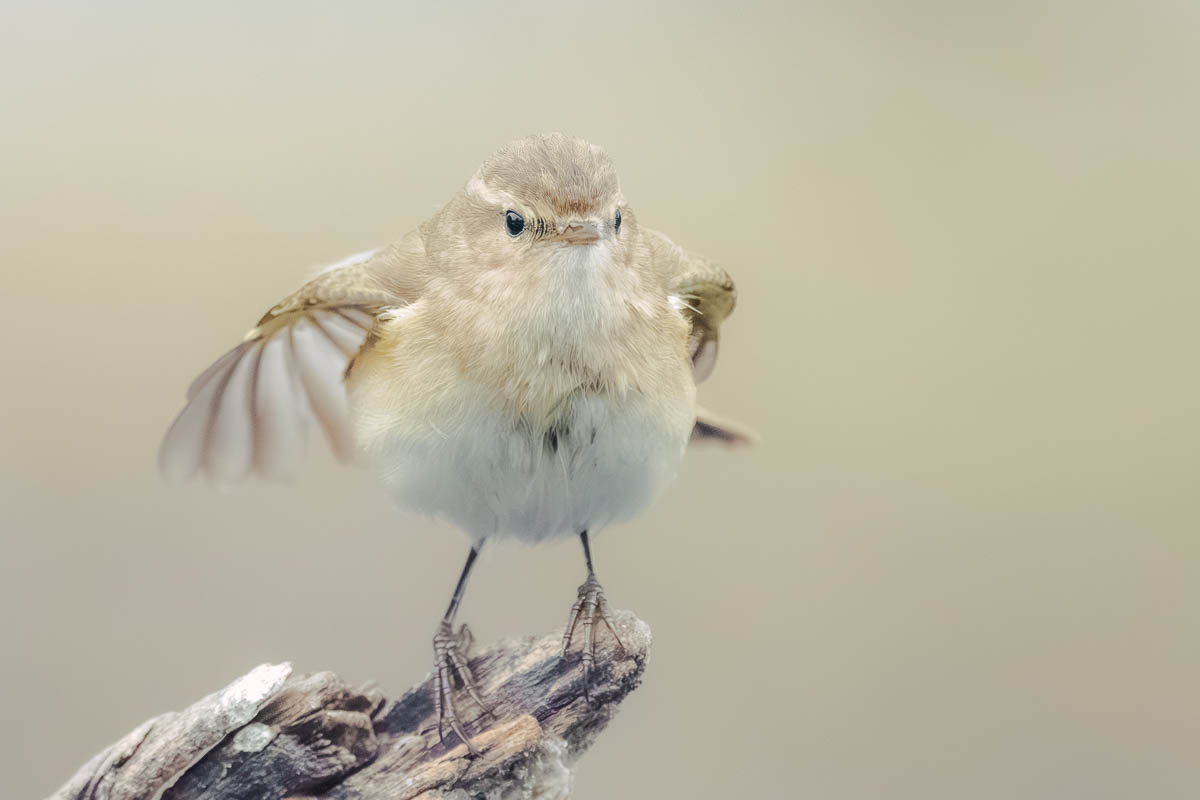
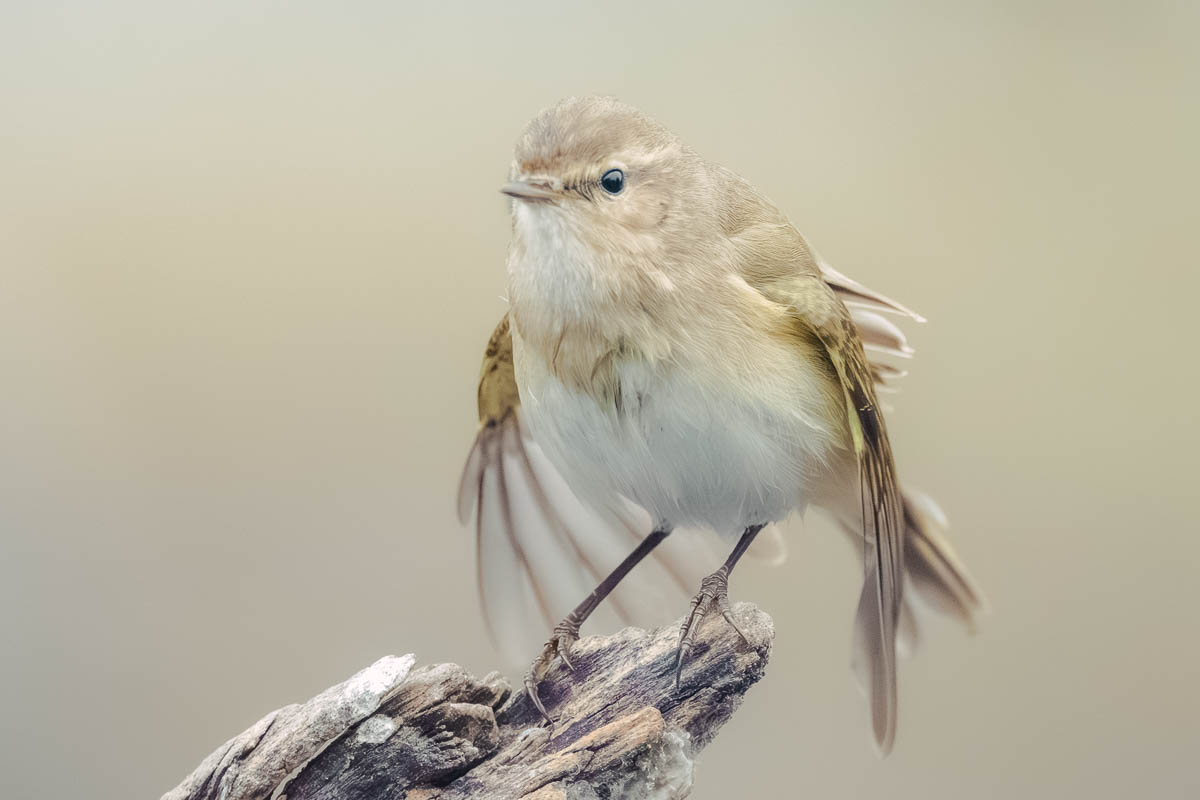
I scanned the bare branches and soon found him. A restless common chiffchaff, darting from twig to twig with endless energy. So tiny, yet so full of life. Its olive-green plumage glowed softly in the flat winter light, perfect for detailed bird portraits.
I quickly raised my camera and set a fast shutter speed of 1/3200s to freeze the movement. That pushed my ISO to 6400, which naturally introduces grain in wildlife photography, especially in low light. But sharpness matters more in moments like this, and modern noise reduction in Lightroom makes these high ISO bird photos surprisingly usable.
And what a moment it became.
At one point, the little bird burst into a hilarious preening routine — wings stretched at odd angles, body twisted into the most awkward shape. I could not help smiling behind the camera. It looked like a tiny over-caffeinated gymnast performing on a branch.
It paid no attention to me and carried on with its cheerful chiff-chaffing, filling the cold Bharatpur wetlands with life.
I left Keoladeo that day with a handful of bird photographs I will always treasure. The tiny song of that chiffchaff still lingers in my memory whenever I think of winter birding in Rajasthan.
What I would rather forget is the bone-deep cold of that January boat ride in Bharatpur — the kind of cold that slips through your jacket, settles into your fingers, and stays with you long after the birding ends.
I was standing in an open field near Pune, Maharashtra, searching for rain quails, when a sharp, repetitive “tsik-tsik-tsik-tsik” kept cutting through the background 🌧️ #theme_pic_India#IndiAves
At first, it barely registered — just another sound blending into the monsoon landscape.
As I waited patiently for the elusive quail, I turned to my guide, Shankar.
“What bird is making that call?” I asked.
“Cisticola,” he replied with a smile. “It’s very small. Haven’t you seen it yet?”
“No,” I admitted.
He laughed softly. “Come, let’s go. They’re right there on those little plants. It’s such a common bird — I thought you’d already spotted it.”
And there it was.
Perched delicately on a slender grass stem, the tiny cisticola was so light that the stalk bowed gently under its weight. Bold and energetic, it flicked its tail with every call, its fine dark streaks standing out beautifully against the lush green of the monsoon fields.
I couldn’t help but smile. For such a small creature, it seemed to fill the entire field with life and cheer — almost as if it were letting me in on a delightful little secret.
Behind the scenes moments and camera settings for photos of hyenas at River Chambal 🫧 #IndiAves#wildlifeindia#NatureLoversIndia
Watch the full video: https://t.co/9DM4cWUTem
Kumbhargaon is a quiet village about five hours from Mumbai. In December 2019, unexpected rain had swept through, turning the dry landscape lush and green once again 🐦 #IndiAves#theme_pic_India#birdphotography
A bushchat perched low, almost at eye level with me, brimming with life among the fresh leaves. Its striking black-and-white feathers caught the sunlight beautifully, while its sharp eyes scanned the surroundings with quiet alertness.
I watched as it launched into short, graceful flights, chasing insects in quick bursts. After each hunt, it would return to a thin twig, pause for a moment, and look around before taking off again — like a small, rhythmic dance.
I clicked away gratefully, capturing the moment. Though small, the bushchat moved with complete authority over its little patch of land.
My naturalist leaned closer and whispered, “Bushchats often return to the same perch repeatedly. If you stay still and avoid sudden movements, they’ll keep you company for hours.”
I smiled and whispered back, “Then let’s not rush him. His world will open up if we give it time.”
While the bird was away on one of its flights, I shifted my position ever so slightly — just a few inches. When it returned and landed, the background had transformed completely, almost like an entirely new scene. I was amazed at how such a small movement could make such a big difference.