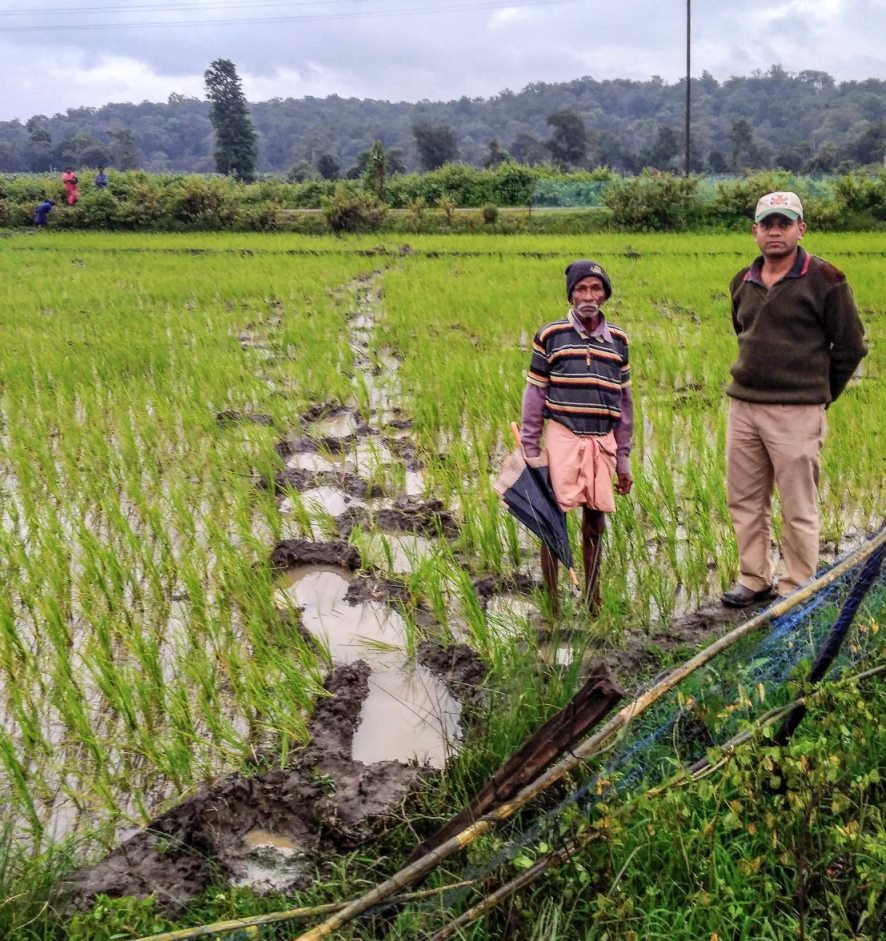
A simple mobile phone system with a toll-free hotline and field staff helps villagers near two Indian parks report crop/livestock damage and receive compensation. A big deal for poor farmers that aims to increase tolerance of wildlife. https://t.co/nrIr7ZbxXZ
The searchable ID-RECCO database of 467 forest carbon emissions reduction initiatives in 57 countries now available at CIFOR.
The free, online tool compiles project goals, partners, funding, activities, etc on #REDD+ projects, all in one place. https://t.co/5GK6UIwmSK
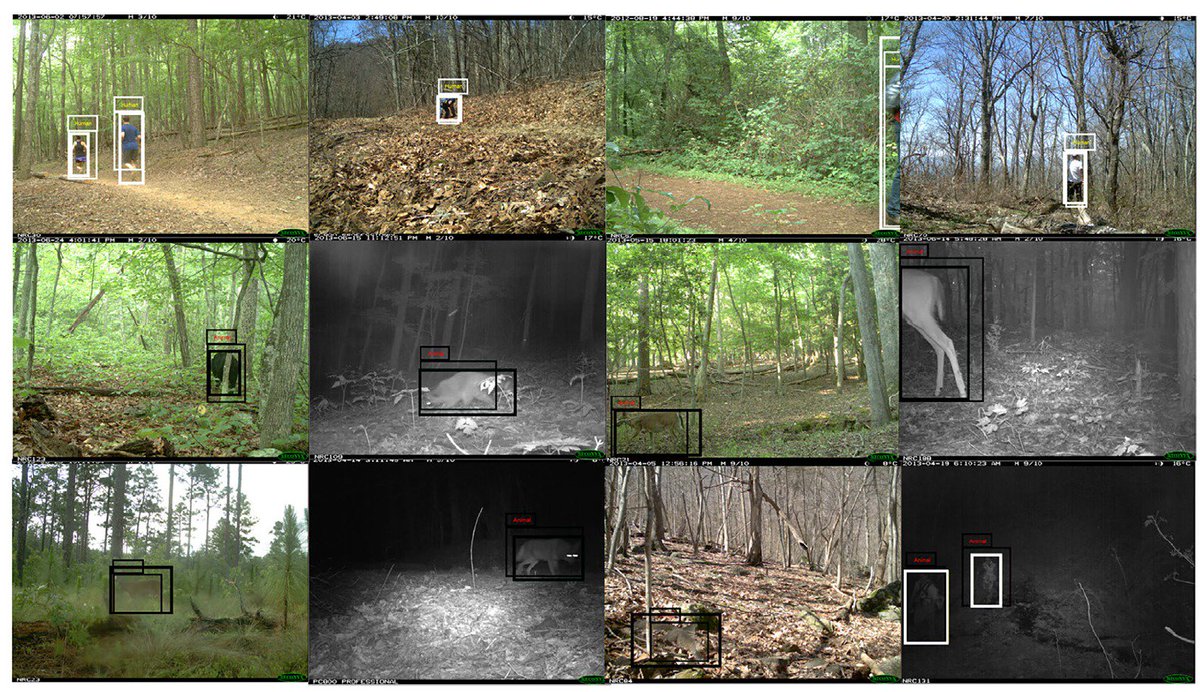
The first step to using #AI to ID species in camera trap photos is to figure out where the animal in inside the frame. Our new approach led by @HayderYousif23 is a big step towards total automated image processing.
#tech4wildlife#bigdata
https://t.co/PlRZFh34Sq
If you’re using technology to blaze trails in the fight for biodiversity, Microsoft and @InsideNatGeo can help with an #AIforEarth Innovation Grant. Apply by Oct. 8 at https://t.co/DpoWPRKAro
Researchers predicted distributions for 2 spider species, combining museum collections & data from online citizen science databases, comparing them to climate data, & mapping areas of suitable conditions. Research benefits from citizen science efforts. https://t.co/xAabu0uyeV
Pondweed. Not on everyone's radar, but presence of certain species indicates water conditions and quality. Now it & other plants may be easier to survey, even when you can find them, using environmental #DNA.
https://t.co/FOUSjBrYcq
Whale sharks on the move!
Four research teams tracked young whale sharks in the Philippines and off East Africa and found that juvenile sharks moved quickly and widely along the coast but remained near their feeding sites. #LocalConservation needed.
https://t.co/Fz4JVgK7mA
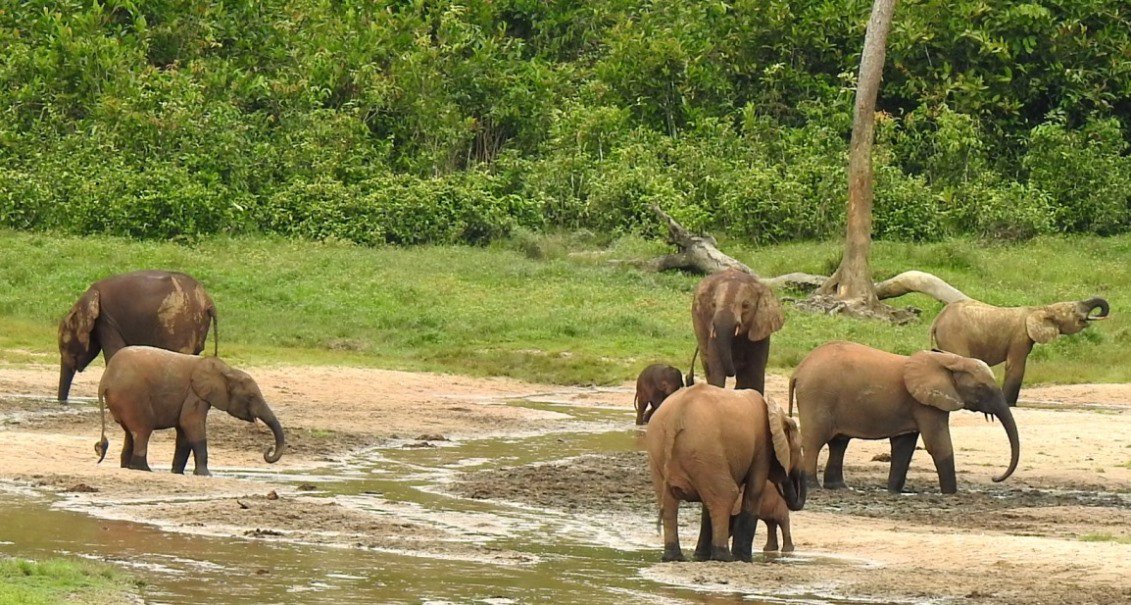
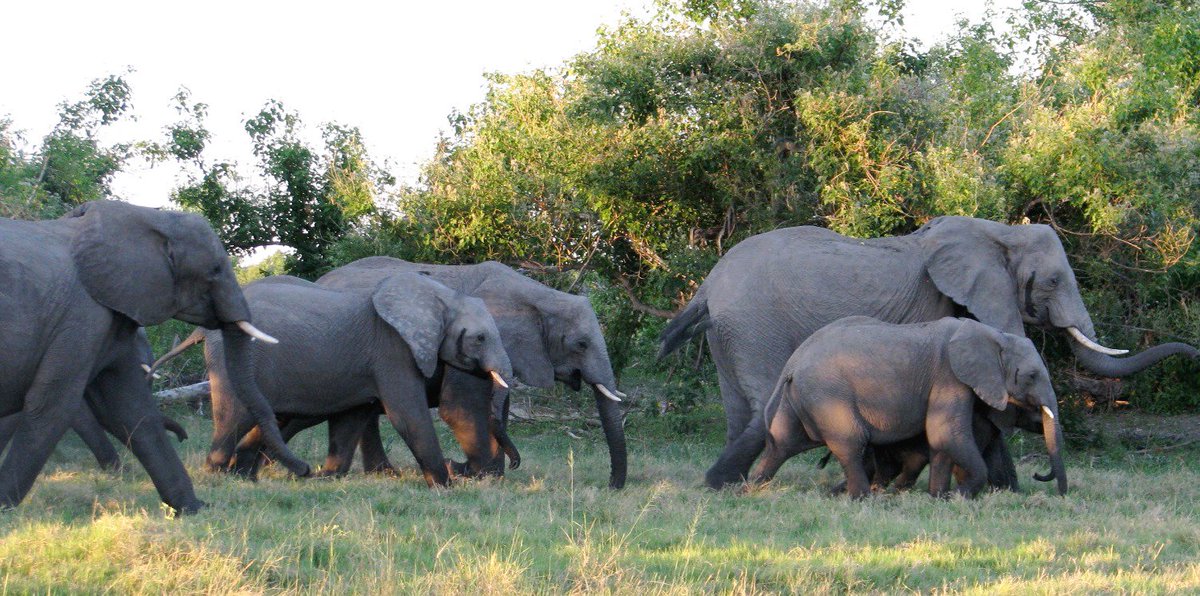
It's World Elephant Day--DNA shows forest & savanna elephants are distinct species that hybridize when big males travel to find new females & move DNA around. Go males! Forest ellies are HUUGEly important for dispersing large rainforest tree seeds. https://t.co/JwDxOAbc9J
Time-lapse cameras at #penguin colonies monitor nesting success across the Antarctic. 50k volunteers have annotated > 6 million penguin photos, a large data set that could help train #AI algorithms to take on the annotation work in the future. https://t.co/iKmWZ84RhA
An assessment of 26 LEDs can help designers and officials install low-cost, energy-efficient outdoor lamps less likely to harm wildlife. It suggests yellow-green & amber LEDs have least effect on birds, fish, insects, sea turtles etc. https://t.co/zjdAzdBPCS
#elephants create and likely perceive inaudible seismic waves when they walk or rumble, suggesting they use them to communicate. Cars and other low-frequency human noise can affect these signals. https://t.co/RPBRufM3D8
Cutting-edge machine learning can count and identify wildlife and their behaviors in camera trap photos. Could soon save wildlife researchers time and money, while catalyzing new uses of remote camera photos.
https://t.co/CRfBl2IZGc
New camera surveillance system uses #AI & real-time image transmission to help rangers ID potential #wildlife poachers. Despite challenges with installation and algorithms, a Tanzanian game reserve has used them to photograph 40 intruders, arresting 13.
https://t.co/NmjrCg0rbs
New Global Forest Watch fellowship of training in data/mapping tools + stipend to help people working to protect tropical #forests. Apply by 15 June, notifications 1 July. https://t.co/pZX9fsa8Jt
Grants of access/training in Microsoft's cloud-based data storage, management, and analysis to projects addressing climate change, protecting biodiversity, improving agricultural yields, and lessening water scarcity. https://t.co/UtbU08rmeP
Five Central African countries are joining forces to fight #wildlifecrime through the Africa-TWIX secure mailing list and database.
https://t.co/lNNsXygBiL
Mara Conservancy wardens use an app to to check tourist tickets through vehicle license plate numbers, which saves them time, reduces cheating and enables the Reserve to retain its revenue.
https://t.co/zE5t6bowNC
New research suggests that #elephants produce distinct seismic vibrations through different behaviors. They can also perceive the differences from at least 1 km away, suggesting they use vibration patterns to communicate.
https://t.co/oQNvdXS9X3