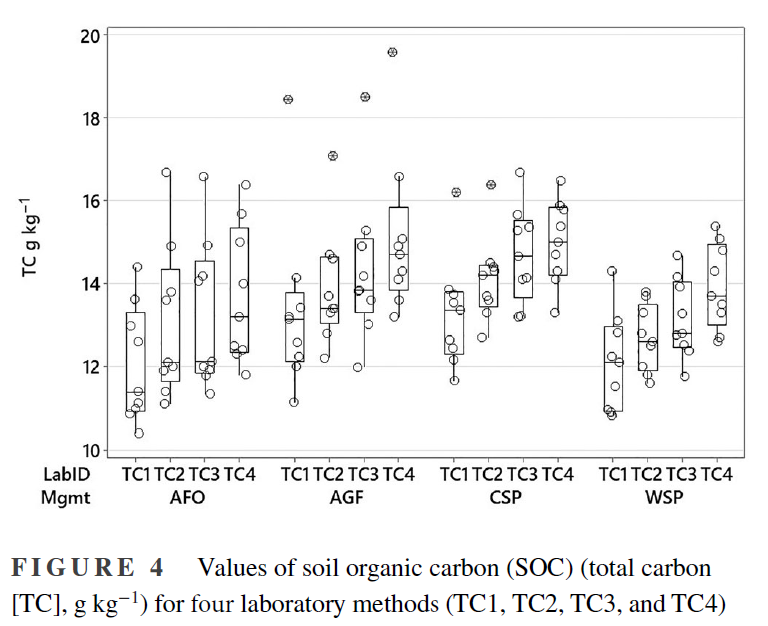
Our paper just out shows soil carbon analysis is challenging but manageable : 4 labs and 4 management systems (Agronomy Journal https://t.co/sMjFTbSH8o )
Interesting problem about why Dr. Sabine Hossenfelder took down a climate science video - for reasons different from what you think. https://t.co/X4526A7QCe via @YouTube
Secretary Rollins just labeled USDA-funded DEIA programs in the category with "far-left climate programs." This is the first time I have seen the USDA go overtly political like this. There is no far-left in America. https://t.co/Sld47rufoo
You can now watch my Berlin "Hero of Science" lecture on The Public Climate Debate here on video! I'm confident there's lots that you didn't know yet.
In case you'd like to check out my credentials, publications and awards➡️https://t.co/9NGIHoSNAa
Triggers for wheat-related disorders like baker’s asthma and non-celiac wheat sensitivity have not increased in modern wheat varieties.
https://t.co/QoAkmJNCba
End of Science? Our USDA-funded project "The Soil Carbon IDEA (Inclusion, Diversity, Equity, and Access)" was terminated by USDA ostensibly since "This award no longer effectuates agency priorities regarding diversity, equity, and inclusion programs and activities."
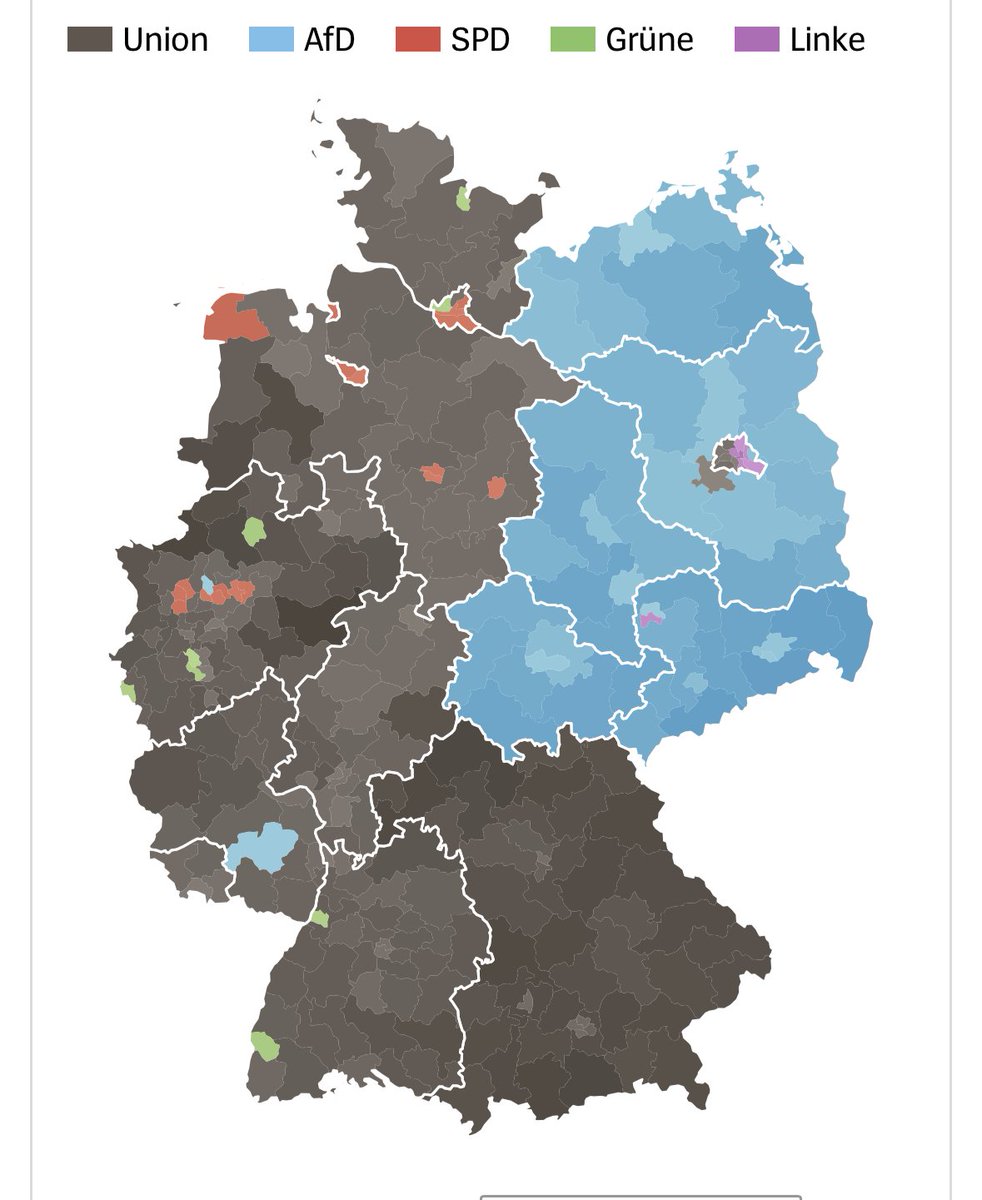
Former commies (East Germany) vote Fascist (Blue) - right on the boundary of the Freedom Wall. It shows you neither can be trusted and that extreme-left is also extreme-right!
Scientists believe it’s linked to over expansion of organic farming near urban areas. Organic farming is so inefficient—a 20%-40% yield lag—that over expansion in the organic sector has resulted in devastation of insect.
As consumer demand for organic food has surged—especially in urban areas where interest in sustainability and perceived health benefits are higher—more land has been converted to organic production. This expansion has led to unintended ecological consequences, particularly the loss of insect-rich woodlands and other biodiverse habitats.
Because organic farming requires more land to produce the same amount of food as conventional farming, forests, grasslands, and other ecosystems that support insects, birds, and wildlife are increasingly being cleared or fragmented to accommodate expanding organic farms.
Ironically, while organic farming is often promoted as an environmentally friendly alternative, the inefficiency in land use can exacerbate habitat destruction, reducing biodiversity and disrupting ecosystems. This is particularly problematic near urban areas, where land is already at a premium and natural habitats are under pressure from development. Scientists caution that without improvements in organic farming efficiency or better land-use planning, the continued expansion of organic agriculture could accelerate the loss of critical insect populations, which play key roles in pollination, soil health, and food chains.
Incensing the reliance on integrated farming ssyems could help mitigate the unintended ecological damage associated with large-scale organic farming near urban areas.