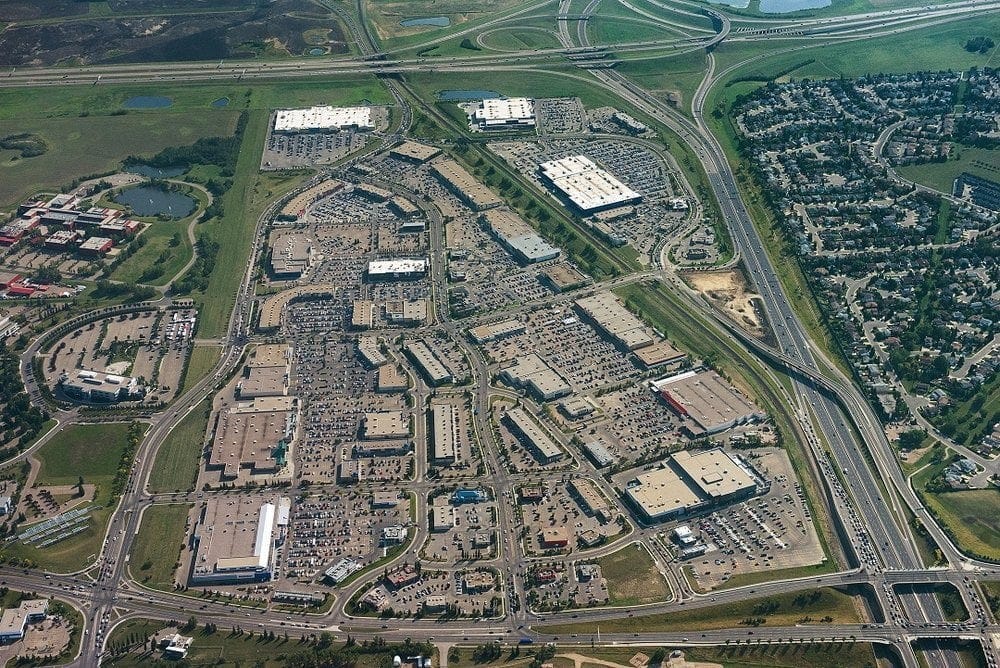
The Phoenix metro area's plan is to build another freeway just paralleling I-10 (State Route-30 or "Tres Rios Freeway"). Absolutely disastrous proposal.
Seoul demolished a six-lane elevated highway running through downtown in 2003. Engineers had predicted gridlock. They were wrong. Travel times across the city dropped. When every driver picks the same fastest route, removing it forces them to spread out. The rest of the city moves better.
In January 2006, Stockholm started charging drivers a small fee to enter the center at rush hour. Within a few weeks, 100,000 fewer car trips happened downtown each day. People shifted to trains, off-peak times, working from home, or skipping the trip. Congestion on the main roads fell 30 to 50 percent. Air pollution dropped, and childhood asthma attacks fell along with it. American economists confirmed the link in a 2018 study.
Singapore went earlier and harder. Their road toll system started in 1998, and the price changes every 30 minutes based on how fast traffic is moving. If a road gets too crowded, the fee goes up. If it's flowing fine, the fee drops. On day one, average rush hour speeds jumped from 35 to 55 kilometers per hour.
Tokyo bet on trains. Tokyo Metro moves 6.8 million riders a day. 99.8 percent of those trains arrive on time. On Japan's main bullet train route, the average delay is 1.6 minutes per trip across a full year.
Copenhagen rebuilt its streets for bikes. Almost half of all trips to work or school happen by bike. Bikes outnumber cars five to one. One bridge in the city center handles 40,000 cyclists a day.
Hong Kong took the most extreme path. 90 percent of daily commutes happen on public transit, the highest share in the world. Cars handle just 10 percent. The whole city is built around trains, buses, and minibuses.
The joke maps onto the answer. Every city that solved rush hour put fewer people on the road at the same time. They staggered work hours. They charged people to drive at peak times. They built alternatives that beat driving. In a few cases, they ripped out the roads.
The 5pm crush is a design failure. Cities that decided to fix it, fixed it.
The baked pavement under our feet may be giving us cancer - wonderful!
Even more reason to turn portions of our roads into "greenways" with trees, separated walking & bike paths, that become both parks and micromobility people-movers.
Forty percent of Phoenix is covered in asphalt — enough to pave over San Francisco four times. All that asphalt not only absorbs heat, but produces volatile organic compounds that cause lung cancer, according to Arizona State University research.
https://t.co/p4iTMMRMo1
@jahorne Fantastic trail system. You can bike from the city center into cornfields to country bars and restaurants, all on separated paths with tunnel crossings under arterials. I highly recommend it!
🌞 Relief is here! @AZGovResiliency's HEAR Program is now live for ALL eligible Arizona households. Rebates = lower bills, cooler homes, healthier air. Learn more: https://t.co/lP132jzsgs
This is good policy. We need to move away from human shelter being used as investment vehicles, sitting empty 90% of the time. Buy stocks, start a business, or if you want real property, buy a farm. Hoovering up housing in the hopes it will stay scarce is parasitic to cities.
@CompletedStreet Absolutely not, we need both, otherwise we're cooked.
You can't get the scale necessary with rooftop + carport solar only. But the land area needed for utility scale solar farms is not as scary as people think: https://t.co/4E4bv7OgT6
@spobiker@loganb Wouldn't it be better if the triplex had insulation? Not sure what I'm missing.
Single family homes aren't exempt from the energy code.
@stephen_richer Lazard's annual "Levelized Cost of Energy" (LCOE) report is the gold standard of cost comparison in energy. We still need 24/7 power, so storage and backup generation have to also be considered, but your "magic" statement missed the mark. Again thanks for what you've done for AZ
@stephen_richer You're one of AZ's best Stephen, and I'm excited for your new Republic column. I have to point out Lazard's annual cost of energy report found solar and wind as the most cost effective energy sources. https://t.co/lE5rQta1zk