When cells grow together, they often align with their neighbors, forming liquid crystal-like patterns known as “nematic order.” But that order isn’t perfect, and at certain points, the alignment can break down, creating “topological defects”: small regions where cells swirl or fan out instead of lining up cleanly.
And according to research published in Science, what looks like a defect can be used strategically as built-in instructions for shaping larger structures. Instead of growing upward, cells can store and release stress in certain places along a previously flat sheetlike structure, forming a bowl, a ridge, or a fold.
Learn more: https://t.co/OSMGhNzR6d
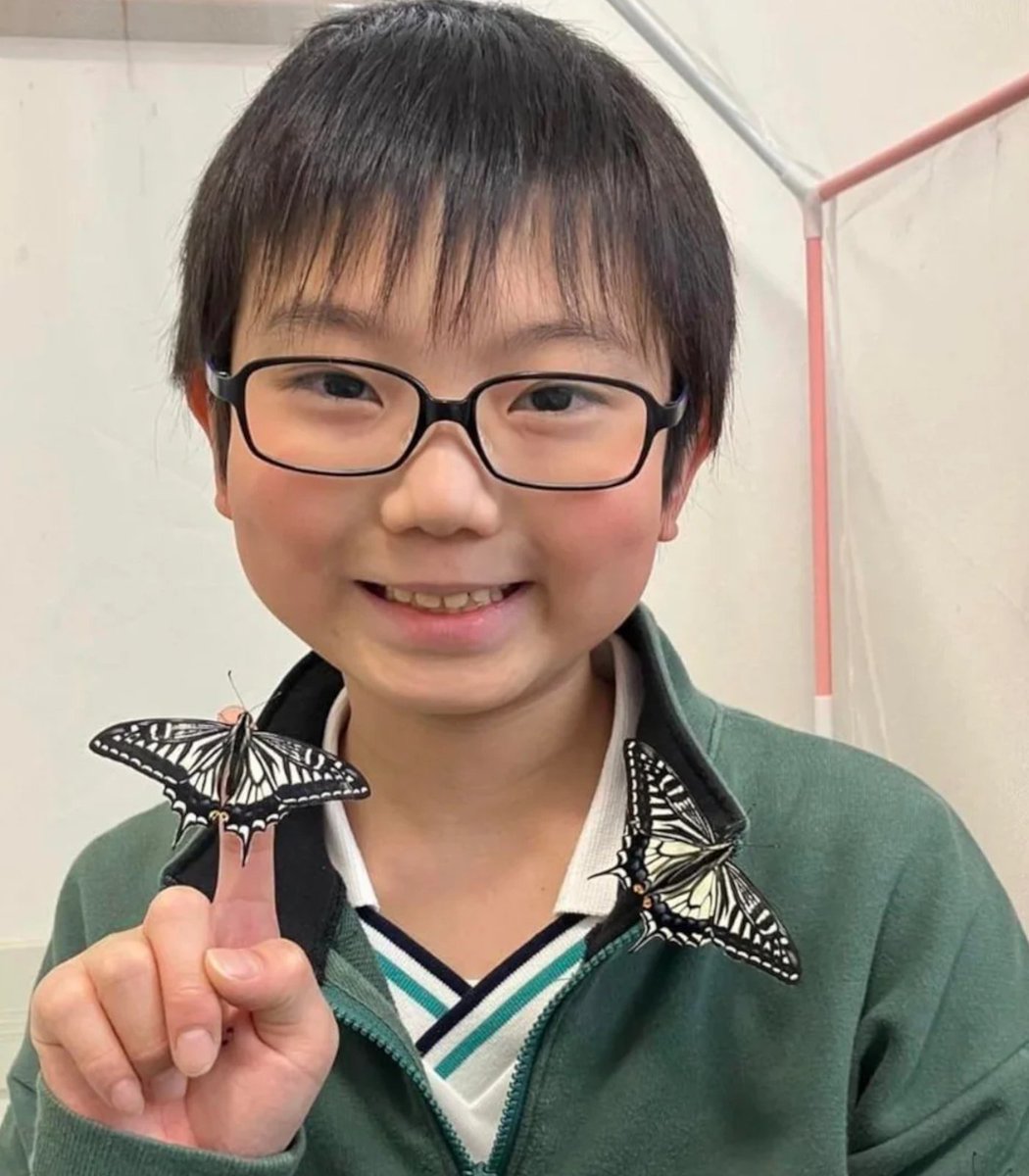
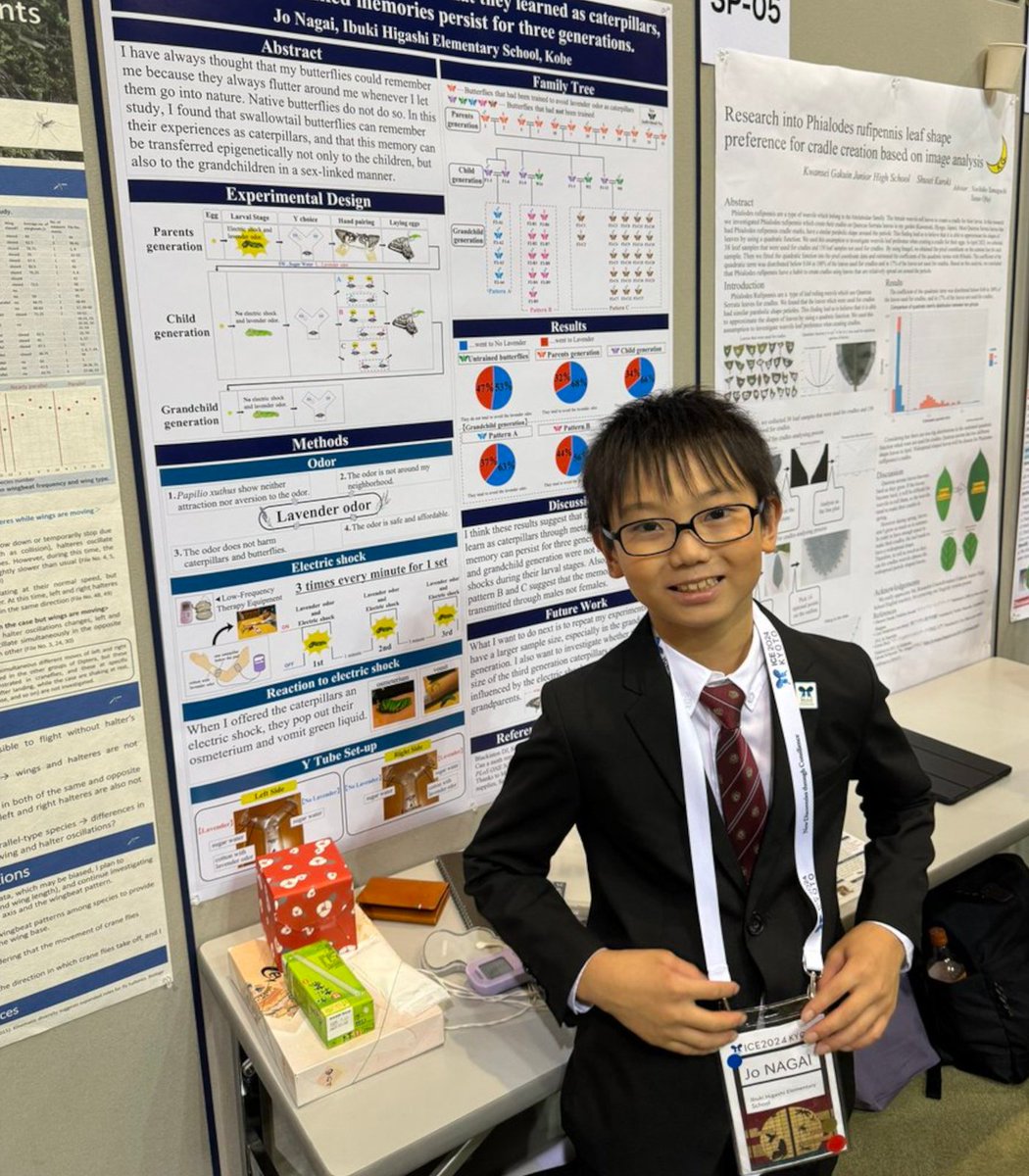
A 10 year-old boy from Japan discovered that butterflies can remember their time as caterpillars.
Jo Nagai noticed his caterpillars still loved him after turning into butterflies, and the affection he had for them led to a genuine scientific discovery.
Chemistry laureate Susumu Kitagawa shares how his love of chemistry started.
Watch the full Nobel Minds conversation from 2025: https://t.co/70xfZNdNaV
I said to my PI, I want to go do my postdoc, will you write a letter for me. And he wrote in my letter that I wasn't very creative .. I finally met with Magda and she told me she saw straight through the letter.
–Samantha Morris, Harvard Professor
@morris_lab@ZernickaGoetz
A new analysis in Science of more than 116,000 bird songs has revealed that the astonishing variety of passerine birdsong is built from just eight basic acoustic motifs, like trills, whistles, and harmonic notes.
The findings also reveal that local environments greatly shape how birds communicate around the world.
Learn more: https://t.co/3oaQ0sKQfJ
Discoveries can hide in plain sight. #HHMIInvestigator Steven Henikoff's lab found a surprise in old data: a region of ribosomal DNA producing microRNAs that can be associated with cancer, revealing a new role for part of the genome overlooked for decades: https://t.co/HCf46FYgBi.
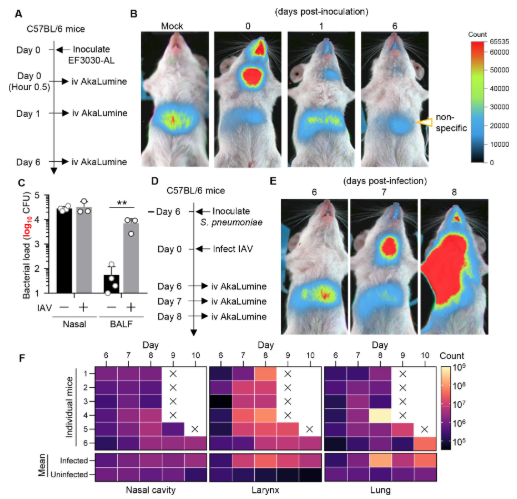
Using a mouse model, researchers discovered that following influenza virus infection, S. pneumoniae replication is predominantly activated in the larynx, indicating that the larynx serves as a key site for activation of commensal pneumococci. #JVirology: https://t.co/mcyuCb0PR6
Nobel-prize-winning chemist Omar Yaghi has left the United States for a full-time position at Tsinghua University in Beijing, China, where he will lead a new AI-assisted materials discovery institute.
https://t.co/D4PCjBBCkx
Some bacteria that are harmful to humans escape elimination by antibiotics because they carry resistance genes. However, antibiotic-susceptible bacterial populations often harbor rare persister cells that survive antibiotic exposure without being resistant. Antibiotic persistence favors recurrent infections and resistance emergence and is a public health threat.
Persister cells are thought to be metabolically dormant. Decreased activity of antibiotic targets would enable them to remain alive when antibiotics are present and to regrow after antibiotic removal.
In a new Science study, researchers report that Escherichia coli persister cells do not simply enter a dormant state upon antibiotic treatment. Instead, genetically identical cells diverge into two physiological states.
Some cells produce membrane vesicles that are loaded with specific proteins, which are taken up by other cells to enhance survival. Therefore, vesicle donors and recipients actively cooperate to benefit the entire bacterial population.
Learn more in a new #SciencePerspective: https://t.co/be5JNwqHJa
They might look like something out of a horror movie, but these naturally occurring "spider viruses", better known as #Bacteriophages, could be a powerful new weapon to tackle the growing threat of #AMR 🦠
https://t.co/OQ3vxivcQi
Advice my graduate advisor gave me over 20 years ago...
When writing a technical document: never use the word "very" - it smacks of opinion. You can do better than very.
I can still hear his voice saying this ...
like every
single
time
I read a paper and see "very" 😂
Last few days to apply for a postdoc position in beautiful St Andrews! ☀️🏖️ Looking for a microbiologist, ideally with some background in bioinformatics. @StAndrewsBSRC@univofstandrews
Closes this Friday (19th).
https://t.co/kLyzTkIyWw
@muemayuri @JDugudichi@C_NyaKundiH Microorganisms are ubiquitous in nature and you cannot underestimate their role based on factor- 'extreme conditions'. Some thrive and love carrying out their role in 'toxic' and extreme environments.
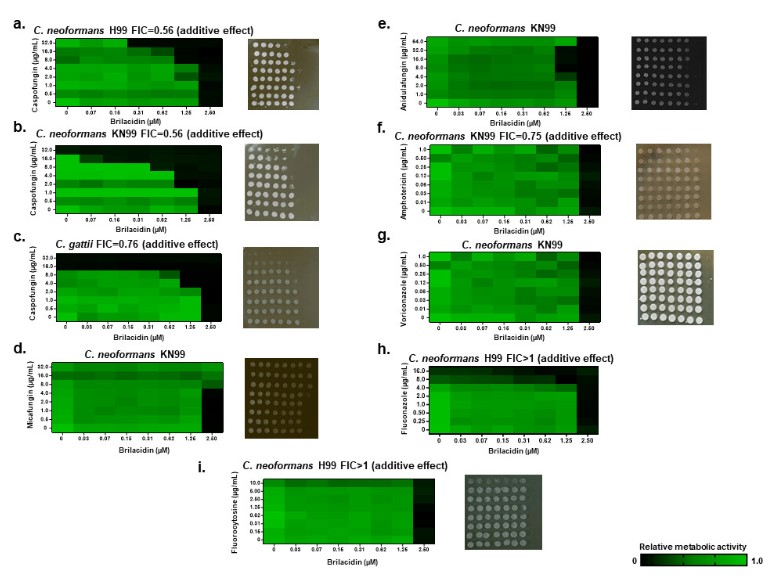
There are few drugs to combat the fungal pathogen Cryptococcus neoformans. Brilacidin, a novel host defense peptide mimetic, may be a promising option—the compound inhibits C. neoformans growth & potentiates the activity of other antifungals. @mbiojournal: https://t.co/GZREi3VJzN
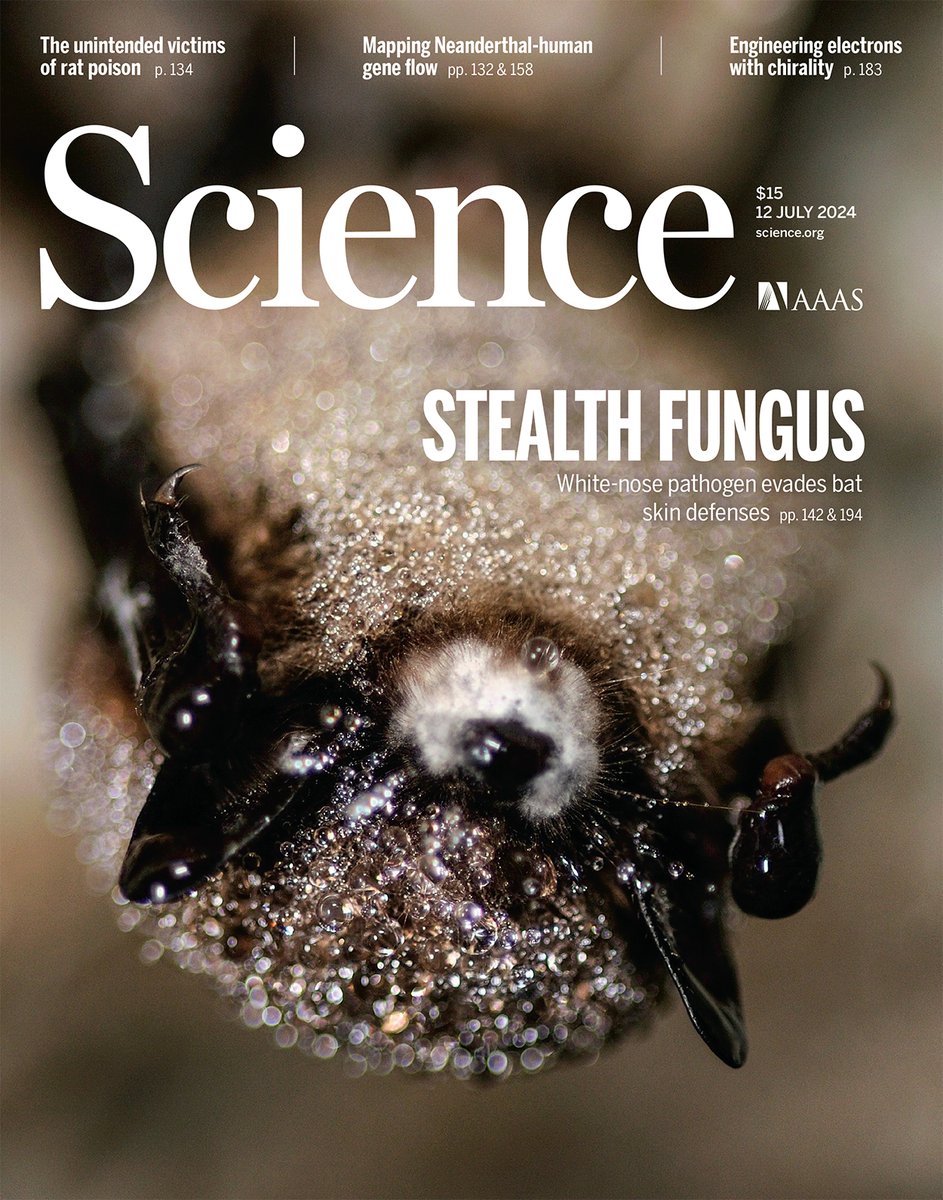
The fungal pathogen that causes white-nose syndrome in bats uses different cell entry strategies depending on the host’s hibernation status, according to a new study in Science.
Read that research and more in this week's issue: https://t.co/BM9F8yUnv6
Microbial communities play key roles in nutrient cycling via decomposition. How does substrate type influence microbial activity? This @AppEnvMicro study addresses the question by examining decomposition of different insects in a carnivorous pitcher plant. https://t.co/z7KRtvZTmm
How does the hypoxic gastric environment influence the pathogenicity of H. pylori? Research in @JournalSpectrum suggests that hypoxia exacerbates the malignant transformation of gastric epithelial cells induced by sustained H. pylori infection. https://t.co/tcUffVM9Iz