ini media singapura
jujur berita-berita seperti ini harusnya jadi bahan yang cukup untuk EVALUASI, krn orang dg kesadaran cukup harusnya malu melihatnya. lihat aja didandani BADUT gini 😊
"accountability apparently disappears" 🤡
The biggest lie is that governments primarily serve the public interest. In reality they expand their own power, shield elites and connected interests, and treat citizens as resources to tax, regulate, and manage. The costs fall on ordinary people through debt, inflation, and eroded freedoms. This pattern holds across most regimes and centuries.
@MarioNawfal Indonesian's do not agree. @prabowo is a failure as a leader, person and president. He has caused more damage in 2 years than any natural disaster could ever. A multiple time loser, human rights violator, murderer, etc.
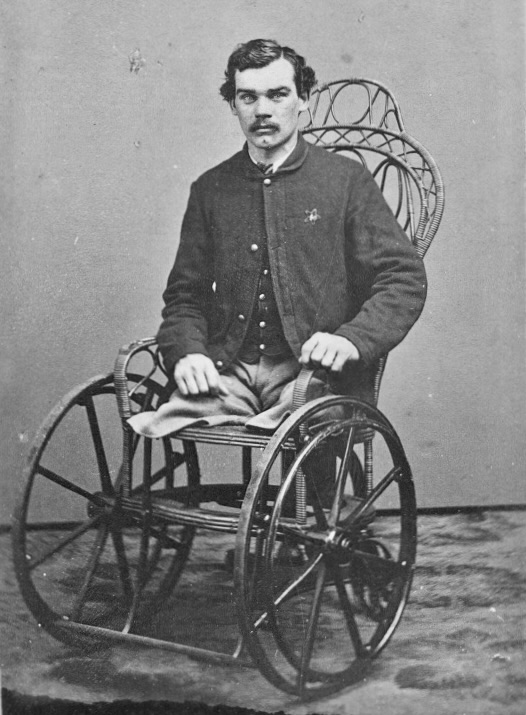
🇺🇸 This is Corporal Michael Dunn of Company H, 46th Pennsylvania Infantry. He lost both his legs.
He served with the regiment in the Army of the Potomac and fought at Antietam, Fredericksburg, and Gettysburg. In January 1864 he re-enlisted as a veteran and went west with the unit for Sherman’s Atlanta Campaign.
On May 25, 1864, near Dallas, Georgia, canister shot shattered both legs. Comrades carried him half a mile to the rear while his legs dragged across the ground. Surgeons amputated the right thigh the next day and the left the day after. Infection later forced a higher amputation on the right stump. Double above-knee amputations almost always killed. Dunn survived.
He was discharged in August 1865 and returned to Potter County, Pennsylvania. Near the end of his life he wrote a plain account of the wounding and the operations that followed. He died in October 1877.
162 years ago today, with Atlanta burning behind them, 62,000 Union soldiers turned their backs on their own supply lines and marched off into the heart of the Confederacy, bound for a sea they could not see and a destination they kept secret from the enemy and from much of the world. Sherman's March to the Sea had begun.
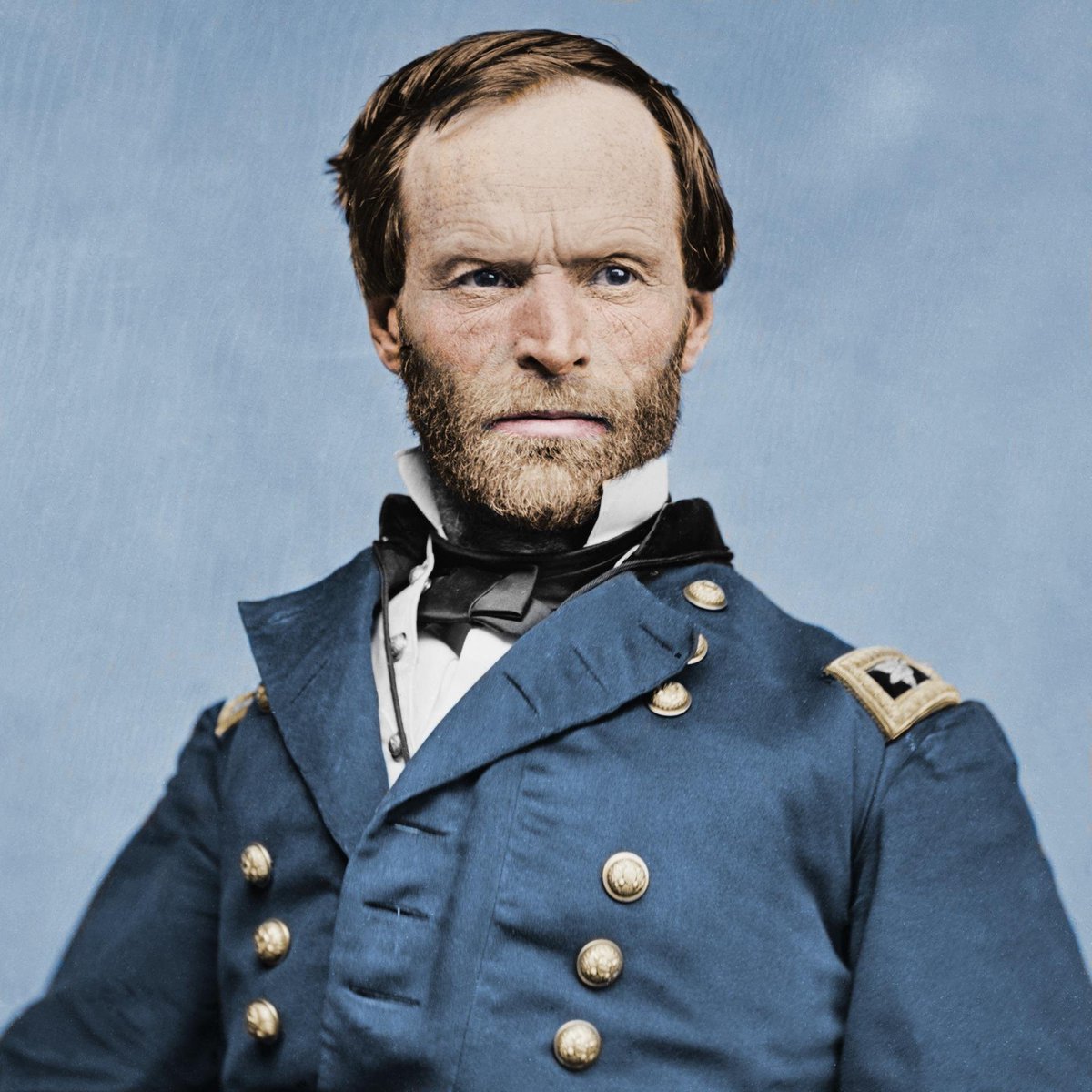
Everything this thread has followed over the past week came to a head on the morning of November 15, 1864. The destruction of Atlanta's war works was complete, the industrial district smoldering. The telegraph wires to the North were cut, the supply lines abandoned. And now William Tecumseh Sherman gave the order to move. His army rose up, formed its columns, and began marching east and south, out of the ruined city and into the Georgia countryside, cutting itself off from the rest of the Union armies entirely.
The audacity of it is still breathtaking. Sherman was deliberately marching an entire army, more than 60,000 men, roughly 300 miles across enemy territory with no line of supply and no way to communicate with Washington. For weeks, Lincoln and Grant would have almost no idea where he was or whether he was safe. The army would vanish into Georgia and have to feed itself off the land, living on what its foragers could seize from the farms and plantations it passed. It was a gamble that violated the oldest rules of warfare, and if it had gone wrong, an entire Union army might have been lost.
But Sherman had taken the measure of the dying Confederacy, and he was betting that there was no force left in Georgia that could stop him. He was right. The main Confederate army, Hood's, had marched off in the opposite direction to invade Tennessee, leaving almost nothing in Sherman's path but militia, home guards, and scattered cavalry. Sherman's veterans would march largely unopposed, spread across a front as much as 60 miles wide to confuse the enemy about whether they were headed for Macon, Augusta, or Savannah.
As they marched, the soldiers sang, and one song in particular, Marching Through Georgia, would become forever associated with the campaign. Behind them lay the burning city and around them lay the rich farmland they would strip and wreck.
The goal was as much psychological as military. Sherman meant to prove to the Southern people, in the most direct and devastating way possible, that their government could not protect them, and to break the will and the resources that sustained the Confederate war effort. For the next five weeks the army would cut its great swath across Georgia, destroying railroads, consuming the harvest, and spreading fear and ruin, until it emerged at the coast and captured Savannah just before Christmas. The march that stepped off on this day became one of the most famous and most debated campaigns in American history, and a turning point in the way wars are waged.
165 years ago tonight the commanding general of the United States Army kept the President of the United States waiting in his parlor, then went upstairs to bed without seeing him. It is one of the most famous insults in American history, and it tells you everything about why George McClellan would ultimately fail.
By late 1861, McClellan was at the height of his fame and his arrogance. He had been made general-in-chief of the entire army, the soldiers adored him, and the press hailed him as the Young Napoleon. He had also come to hold Abraham Lincoln in something close to contempt, privately referring to the president in letters as a well-meaning baboon, a gorilla, and an idiot. He thought Lincoln an unschooled backwoods lawyer unfit to understand the great matters of war that McClellan believed only he could manage.
On the evening of November 13, 1861, Lincoln, along with Secretary of State William Seward and the young presidential secretary John Hay, walked over to McClellan's house in Washington to confer with the general. McClellan was not home; he was out at a wedding. So the President of the United States sat down in the general's parlor and waited.
After about an hour, McClellan returned. The servants told him the President was waiting to see him. McClellan, without a word, walked past the parlor and went upstairs. The three visitors kept waiting. After another half hour, Lincoln sent a servant up to remind the general that they were still there. The servant came back down with a stunning message: General McClellan had gone to bed.
Young John Hay was outraged, and wrote in his diary of this unparalleled insolence, an open snub of the President by his own general. But Lincoln, remarkably, refused to take offense. He told Hay that it was better, at this time, not to be making points of etiquette and personal dignity, and that he would gladly hold McClellan's horse if the general would only bring him victories.
That exchange captures the whole tragic relationship. McClellan's towering ego and his disdain for his civilian superiors reflected the same flaws that made him a failure in the field: a man so convinced of his own superiority that he would not be hurried, would not take risks, and would not truly listen. Lincoln's patient, humble willingness to endure the insult for the good of the cause reflected the greatness that would eventually see him through. Within a year, Lincoln's patience would run out and McClellan would be gone. But on this night, the President of the United States was left sitting in a parlor, and he simply picked up his hat and walked home.
Within minutes the bridge of the San Francisco was a slaughterhouse, the admiral dead, the captain dead, nearly everyone on it killed or wounded by Japanese shells. A junior officer stepped over the bodies, took the conn, and fought the ship through the rest of the battle almost single-handedly. Bruce McCandless won the Medal of Honor for commanding a heavy cruiser in the middle of a point-blank night action after everyone senior to him had been cut down.
McCandless was a relatively junior officer aboard the San Francisco, the flagship of Admiral Callaghan's force, on the night of the 12th into the 13th of November 1942. When the American and Japanese fleets collided in the dark at close range, the San Francisco was caught in a storm of heavy fire, and Japanese battleship and cruiser shells raked her bridge again and again. In moments the command structure was annihilated: Admiral Callaghan was killed, the ship's captain was killed, and almost every other officer and man on the bridge was dead or badly wounded.
McCandless found himself, suddenly and by brutal attrition, one of the few left standing and able to function on the shattered bridge of a cruiser in the middle of the most chaotic naval brawl of the war. He took command. With the ship damaged, fires burning, the dead around him, and enemy ships firing at close range on every side in the confusion of the night, he conned the San Francisco through the rest of the action, keeping her fighting, directing her through the melee, holding her in the battle when by rights she should have been out of control.
He fought her through to the end of the engagement and brought her out, battered but still afloat and still a fighting ship. His coolness and competence in taking over a flagship in the worst possible circumstances, a junior officer suddenly commanding a cruiser in a close-range night battle, helped the San Francisco survive and helped the American force achieve the victory that turned back the Japanese. His Medal of Honor recognized that he took command when all above him were gone and fought the ship through the night.
In 1944, thousands of Japanese on Saipan hid in caves, sure the Americans would torture them if they came out. Many families chose the cliffs instead.
An 18-year-old American Marine from East Los Angeles walked up to those caves at night, alone, and called to them in Japanese.
His name was Guy Gabaldon. He was a Mexican American kid who had grown up partly in the home of a Japanese American family, the Nakanos. That is where he picked up his Japanese. When the war came, the Nakanos were sent to internment camps. Their twin sons, Lane and Lyle, joined the U.S. Army anyway and served in the 442nd.
Fifty years later, he still said it plainly: "These were Americans."
On Saipan, Gabaldon was a scout with the 2nd Marine Regiment. Right after landing, he slipped off on his own and came back with prisoners. His commanding officer, Capt. John Schwabe, threatened him with a court-martial for leaving his post.
The next night, he came back with about fifty.
After that, they let him go out alone.
He crawled to the cave mouths in the dark and promised the people inside water, medical care, and that nobody would hurt them. Night after night, ten or twenty at a time, they followed him out.
On July 8, by his own account, about 800 came out in a single day. Schwabe remembered that day too. It was the day they tagged him the Pied Piper of Saipan.
Not everyone listened. At the cliffs, he begged a mother not to kill her child. He watched her throw the baby and jump. He was still talking about it fifty years later.
His Navy Cross citation says that on Saipan and Tinian he brought in "well over one thousand enemy civilians and troops."
Schwabe recommended him for the Medal of Honor. He received the Silver Star. Sixteen years later, after Hollywood made a movie about him, the Navy upgraded it to the Navy Cross.
He died in 2006 and is buried at Arlington National Cemetery.
I am Japanese. Those caves were full of my people, frightened, starving, and certain that the Americans were monsters.
An American teenager walked toward them in the dark and offered them water.
On this Veterans Day, Japan should know his name.
@luckylucky0971 Perombakan yang dilakukan Prabowo merupakan tanda ketidakmampuan total. Ia bahkan tidak mampu mengurus kabinetnya sendiri, namun mengaku sebagai seorang pemimpin. Dunia sedang memperhatikan dan menertawakannya.
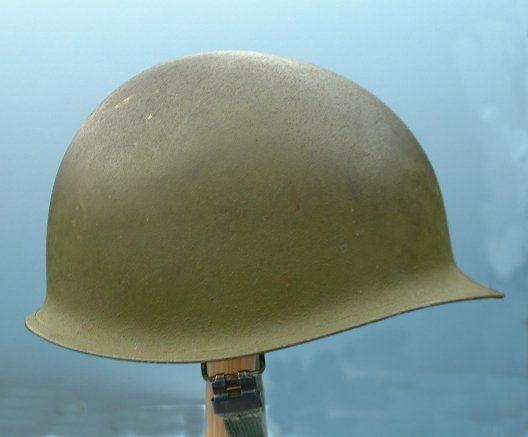
The best helmet of WW2 was the American M1. A simple steel pot that GIs used for almost everything except what it was made for.
When the US entered WW2, its soldiers were still wearing a helmet basically copied from the British in WW1. A shallow, wide-brimmed "dish" shape. It protected the top of the head from shrapnel falling from above. It did almost nothing for the sides or the back.
So in 1941, the Army adopted something new.
The M1 was a deeper, rounder steel shell made of tough manganese steel, covering much more of the head. But the real genius was that it came in two pieces.
Inside the steel shell sat a separate liner with its own suspension and headband. The liner kept the shell off your skull and absorbed some of the shock of a hit. You could wear the liner by itself as a lightweight helmet in camp, on guard duty, or in training. Then drop the steel pot over it when it was time to fight.
One size of shell fit almost everyone. The liner did the adjusting. That made it cheap, fast, and easy to mass-produce.
And mass-produce it they did. Over 20 million were made during the war.
Then soldiers got creative.
The M1 shell, with the liner pulled out, became the most useful object a GI carried. It was a wash basin. A shaving bowl. A bucket. A cooking pot for heating water, stew, or coffee over a fire. A shovel for scraping out a foxhole. A seat on muddy ground. A chamber pot when there was nowhere else to go. Some soldiers even used it to bail water out of boats.
Officers warned against cooking in it because it could damage the steel. Nobody listened.
It wasn't perfect protection. No WW2 helmet could reliably stop a direct rifle bullet. Helmets were mainly built to stop shell fragments and shrapnel, which caused far more wounds than bullets did. Against those, the M1 saved a huge number of lives.
Its main rival was the German Stahlhelm. Deep, flared at the sides and back, with a menacing shape that became the symbol of the German army. A lot of people argue it offered better coverage of the neck and ears. It was a great helmet too.
But the M1 was cheaper, simpler, more versatile, and built in staggering numbers. It was so successful that it outlived the war by decades.
American troops wore the M1 in Korea. They wore it in Vietnam, covered in camouflage cloth with cigarettes, playing cards, and bug spray tucked under the band. It stayed in service until the 1980s. Dozens of other countries adopted their own versions.
And here's the twist.
When the US finally replaced the M1 in the 1980s, the new Kevlar helmet had a deeper shape that covered more of the sides and back of the head. It looked so much like the old German helmet that American soldiers nicknamed it the "Fritz."
The M1 helped beat the Stahlhelm in 1945. Forty years later, the Army quietly borrowed its shape.
@SBYudhoyono Mark my words, Prabowo is on a revenge trip. He is angry he got fired as a 3 star general, he's angry he was banned from the country and now is taking that anger out on the whole country and it's people. He will go down in history, as the worst president
Captain William Callaghan walked onto the scorched teak deck of the U.S. battleship USS Missouri off Okinawa and silenced his angry crew.
On April 11, 1945, a nineteen-year-old Japanese pilot named Setsuo Ishino slammed his Zero fighter into the starboard side of the 100-million-dollar warship.
The impact tore the plane in half and threw the young pilot's broken body onto the deck. Furious American sailors moved in to wash his remains overboard with fire hoses.
Nobody on that ship had more reason to hate Japan than Captain Callaghan. Just three years earlier off Guadalcanal, Japanese naval gunfire had killed his own brother, Rear Admiral Daniel Callaghan.
Yet Callaghan stepped in front of the body and stopped his men cold.
He ordered his sailors to gather red and white cloth from the ship's signal lockers and sew a Japanese Rising Sun flag by hand overnight.
Some asked why an American captain would waste cloth and honors on a kamikaze pilot during an eighty-two-day battle. Callaghan told his officers that the young man had done his duty to the very end, and in the U.S. Navy, a dead warrior is no longer an enemy.
The next morning, wrapped in canvas beneath that hand-sewn Japanese flag, the nineteen-year-old pilot received a full U.S. Marine rifle salute and Taps before sliding into the Pacific.
Decades later, Japanese townspeople from Chiran came to Pearl Harbor to bow on the deck of the Missouri.
Any nation can hate in the middle of a war. Only a great civilization remembers its honor when the deck is still burning.
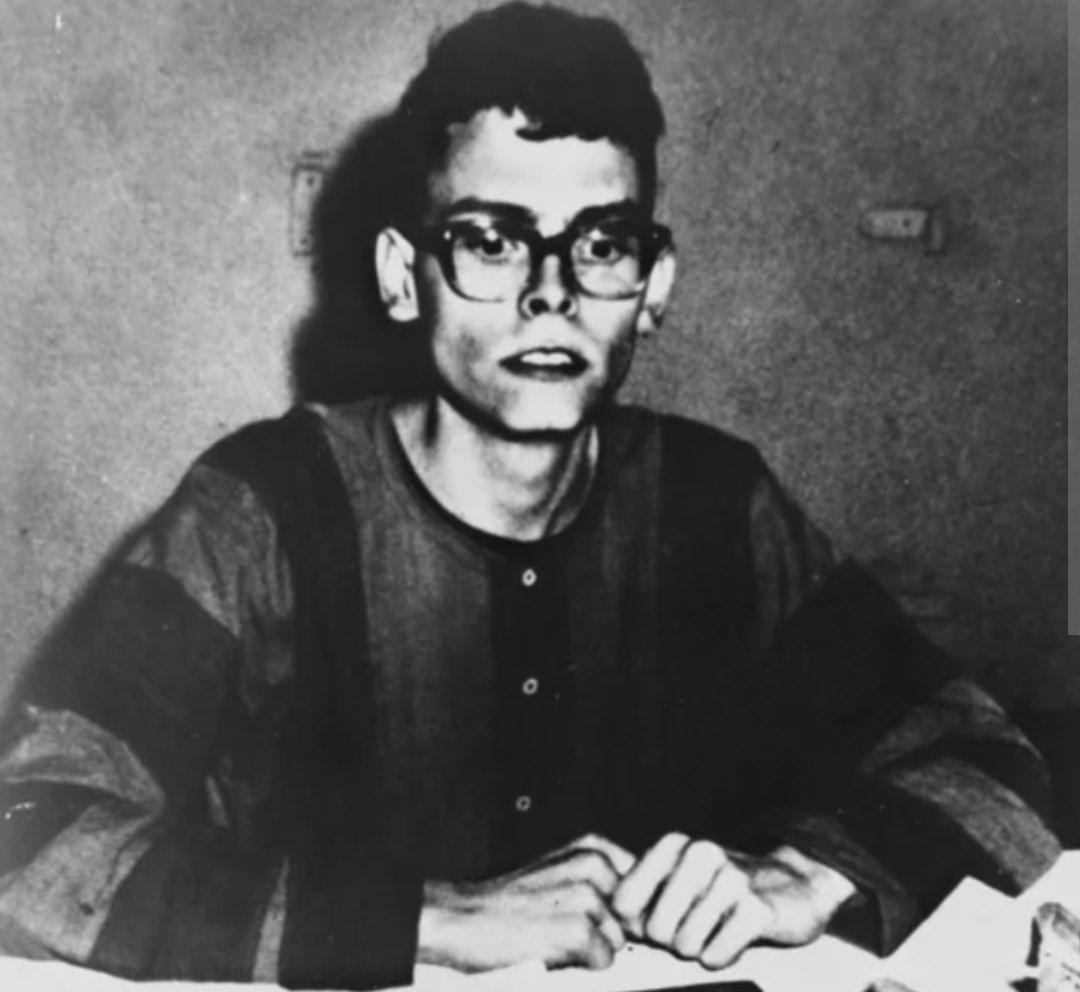
Douglas Brent Hegdahl was a 20-year-old U.S. Navy Seaman Apprentice during the Vietnam War whose extraordinary memory and act of deception saved the lives of hundreds of American prisoners of war....
His Vietnamese captors called him "The Incredibly Stupid One," never realizing how much he was secretly learning. During the Vietnam War, American sailor Douglas Hegdahl was captured in 1967 after falling overboard from a Navy ship. He pretended to be unintelligent and unable to read or write, convincing his captors that he was harmless.
Because the guards underestimated him, Hegdahl was allowed to move around the prison camp more freely. He secretly collected the names, capture dates, and personal details of fellow American prisoners through messages passed between cells. To remember everything, he fitted the information into the tune of the children's song "Old MacDonald Had a Farm" and repeated it in his head.
In August 1969, North Vietnam decided to release several American prisoners. Hegdahl initially refused to leave his fellow captives behind, but senior prisoners ordered him to accept so he could bring the information home. Upon returning to the US, he provided details about more than 250 prisoners, helping American officials identify men whose whereabouts had been uncertain. The prisoner his captors thought was foolish had secretly outsmarted them.
Hegdahl also managed to sabotage five North Vietnamese trucks by secretly putting dirt and gravel into their fuel tanks. His captors trusted him so much that they never suspected he was responsible.
#archaeohistories
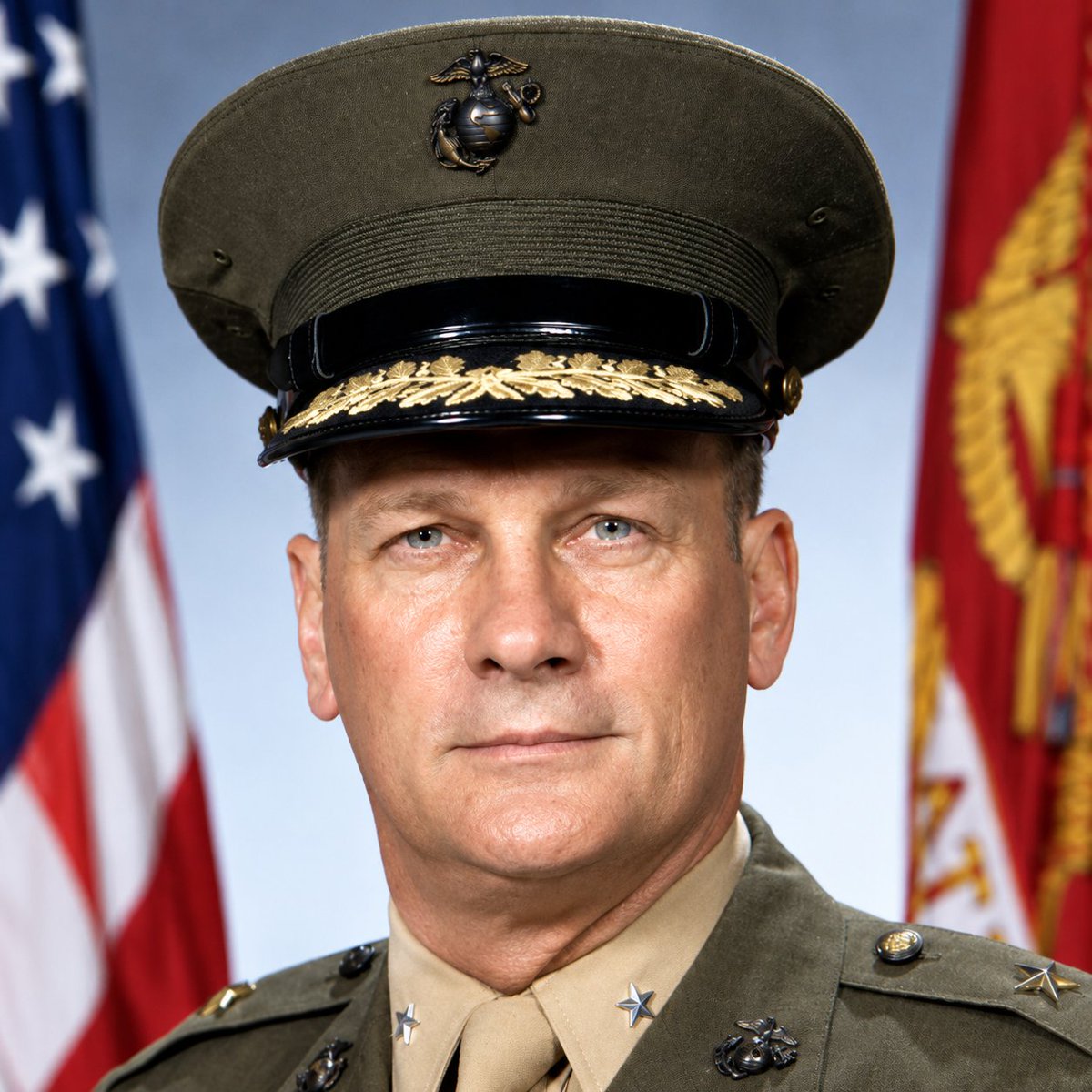
A three star general sitting in a diner in Arlington with notes he took from a classified report, reading them out loud to a reporter who was writing a book… think about that for a second.
According to the internal investigation report Axios got its hands on, Lt. Gen. Brett Sylvia, the man running strategy, plans and policy for the Joint Chiefs, admitted to leaking classified information on Iran and Ukraine to two reporters at two different outlets over about a year, and a U.S. official says he acknowledged it on video after he failed four polygraphs. It started as early as June 2025, it ran through Signal, and when one of those reporters lost Pentagon access he just moved the meeting to the Silver Diner. Then there is the Signal thread about Iran that he says he deleted by accident… investigators don't buy that and neither do I.
Now keep in mind the part the press is skipping. When Hegseth fired him, the Joint Staff put out a statement thanking him for 32 years of distinguished service, and according to a U.S. official it was acting Army Secretary Adam Telle's office pushing for that warm send off to limit the fallout. They pulled it once the full picture came out. So who exactly were they protecting, and why was the first instinct to polish the general instead of protecting the country he swore an oath to?
Here is the reality. This is what institutional rot looks like up close, a man with stars on his shoulders who decided the press was his chain of command, and the report even says he admitted being one of the 20 officials quoted in a story trashing Pentagon leadership. Rank was supposed to mean something. Honor was supposed to mean something. He traded both for a few pages in somebody else's book.
How many more of them are still sitting in that building? You already know the answer.
DOJ has the referral. Charge him.
The Marine Corps almost court-martialed one of its best pilots for stopping a mass shooter.
His crime was not asking permission first.
New Orleans, January 7, 1973. Sunday morning. A 23-year-old named Mark Essex gets into the downtown Howard Johnson's with a .44 carbine and a bag of ammunition.
Police already knew him, they just didn't know his name. A week earlier, on New Year's Eve, someone had ambushed New Orleans officers and vanished into the night. That was him.
This time he isn't planning on running.
He moves floor to floor shooting whoever he finds. A couple from out of town. The hotel manager. The assistant manager. He lights fires in the rooms as he goes. Then he climbs to the roof and settles into a concrete stairwell enclosure that might as well be a pillbox.
From up there he can see the whole street, and the whole street can see him. They just can't hit him.
Cops fire up at the roof all afternoon. Essex waits, leans out, shoots, disappears. Officers go down. One of them is the deputy superintendent of the department.
Ten miles away, at the Marine air station in Belle Chasse, Lt. Col. Chuck Pitman is watching it on the news.
He's a Vietnam helicopter pilot with three combat tours behind him. Silver Star. Purple Heart. Four Distinguished Flying Crosses. He looks at that rooftop and sees the obvious answer nobody on the ground has.
Get above him.
Pitman doesn't wait for orders. He finds three Marines who'll go, takes a CH-46 Sea Knight and flies it into the middle of a major American city. He lands near the unfinished Superdome and picks up a team of police sharpshooters.
Then he goes to work.
Pass after pass over the roof. Essex keeps hiding when the helicopter comes in and stepping out to shoot at it as it leaves. Pitman notices.
On one run, instead of flying off, he spins the helicopter around and comes straight back.
Essex is out in the open with nowhere to go.
The shooters on board and on the nearby rooftops all fire at once. When it was over, the autopsy counted more than 200 wounds.
Nine people were dead across the week, five of them police officers. Nobody else would be added to that list.
New Orleans made Pitman an honorary police chief.
The Marine Corps opened talks about a court-martial. A lieutenant colonel had just taken a military aircraft into a domestic shootout on his own authority.
It took F. Edward Hébert, the New Orleans congressman who happened to chair the House Armed Services Committee, to recommend the Corps let it go.
It did. Pitman went on to help plan the 1980 hostage rescue attempt in Iran and retired a lieutenant general.
Not bad for a guy who once stole a helicopter.