✨RAFFLE TIME✨
Giveaway featuring Sonic & Friends Travel series tickets from Sonic Stadium Hong Kong!
PRIZE: 1 ticket (your choice)!
Multiple winners will be selected
TO ENTER:
- Follow @FrackDeals
- Retweet this post
Ends November 23, 11:59pm PT
If you have ADHD it's unlikely that you find ordinary life stimulating and thus engaging enough without massive amounts of stimulants, alcohol and so on.
In fact, people with ADHD are strongly linked to reward deficiency syndrome.
The brain’s reward system relies heavily on dopamine for feelings of satisfaction, motivation, and pleasure.
Yet very often individuals with ADHD generally have fewer dopamine receptors and transporters in regions like the nucleus accumbens.
The primary culprits are the D2 and D4 dopamine receptors, alongside a specialized cleanup protein called the Dopamine Transporter (DAT1).
In fact research shows that specific genetic variants, particularly the DRD2 A1 allele (which causes a reduction in D2 dopamine receptors), are frequently found in individuals with both ADHD and addictive behaviors.
Because of this genetic and structural setup, a brain with ADHD does not register everyday rewards the way a neurotypical brain does.
Mundane or routine tasks (like doing laundry, filing paperwork, or long-term studying) simply do not release enough dopamine to trigger a feeling of achievement or motivation.
To compensate for this baseline deficit, the ADHD brain naturally hunts for "high-dopamine" activities to reach normal stimulation levels.
This manifests for example as procrastinating until urgency strikes since adrenaline acts as a powerful temporary chemical driver.
Most dopamine-related advice is incomplete.
It focuses on precursors, receptors, or “boosters” while ignoring the enzyme that controls how much dopamine can be produced in the first place.
That enzyme is tyrosine hydroxylase (TH).
TH is the rate-limiting step in catecholamine synthesis.
It converts tyrosine to L-DOPA using tetrahydrobiopterin (BH4), molecular oxygen, and a ferrous iron atom held in the active site by two histidines and a glutamate.
Everything downstream such as dopamine, norepinephrine, and epinephrine depends on this step.
Dopamine itself cannot cross the blood-brain barrier, which is why Parkinson’s treatment uses levodopa (the molecule TH produces) rather than dopamine directly.
Dopamine also acts as a feedback inhibitor of TH.
When levels are sufficient, it binds competitively with BH4 and locks the regulatory domain into a closed state, slowing further production.
When demand rises, phosphorylation, especially at Ser40, can reduce dopamine’s inhibitory affinity roughly 300-fold, releasing the brake so synthesis can accelerate.
Other sites (Ser19, Ser31) further fine-tune activity, create docking sites for 14-3-3 proteins, and help localize the enzyme.
Now we express four TH isoforms via alternative splicing that alter the length and sequence context of the regulatory domain.
The enzyme also forms functional complexes with 14-3-3 proteins, aromatic L-amino acid decarboxylase, VMAT2, GTP cyclohydrolase (the rate-limiting enzyme for BH4), and others.
These partnerships stabilize active states, supply cofactors locally, and package newly made dopamine into vesicles, keeping cytosolic levels low and limiting toxicity.
This sophistication creates multiple failure points.
Loss of feedback control or persistent hyperphosphorylation can allow cytosolic dopamine to rise and auto-oxidize into reactive quinones and ROS that damage mitochondria, proteins, and lipids.
Oxidative and nitrosative stress (nitration of surface tyrosines on the flexible loop near the active site, or glutathionylation of cysteines) directly inactivate the enzyme.
In models of dopaminergic damage, TH catalytic activity can fall even when total enzyme protein remains relatively stable.
Phosphorylation failures or excessive dephosphorylation by PP2A can lock TH in an inhibited state despite the protein still being present.
These mechanisms help explain why dopamine deficits in Parkinson’s can exceed what simple cell loss predicts, why rare TH or BH4 pathway mutations produce movement disorders ranging from dopa-responsive dystonia to severe early-onset conditions, and why milder dysregulation shows up as low motivation, difficulty sustaining attention, greater effort for routine tasks, emotional flatness, sleep issues, or exaggerated stress responses.
Excess signaling, by contrast, contributes to impulsivity, compulsivity, and over-attribution of importance to stimuli, patterns seen in addiction and certain psychiatric states.
Supporting TH therefore comes down to three things:
1. Keeping the enzyme in an appropriately phosphorylated, catalytically competent state
2. Supplying its essential cofactors
3. Protecting it from inactivation
Then, when people say that their dopamine receptors are "fried" they usually try to refer to, but don't know how to articulate, 3 key changes that are adaptive responses your brain makes to chronic overstimulation of the dopamine system.
These are:
-Downregulation of D2 receptors
-Reduced transporter function
-Depleted stores
These 3 contribute to issues such as high tolerance to stimulants, reduced reward sensitivity, anhedonia, irritability, low motivation, low libido and so on.
Here's a brief explanation of each one and some practical tips you can take to recover (disclaimer: if you have absolutely fried your brain, it can take up to 18 months to recover).
First and foremost, D2 receptors are one of the main types of dopamine receptors.
They are especially important in the striatum, including the nucleus accumbens (a key reward area).
They help regulate motivation, reward sensitivity, impulse control, and fine-tuning of dopamine signaling.
When dopamine levels stay high for long periods (as with repeated stimulant use + a highly artificially stimulating lifestyle):
-Receptors are repeatedly activated and internalized (pulled inside the cell).
-Many get degraded rather than recycled back to the surface.
-Gene expression for new D2 receptors often -decreases.
So, as a result you can have fewer functional D2 receptors available on the cell surface.
This is why the same amount of dopamine produces a weaker signal.
In neuroimaging studies of stimulant users this is a classic sign.
Now when it comes to reduced transporter function (DAT).
The dopamine transporter (DAT) is the protein on the surface of dopamine neurons that reabsorbs dopamine from the synapse back into the neuron after it has been released.
This clears the signal and recycles the neurotransmitter.
Now if you use lots of stimulants, some of them are substrates for DAT.
They enter via the transporter, reverse its direction (causing dopamine to spill out), and also disrupt normal reuptake.
So chronic exposure leads to:
-Internalization and downregulation of surface DAT.
-Reduced DAT density and function
With time you have less efficient recycling and clearance of dopamine.
And finally, when it comes to depleted stores, dopamine is synthesized in the neuron and packaged into synaptic vesicles (with the help the vesicular monoamine transporter, VMAT2) so it can be stored and released in controlled bursts when the neuron fires.
Stimulants disrupt this storage:
-They compete with dopamine for VMAT2 or collapse the vesicular pH gradient needed for packaging.
-They force release of stored dopamine into the cytosol and then out of the cell (reverse transport through DAT).
So over time, the readily releasable and reserve pools of vesicular dopamine become depleted.
Even when the neuron tries to fire, less neurotransmitter comes out.
Also, these 3 changes reinforce each other:
-High extracellular dopamine (from stimulants) → receptor downregulation + transporter adaptations + store depletion.
-Lower effective signaling → the brain needs more of the drug (tolerance) or feels flat without it.
-Oxidative stress from excess cytosolic dopamine (when not properly stored) can add further damage.
So your system adapts to protect itself from overload by becoming less sensitive and less well-stocked.
"How do i recover?"
This partly depends on what stimulants and other downregulating factors you were exposed to, so for context read this:
https://t.co/eXCNhiGzzm
Now general that can help include:
0. Minimize all artificial dopamine hits.
Add some friction between you and them as well.
1. Cover your micronutrient needs.
This might sound boring but for example:
-Iron is essential cofactor for tyrosine hydroxylase.
-P5P is a required cofactor for converting L-DOPA → dopamine.
-C, B9 and B12 support BH4 (tetrahydrobiopterin) regeneration, methylation pathways and dopamine β-hydroxylase
and these are just the tip of the iceberg.
2. LISS and HIIT to increase D2 receptor availability/density and better reward sensitivity.
3. Realize that reward comes AFTER prolonged action.
You've been conditioned to take action and experience immediate reward.
But things don't work like that in the real world.
So practise doing meaningful or effortful activities even when motivation is flat.
4. Sleep 7–8 hours with consistent timing.
Receptor repair and neurotransmitter recycling happen largely during deep sleep.
5. Morning sunlight.
Anchors circadian rhythm and supports natural dopamine/alertness signaling.
6. Blue light blockers.
Less melatonin = less brain recovery.
7. No junk food
After doing these for 2 weeks you can consider adding:
-Uridine
-P5P
-B1
-Citocholine
-Saffron
-NALT
-Uridine
-Taurine
"No George you don't understand, nicotine is a biohack".
Listen, a lot of people have exacerbated (or even developed) gut issues, ED, fatigue, anxiety and hair thinning because of nicotine use and they are in denial about it because there are not RCTs.
It's very basic.
Nicotine:
-Increases gastric acid and pepsin secretion
-Reduces mucosal blood flow
-Reduces mucus synthesis and the thickness of the adherent mucus gel
-Elevates certain ulcerogenic mediators such as vasopressin, platelet-activating factor and endothelin
-Generates oxidative stress and reduces protective antioxidants such as glutathione
-Delays the healing of quite literally any gut issue by impairing cell proliferation, polyamine pathways, and angiogenesis
It also has strong sympathomimetic and pro-vasoconstrictive effects.
It binds to nicotinic acetylcholine receptors (nAChRs) (mainly α3β4 subtypes) on postganglionic sympathetic neurons and nAChRs on chromaffin cells in the adrenal medulla. This triggers the release of catecholamines (mainly norepinephrine) from nerves and epinephrine from adrenals.
The first binds to α1-adrenergic receptors on vascular smooth muscle cells leading to calcium influx, muscle contraction and vasoconstriction.
Chronic nicotine usage also upregulates α1-receptors, amplifying the norepinephrine response. It also upregulates endothelin-1 (ET-1) production/release from endothelial cells (a vasoconstrictor acting on ETA/ETB receptors) and impairs NO/prostacyclin (PGI2) pathways(*).
(*) It reduces endothelial nitric oxide synthase (eNOS) activity and nitric oxide (NO) bioavailability, impairs prostacyclin (PGI2) production, increases oxidative stress (superoxide), which scavenges NO to form peroxynitrite.
If these weren't enough, nicotine also acts as an antagonist to THTR-1 and THTR-2 (thiamine transporters) in certain tissues, reducing cellular uptake by over 40% and decreases the expression of thiamine pyrophosphokinase.
And all this without even mentioning the higher risk for gout flares or how in a double blind, placebo control, crossover trial where the average age of the men was just 21 who were not smokers or real nicotine users in general, and they got just a 6mg nicotine gum the majority could NOT get it up.
"YOU DO NOT UNDERSTAND, FASTING + COFFEE + ZYNS ARE THE ONLY THINGS THAT HELP ME FOCUS".
Tap into the same mechanisms with safer tools.
Jesus Christ.
The ADHD brain naturally struggles to generate the activation energy needed for mundane or non-novel tasks (aka most of modern life), it often requires a sense of crisis or urgency to get moving.
Fasting and caffeine combine to create a physiological “pseudo-crisis.”
The body registers the lack of food and the presence of central nervous system stimulants as an evolutionary cue that it needs to be alert, hunt, or survive.
This triggers that massive, systemic flood of norepinephrine into your bloodstream.
Now adding nicotine to the fasting and coffee protocol creates a highly reinforcing stimulant synergy since unlike caffeine, which primarily blocks fatigue by obstructing adenosine receptors, nicotine acts as a direct agonist.
It binds to nicotinic acetylcholine receptors (nAChRs), which triggers an immediate, sharp release of dopamine in the brain’s reward centers and norepinephrine in the prefrontal cortex which is were you want it to be if you have ADHD/ADD.
So:
-By stimulating D1 receptors, dopamine prevents irrelevant, distracting thoughts or external stimuli from breaking your focus.
-By stimulating norepinephrine/alpha-2A adrenoceptors you strengthen the connections between brain cells, helping you stay alert, locked onto a task.
Of course, this does not last long and you end up basically being a junky needing higher and higher doses just to break even and you’ve of course acquired more health issues.
Combining fasting (which leaves the stomach empty and unprotected), coffee (which is highly acidic and triggers gastric acid production), and nicotine (which acts as a potent vasoconstrictor and gut motility disruptor) is a worst-case scenario for your GI tract.
So while you might finally feel somewhat functional in the beginning, your digestive tract, heart, and blood vessels pay the price of being subjected to a prolonged, low-grade “fight-or-flight” state.
"It can't be that bad".
Well, unfortunately it is.
In this one, about 25% of adults and 30% of teens in treatment for alcohol and drug use had ADHD.
You can not ignore your biological wiring.
Plenty of advice still treats addiction and hard-to-break habits as a simple failure of willpower.
But the research shows a more precise problem.
Dopamine in the ventral tegmental area (VTA) projects to the nucleus accumbens and helps assign incentive salience aka the “wanting” that makes something grab your attention and pull you toward it.
This is distinct from “liking.”
Drugs can amplify dopamine signaling in these circuits far beyond natural rewards (often several-fold in animal studies, depending on the substance, dose, and route).
The prefrontal cortex, amygdala, and hippocampus then link that signal to places, people, emotions, and internal states.
With repetition, those cues alone can trigger strong motivation before the substance or behavior even occurs.
The brain adapts.
Tolerance develops.
Everyday rewards can feel blunted, especially with stimulants or alcohol, while drug- or habit-related cues retain strong motivational power.
Stress systems heighten, further impairing prefrontal control over impulses.
For example:
- One study found that cue-induced cigarette craving was higher after 35 days of abstinence than after 7 or 14 days on some measures, the “incubation of craving” effect.
-Another study reported a similar pattern for alcohol craving, peaking at 60 days of abstinence even as some withdrawal symptoms improved.
The original associations are not erased, extinction learning builds a competing memory that remains context-dependent and fragile.
Different substances act through different receptors (CB1 for THC, mu-opioid receptors that disinhibit VTA dopamine neurons, GABA/NMDA effects of alcohol, nicotinic receptors), yet they converge on overlapping reward-learning, stress, and habit circuits involving the dorsal striatum as behaviors shift from goal-directed to more automatic.
This is why insight and repeated acts of resistance often fail under real conditions: sleep loss, stress, or a familiar cue can tip the balance toward the immediate relief or reward the system has learned to expect.
This https://t.co/eXCNhiGzzm translates these mechanisms into practical steps for mental health and behavior change.
You’ll learn:
-How incentive salience and reward prediction error explain both substance use and variable-reward behaviors such as scrolling or gaming
-Why reducing cue exposure and using implementation intentions outperform pure willpower
-How medications stabilize the biology so behavioral strategies can work
-The difference between goal-directed control and habitual responding, and how to shift it
-How to rebuild engagement with ordinary rewards and manage stress-driven use without relying solely on resistance
The same plasticity that strengthened the unwanted patterns can strengthen new ones, once the immediate biological drivers are addressed and the learning environment is redesigned.
It gives you the specific map of the circuitry and the evidence-based tools that follow from it, instead of another generic call to try harder.
If you’ve ever felt the gap between wanting to change and being able to sustain it, this gives you the missing piece.
BREAKING: Neuroscientists confirm that when an ADHD partner sits frozen on the couch scrolling their phone for 3 hours while staring directly at a messy kitchen—they aren't "relaxing," they are trapped in a high-cortisol state called "Executive Paralysis."
If you get resentful watching your partner scroll while the house is a disaster, here is what is actually happening inside their skull:
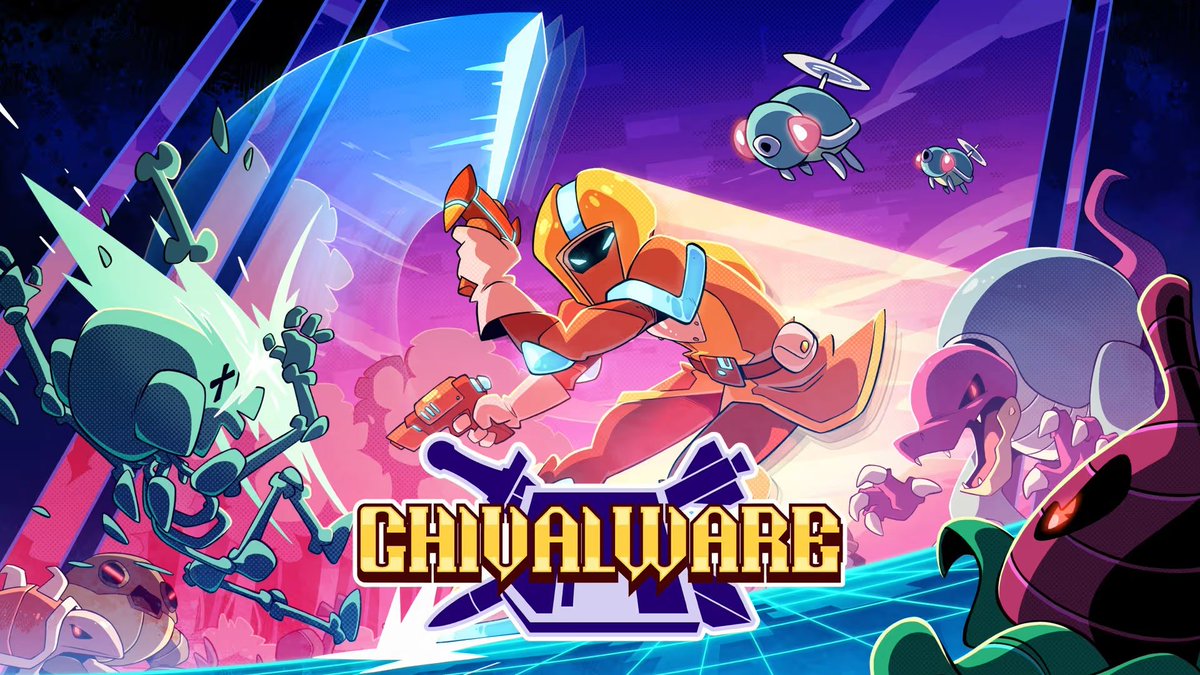
To celebrate the release of Chivalware on Nintendo Switch 2, we're giving away 5 copies. Follow us and repost this message for a chance to enter.
This will be open until November 13. Open to all regions.
⚠️GIVEAWAY ALERT⚠️
I'll be giving away FIVE copies of Sonic Pico Park, all you got to do is follow, like, and repost!
For extra entries, join the giveaway on my Discord, and comment on my latest and next video! (links in replies)
GIVEAWAY ALERT 🎶
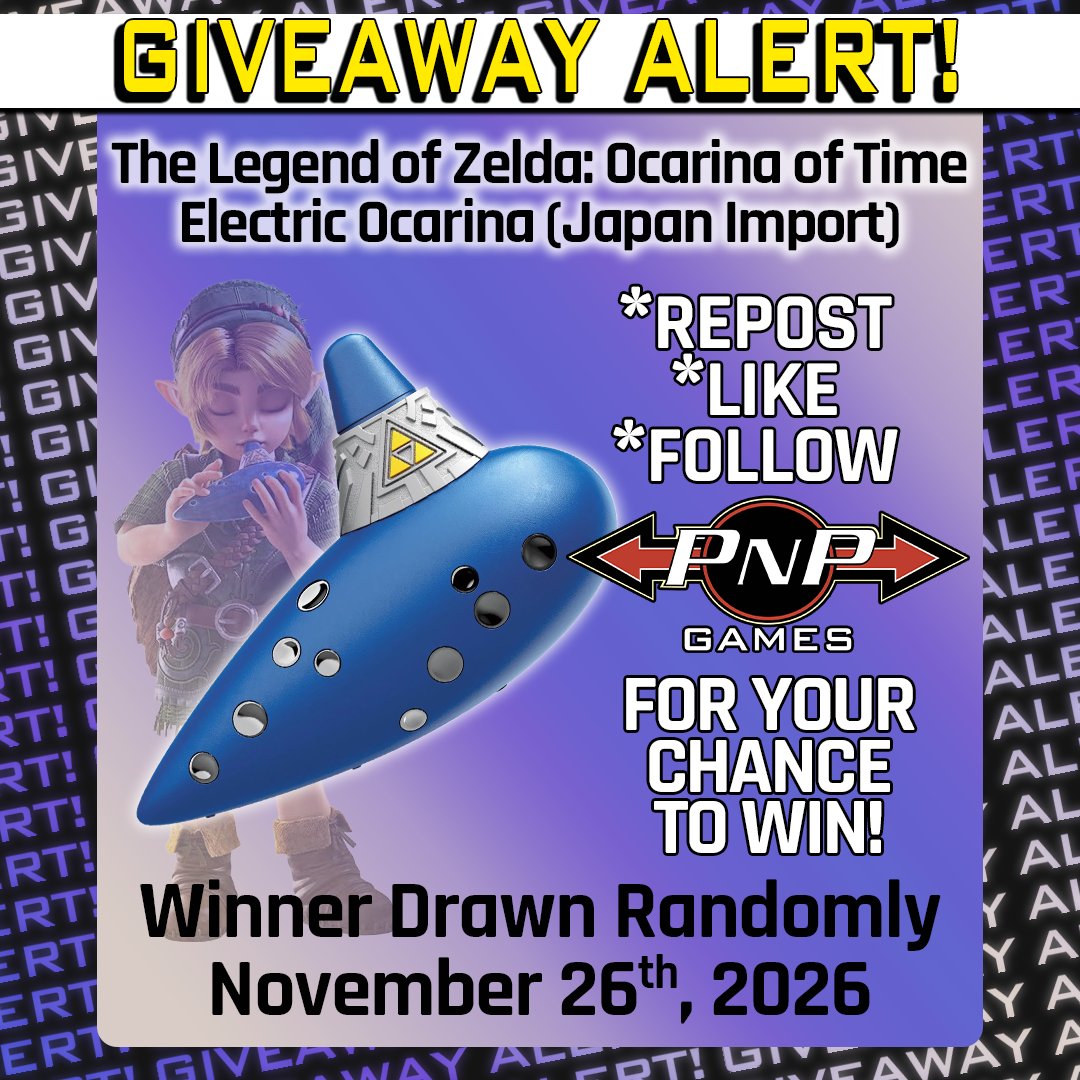
REPOST, LIKE, AND FOLLOW PNP GAMES for your chance to WIN a The Legend of Zelda: Ocarina of Time Electric Ocarina (JP) instrument!
Now, go home, Link. Regain your lost time!
#VideoGames#Canada#USA#Free#Giveaway
*No purchase necessary, a winner will be drawn at random on NOVEMBER 26TH, 2026 and contacted via a direct message from THIS official PNP Games social media account.
(Open to residents of Canada/USA/UK/AU/FR/JP and ANYWHERE PNP Games ships!)
⚔️VGP Giveaway Time!⚔️
Glitch is giving away a Zelda: Ocarina of Time [Foil Cover] Nintendo Switch 2 game, a Pro Controller, a Carrying Case AND one of her very own stickers to one lucky winner!
RT, Like & Follow VGP for your chance to win!
Want more chances to win? Check out our other social media accounts for additional entries!
Winner announced Friday, Dec 11, 2026
CALLING ALL ADVENTURERS 📢⚔️
It's time to return to Hyrule... One lucky winner will receive an Ocarina of Time game key AND a 256GB PLAY PRO to install it on!
To enter:
➕ Follow @Lexar_Gaming
🔁 RT this post
🛡️ Tag a friend who also LOVES Zelda and comment your favourite Zelda game
Ends 8th November
DONATION GOALS DURING THE BLITZCRANK GAUNTLET!
Every donation brings us one step closer to making a crew battle at Frosty a reality!
$50 — We add an additional player to the gauntlet!
$100 — Giveaway of custom made 3D-printed 2XKO trinkets, provided by PCH!
$250 — A Blitzcrank plushie signed by the majority of the top players!
$500 — A FULLY FUNDED CREW BATTLE AT FROSTY!
Every dollar helps go towards that crew battle, So even if we don't reach the goal that money will just be the pot for the crew battle.
More info on how to donate will be during the stream
Here are the 10 players that JustCapitalB will have to take down, one by one.
Every match will be FT2, and for every Blitzcrank that JustCapitalB takes down, he earns cash!
With a chance to win up to $70, can JustCapitalB finally prove himself, or will the Blitzcranks send him back to the lab?