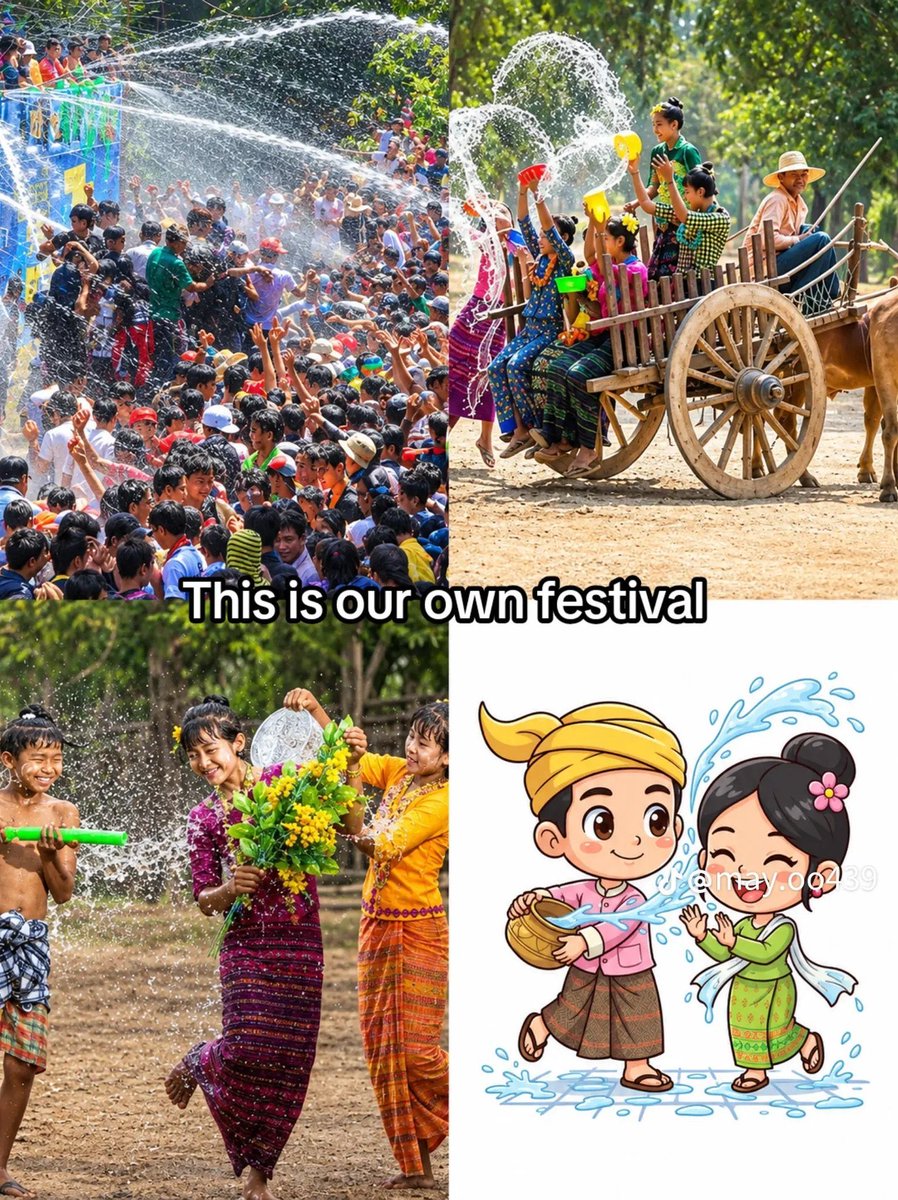
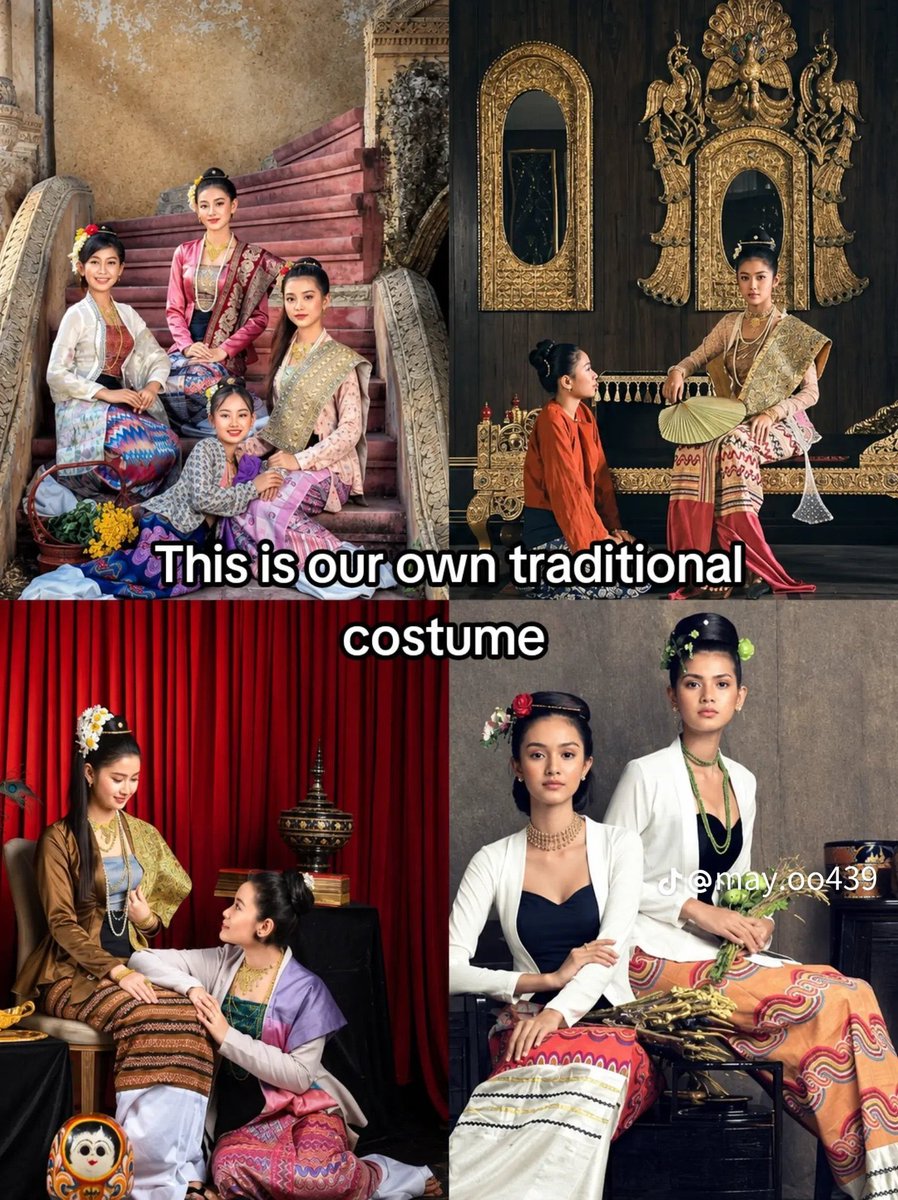
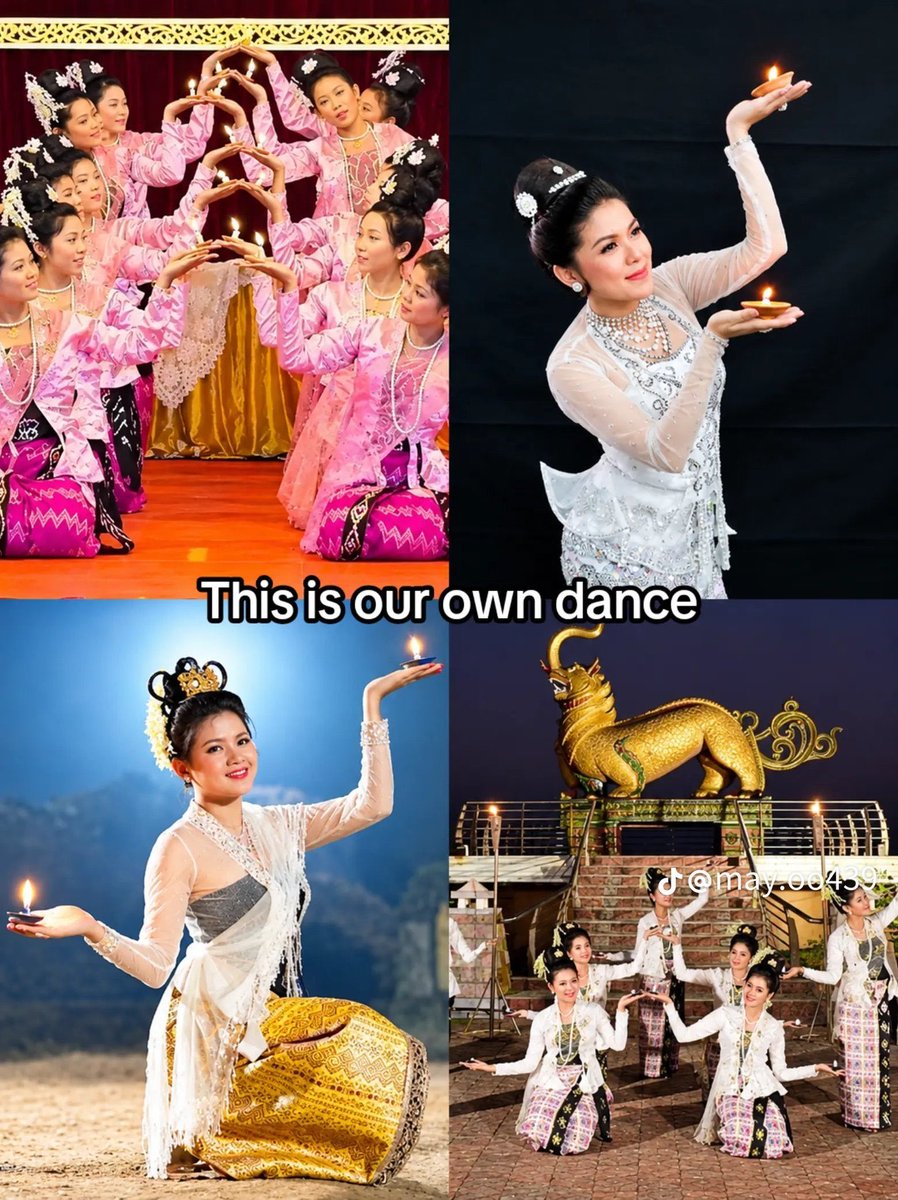
As PondPhuwin Myanmar Fan Page, we urge @GMMTV to address the cultural concerns surrounding #ScarletHeartTH and give proper credit where it's due.
We love and support Phuwin, but we can't stay silent about our heritage.
Our culture deserves respect. 🇲🇲
#RespectMyanmarCulture
We urge @GMMTV to respect Myanmar and its cultural heritage by addressing this issue seriously and taking appropriate action. Our culture deserves recognition, respect, and a proper response.
We Demand Action from GMMTV
#RespectMyanmarCulture#ScarletHeartTH
I would like to raise a concern regarding the costumes featured in the trailer for Scarlet Heart Thailand.
I understand that the series is set in the Lanna Kingdom, a region with its own rich history, cultural identity, and traditional clothing. I fully respect Lanna culture and its heritage. However, as a Myanmar person, I cannot help noticing the striking similarities between some of the costumes shown in the trailer and traditional Burmese women's clothing.
The most noticeable example is the costume worn by the women in the candle dance scene. Certain details, including the upper garments, chest coverings, waist arrangements, and traditional skirt styles, appear remarkably similar to elements found in historical Burmese attire.
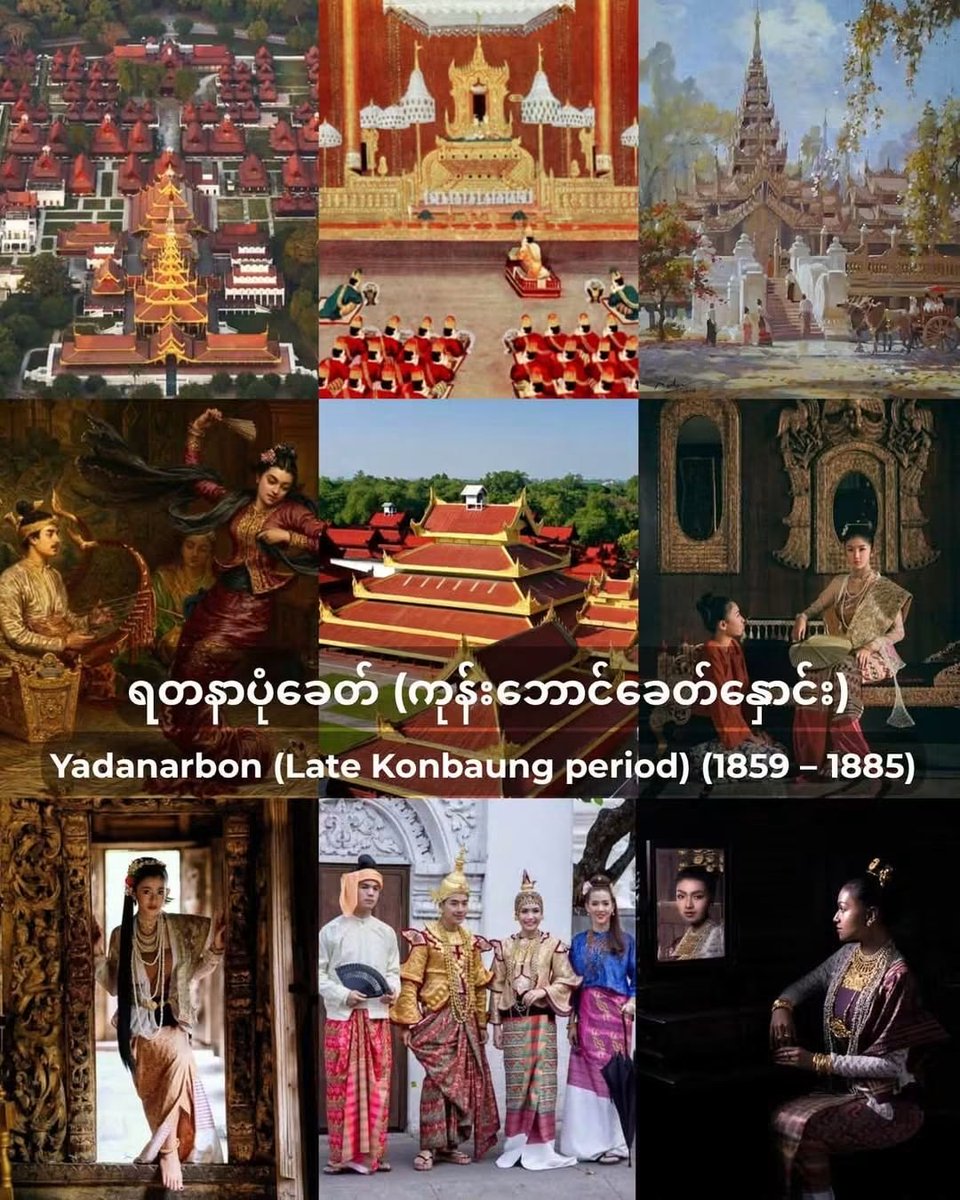
Myanmar has a long history of traditional dress, including the Yinkhan (traditional bodice), Htaingmathein (a traditional women's jacket), and Htamein (traditional women's skirt). These garments are more than just clothing; they represent our history, cultural identity, and heritage passed down through generations.
At the same time, Lanna has its own distinctive traditional clothing, including the Pha Sin, a traditional wraparound skirt, as well as its own weaving traditions and ceremonial attire. The Fon Tian, or Lanna candle dance, is also an important part of Lanna's cultural heritage.
I recognize that Myanmar and Lanna share historical and cultural connections, and similarities in traditional clothing can naturally exist between neighboring regions. However, shared cultural influences should not mean that the origins of traditional designs can be overlooked or left unexplained.
As someone who has been looking forward to this series because of the cast, I genuinely want to enjoy it. I will still watch it when it airs. However, seeing these costumes in the trailer has left me feeling uncomfortable and raises legitimate questions about the research behind the costume design.
When a historical series draws inspiration from a particular kingdom and its culture, the costume department has a responsibility to conduct careful historical research and represent the region's heritage accurately. If certain designs closely resemble traditional Burmese attire, I believe it is reasonable to ask what historical references were used in creating them.
I am not raising this concern to disrespect Lanna culture or deny its unique traditions. I simply believe that Myanmar's cultural heritage deserves the same respect and recognition. Every culture deserves to have its traditional clothing represented accurately, with its historical origins acknowledged rather than blurred or misrepresented.
I would therefore appreciate clarification from the production team regarding the historical references and sources used for these costume designs, particularly those that appear strikingly similar to traditional Burmese clothing.
Cultural inspiration is one thing, but cultural heritage deserves careful research, respect, and proper recognition.
#ScarletHeartTH #MyanmarCulture #MyanmarTraditionalCostume #CulturalHeritage
“ဇာတ်ကားလည်းပြီးသွားမယ်၊ ငါတို့မြန်မာ့ရိုးရာဝတ်စုံ အမွေအနှစ်ကြီးလည်း တဖြည်းဖြည်း ပျောက်ကွယ်သွားမယ်” ဆိုတာမျိုး မဖြစ်စေချင်ရင် ကိုယ့်ရဲ့ယဉ်ကျေးမှု၊ ကိုယ့်ရဲ့အမွေအနှစ်ဆိုတာကို လူတိုင်းသိအောင် ပြောပြဖို့၊ အသိအမှတ်ပြုခံရအောင် တင်ပြဖို့ လိုကိုလိုပါတယ်။
ကိုယ့်အမွေအနှစ်ကို ကိုယ်တိုင်တန်ဖိုးထားပြီး ကာကွယ်မပြောဆိုရင် ဘယ်သူက လာပြီး ကာကွယ်ပေးမှာလဲ။
မြန်မာ့ရိုးရာဝတ်စုံဆိုတာ အဝတ်အစားတစ်ခုတည်း မဟုတ်ပါဘူး။ ငါတို့ရဲ့သမိုင်း၊ ယဉ်ကျေးမှုနဲ့ အမျိုးသားအမှတ်အသားတစ်ခုပါ။
ကိုယ့်အမွေအနှစ်ကို ကိုယ်တိုင်သိအောင်လုပ်ကြပါ။ ကိုယ့်ယဉ်ကျေးမှုကို ကိုယ်တိုင်ကာကွယ်ကြပါ။ ကိုယ့်မြန်မာတို့ရေ 🇲🇲❤️
“Let’s not allow our drama to end while our precious Myanmar traditional heritage slowly fades away or loses its identity.”
If we don’t want this to happen, we must speak up, raise awareness, and make sure the world recognizes our cultural heritage and where it comes from.
Our traditional attire is more than just clothing. It represents our history, our culture, our identity, and the legacy passed down through generations.
If we don’t stand up for our own heritage, who will?
Dear Myanmar people, let’s take pride in our culture, protect our heritage, and make our cultural identity known to the world. Our heritage deserves to be recognized, respected, and preserved. 🇲🇲❤️
We Demand Action from GMMTV
#RespectMyanmarCulture
#ScarletHeartTH
𝐇𝐭𝐚𝐢𝐧𝐠𝐦𝐚𝐭𝐡𝐞𝐢𝐧 (ထိုင်မသိမ်း) is not simply a name for a traditional Burmese outfit. It refers to a specific garment with its own history, construction, and cultural significance.
Myanmar's traditional clothing evolved across different dynasties, and the styles worn during the early Konbaung period, Amarapura era, and later Yadanabon period were not necessarily the same. Even the cut of a garment, its fastening, its decorative details, and the way it was worn could reflect a particular period and social rank.
Htaingmathein is traditionally understood as a woman's upper garment, worn with a byan htamein (ဗြန့်ထဘီ), rather than a term for the entire ensemble. These distinctions may seem minor to some, but when the terminology is repeatedly used incorrectly, an important part of cultural knowledge can gradually be lost.
This is precisely why historical research matters in period dramas. Traditional clothing is not merely an aesthetic choice; it carries information about the people, period, and culture it represents.
When costumes in #ScarletHeartThailand appear to draw on Myanmar court attire, it raises a legitimate question: were the garments researched according to their historical origins, construction, and period, or were different styles combined simply because they looked suitable for a historical setting?
Lanna and Myanmar share a long and complex history, but historical connections do not make their respective clothing traditions interchangeable. Similarities should be examined in context, and identifiable cultural influences deserve accurate recognition.
Historical fiction allows creative freedom, but creative freedom does not make historical research optional. When a production invests years in developing a period drama, understanding the origins of the clothing used to build its world should be part of that preparation. Otherwise, what is presented as historical atmosphere risks becoming a mixture of cultural references without sufficient historical grounding.
𝙊𝙪𝙧 𝙩𝙧𝙖𝙙𝙞𝙩𝙞𝙤𝙣𝙖𝙡 𝙜𝙖𝙧𝙢𝙚𝙣𝙩𝙨 𝙝𝙖𝙫𝙚 𝙣𝙖𝙢𝙚𝙨, 𝙝𝙞𝙨𝙩𝙤𝙧𝙞𝙚𝙨, 𝙖𝙣𝙙 𝙢𝙚𝙖𝙣𝙞𝙣𝙜𝙨. They deserve more than to be treated as interchangeable costumes.
We sincerely hope @GMMTV and the @ScarletHeartTH production team will provide appropriate acknowledgment of Myanmar's cultural heritage wherever it has been incorporated into the series. If these elements are retained, I hope their origins will be clearly credited in the episodes or accompanying production materials.
#ScarletHeartTH
#BurmeseHtaingmathein