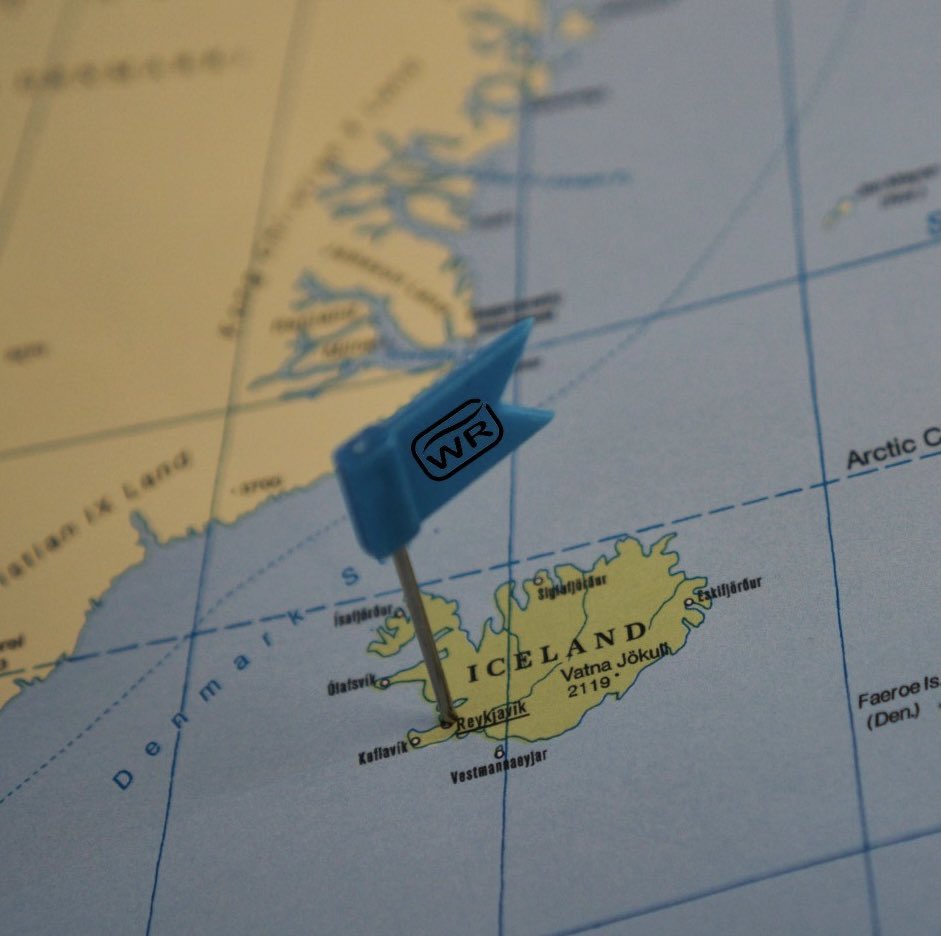
We have moved! We relocated our computing resources to Iceland, allowing us to continue our ground-breaking work using geothermal energy to power it. We also moved offices to a newly developed Eco building (https://t.co/d3SzCV7A3c), bringing us very close to zero carbon target.
Me at 55 today.
A self portrait.
“I don’t see why there should be a point where everyone decides you’re too old. I’m not too old, and until I decide I’m too old I’ll never be too Fucking old”
-Lemme Kilmister (Motorhead)
The latest IPCC report and the image shown below of global temperature changes over the past 170 years paints another concerning picture of the climate emergency happening right now.
If it is, this will be outweighed by the future costs of dealing with the environmental problems we have created. Sustainability must be included. As technology has evolved to improve our lives, we should now look to use it to improve the lives of future generations.
delivering multiple mitigation measures which were necessary for the building to obtain planning permission. Since these earlier projects, we have gone on to do combinations of these studies, including indoor & outdoor thermal analysis and air quality studies.
We have an incredibly exciting and rapidly expanding Built Environment consultancy offering. Projects began with an incredible opportunity to help Fosters and Partners develop Bloomberg HQ in London and create a naturally ventilated building.
Applications of our technology in this arena have steadily risen since then, and now include wind-loading and pedestrian comfort & safety studies. Both these studies were carried out on the 22 Bishopsgate high rise in London.
Further technologies we have developed in this new company direction include Next Generation Refrigeration (NGR) units. Developed in conjunction with our cabinet manufacturer partners, NGRs utilise EcoBlades and other modifications to standard supermarket refrigeration cabinets.
In extreme heat, they can also reduce the likelihood of refrigeration units failing – reducing maintenance costs and reducing food waste. With a lot of our technologies, they are designed at world-class engineering levels, are cost effective with a good return on investment.
Our work with lorries led us in a new direction which has become a key focus of our business. Supermarkets, with their large stores, rows of fridges and freezers, customer climate control and sometime in-house kitchen have allowed us to develop an incredible range of technologies
Using race car simulation techniques, delivering energy savings of in excess of 40%. Leading the way is the Wirth EcoBlade which utilises our patented, twin blade technology to reduce cold air spillage from fridges – saving energy and improving customer comfort.
Not only have we transformed all our employees’ physical desktops into new virtual workstations, but we have also done the same with our leading-edge, high-resolution Computational Fluid Dynamic system. Our method of developing simulations to mimic real-world flows began in 2003.
With Indy Car as the beginning, since then we designed multiple championship-winning Indy, Le Mans and American Le Mans series winning race cars. From here, we began applying these skills and methods to the development of buildings and lorry body kits.
but if we can find better and more efficient methods of cooling them, we could locate them closer to home in the future. Microsoft’s recent test of a computer system being cooled deep in the ocean was an interesting step forward…
Renewable forms of energy are essential for the world to win its battle against Climate Change. While moving away from oil, gas and coal will prove an incredible challenge, there are ways all businesses can look to invest to help reduce their impact.
Computer power and data centres are often overlooked in environmental footprints and with the ever-expanding internet, this will need to change. Not every data centre in the world can be powered by geothermal energy or cooled freely from the weather conditions (as in Iceland)