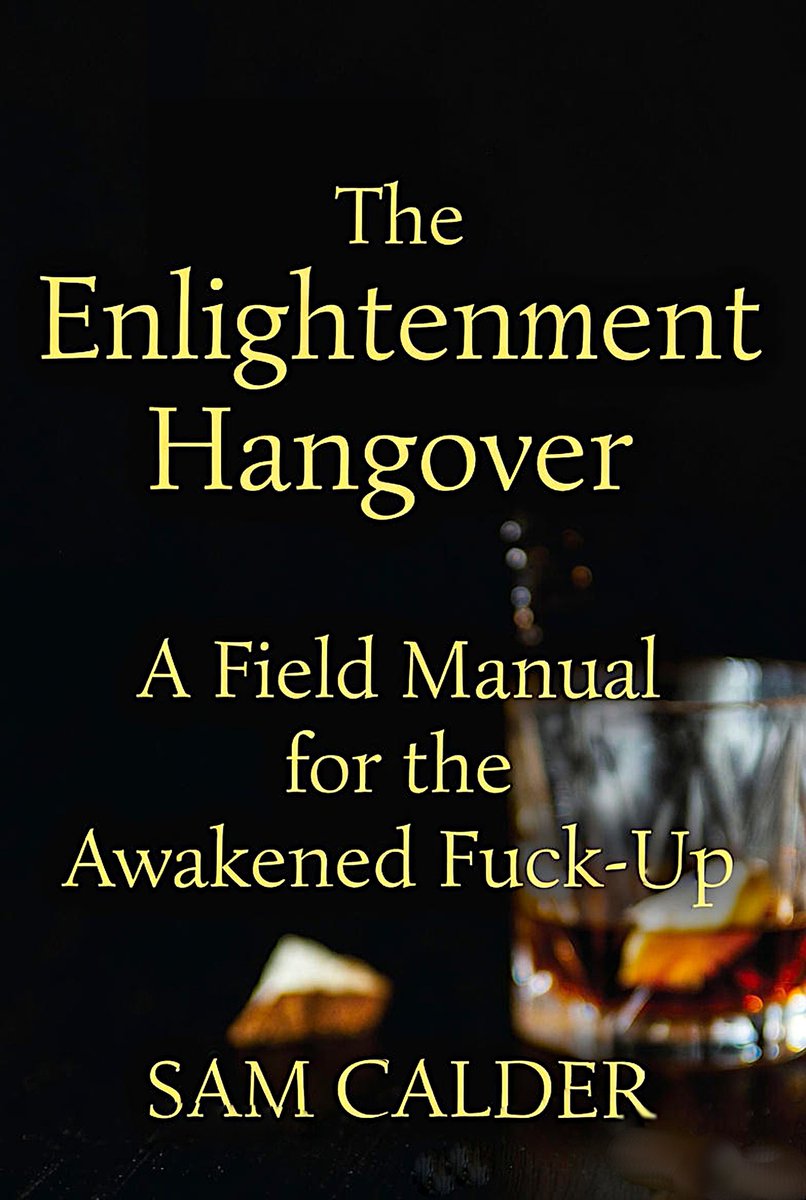
@goodreads For any awakened person, this is a great guide for navigating the "ordinary world". A very quick read but with brutal honesty, hence I finished it in just 4 days!
There's a physicist at Stanford named Safi Bahcall who modeled this exact principle and the math is wild.
He calls it "phase transitions in human networks." When you're stationary, your probability of a lucky event is limited to your existing surface area: the people you already know, the places you already go, the ideas you've already been exposed to. Your opportunity window is fixed.
When you move, your collision rate with new nodes in a network increases nonlinearly. Double your movement (new conversations, new cities, new projects) and your probability of a serendipitous encounter doesn't double. It roughly quadruples. Because each new node connects you to their entire network, not just to them.
Richard Wiseman ran a 10-year study at the University of Hertfordshire tracking self-described "lucky" and "unlucky" people. The single biggest differentiator wasn't IQ, education, or family money. Lucky people scored significantly higher on one trait: openness to experience. They talked to strangers more, varied their routines more, and said yes to invitations at nearly twice the rate.
The "unlucky" group followed the same routes, ate at the same restaurants, and talked to the same 5 people. Their networks were closed loops. No new inputs, no new collisions.
Luck isn't random. Luck is surface area. And surface area is a function of movement.
The lobster emoji is doing more work than most people realize. Lobsters grow by shedding their shell when it gets too tight. The growth requires a period of total vulnerability. No protection, no armor, soft body exposed to the ocean.
That's the cost of movement nobody posts about. You have to be uncomfortable first. The new shell only hardens after you've already moved.
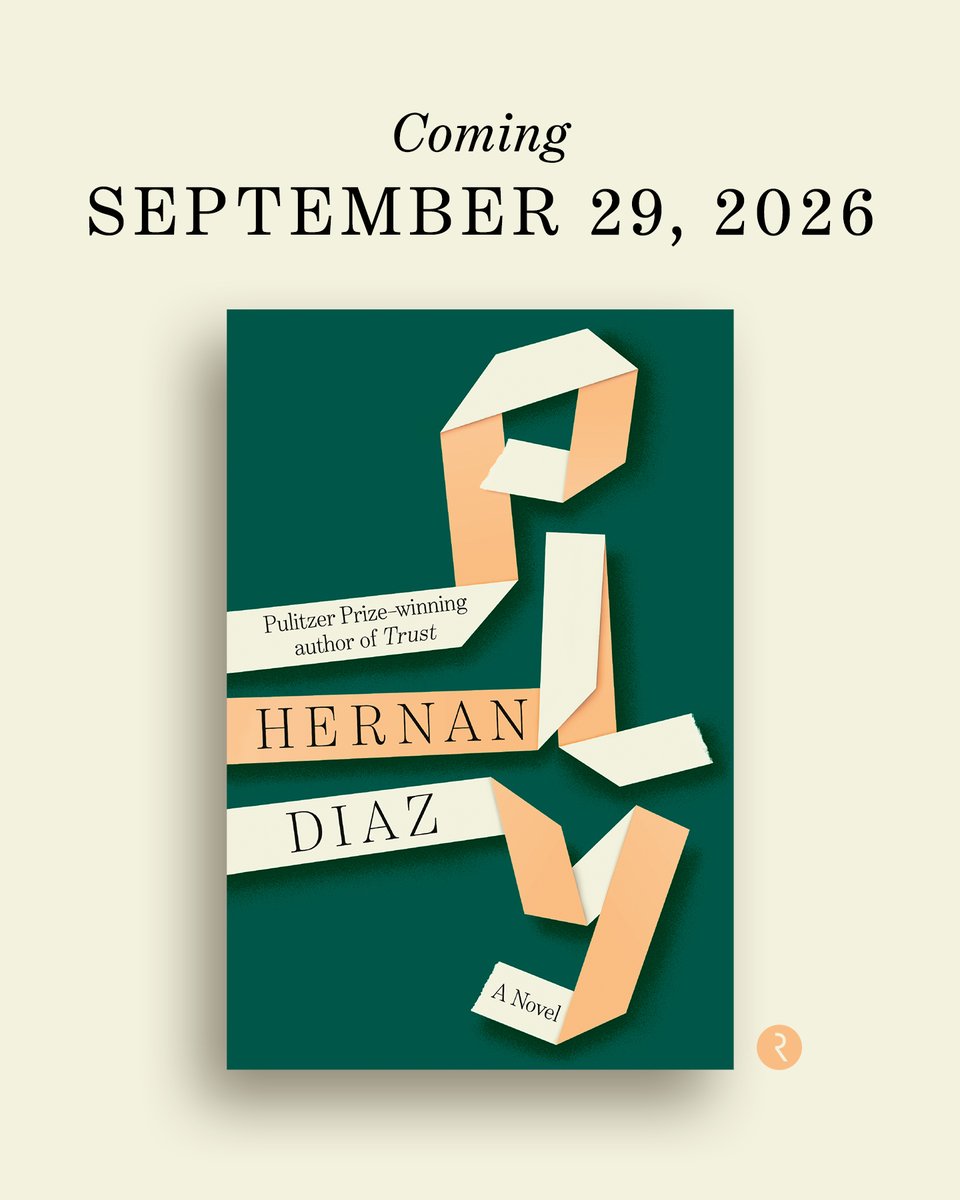
📖 COVER REVEAL! 📖
From Hernan Diaz, Pulitzer Prize-winning author of 'Trust,' comes 'Ply' — a Dickensian odyssey set in the future. Out September 2026 from @riverheadbooks.
Add it to your Want to Read shelf here! https://t.co/4cUAVi5qL1
Since Elon shared our post, thousands of you joined our book club, so we thought now is a good time to remind you of our mission..
We live in a time of noise, speed, and amnesia. Few remember where we came from, and fewer still care to ask. But without active memory, a culture dies.
Athenaeum was founded to resist this death. We are a home for readers who still believe that ideas matter: that Augustine, Dante, Shakespeare, and Dostoevsky are not just names in a syllabus, but guides to a deeper and more ordered life. This is the kind of reading that sharpens the mind and strengthens the spirit.
Western Civilization has given us the greatest works ever written, but it takes effort to read them, and even more to read them well. That’s what we’re doing here — slowly, together.
If you want to support our efforts, please consider a paid subscription. It makes a huge difference to the time and resources we can dedicate to this project. Paid members get:
- Live community book discussions (biweekly)
- Deep-dive essays to guide you through the books we’re reading
- The full archive of book reviews, essays, and our 100 Great Texts reading list
- Access to all community discussion threads (via the subscriber chat)
- Ability to vote on what we read next
This is not school. There are no grades, no credentials, and no status games. Just a community of readers serious about recovering what’s been lost, and using it to build something better. Welcome!