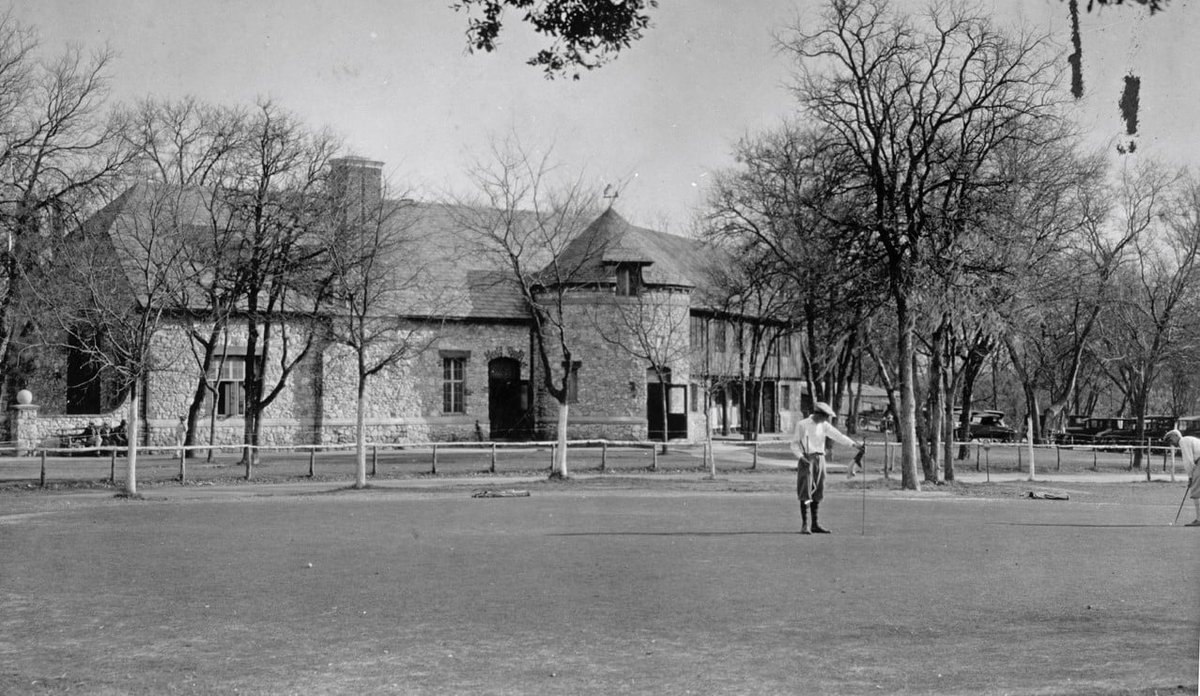
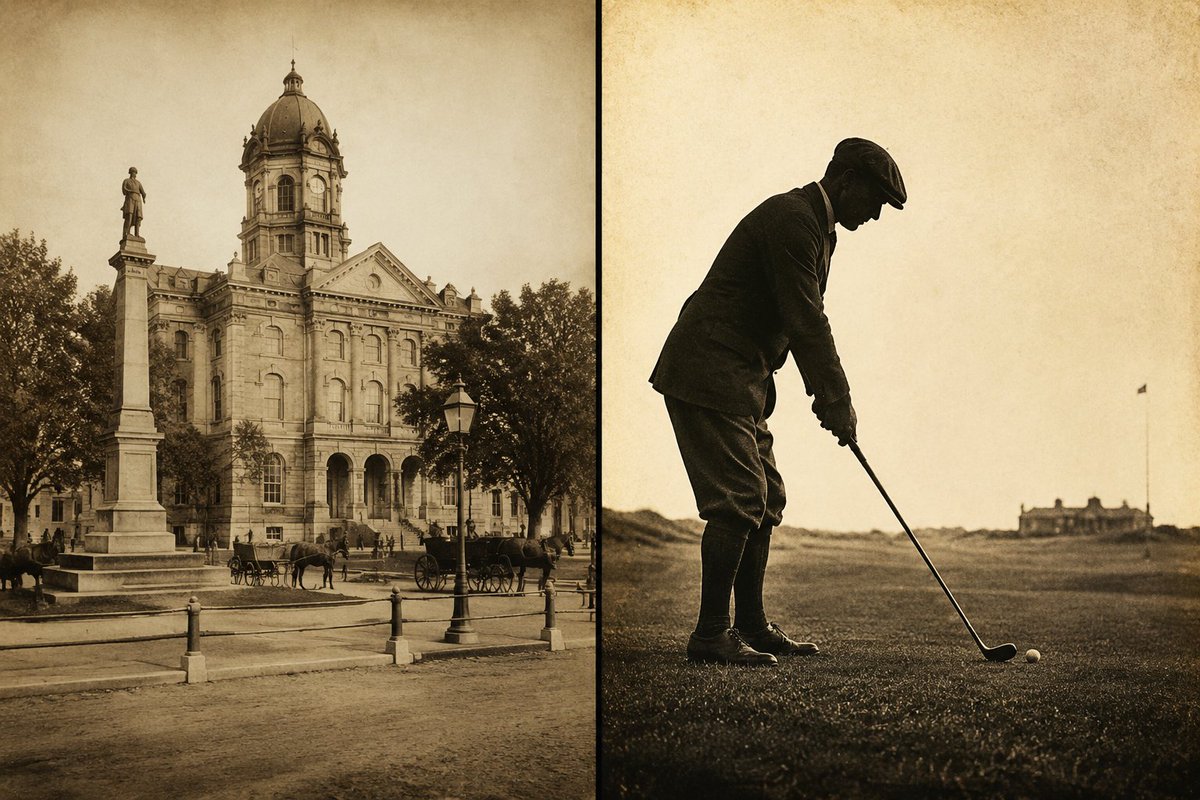
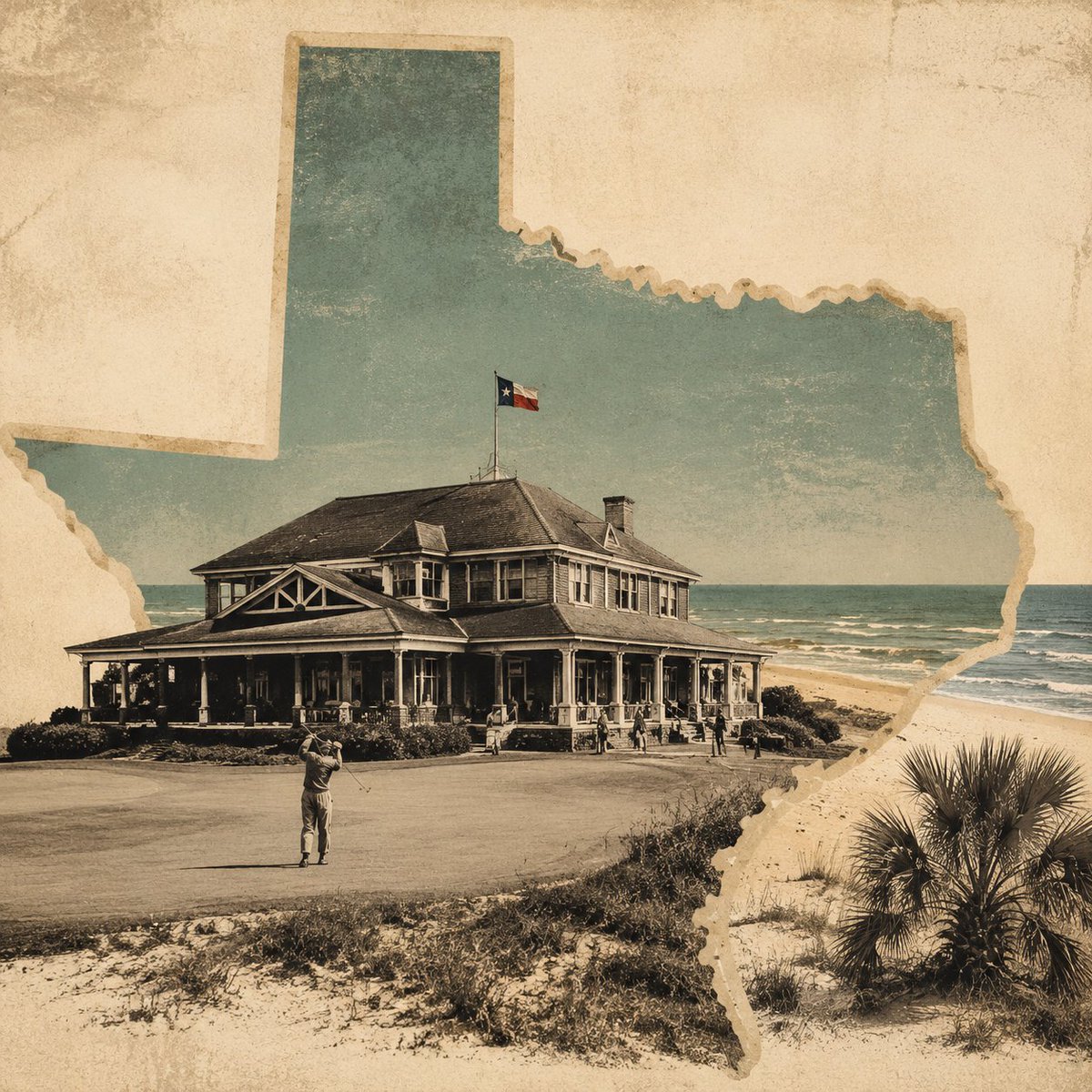
The first account of golf in Texas ran in the San Antonio paper in 1887. The author was a clergyman playing on the parade ground of the post that became Fort Sam Houston. https://t.co/Zf52G40lRB #TexasHistory#SanAntonio#GolfHistory
Golf calls for order, discipline, and honor. ⛳ But traditions don't preserve themselves — you keep them by knowing where they came from. Wise About Golf, Ep. 1. 🎧https://t.co/EUAUGHLBWV
#golfhistory#golfpodcast#tradition#golf#texasgolf
If you’re a Texas golfer check out Wise About Golf podcast by @judgewise who already produces @WiseAboutTexas. One of the first episodes is about the history of Galveston Country Club, give it a listen.
https://t.co/lHRVPYD0hA
Golf didn't come to Texas on its own. It came with the army posts, the ports, and the British land money that built Texas.
It's not a break from Texas history. It's a way in. https://t.co/Zf52G40lRB
#TexasHistory#TexasGolfHistory
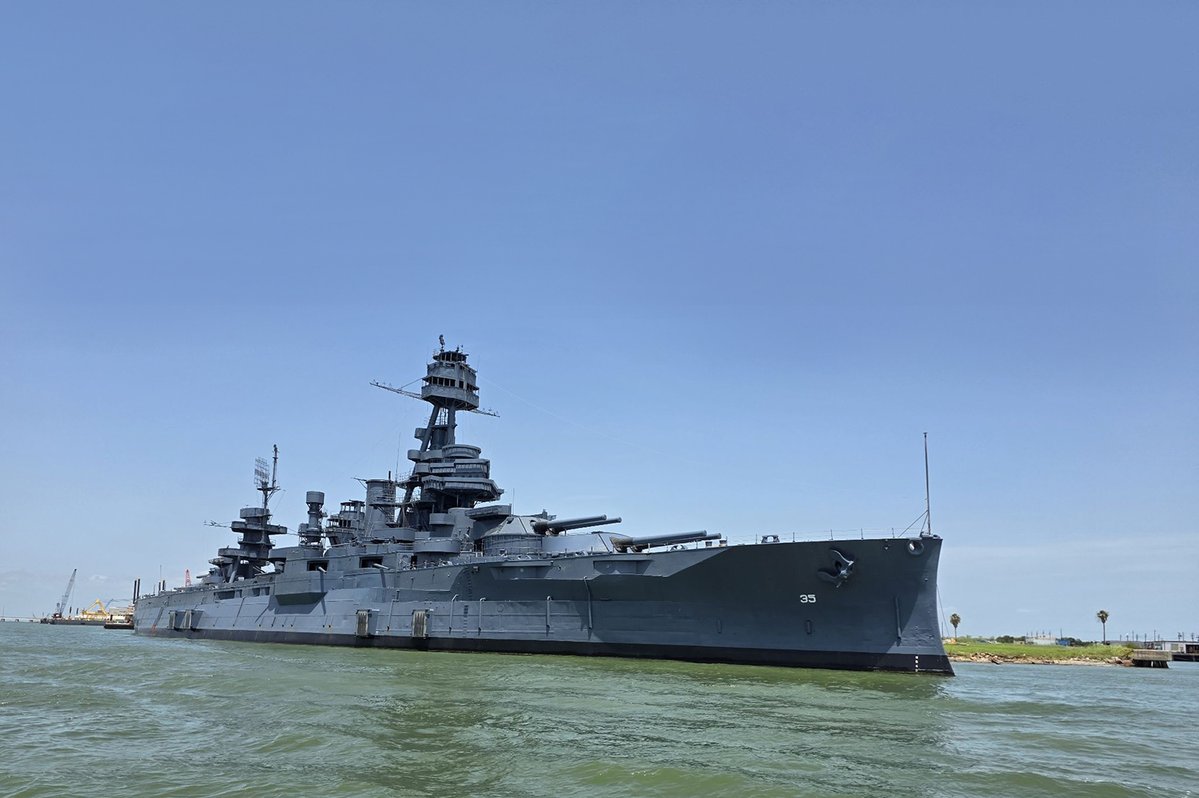
Traces of Texas reader Douglas P. was fishing in Galveston recently when he took this nice shot of the Battleship Texas all decked out in her new paint. How great is this?
Thank you, Douglas. I love that boat and this photo!
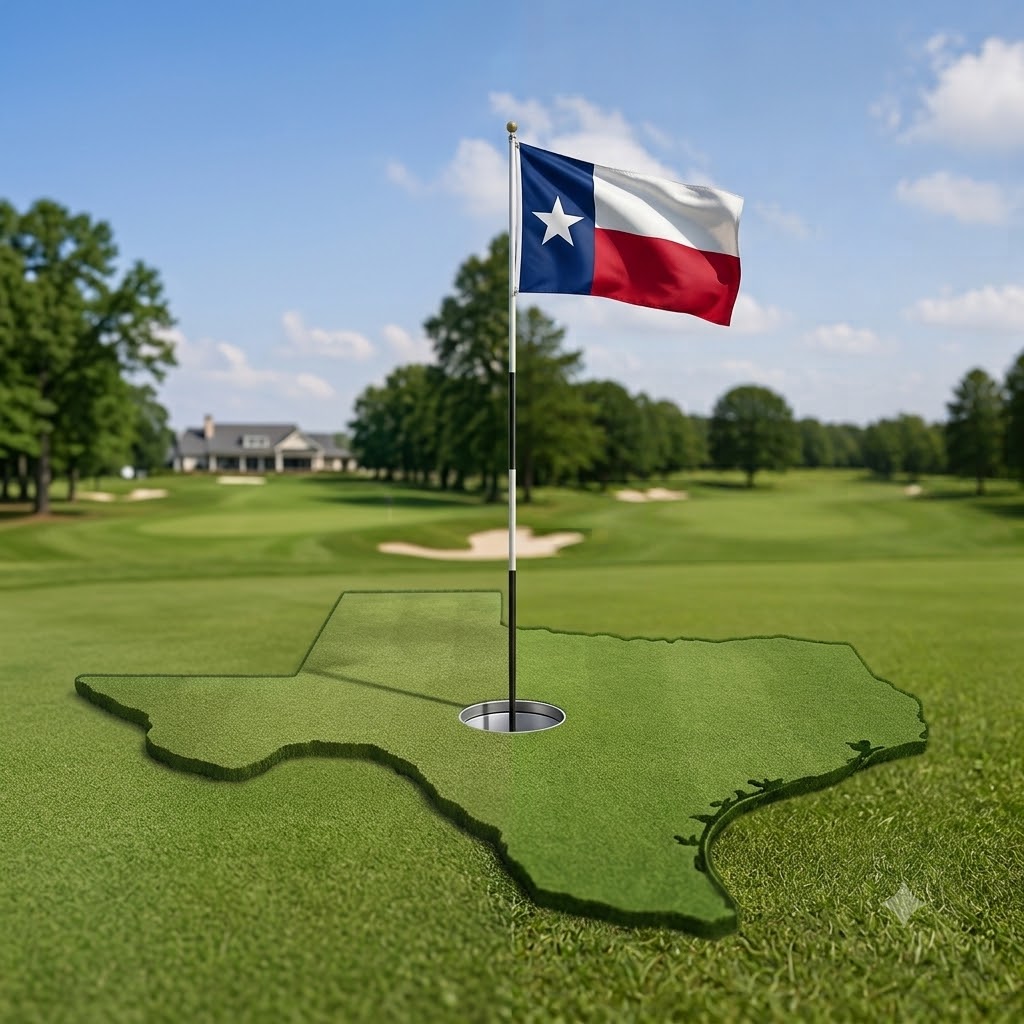
Dallas golf started with barbed wire keeping cows off the green (1896, Lemon & Oak Lawn). Yes, really. Full story: https://t.co/eZX0KZgiv9
#DallasHistory#TexasGolf
New show announcement 🎙️
WISE ABOUT GOLF — the Texas golf history podcast. Golf came to Texas in the 1880s, when it was still a frontier state. Ep 152 introduces it. https://t.co/Zf52G40lRB
#TexasHistory#TexasGolf#WiseAboutGolf
146 years ago today, on July 30, 1880, Apache leader Victorio, shown below, led Apache warriors in a fight against U.S. Cavalry near Sierra Blanca, Texas, in the Battle of Tinaja de las Palmas, also called the Battle of Rocky Ridge. The U.S. Cavalry was commanded by Col. Benjamin H. Grierson. Victorio had been on a reservation in New Mexico but had left with about 300 of his people and then eluded the army for two years.
The Battle of Tinaja de las Palmas was fought at a small seasonal water hole, or tinaja, in what is now Hudspeth County, about 15 miles southeast of Sierra Blanca. The engagement centered on a rocky hill that overlooked the tinaja. The cavalrymen called the hill "Rocky Ridge."
The reason the battle occurred there is straightforward. Victorio had been raiding into Mexico but was moving back northward into Texas. Colonel Grierson realized that Victorio's Apaches would have to stop for water before crossing into the Guadalupe Mountains. Although Tinaja de las Palmas was an unreliable water source in most years, recent rains had filled it. Grierson rushed a small force to occupy Rocky Ridge, overlooking the tinaja, forcing Victorio to attack in an effort to reach the water. That fight became one of the pivotal engagements of the Victorio Campaign.
Today the site lies on private ranch land a few miles south of present-day Interstate 10. There is no preserved battlefield park, and because the exact military positions were never surveyed with modern precision, historians can only identify the battlefield only to within a few hundred yards. Archaeologists have located the tinajas and Rocky Ridge, but excavations found very few battle-related artifacts. They have, however, discovered prehistoric petroglyphs at the water holes themselves. That's pretty cool.
Just a week after this battle, on August 6, a more decisive battle was fought at Rattlesnake Spring in what is now Culberson County, Texas, about 22 miles north of Van Horn, just east of the Sierra Diablo Mountains. The site of this battle is just a couple of miles west of Highway 54 as you travel from Van Horn to the Guadalupe Mountains. Afterward, Victorio retreated into Mexico. A few months later, Mexican troops defeated Victorio and the Apaches at Tres Castillos, largely ending Apache raids in Texas.
Back in 1953 the U.S. and Mexico created Falcon Lake, a huge international reservoir along the border in South Texas that was made by impounding the Rio Grande. Every once in a while, during hard droughts, the lake levels get low enough that the village of Guerrero Viejo, on the Mexican side of the lake, is exposed. Back in 1998 @WFStrong , Dr. George McLemore, and a group of students visited Guerrero Viejo during such a drought. They walked the dusty streets and saw the water line on the buildings. W.F. says that the most astonishing thing to him was that the church saw lots of fishing --- lures and lines on the floor and among the pews. As the water level lowered, fisherman would take their boats in there to escape the sun and fish in the shade. Apparently, at such times, Mexican folks can visit rooms in other buildings where their great grandparents were born. That's pretty amazing. This photo was taken by Dr. McLemore.
Thank you, W.F. This is super interesting!
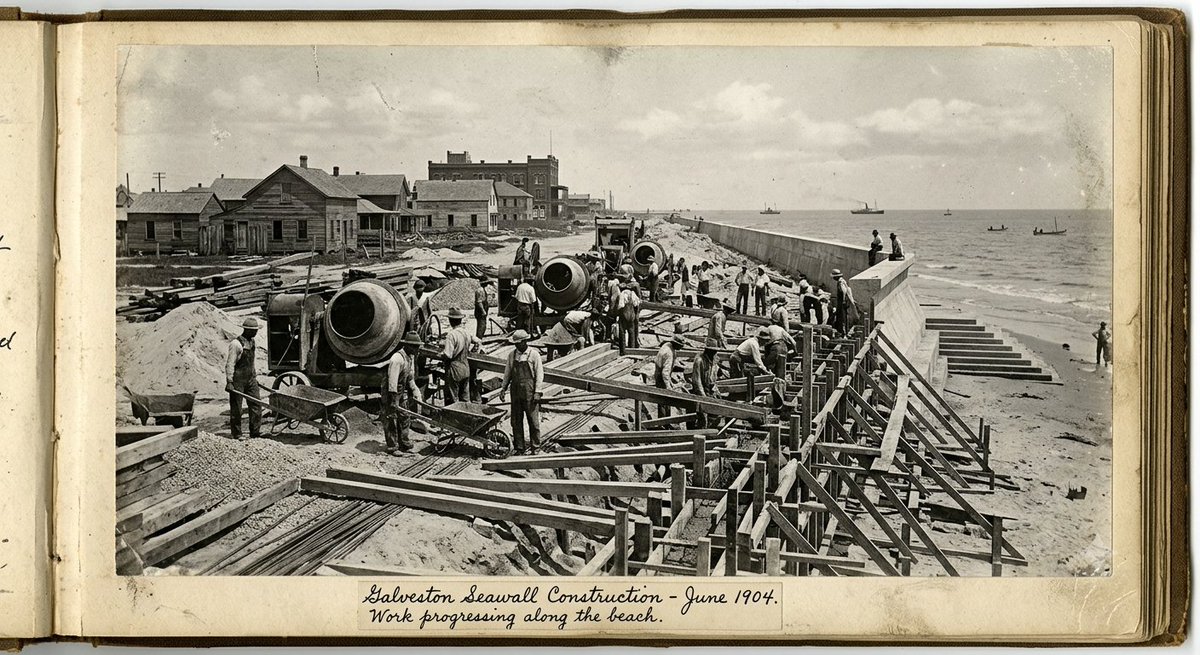
Galveston's golf course was destroyed in the deadliest natural disaster in U.S. history (1900) — and the club was back playing a championship within a year. Full story: https://t.co/pfFD3YiJco
#golfhistory#golf#GalvestonHistory#TexasGolf
Equipment changed. Courses changed. Athletes got better. But it's still the same game. ⛳ That unbroken thread is what makes golf history worth telling. @WiseAboutGolf 🎧https://t.co/EUAUGHLBWV
#golfhistory#golfpodcast#hickorygolf#golf
Texas's first golf course designer was the nephew of the first-ever Open Champion — and later won the Argentine Open three times. Meet Mungo Park Jr.: https://t.co/pfFD3YiJco
#TexasGolf#GolfHistory#golf
NEW EPISODE 🎙️ @WiseAboutGolf Ep. 3: The First Club is live. Texas's first chartered country club survived hurricanes, fires, and a wandering trophy. Listen now: https://t.co/pfFD3YiJco
#TexasGolf#GalvestonHistory