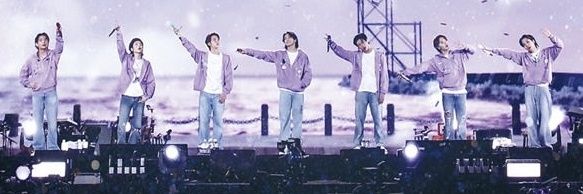
카메라 워크를 개선해 주세요.
무대의 공연자가 파트에서 포커스를 받는건 공연 연출의 기본입니다.
j-hope 역시 자신의 파트에서 제대로 된 화면을 받아야 합니다.
스크린 연출에 전문적인 방식을 도입하여 이런 일이 다시는 발생하지 않도록 조치하시길 바랍니다.
@BIGHIT_MUSIC@HYBEOFFICIALtwt
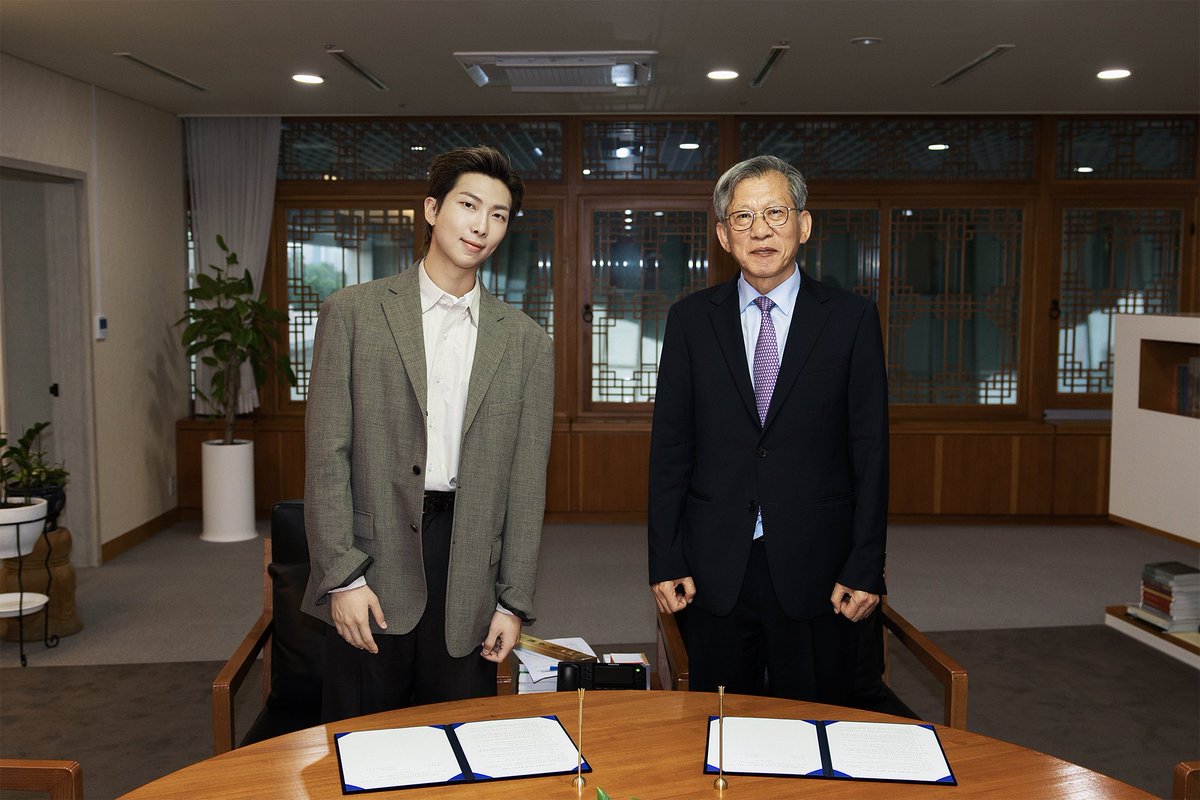
🗞️BTS RM, 국립중앙박물관과 한국 문화유산 알린다…홍보대사 위촉
그룹 방탄소년단(BTS)의 리더 RM(본명 김남준)이 국립중앙박물관과 함께 전 세계에 한국 문화유산을 알린다.
국립중앙박물관은 방탄소년단 RM을 글로벌 홍보대사로 위촉했다고 20일 밝혔다.
그는 나라 밖 문화유산을 보존·복원하고 활용하는 데 써달라며 2021년과 2022년 두 차례에 걸쳐 국가유산청 산하 국외소재문화유산재단에 1억원씩 기부한 바 있다.
여러 미술 작품을 소장하기도 한 그는 올해 10월 미국 샌프란시스코 현대미술관(SFMOMA)에서 개인 소장품 특별전을 열 예정이다.
국립중앙박물관이 글로벌 홍보대사를 임명한 건 이번이 처음이다.
좋아요, 댓글, 리트윗 부탁드립니다🙏💙
#방탄소년단RM #RM #김남준 #Namjoon #BTSRM
🔗https://t.co/mLHg8L1aM8
📰 #BTS#RM, 국립중앙박물관과 한국 문화유산 알린다…홍보대사 위촉
그룹 방탄소년단(BTS)의 리더 RM(본명 김남준)이 국립중앙박물관과 함께 전 세계에 한국 문화유산을 알린다.
국립중앙박물관은 방탄소년단 RM을 글로벌 홍보대사로 위촉했다고 20일 밝혔다.
RM은 평소 한국 전통문화와 미술에 남다른 관심을 드러내며 선한 영향력을 미쳐왔다.
그는 나라 밖 문화유산을 보존·복원하고 활용하는 데 써달라며 2021년과 2022년 두 차례에 걸쳐 국가유산청 산하 국외소재문화유산재단에 1억원씩 기부한 바 있다.
여러 미술 작품을 소장하기도 한 그는 올해 10월 미국 샌프란시스코 현대미술관(SFMOMA)에서 개인 소장품 특별전을 열 예정이다.
국립중앙박물관이 글로벌 홍보대사를 임명한 건 이번이 처음이다.
RM은 앞으로 국립중앙박물관을 알리는 여러 홍보 활동을 함께하며 한국 역사와 전통문화를 세계에 소개하는데 힘을 보탤 예정이다.
🚨 6월 12~13일 부산 콘서트
소속사 운영 부실에 대한 강력 규탄 및 사과 요구
1. 소속사의 총체적인 운영 능력 부족
(시스템 마비 및 준비성 결여)
스마트 페이스 패스(Smart Face Pass) 먹통: 대규모 인파가 몰리는 상황을 전혀 예측하지 못한 듯, 입장 전산 시스템 및 페이스 패스 기기가 제대로 작동하지 않아 극심한 병목 현상이 발생했습니다.
입장 팔찌 수량 부족 사태: 현장에서 배부해야 할 입장 팔찌가 모자라 현장 확인 및 입장이 무한정 지연되는 말도 안 되는 상황이 벌어졌습니다.
아미 선물 패키지 미수령 문제: 방탄소년단 멤버들이 팬들을 위해 정성껏 준비한 선물 키트가 특정 게이트에서 조기에 소진되어, 수 시간 동안 줄을 서고도 받지 못한 팬들이출출했습니다.
2. 위험천만하고 비효율적인 동선 관리
안내 가이드 및 표지판 부실: 동선 안내가 명확하지 않아 수만 명의 대규모 인파가 특정 게이트로만 몰리는 병목 현상이 심화되었습니다.
현장 스태프들의 통제 및 안내 능력도 미흡해 혼란을 가중시켰습니다.
외국인 관람객 방치: 관람객의 높은 비율을 차지한 글로벌 팬들을 위한 다국어 안내나 전용 동선 배치가 미비하여, 현장에서 어찌할 바를 몰라 헤매는 외국인 아미들의 민원이 빗발쳤습니다.
3. 폭염 속 최악의 편의 시설 (물 부족 및 탈진 위험)
치명적인 식수(물) 공급 부족: 6월 중순의 무더운 날씨 속에서 몇 시간씩 대기해야 했음에도 불구하고, 대기 구역 및 관람석 주변에 식수 공급이 턱없이 부족했습니다.
휴식 및 안전 인프라 전멸: 긴 대기 동선에 비해 그늘막이나 휴식 공간이 전무하다시피 하여 현장에서 탈진이나 어지러움을 호소하는 팬들이 많았습니다.
아티스트의 명성에 전혀 걸맞지 않는 아마추어식 상업 공연 운영에 대해 깊은 유감을 표하며, 소속사 차원의 공식적인 사과와 재발 방지 대책을 강력히 촉구합니다.
#hybe
🚨 6월 12~13일 부산 콘서트 소속사
운영 부실에 대한 강력 규탄 및 사과 요구
1. 시스템 오류 및 준비 부족에 대한 항의
유료 티켓을 구매하고 정당하게 관람하러 온 관객들에게 스마트 페이스 패스 오류, 입장 팔찌 부족 등으로 엄청난 대기 시간과 정신적 고통을 안겼습니다.
아티스트가 팬들을 위해 준비한 웰컴 선물 패키지조차 수량 조절 실패로 배부받지 못하는 관객들이 대거 발생한 점에 대해 소속사의 명확한 소명을 요구합니다.
2. 비효율적 동선 배치와 안전 관리 소홀
명확한 가이드라인 부재로 특정 게이트에 인파가 위험하게 몰렸으며, 현장 스태프의 미숙한 대처로 관객들의 안전이 심각하게 위협받았습니다.
3. 혹서기 대비 편의시설(식수 등) 미비
6월 폭염 속에 진행되는 야외 공연임에도 기본적인 식수(물) 조달조차 원활하지 않아 많은 관객들을 탈진 위험에 몰아넣은 것은 명백한 운영 태만입니다.
아티스트의 명성에 전혀 걸맞지 않는 아마추어식 상업 공연 운영에 대해 깊은 유감을 표하며, 소속사 차원의 공식적인 사과와 재발 방지 대책을 강력히 촉구합니다.
#하이브_부산콘_운영부실_해명해
#빅히트_관객대우_공식사과해
#HYBE_ApologizeToARMY
카메라 워크를 개선해 주세요.
무대의 공연자가 파트에서 포커스를 받는건 공연 연출의 기본입니다.
j-hope 역시 자신의 파트에서 제대로 된 화면을 받아야 합니다.
스크린 연출에 전문적인 방식을 도입하여 이런 일이 다시는 발생하지 않도록 조치하시길 바랍니다.
@BIGHIT_MUSIC@HYBEOFFICIALtwt
안녕하세요, 올포지민입니다.
지민의 고향에서 진행된 BTS 월드투어
'ARIRANG in BUSAN’ 콘서트가 끝났습니다.
이번 서포트는 콘서트와 데뷔 기념일을 축하하며, 팬분들께는 소중한 추억의 공간을, 부산 시민분들께는 전 세계에서 큰 사랑을 받는 지민이의 자랑스러운 모습을 보여드리고자 했습니다.
소중한 참여로 함께해 주신 팬분들 덕분에
이번 서포트도 성공적으로 진행할 수 있었습니다.
진심으로 감사드립니다.
또한 많은 도움을 주신 부산교통공사 관계자분들, 지민아트월 디자인 잼잼님 (@parkjamjam_kr), 팬아트 꿀망님 (@honeymanggae) , 사진제공 슬로우스타터님 (@slowstarter1013) &
하늘연달열사흘님 (@skypjm1013) 께도 감사의 인사를 전합니다.
부산 지하철에서 진행되는 서포트는 6월 30일까지 계속 만나보실 수 있으니 끝까지 함께 즐겨주시고 많은 후기 부탁드립니다.
지민이를 가장 잘 빛나게 할 수 있는 서포트를 고민하며 짐토버도 준비하겠습니다.
앞으로도 많은 관심과 응원 부탁드립니다 🩵
#지민 #지민이는_우리의_매직샵
My Letter to the Korean Music Critic Who Downplayed BTS's AMA Triumph
Two days ago, when I wrote my post about BTS's victory at the American Music Awards, I had no idea that a Korean music critic, someone prominent enough to serve on the selection committee for the Korean Music Awards (KMA), had publicly disparaged BTS's Artist of the Year win.
He argued that the AMA is no longer one of the three major music awards ceremonies in the United States. And that it has lost much of its prestige and influence. He also claimed that because the winners are determined by fan voting, the AMA should not be taken seriously.
He even suggested that BTS was the only major artist who attended the ceremony while other big names stayed away. The critic's view: because they don't give a hoot about the AMA.
He never explicitly said that BTS's victory meant nothing. But by dismissing the AMA itself so thoroughly, the implication was difficult to miss.
This was not the first time I had encountered this sort of reaction. Back in the late 2010s, when some Korean journalists and online writers downplayed BTS's achievements, I often reached out to them through email or social media messages to offer a different perspective. In one case, we ended up exchanging many thoughtful replies back and forth, and over time, I felt that some of his views on BTS began to change.
As many of you know, even when I strongly disagree with someone, I try to remain polite, reasonable, and emotionally grounded. That was the approach I took then, and it was the approach I took again this time.
After obtaining the critic's email address, I wrote to him and respectfully explained why I disagreed with his assessment.
I want to share that letter with you because some of the points I raised may be of interest, particularly the history and original purpose of the American Music Awards, which many younger fans outside the United States may not be familiar with.
I wrote to him in Korean, and below is my own translation of the letter:
Dear Mr. Jung Min-jae,
Hello. I am an educator living and working in Seoul. I am well aware that you have received your share of criticism from ARMYs. However, I am writing not out of hostility, but out of a genuine desire to have an open and constructive conversation.
I would simply like to offer a different perspective on some of the points you raised regarding the American Music Awards.
First, you argued that the AMA is no longer one of America's three major music awards shows and that it has lost much of its former prestige and influence. As someone who spent his youth and college years in the United States, I see things differently. For people like me, the AMA and the Grammys were, and still are, the two pillars of American music awards. The Billboard Music Awards did not enter the public consciousness in a major way until much later.
At least before the 2010s, the Grammys carried a reputation for being overly conservative and establishment-minded. To be frank, many people considered it somewhat dull. The AMA, by contrast, was always the fun one. It was energetic, accessible, and unapologetically fan-oriented. Personally, I have rarely watched the Grammys except in years when BTS received nominations. Yet from my youth until I moved back to Korea, I watched the AMA every single year without fail.
When Dick Clark created the AMA in the early 1970s, he did so as an alternative to the Grammys. The Grammys still operate through a system in which nominees are selected by committees and winners are chosen by voting members. Many of those committee members and voters are older industry insiders, and historically they have been disproportionately white and male. That has long been the nature of the institution. The AMA, on the other hand, was built from the beginning around the idea that music fans and the general public should have a meaningful voice.
In fact, I spoke with my friends in the United States about this issue yesterday. Every one of them still considers the AMA and the Grammys to be the two most iconic music awards shows in America.
For those reasons, I hope you will not take the opinions of some Americans who dismiss the AMA because BTS, a foreign group, won the award (you even reposted one such tweet) as evidence that the AMA has somehow become irrelevant.
You also argued that because AMA winners are ultimately determined through fan voting, the awards should not be taken too seriously. I would respectfully disagree.
The AMA nomination process is not a simple popularity contest. Nominees are selected based on a wide range of objective metrics, including album sales, radio airplay, streaming figures, and other measurable indicators of public engagement. Fans then vote among those nominees to determine the winners.
Music, perhaps more than any other art form, is powered by fans. Fans buy albums. They call radio stations to request songs. They organize streaming parties. They purchase concert tickets and fill arenas. Given that reality, it seems entirely reasonable for a music awards show to reflect the voices of the people who sustain the industry.
The same principle applies even in classical music. No matter how extraordinary a musician may be, their work ultimately depends on audiences. The reason pianist Yunchan Lim sells out concert halls around the world is because he has earned the admiration of countless music lovers. After becoming the youngest winner in the history of the Van Cliburn International Piano Competition at just eighteen years old, he captivated audiences globally and built a devoted following.
For that reason, I believe the AMA is one of the awards shows most closely aligned with how popular music actually functions today. In many ways, the Grammys represent an older model. The AMA does not. That is why I do not believe its influence will fade anytime soon.
Finally, you pointed out that BTS attended the ceremony while many other major artists did not. But the same has always been true of the Grammys. Every year, numerous high-profile artists skip the event, even when invited. That is hardly unusual.
More importantly, who is the most popular and influential music act in the world right now?
In my view, the answer is BTS.
And BTS showed up.
It is comparable to the Beatles attending an awards show in the 1960s or Michael Jackson attending one in the 1980s. The presence of the Beatles alone was enough to give an event significance and prestige. The same logic applies here. The fact that BTS chose to attend demonstrates that the AMA remains a meaningful and influential platform.
As a music critic, I am sure you understand better than most what it means for an artist from a non-English-speaking country to win an American music award of this magnitude.
You know how extraordinarily difficult it is.
You know the barriers that must be overcome.
And you understand what such an achievement symbolizes, not only for the artist but also for the broader cultural landscape.
That is why I cannot help but wish that more attention had been given to that larger cultural significance and value, instead of focusing on whether the AMA has lost prestige or influence.
Thank you for taking the time to read my thoughts. If the opportunity ever arises, I would be more than happy to hear your perspective and any rebuttal you may have. My feeling is that you and I probably have far more in common than we do in disagreement. Above all, we both care deeply about music.
I wish you good health and all the best.