Biodegradable can mean compostable or needs special facilities.
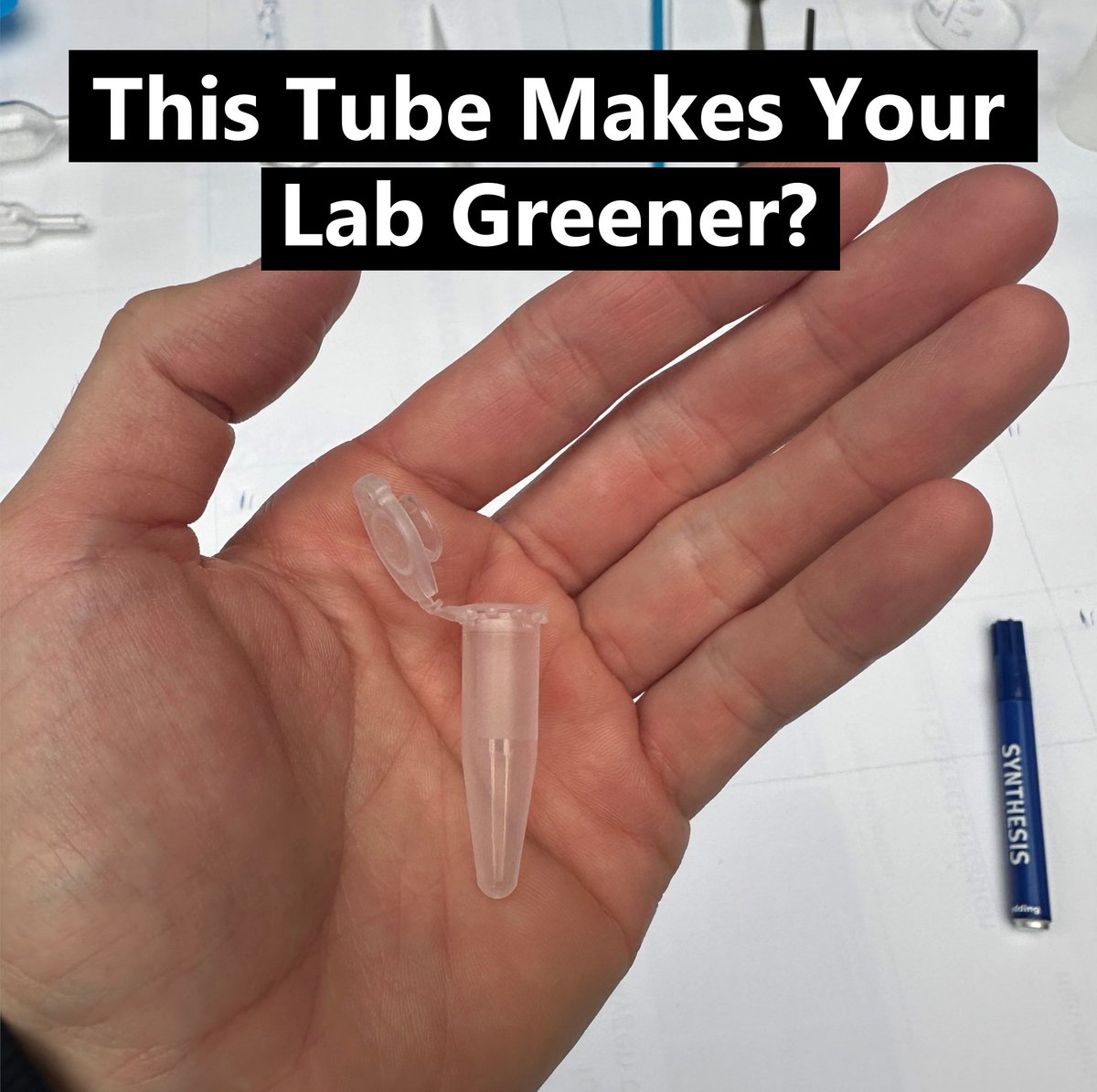
Made from biological sources: the thumbnail, the bio-based Eppendorf tube = 90% food oil waste + 10% fossil materials (for quality).
Want to know what’s actually feasible for your lab?
https://t.co/8YtF0ZoT9r
“Bioplastics” can mean many things:
Two key distinctions:
🔹 Biodegradable vs. non-biodegradable
🔹 Made from biological vs. fossil sources
Some “bioplastics” are still fossil-based.
Surprisingly, non-biodegradable biobased ones may be greener right now.
To help, there will be a 20-min presentation + email resource:
👉 https://t.co/Fi8Aw2tble
Done properly, sustainability can save labs €2000+ and cut >50% of reagent/antibody use.
Don’t get caught off guard—funders expect this.
#GreenLab#Funding#EnvironmentalSustainability
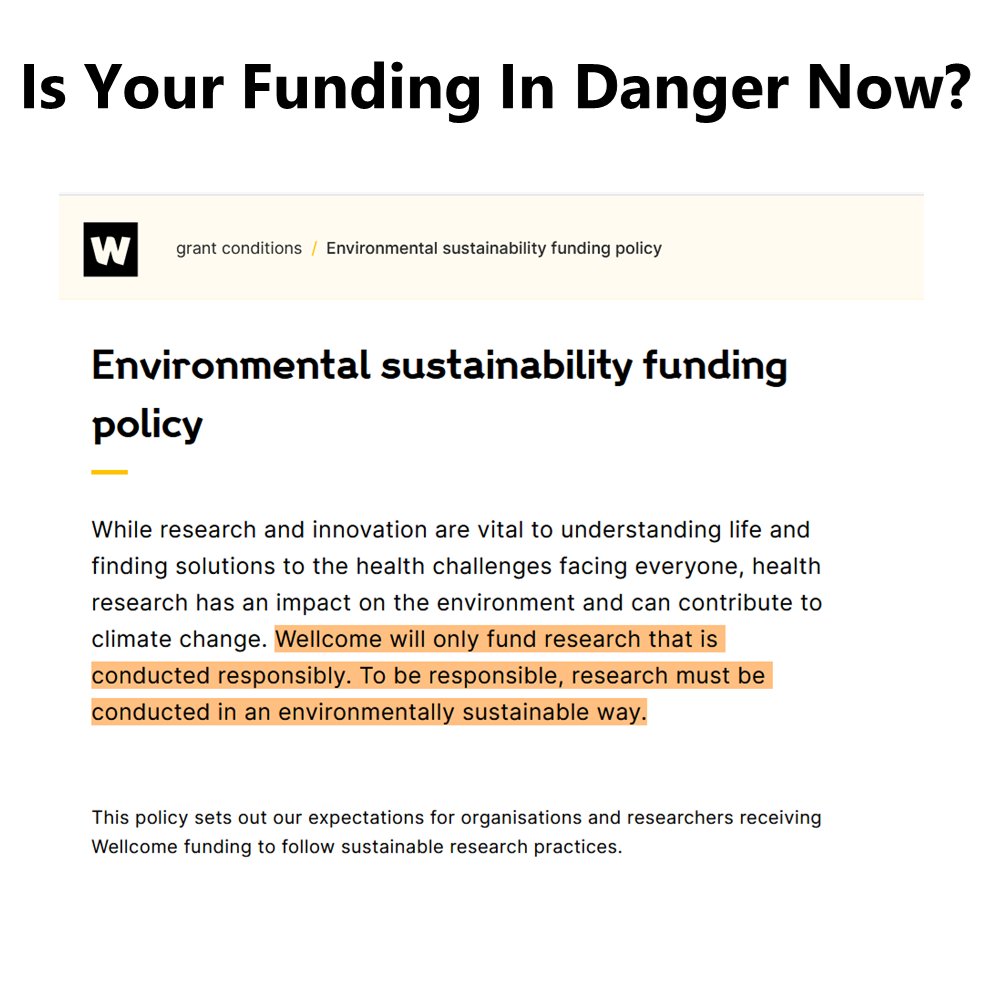
If you work in science, you need to adopt sustainable practices now—otherwise, you may soon lose funding.
2 of the world’s largest funders already require labs to report:
🔹 Cutting plastic waste
🔹 Reducing energy use
🔹 Traveling less
If not, applications won’t be considered
This isn’t hypothetical.
In the UK & Germany, it’s already a reality.
Last autumn, 7 major funders pledged support for sustainability.
Wellcome Trust & CRUK even require accredited certification: a 3–6 month process.
But done wrong, it can endanger your workflow and samples!
I’ve optimized dozens of lab workflows to be greener🌱
Skeptical? I’ll show you how in a free 20-min online talk at the biggest sustainability summit.
🎥 Register & get the recording here: https://t.co/W0V4FyqWJW
“Sustainable practices burned down their lab!”
That’s the story I once heard. Someone stored lab waste instead of disposing of it. A fire broke out, and the stored waste fueled it.
What's the take away?⬇️
#STEM#GreenLab
That wasn't Proper sustainable practices!
Green action doesn’t disrupt experiments or workflows.
What I have seen from them:
🔹 70% less plastic waste with smarter plating
🔹 Sterile cabinets <1 min after restart
🔹 S2 protocols optimized to save time + plastic
Therefore, you don’t need to read 100s of pages.
One short email often tells you everything.
Want more strategies to catch greenwashing in science?
🎥 Register for our short online session + get a practical handout: https://t.co/AuYtBLcWCa
#GreenLab#STEM#PhDLife
Quick tip to spot greenwashing:
- Some push “infinite recycling loops” that don’t exist
- Others fudge carbon accounting
- Or pretend an analysis = certification
👉 Just ask the company for details.
If claims are exaggerated, you’ll likely hear… nothing.
❌ Silence = red flag
Something we should tell every graduate:
Uni won’t teach you to follow your❤️but it will shape your career.
After graduation, the structure disappears.
You need to forge your own path.
What I heard scientists advise: Listen to your heart it will lead you properly
Other tips?
There’s a new publishing model you should know about.
🔹 Subscribe to Open (S2O)
If enough libraries keep subscribing, the journal flips to 100% open access for that year.
If not, it falls back to subscriptions + APCs.
Read more in the thread
#ScientificPublishing
The first journal to try S2O?
👉 Annual Reviews, back in 2017.
Now, other big names like the Royal Society (UK) are adopting it too.
For scientists, if S2O works:
Free access to articles 📖
Free publishing (no APCs) ✍️
But uncertainty if it’ll stay that way each year 🤷
The result?
✅ 45+ concrete opportunities for greener practices
What made this work?
Enthusiasm + positivity.
Here is my full list of sustainable actions: https://t.co/5It6eXLbUq
Research labs generate tons of plastic waste every year.
But what if making science greener didn’t require extra effort from scientists? 🧪
Here’s how one of the world’s leading institutes tackled it—Leibniz-HKI 👇
@LeibnizHKI
The Leibniz-HKI (renowned for microbiology & natural products) asked me to to consult and explore:
🔹 How to cut lab plastic waste
🔹 How instruments (HPLC, MS, PCR) can run more sustainably
🔹 How to get 400+ scientists onboard—without disrupting their work
It took almost a year... we hit 900+ subscribers.
No ads. Just consistency.
We are told these days success is instant
Reminder:
Not everything works right away.
Experiments don’t. Ideas don’t.
But if you stick with it, they will.