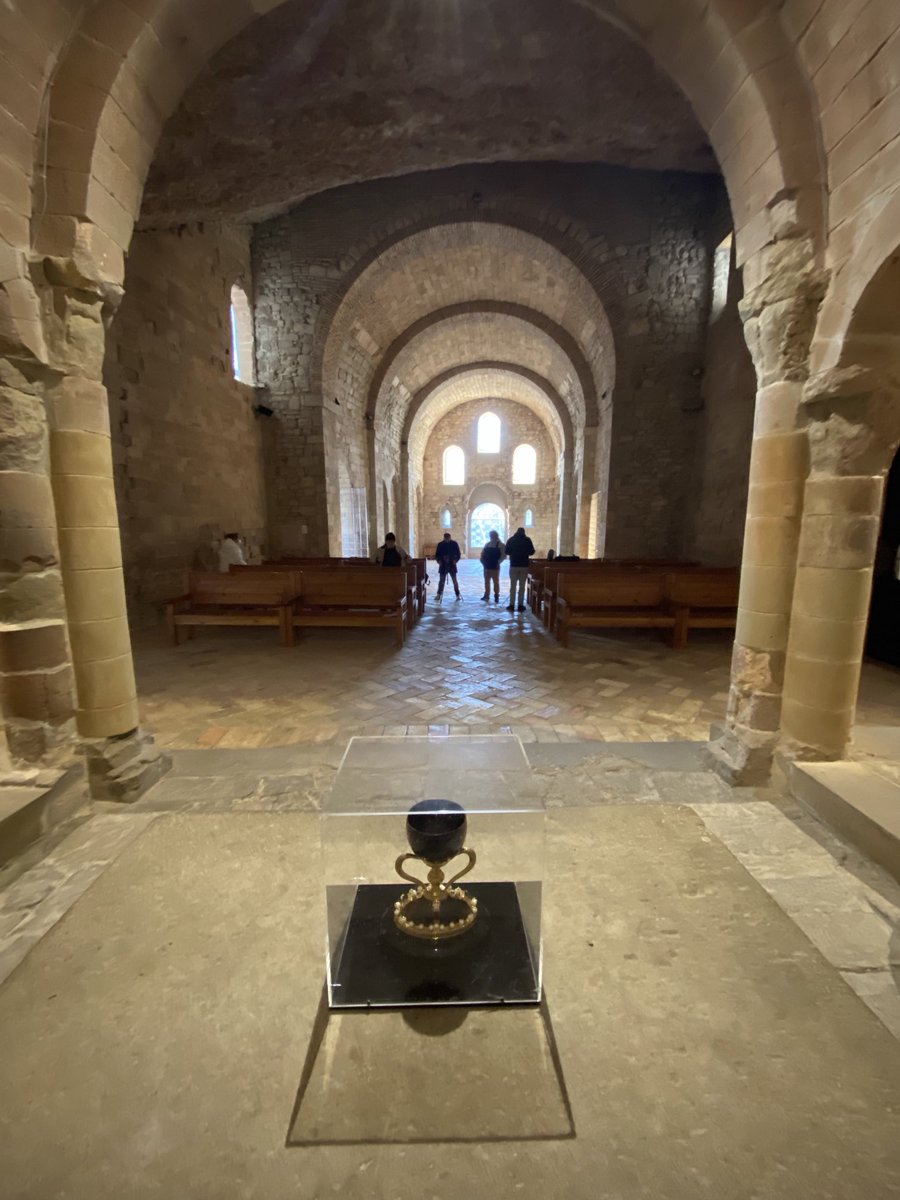
Son horas críticas para el monasterio de San Juan de la Peña. En este instante, los equipos de extinción trabajan con entrega absoluta. Me hablan de “defensa heroica” frente al fuego. Ánimo. Estamos con ellos.
Salvaje reyerta en un parking VIP de Marbella entre cayetanos partidarios del corte más clásico y elegante de Scalpers y cayetanos partidarios del estilo más informal y desenfadado de El Ganso.
Ante el avance de las llamas en el #IFPeñasdeRiglos, Agentes para la Protección de la Naturaleza y técnicos de Patrimonio del @GobAragon, junto a @UMEgob, han llevado a cabo una actuación decisiva para proteger el Monasterio de San Juan de la Peña y poner a salvo bienes históricos de valor incalculable.
🔥 Defensa directa de un enclave único.
🏛️ Evacuación y protección de patrimonio histórico.
🪖 Preparación, coordinación y capacidad de respuesta ante una situación límite.
Cuando una emergencia amenaza no solo vidas y territorio, sino también siglos de historia, cada minuto cuenta.
#SanJuandelaPeña
El fuego comienza a sitiar el Monasterio de San Juan de la Peña, cuna del Reino de Aragón... Un entorno extraordinario, que guarda cientos de años de historia de nuestra comunidad y nuestro país, y una tierra con un legado histórico representado en el escudo de España 💔
La NASA publica esta foto de Zaragoza en 'Astronomy Picture of the Day'.
El eclipse de ayer, con el Pilar y el Ebro como escenario.
Qué bonito ver Zaragoza así.
@NASA#Zaragoza#Eclipse2026
https://t.co/wmhpEAyP2z
“Al eliminar los archivos en papel y reemplazarlos por archivos digitales, pueden borrar la historia. Un día encontrarás el mensaje ‘la página no existe’, y al día siguiente verás que niegan que haya sucedido.”
Julian Assange.
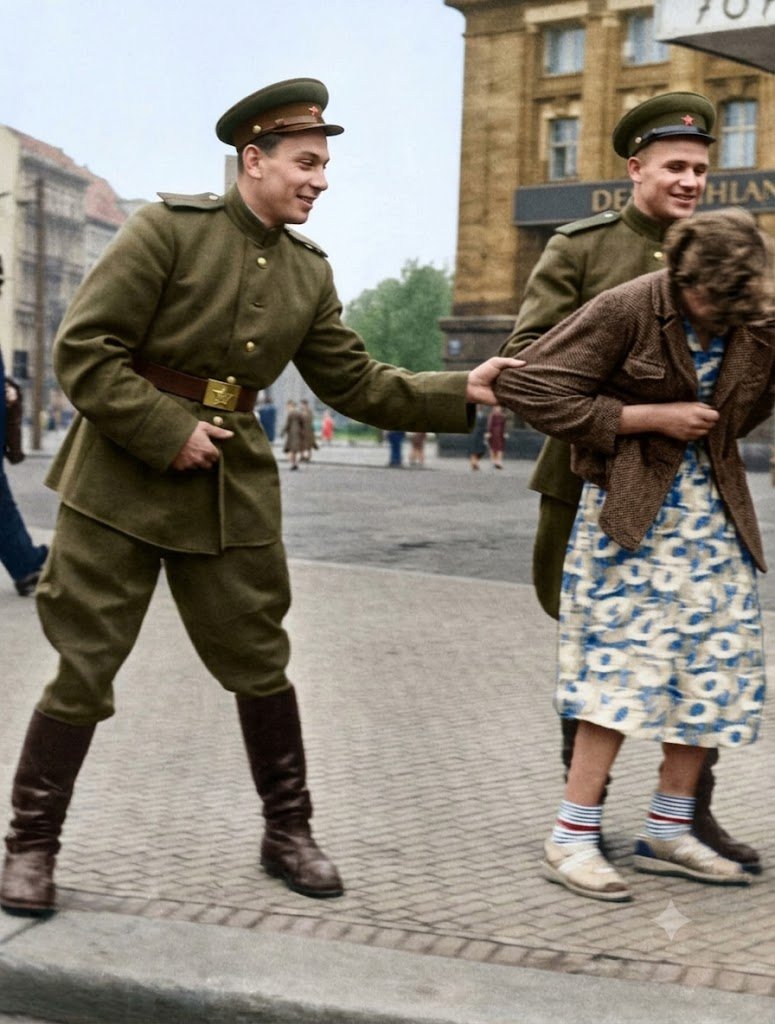
In 1945, as the Red Army pushed into eastern Germany and took Berlin, historians estimate that close to 2 million German women were raped. Around 100,000 in Berlin alone. It is one of the largest mass rapes in recorded history, and most people have never heard a single word about it.
It did not begin in Berlin. As Soviet forces crossed into East Prussia in late 1944, whole villages were overrun. In places like Nemmersdorf, German propaganda splashed the killings and rapes across the papers, which only made civilians farther west flee in terror as the front moved toward them.
The victims were not only young women. Documented cases run from girls as young as 8 to women in their 80s. Age, illness, and pregnancy spared no one. Antony Beevor found records of women pulled from hospital beds and from the cellars where entire families were hiding together.
Many were not attacked once but again and again. Soldiers came through in waves, so a woman assaulted by one group would be found and assaulted by the next. Some endured it night after night for weeks once the occupation settled in. "Frau, komm" became a phrase Germans learned to dread.
The anonymous memoir "A Woman in Berlin" records women in one apartment block trying to work out who would be taken, hiding girls in attics, smearing their faces with dirt or faking illness to look untouchable. One survivor wrote that by the end the word rape had lost all its meaning.
Some women, with a grim kind of arithmetic, sought out a single officer to attach themselves to, reasoning that belonging to one man was protection from being taken by dozens. The diarist called it sleeping for food and safety. It was survival stripped down to its barest terms.
The aftermath was its own disaster. An estimated 10,000 women in Berlin died in connection with the assaults, many of them by suicide. Venereal disease spread fast through a city with almost no medicine left. Historians estimate well over 100,000 pregnancies, followed by waves of abortions and abandoned newborns.
Beevor also found that the violence did not stop at Germans. Soviet and Polish women freed from Nazi camps were raped by their own liberators. This had less to do with nationality than with a total collapse of discipline and command in the field as the war ground to its end.
Then came the silence. In the postwar East, under Soviet control, the subject was effectively forbidden. To speak of the Red Army as anything but a liberator was dangerous, so survivors carried it privately for decades. Many husbands returning from the war never asked, and many wives never told.