𝘛𝘩𝘦 𝘋𝘦𝘧𝘦𝘯𝘤𝘦 𝘰𝘧 𝘙𝘰𝘳𝘬𝘦'𝘴 𝘋𝘳𝘪𝘧𝘵 is an 1880 oil painting by Elizabeth Thompson 🇬🇧
It depicts the battle fought in 1879 between the United Kingdom and the Zulu Kingdom in the British Colony of Natal in modern South Africa.
"First of all, I wish you love, and that by loving, you may be also loved. But if it's not like that, be brief in forgetting. And after you've forgotten, don't keep anything."
Victor Hugo 🇫🇷
1802-1885
𝘗𝘰𝘳𝘵𝘳𝘢𝘪𝘵 𝘰𝘧 𝘝𝘪𝘤𝘵𝘰𝘳 𝘏𝘶𝘨𝘰 is an 1879 oil painting by Léon Bonnat 🇫🇷
It was produced five years after Hugo completed his final novel, 𝘕𝘪𝘯𝘦𝘵𝘺-𝘛𝘩𝘳𝘦𝘦. Bonnat's painting is held in the collection of the Palace of Versailles.
"I consider the struggle for a Great Poland to be my greatest duty. I will die before I betray."
𝘔𝘪𝘦𝘤𝘻𝘺𝘴ł𝘢𝘸 𝘋𝘻𝘪𝘦𝘮𝘪𝘦𝘴𝘻𝘬𝘪𝘦𝘸𝘪𝘤𝘻 🇵🇱
aka Rój (Swarm)
1925-1951
We Have Found "Rój"!
After 75 years, the IPN has identified the remains of Mieczysław Dziemieszkiewicz, codenamed "Rój", one of the best-known commanders of Poland's post-war anti-communist underground and a soldier of the National Military Union (NZW).
The breakthrough came at Warsaw's Powązki Military Cemetery, where archaeologists discovered a military eagle insignia beside human remains. Following conservation, it matched the eagle worn by "Rój" in photographs taken after his death by the communist security services in 1951.
Expanded DNA testing, including comparative samples from the exhumed remains of his mother and sister, confirmed the identification.
"Rój" was killed on the night of 13-14 April 1951 near Szyszki during a communist security operation involving the KBW, UB, and MO. His body was secretly buried, as happened to so many members of Poland's anti-communist resistance. For decades, his family did not know where he lay.
After Germany's defeat, Dziemieszkiewicz refused to accept Soviet-imposed communist rule in Poland. Following the death of his brother Roman at the hands of the Red Army in 1945, he deserted the communist-controlled army and joined the underground, leading one of the longest-lasting NZW partisan units in northern Mazovia.
@PoszukiwaniaIPN
𝘉𝘶𝘳𝘯𝘵 𝘝𝘪𝘭𝘭𝘢𝘨𝘦 is an 1879 oil painting by Albert Edelfel 🇫🇮
It depicts a Finnish peasant family that has fled their village, which has been burnt down by a military force during the uprising against the Kingdom of Sweden known as the Cudgel War (1596-'97).
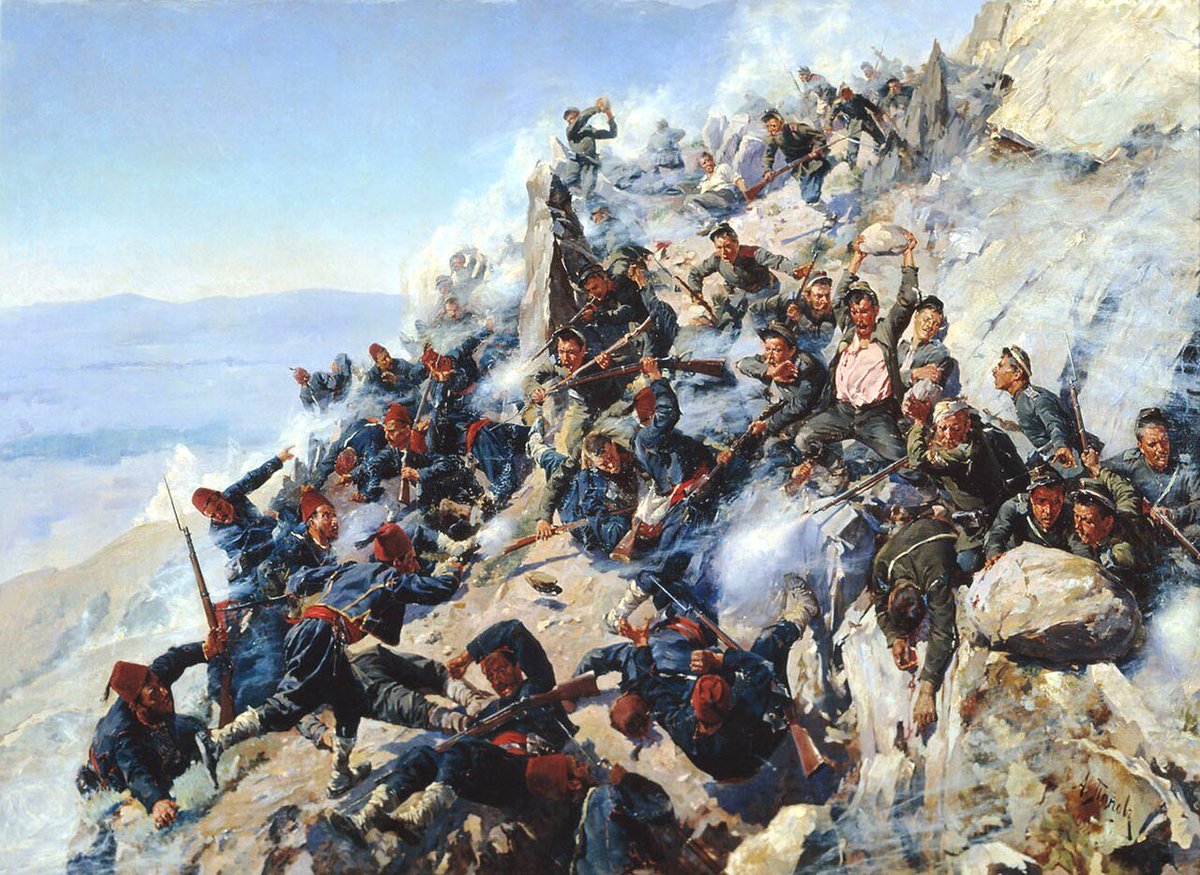
Defenders of Stoletov Peak — mostly Bulgarian volunteers — repel Ottoman forces during the Second Battle of Shipka Pass in August 1877.
𝘛𝘩𝘦 𝘋𝘦𝘧𝘦𝘯𝘤𝘦 𝘰𝘧 𝘵𝘩𝘦 𝘌𝘢𝘨𝘭𝘦'𝘴 𝘕𝘦𝘴𝘵 (1893) by Alexey Popov 🇷🇺
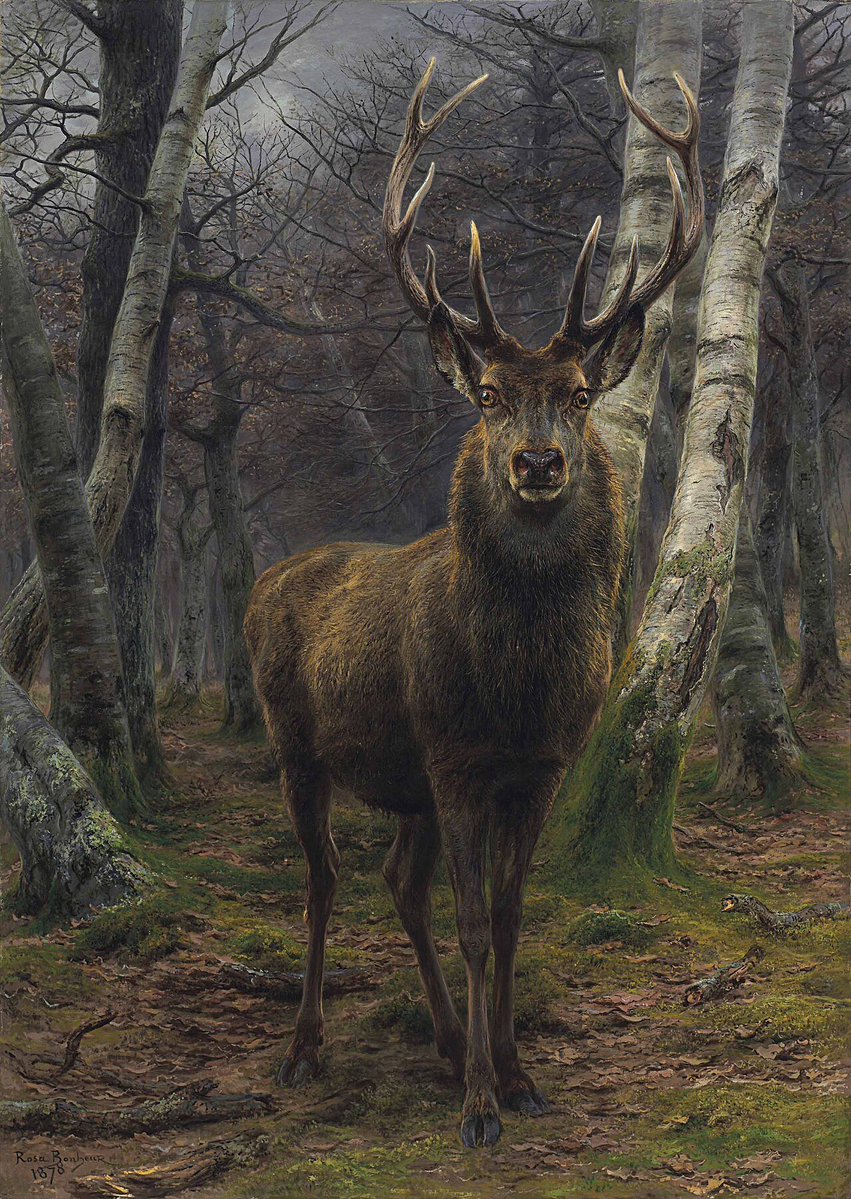
𝘒𝘪𝘯𝘨 𝘰𝘧 𝘵𝘩𝘦 𝘍𝘰𝘳𝘦𝘴𝘵 is an 1878 oil painting by Rosa Bonheur 🇫🇷
The work is held in a private collection and was exhibited at the Musée des Beaux-Arts de Bordeaux in 2022, and at the Musée d'Orsay until January 2023.
Russian General Mikhail Skobelev, known by his soldiers as the White General, led the Caucasian Cossack Brigade to victory against the Ottoman Empire at the second Battle of Pleven on July 31, 1877, in modern-day Bulgaria.
painting by Nikolai Dmitriev-Orenburgsky 🇷🇺
"I was in touch with great souls who exalted flesh and spirit over dollars and cents, and to whom the thin wail of the starved slum child meant more than all the pomp and circumstance of commercial expansion and world empire."
Jack London 🇺🇸
1876-1916
𝘛𝘩𝘦 𝘊𝘰𝘵𝘵𝘰𝘯 𝘗𝘪𝘤𝘬𝘦𝘳𝘴 is an 1876 oil painting by Winslow Homer 🇺🇸
It is considered to be Homer's most important work depicting the post- Civil War period. The painting is in the collection of the Los Angeles County Museum of Art.
𝘐𝘯𝘥𝘪𝘢𝘯 𝘚𝘶𝘮𝘮𝘦𝘳 is an 1875 oil painting by Józef Chełmoński 🇵🇱
Considered one of the artist's most renowned works and a momentous contribution to the development of Polish realism, it is on display at the National Museum in Warsaw.
𝘛𝘩𝘰𝘳'𝘴 𝘍𝘪𝘨𝘩𝘵 𝘸𝘪𝘵𝘩 𝘵𝘩𝘦 𝘎𝘪𝘢𝘯𝘵𝘴 is an 1872 oil painting by Mårten Eskil Winge 🇸🇪
It depicts Thor wearing his belt Megingjörð and wielding the hammer Mjölnir while engaged in battle against the jötnar. The painting belongs to Nationalmuseum in Stockholm.
"Life is a hard thing that presses us too tightly, forever hurting our souls. Upon feeling those restraints loosen for a moment, one can experience clear-sighted pleasures."
𝘗𝘭𝘦𝘢𝘴𝘶𝘳𝘦𝘴 𝘢𝘯𝘥 𝘋𝘢𝘺𝘴 (1896)
by Marcel Proust 🇫🇷
1871-1922