We took a look at the diseases that threaten wildlife and their health during the period of January and March 2026.
Of the 11 diseases reported during this period, avian influenza affected the highest number of threatened species.
Species threatened with extinction are few in numbers and rely on a limited geographic distribution, and therefore, their population may not recover from a significant disease outbreak.
The detection of avian influenza in species with a vulnerable conservation status is not new, it is a common and consistent finding in our analysis, highlighting the potentially detrimental impact of this disease on biodiversity conservation, due to additional mortality.
Find out more such insights from our latest Wildlife Situation report: https://t.co/QmjdlOJeBp
Vaccination has long been recognised as one of the most effective instruments in the Veterinary Services toolbox for preventing disease, protecting livelihoods and supporting safe and sustainable food production.
However, the context in which vaccines operate is changing rapidly. Climate change, geopolitical instability, evolving disease patterns, disruptions to global supply chains, growing antimicrobial resistance and declining public confidence in science are creating new challenges for animal health systems worldwide.
The latest issue of WOAH’s Scientific and Technical Review – Vaccines in action – brings together a collection of articles that reflect these evolving realities.
Read it here: https://t.co/15YxwphQVg
For the third episode of Time Out, Dame Sally Davies, England's former Chief Medical Officer and physician, and expert, Javier Yugueros Marcos exchange their thoughts on the prevailing threat of antimicrobial resistance, the way forward and if there's hope.
Good wildlife health needs more than science, surveillance and expertise. It also needs laws that give authorities the power and responsibility to act.
To understand where the legal gaps exist, with Legal Atlas we published two comparative studies looking at legislation covering terrestrial and aquatic wildlife health.
We found that wildlife health legislation was greatly lacking across the world.
Through its Veterinary Legislation Support Programme, WOAH is now helping Members identify legal gaps and develop recommendations for stronger wildlife health legislation.
Read more about the findings from the study and how we can bridge the legal gap: https://t.co/29YMFmbkVh
What keeps up England's former Chief Medical Officer at night?
For the third episode of Time Out, Dame Sally Davies, England's former Chief Medical Officer and physician, and expert, Javier Yugueros Marcos exchange their thoughts on the prevailing threat of antimicrobial resistance, the way forward and if there's hope.
Watch the full interview: https://t.co/cRH6QkWemZ
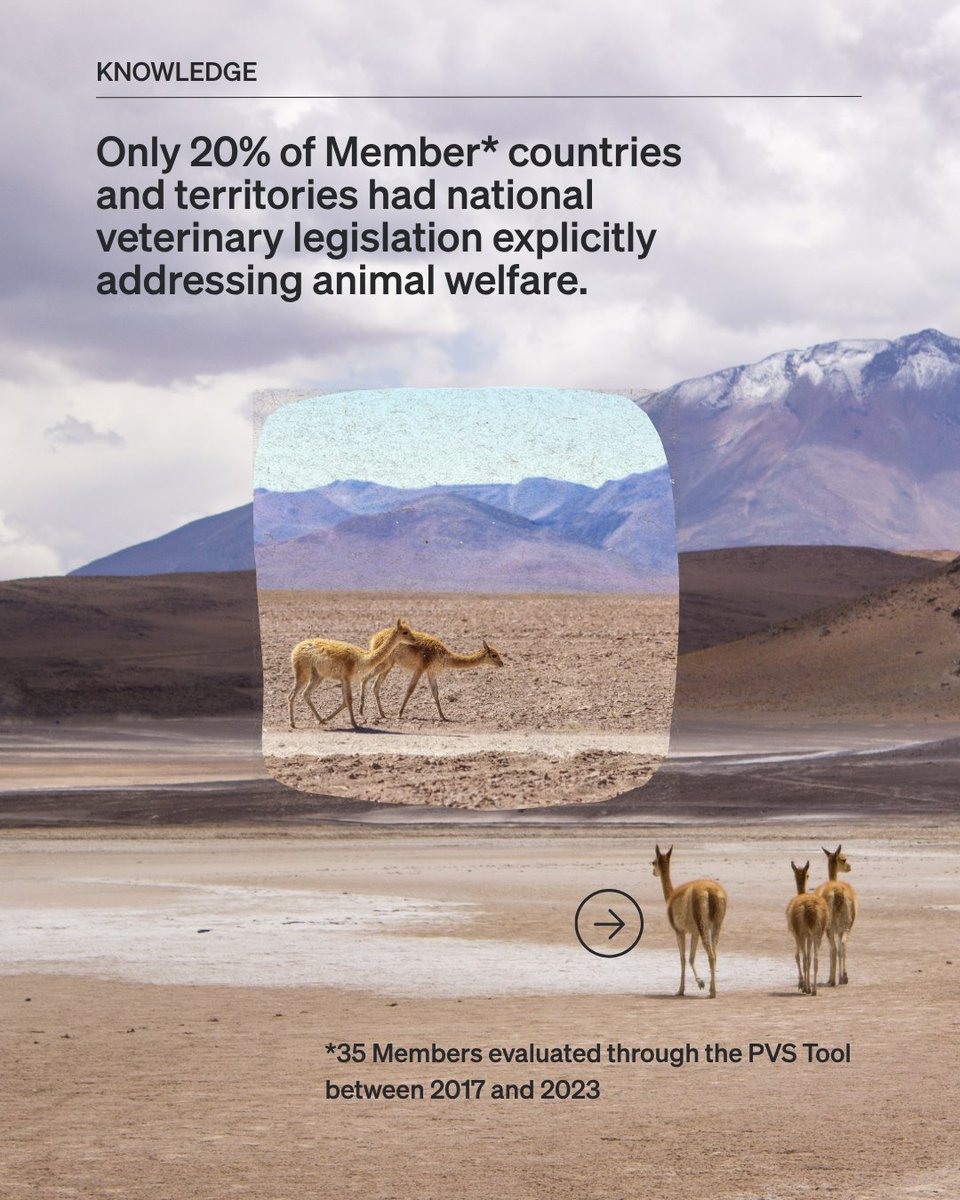
Animal welfare is still absent in many national regulations
Good welfare means more than the animals being free from disease; they also need to be comfortable, well-nourished, safe, and not suffering from unpleasant states such as pain, fear and distress. This requires frameworks that ensure such conditions from a broad and holistic perspective.
For this reason, we, together with our Members, develop international standards that address both animal health and animal welfare.
Read more about such insights: https://t.co/Wg4nyPtIgw
📣 Call for experts in antimicrobial resistance
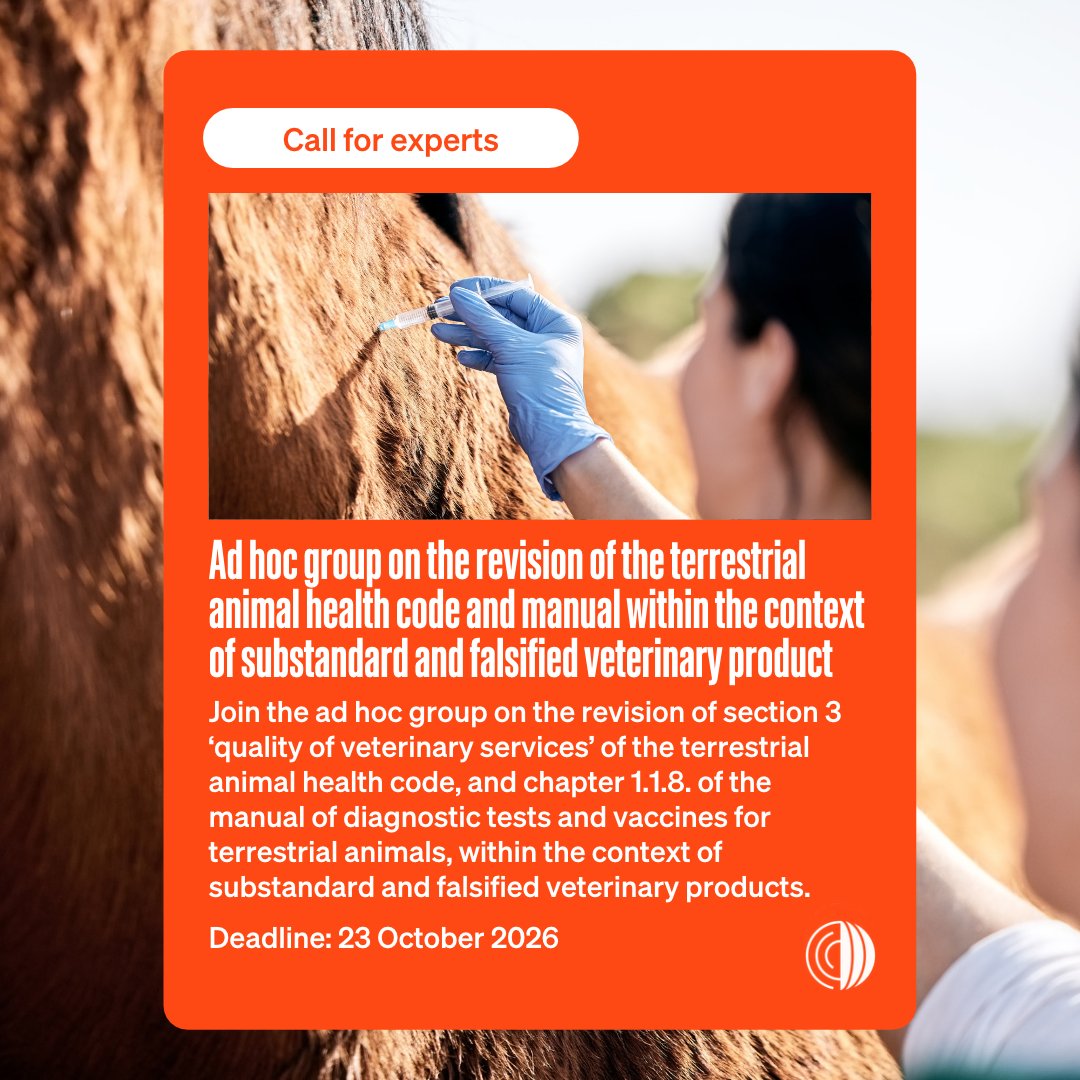
WOAH is convening a group of multidisciplinary experts (ad hoc group) to provide its membership with a revision of refinements aim to support WOAH Members in implementing post-marketing surveillance of veterinary medicinal products quality, enhancing collaboration with relevant stakeholders (inspectors, customs, law enforcement), towards the prevention, detection and response to substandard and falsified veterinary products.
Join the ad hoc group on the revision of section 3 ‘quality of veterinary services’ of the terrestrial animal health code, and chapter 1.1.8. of the manual of diagnostic tests and vaccines for terrestrial animals, within the context of substandard and falsified veterinary products.
Apply until 23 October 2026.
Find out more and apply here: https://t.co/qunwfOWTLi
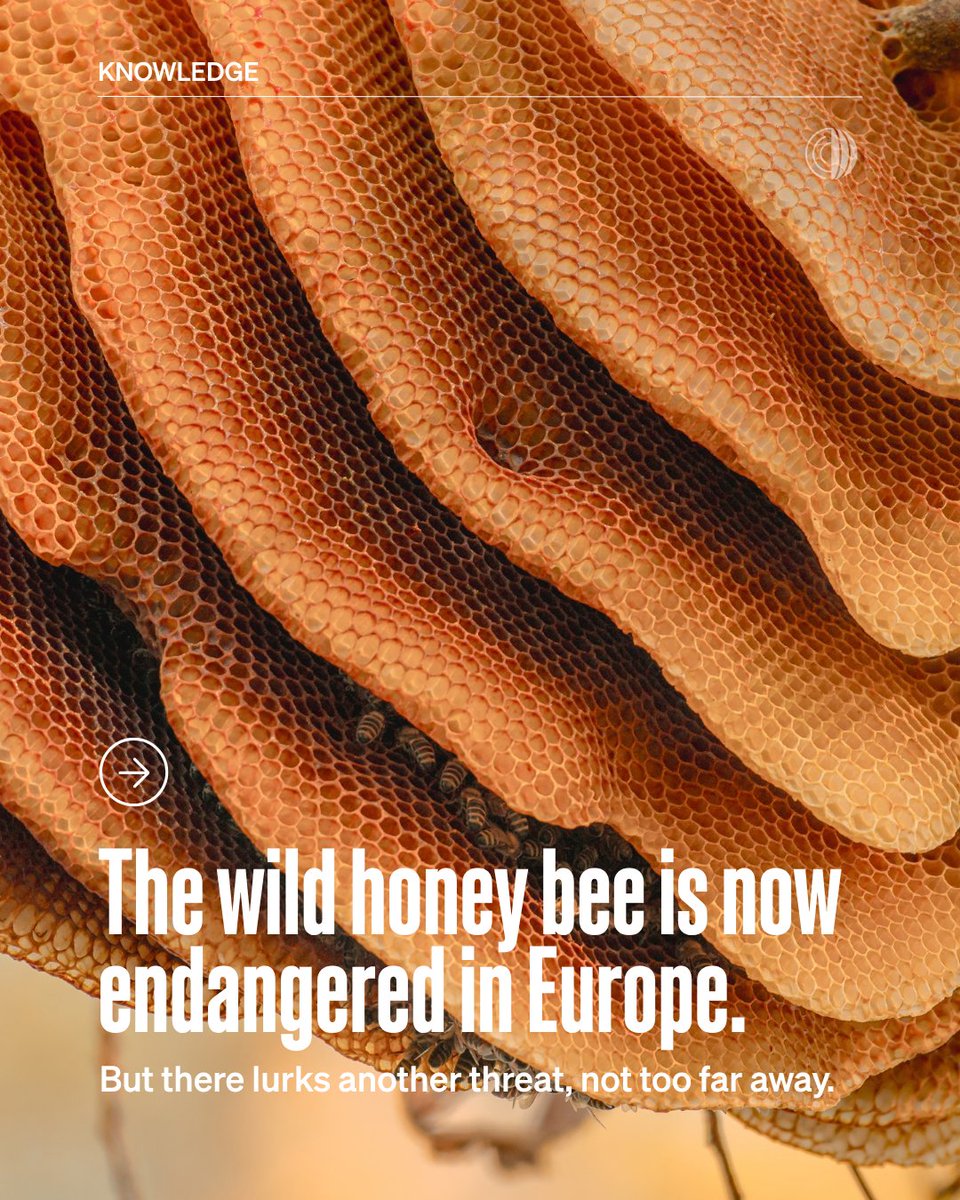
Not long after the European wild honeybee was declared endangered, a new threat emerged: the exotic mite Tropilaelaps mercedesae.
Signs indicate that the parasite is expanding its reach to Europe. The parasite reproduces in brood cells, moves quickly and can be mistaken for the better known Varroa mite.
Early detection matters. Beekeepers, veterinarians and authorities need to recognise suspected infestations, report them promptly and obtain laboratory confirmation. Countries must work together to strengthen surveillance efforts.
Find out more: https://t.co/slDW6ZAs6S
Every 9 minutes, a person dies of rabies.
Rabies still kills more than 59,000 people every year. Yet countries around the world have shown that, by putting existing knowledge and tools into action, dog-mediated rabies can be eliminated.
This year’s World Rabies Day theme, “Stronger Together,” reminds us that eliminating rabies requires that we all work together.
When animal and human health systems work together and if we vaccinate our dogs, we can prevent rabies from reaching people and move closer to a world where no one dies from this entirely preventable disease.
We must work together to stop rabies before it reaches people.
#WorldRabiesDay #WRD
What does it take to prevent the next pandemic?
At #UNGA, @WOAH_DG, Dr Emmanuelle Soubeyran highlighted the need for sustainable investment in surveillance, diagnostics, skilled workforces and strong Veterinary Services at the human–animal–environment interface.
🎞️ UN Web TV
Highlights from the latest animal disease outbreaks, as reported on WAHIS.
For real-time alerts and detailed reports, sign up here: https://t.co/yqhwibq7nA
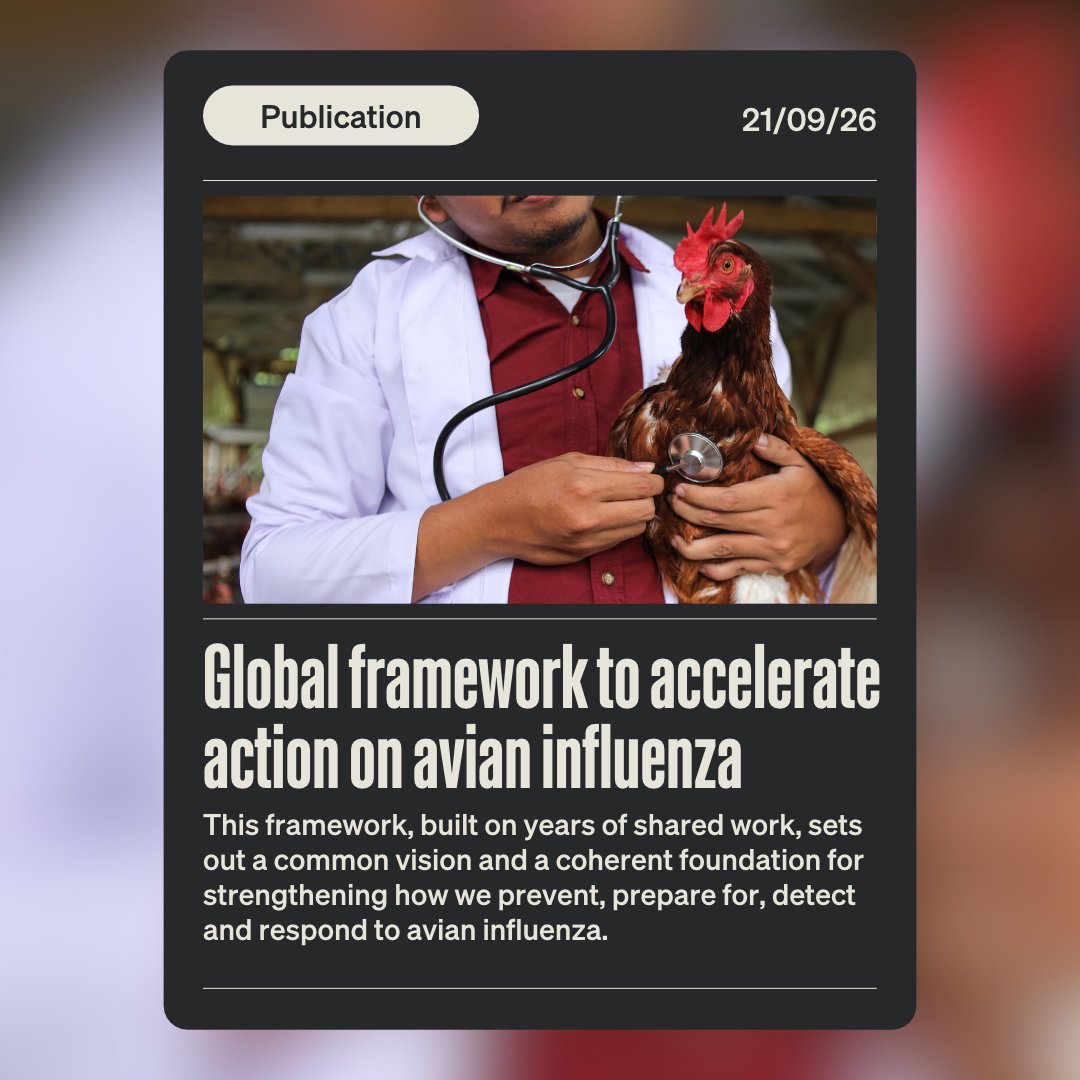
Along with @FAO, @WHO and the Convention on Migratory Species (@BonnConvention), we have developed a joint Strategic Framework to strengthen coordination and accelerate collective action on avian influenza under a One Health approach.
This framework is built on years of shared work, common learning and joint action. It sets out a common vision and a coherent foundation for strengthening how we prevent, prepare for, detect and respond to avian influenza – across sectors, borders and regions.
Take a look: https://t.co/mS9ucw41OP
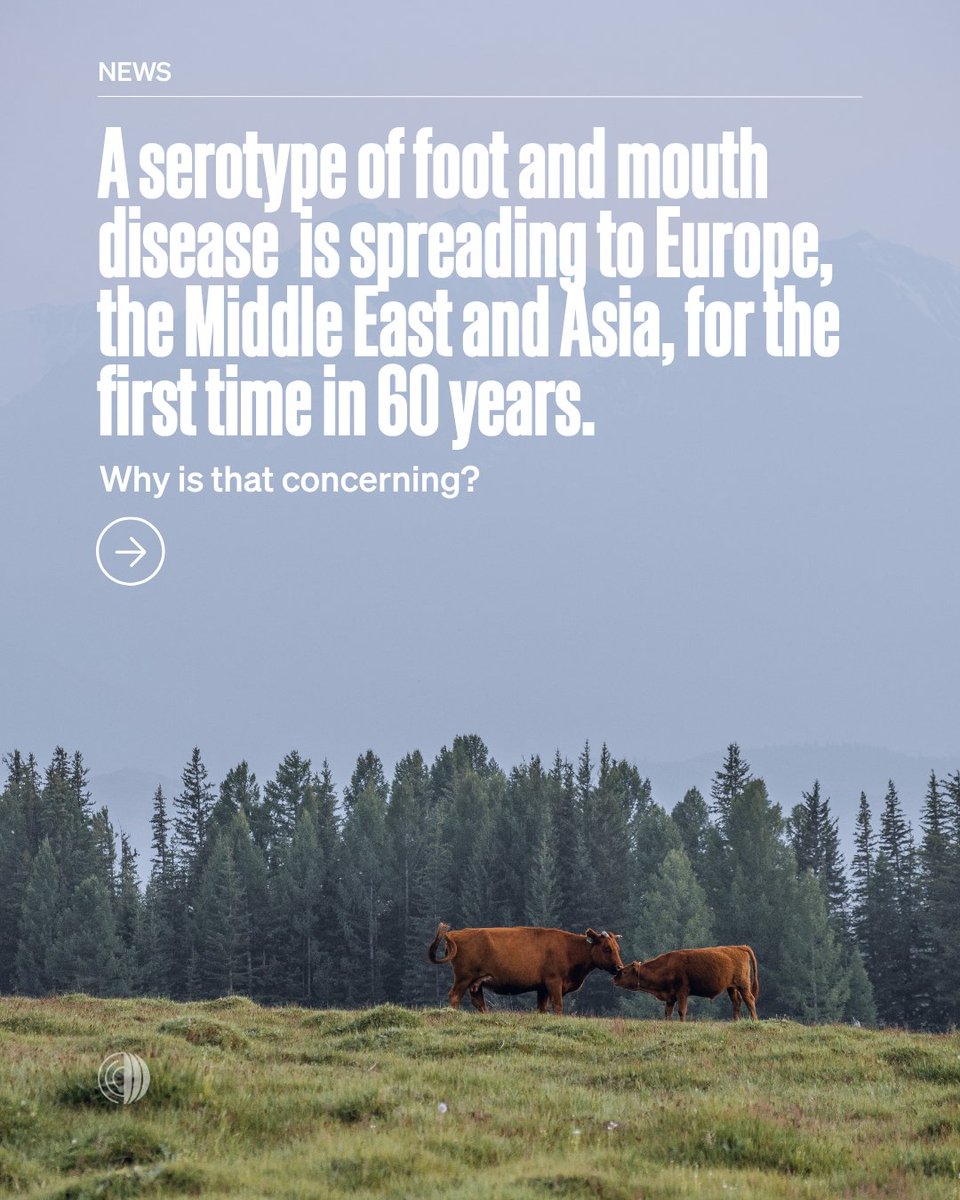
Foot and mouth disease is travelling and making its way to new areas.
A serotype of foot and mouth disease (FMD) is spreading to Europe, the Middle East and Asia, for the first time in 60 years. In some countries the disease has arrived for the first time, while in other places it's returning after long periods.
Read the article: https://t.co/47qVsHNNPO
The new avian influenza season began in October 2025, and continued in July 2026 with:
- 16 outbreaks in poultry and 72 outbreaks in non-poultry species (including wild birds and mammals)
- Outbreaks in Africa, Asia, Oceania, Americas and Europe.
- About 1,528,120 poultry birds dead/culled, mostly in the Americas.
- The current epidemic wave reached the highest peak of poultry outbreaks in November 2025. Since then, the number of poultry outbreaks has shown a decreasing trend in the Northern hemisphere.
Read the report: https://t.co/6XkKJK4WIv
Foot and mouth disease is travelling and making its way to new areas.
A serotype of foot and mouth disease (FMD) is spreading to Europe, the Middle East and Asia, for the first time in 60 years. In some countries the disease has arrived for the first time, while in other places it's returning after long periods.
Read the article: https://t.co/47qVsHNNPO
African swine fever (ASF) continued to spread in July 2026. Here's the latest update on how the disease travelled and its impact:
- 3 countries in Europe reported new ASF events, while 15 countries in Europe updated their ongoing events.
- No new outbreak was reported in Asia and the Pacific, Africa, the Americas, and the Middle East.
- In Europe, new outbreaks were reported in domestic pigs and 338 in wild boars, with 1 6,735 animal losses in domestic pigs.
- The first occurrence of ASF was reported in Finland.
For the full report: https://t.co/A3Q4QJ6awg
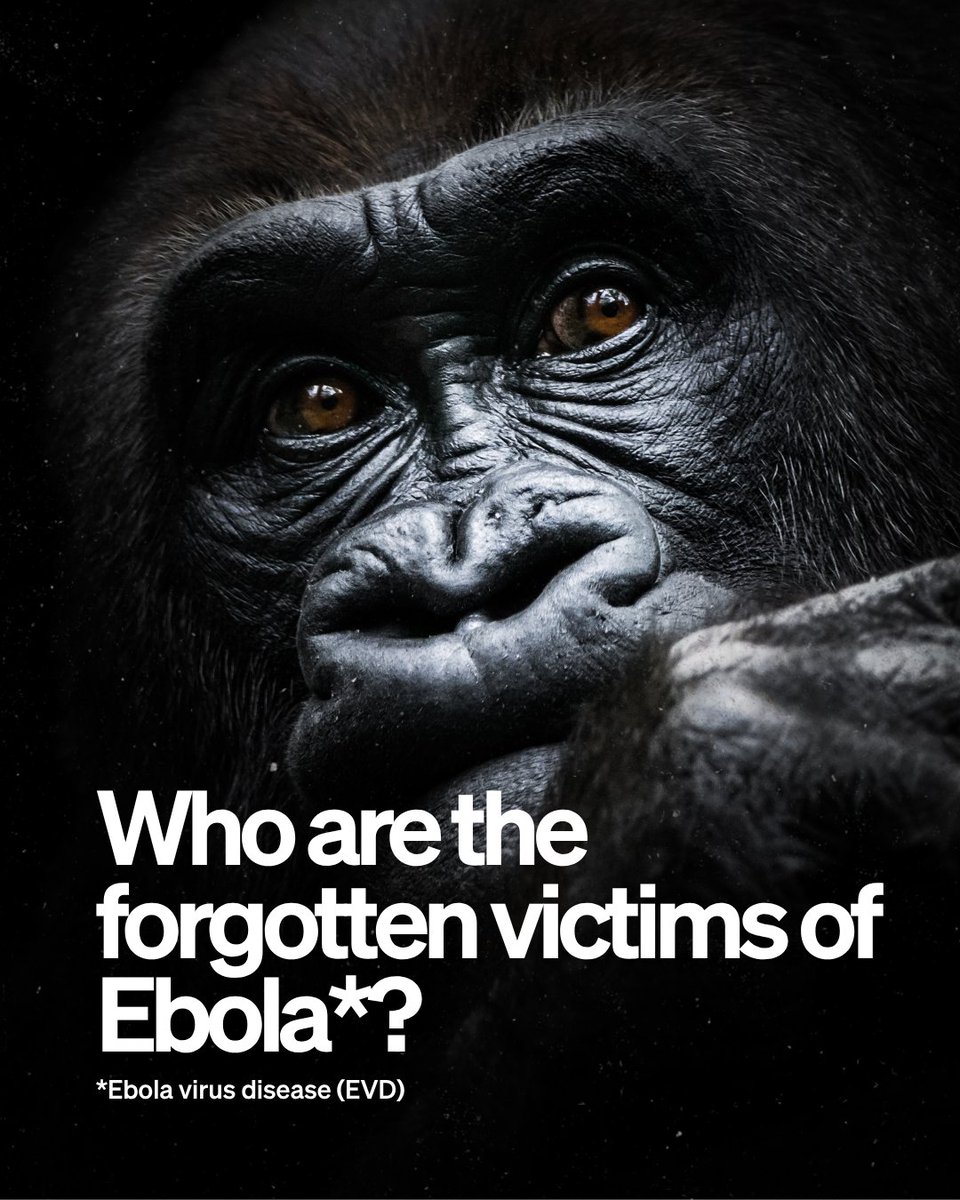
Let's talk about the forgotten victims of Ebola Virus Disease (EVD).
Decades of research have shown that humans are only one part of a much larger ecological story involving wildlife, ecosystems and the complex interfaces where diseases emerge. Research has revealed that the virus is one of the greatest infectious dangers facing Africa’s great apes.
This means that to prevent future outbreaks, surveillance must also extend to wildlife, and go beyond hospitals and clinics. Integrated surveillance benefits both biodiversity conservation and public health by improving preparedness before pathogens cross species barriers
This is precisely the ambition of the ZOOSURSY project which aims to strengthen surveillance systems for zoonotic diseases at the human-animal-environment interface in 17 African countries.
Read the article to take a deeper look: https://t.co/ATLsJFUOFD
How big is on trillion exactly?That's the value of the live stock sector.
In this exchange, @WorldBankGroup's Dr. Franck Berthe and WOAH's Emily Tagliaro talk us through the math of investing in animal health.
Catch the full interview: https://t.co/bYBxv1x2K1
During a routine test in a salmon facility in Norway, a team discovered a bacterium called Branchiomonas that attacked the gills of the fish. Where did it come from? How did this happen? And how would they get rid of it?
Could the answers be with researchers, not far away, at the Norwegian Veterinary Institute?
Thanks to the EUPAHW, the researchers and the facility were able to collaborate to figure out what happens next.
Watch the documentary: https://t.co/ETRaCEb5hg