This World Environment Day, the conversation goes beyond conservation.
Environmental performance is no longer viewed solely as a sustainability initiative. It is increasingly becoming a business imperative.
Contact WOCE
[email protected]#WorldEnvironmentDay
The reality is simple.
If your ESG data cannot be validated, it cannot be trusted.
🔸Standardize data collection
🔸Align with reporting frameworks
🔸Maintain clear audit trails
🔸Ensure consistency across the board
Most companies think they are ready for ESG reporting. Until the audit happens.
Because reporting is one thing.
Proving it is another.
They look at:
🔸Data sources
🔸Calculation methodologies
🔸Consistency across reports
🔸Traceability of every number
Most companies aren't reducing carbon. They're just tracking it.
Build a structured carbon reduction strategy that actually drives results.
Contact WOCE at [email protected]#Decarbonization#ESG#Sustainability
WOCE stepped in and fixed the basics first.
Built a single system to track emissions across routes.
Compared EV vs conventional transport at a shipment level.
Factored in how the electricity was actually sourced.
And made it easy to generate verified certificates when needed.
Tracking EV emissions sounds simple. It wasn’t.
The client had EV trucks on the road,
but no clear way to measure what they were actually saving.
No shipment-level data.
No consistent method.
No way to show customers real impact.
Tracking total emissions is not enough anymore.
The real measure of performance is Emission Intensity, lower carbon emissions per unit of output.
The future of carbon compliance is shifting from volume to efficiency.
#CarbonFootprint#EnergyEfficiency#ESG#GreenIndustry
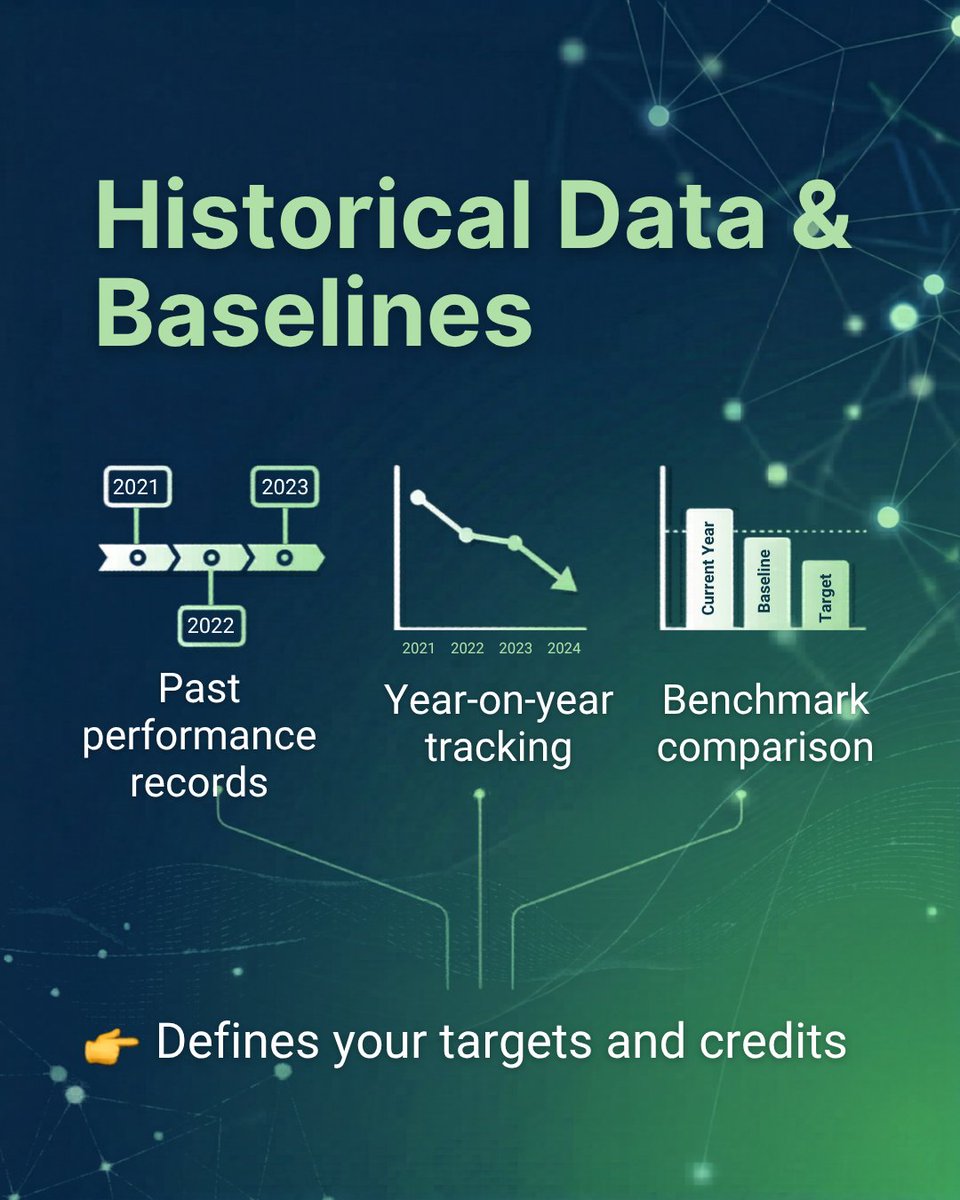
It's a clear, step-by-step process that businesses can follow.
The challenge is not understanding CCTS.
It's applying it in a structured way.
That's exactly what we've simplified in this series.
Trying to understand how CCTS works and how to implement it in your operations?
CCTS sounds complicated. But it really isn't.
Most of the confusion comes from how it's explained, not what it actually is.
At its core, CCTS is about one thing.
Measuring and improving how efficiently you produce.
Once you break it down, it's not theory.
India’s ₹37,500 cr coal gasification push must balance energy security with sustainability and ESG-led growth.
Insights by Anup Garg of WOCE in Business Standard:
https://t.co/GIFGbbd73I
#EnergyTransition#Sustainability#ESG
Carbon is no longer just reported. It is being priced.
For years, carbon lived in reports and spreadsheets.
Tracked for compliance, but rarely connected to business decisions.
That is changing.
Contact WOCE at [email protected]#ESG#CarbonManagement
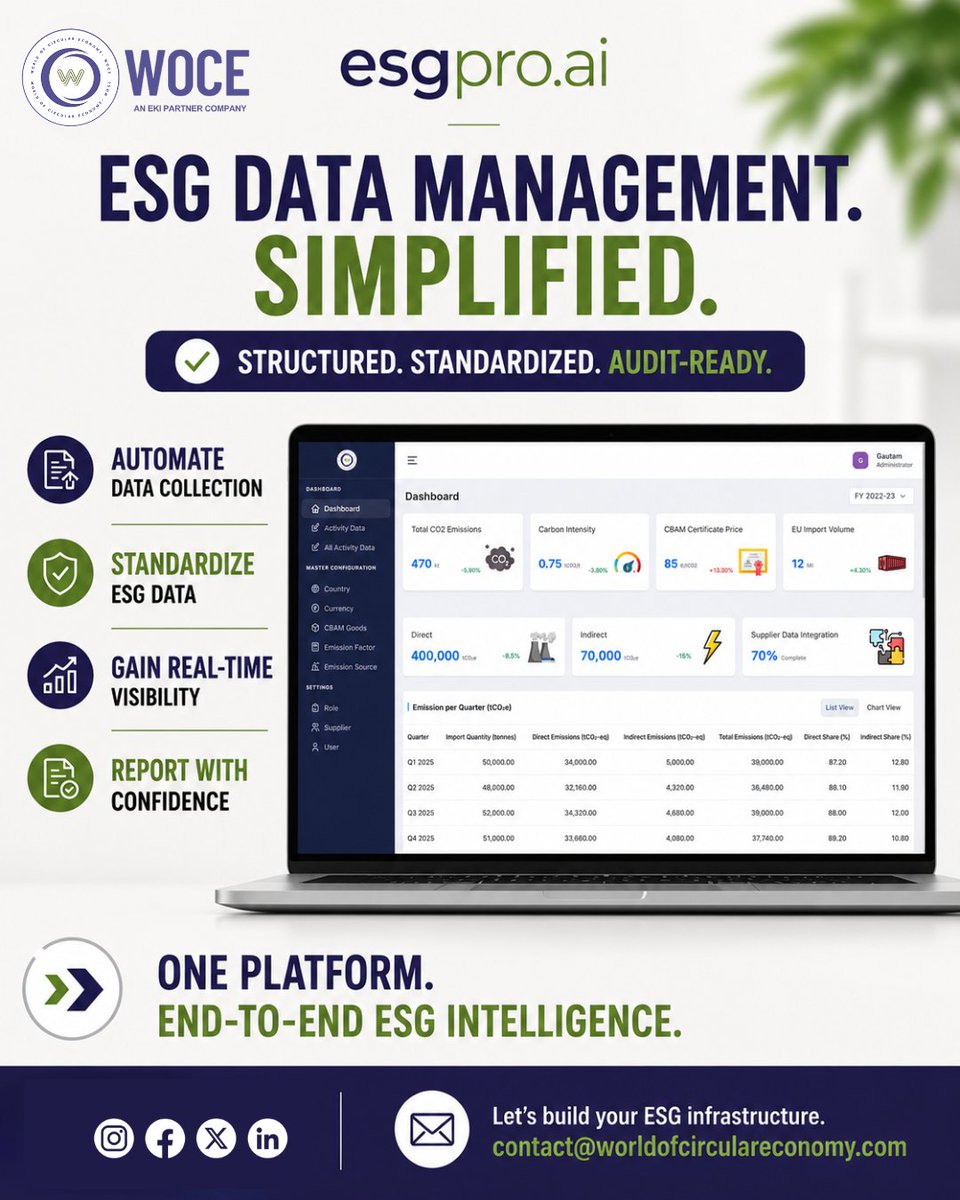
Your ESG system should operate like enterprise infrastructure.
Not like a collection of spreadsheets and follow-up emails.
As ESG reporting requirements grow, disconnected files and manual workflows stop working at scale.
Contact WOCE at [email protected]
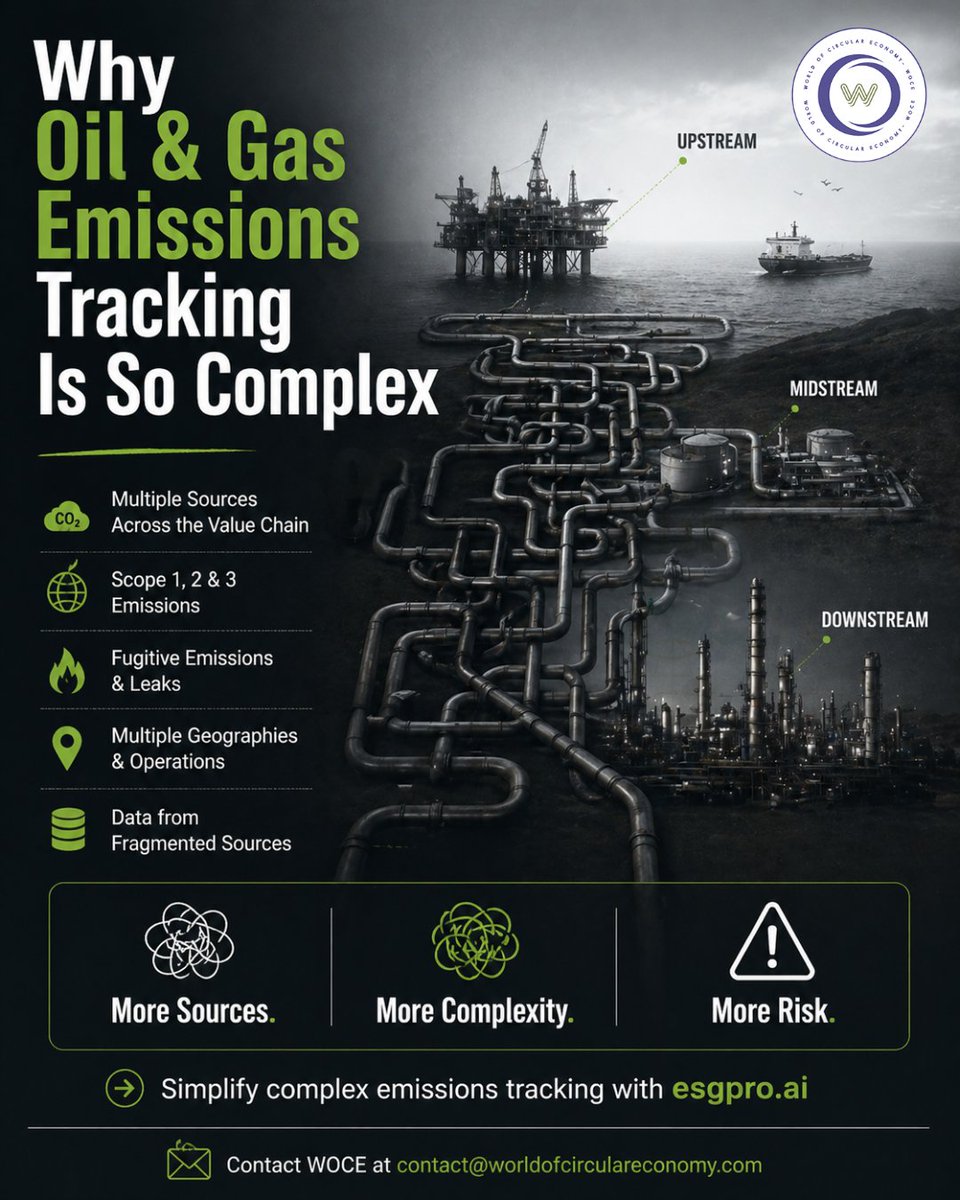
Tracking emissions in Oil & Gas isn’t just complex — it is layered, fragmented, and constantly evolving.
From upstream extraction
to midstream transport
to downstream refining —
each stage introduces new variables, new risks, and more fragmented data.
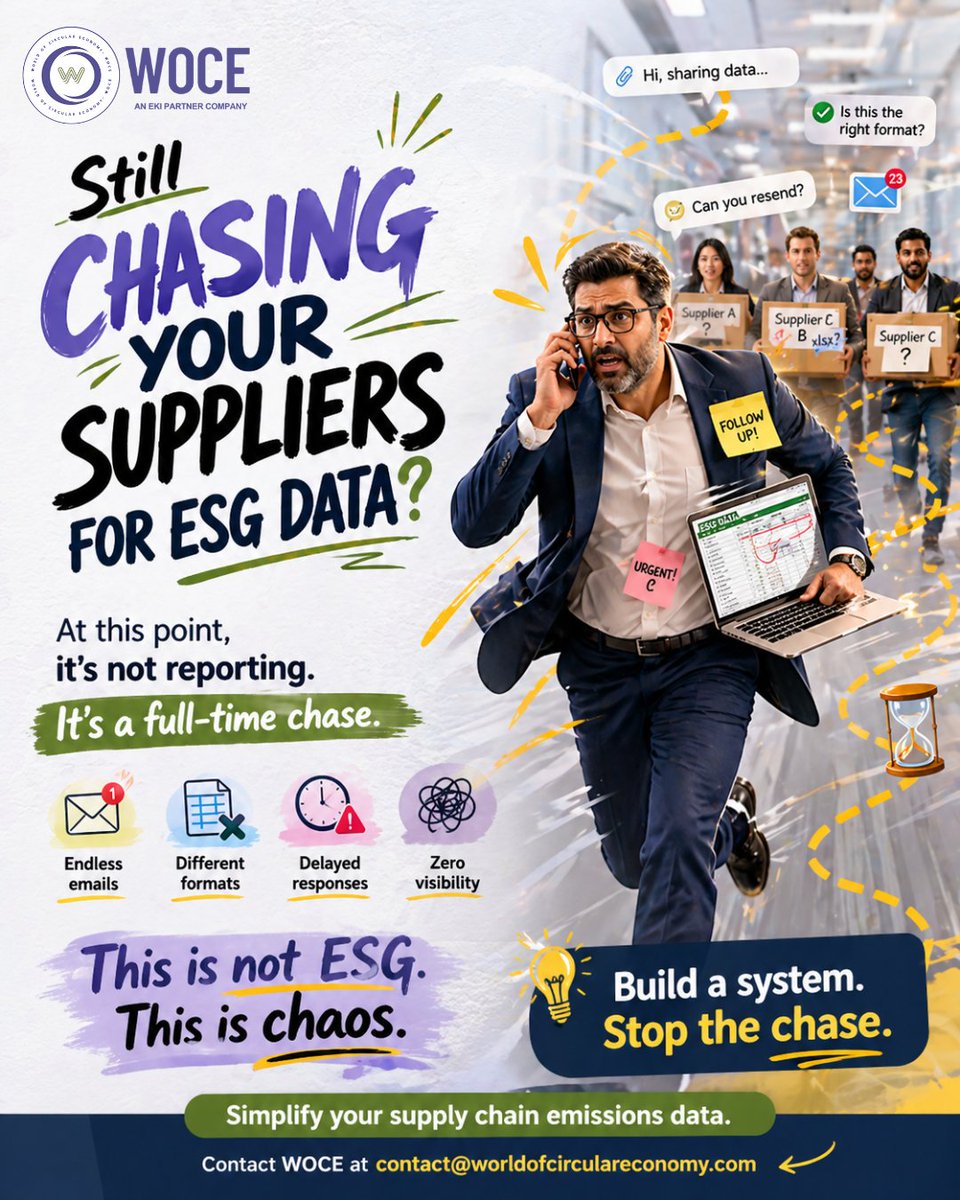
Still chasing suppliers for ESG data?
Without a structured system, everything slows down - Delays increase, errors creep in, and visibility is lost.
Solution:
Platform that brings all supplier data into standardized format, makes it usable and manageable.
Most banks aren’t struggling with ESG reporting.
They’re struggling with how it’s being done.
Emails.
Excel files.
Disconnected systems.
Looks manageable…
Until it isn’t.
CBAM compliance is not just about reporting emissions.
It’s about managing data across your entire supply chain.
Most exporters are still chasing inputs through emails and spreadsheets.
Contact WOCE at [email protected]#CBAM#ESG#Sustainability