Right now, the world is losing approximately 13 million hectares of forests annually.
🌳 Vertical farming offers a sustainable solution to traditional agriculture, reducing the need for extensive land use, minimizing water consumption, and curbing the use of harmful chemicals.
The UAE is taking a major step towards food security and sustainability by increasing reliance on local farming. By sourcing half of its basic food needs domestically, the #UAE aims to reduce dependency on imports and support local #agriculture.
Saudi Arabia aims to double its agricultural exports $10.9 billion in 2035. This aligns with the Vision 2030 blueprint, focusing on promoting food security, economic diversification, and maximizing the value of agricultural produce to bring significant advantages to the Kingdom.
Wishing you a year filled with blessings, joy, and success. Happy Islamic New Year!
نتمنى لكم عامًا مليئًا بالبركات والأفراح والنجاحات. عام هجري سعيد للجميع.
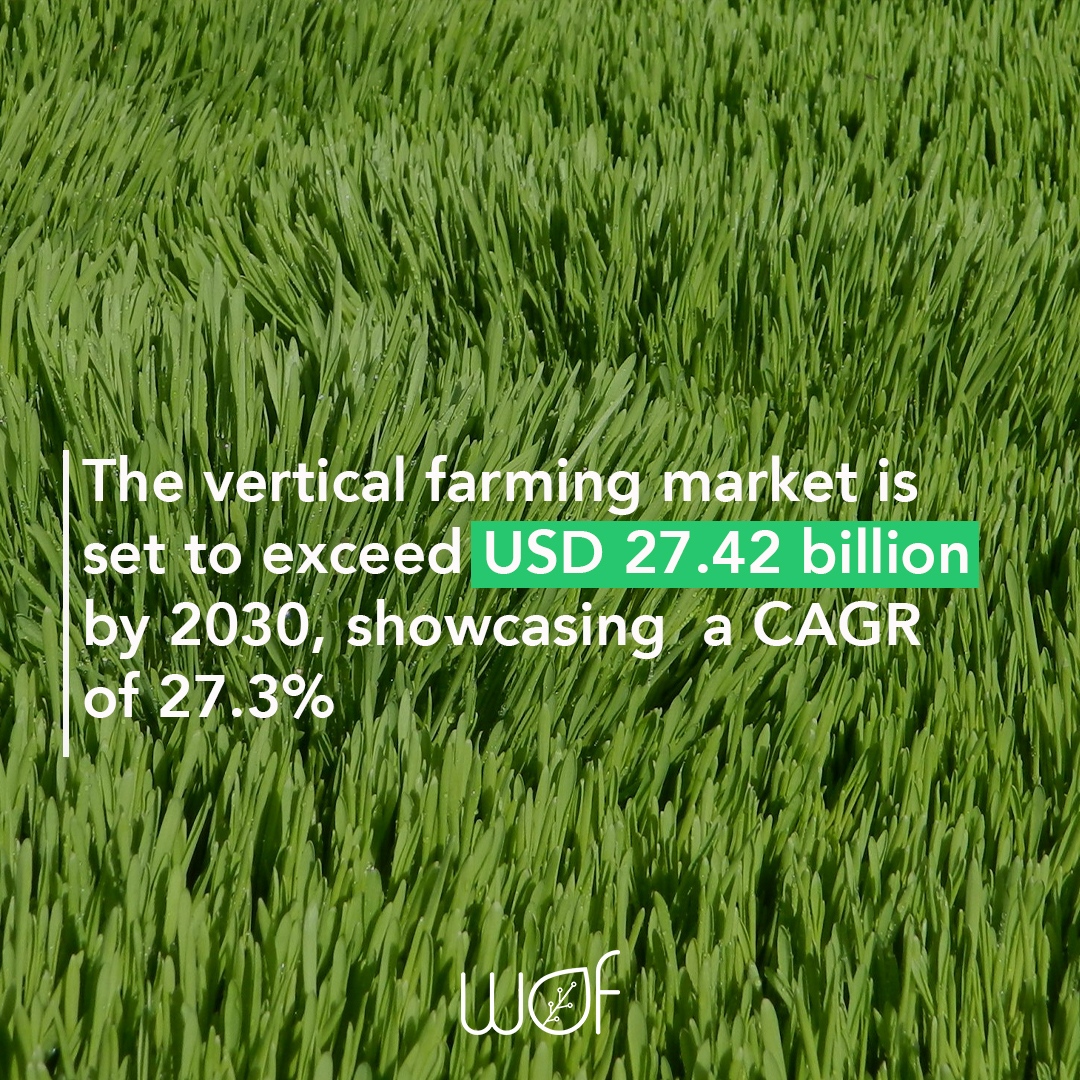
The market is set to soar to new heights! According to a recent report, it is projected to reach a staggering USD 27.42 billion by 2030, showcasing a remarkable compound annual growth rate (CAGR) of 27.3%.
Are you ready to join the green #revolution? Contact us!
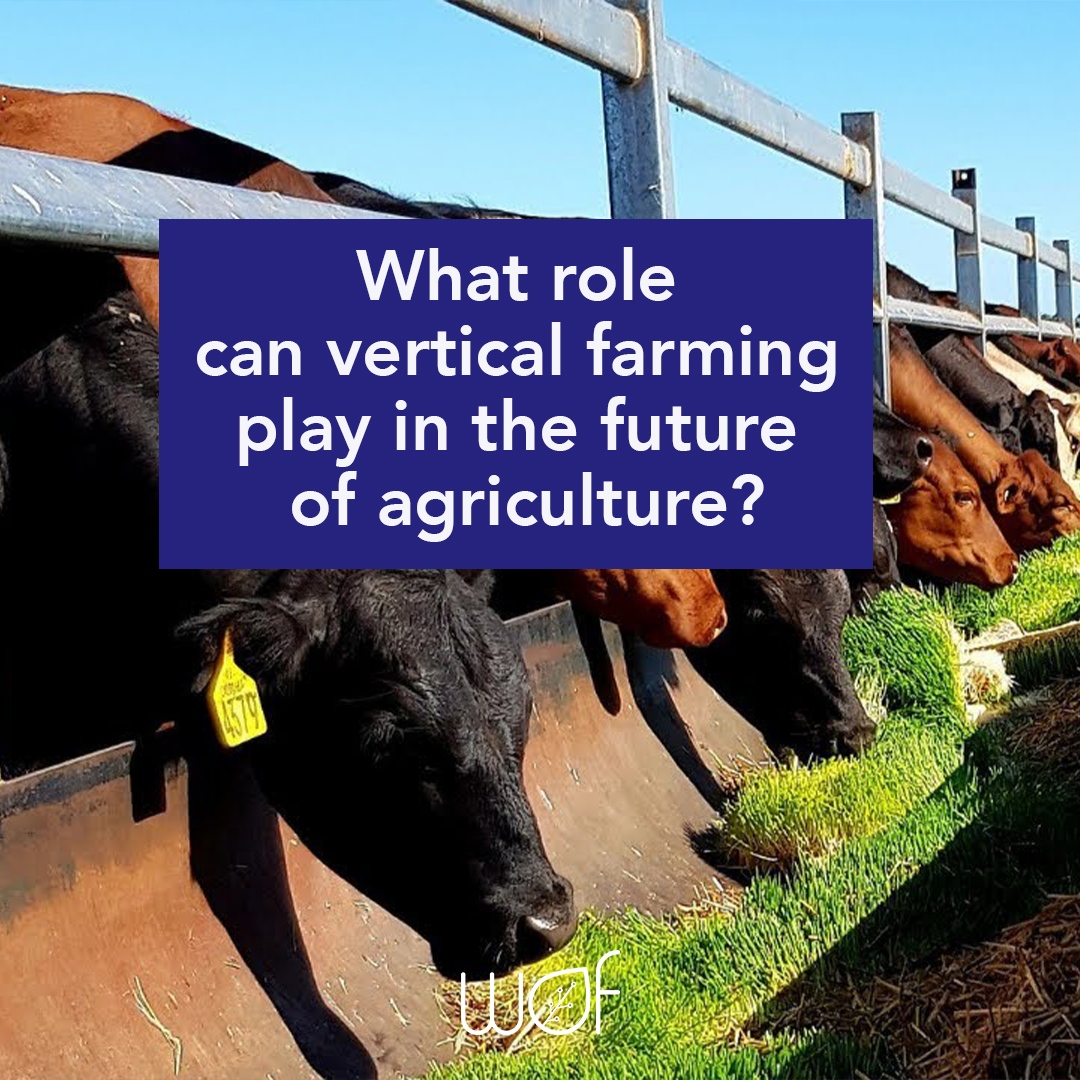
Take control of your livestock's #nutrition with our vertical farming #technology. Produce fresh, high-quality fodder on-site, reducing transportation costs and ensuring your animals receive optimal nutrition.
Despite their critical importance, #rainforests worldwide face a grave threat from human activities such as #deforestation, #agriculture, and mining.
Since 1990, the world has lost over 420 million hectares, equivalent to a billion acres, of forest.
Almost 90% of global #deforestation is driven by agricultural expansion. This #unsustainable practice is pushing wildlife out of their habitats, damaging #ecosystems, and exacerbating climate change.
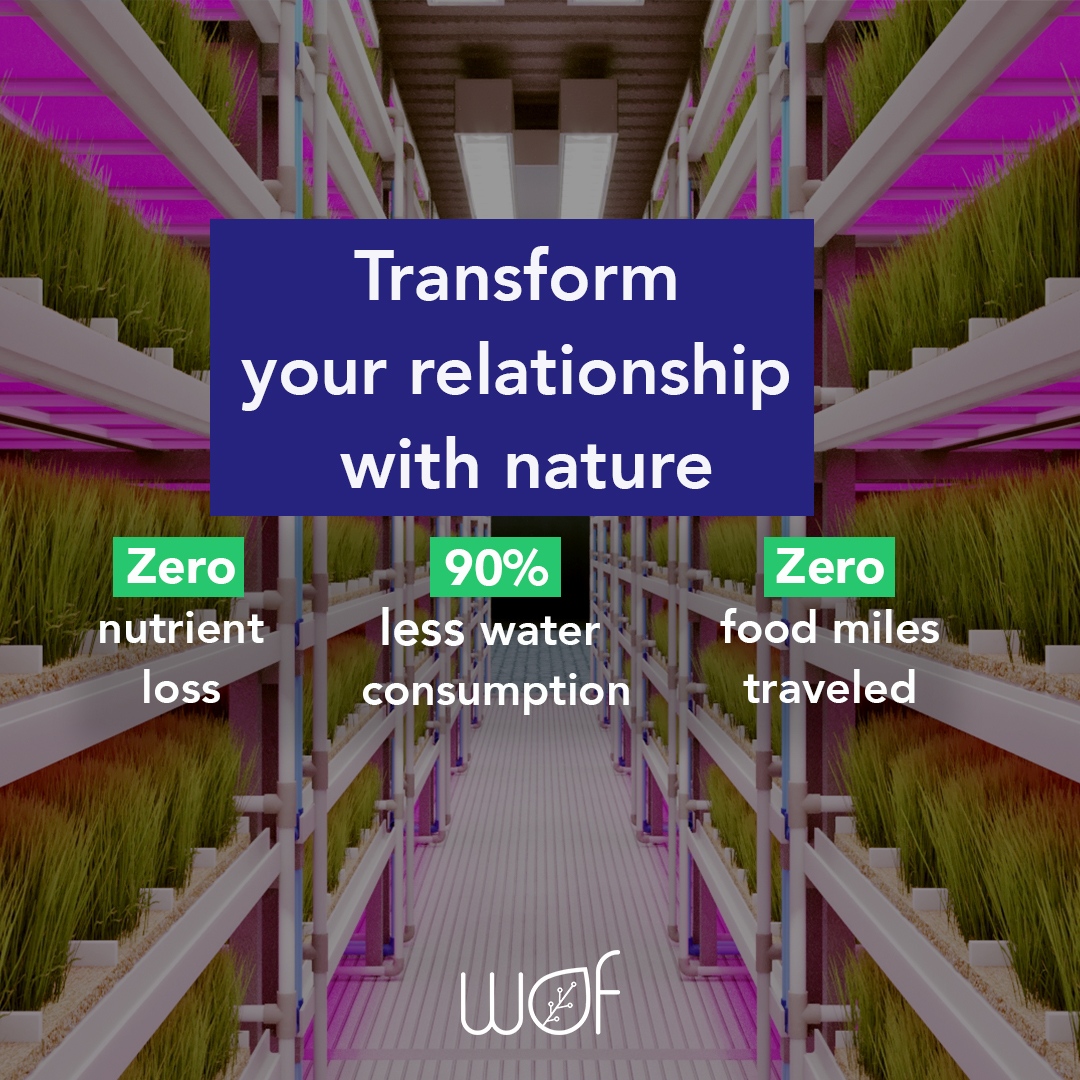
Vertical farming lessens our influence on the environment by using our cutting-edge farming #techniques. Our methods consume 90% less water than traditional farming and have zero #nutrient loss, which means that every nutrient is utilized #effectively.
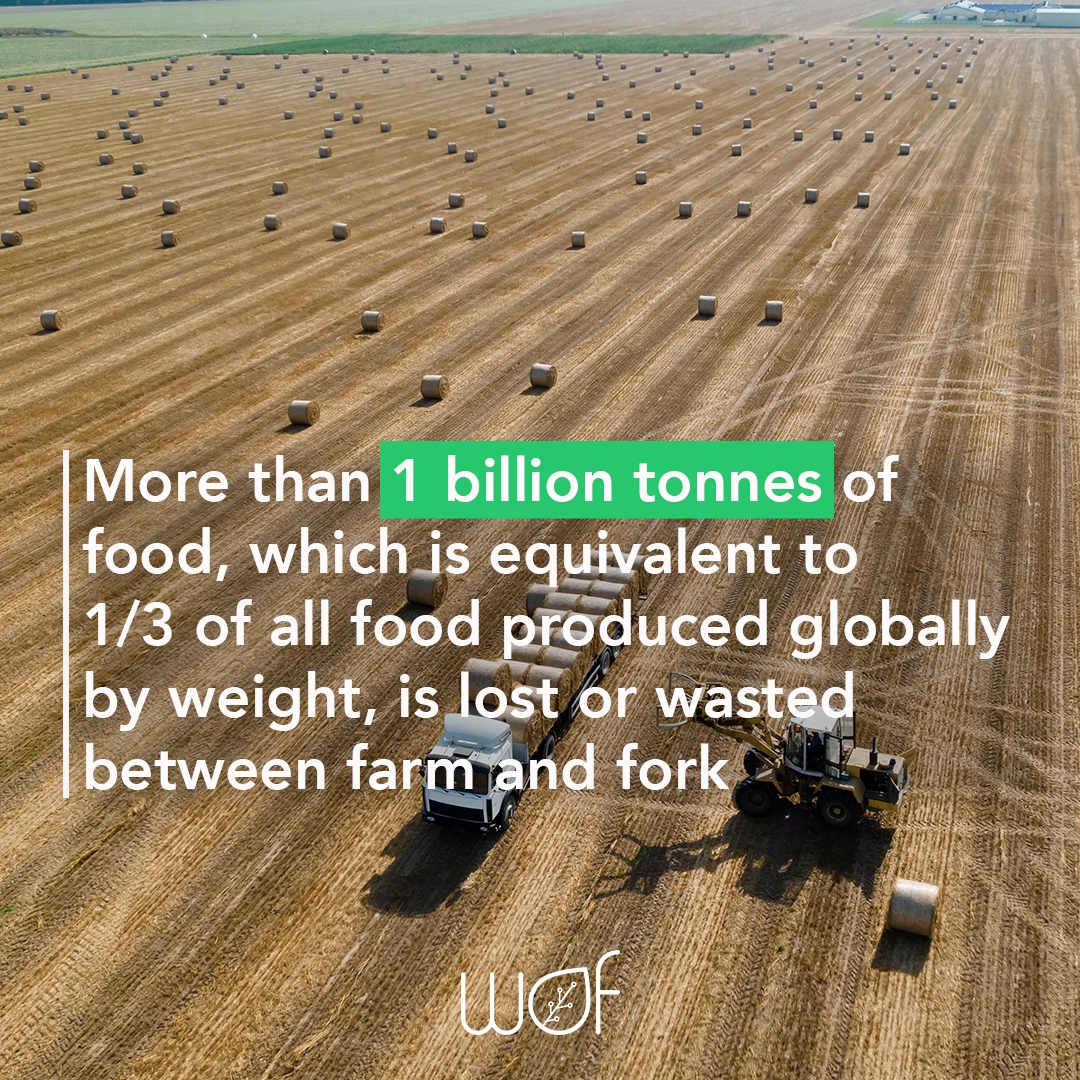
🌱 Vertical farming presents an effective solution to minimize food waste and loss by providing a controlled and efficient way of growing crops.
#foodwaste#verticalfarming
Vertical farming offers space-saving benefits and promotes water conservation through smart systems. It provides a controlled environment for plant growth and reduces carbon emissions by growing food closer to consumers.
#environmentday
40% of the #planet's land is now degraded, affecting half of the world's populace.
As soil quickly becomes exhausted and water resources dwindle, it becomes increasingly challenging to cultivate crops on #degraded land.
Despite the projected increase in demand for animal-based products, nearly 670 million people will still face #hunger in 2030.
This highlights the urgency to adopt #sustainable and innovative farming methods like #verticalfarming to address global food insecurity.
The global animal feed market was worth approximately USD 562.7 billion in 2022 and is expected to #grow at a compound annual growth rate (CAGR) of about 4.2% during the forecast period (2023-2032).
The impacts of human activity on biological diversity are alarming. Food production, infrastructure, energy, and mining are responsible for 79% of the impact on threatened species.
#BiodiversityDay
Endangered Species Day is a reminder of the importance of protecting the biodiversity of our planet.
By adopting #sustainable farming practices, we can address the challenges encountered by traditional agriculture and contribute to the conservation of #endangered species.
Beef is a highly popular meat worldwide, ranking as the second most commonly consumed after pork. In 2018, global production of beef reached more than 71 million tons, reflecting its widespread popularity and significant contribution to the food industry.
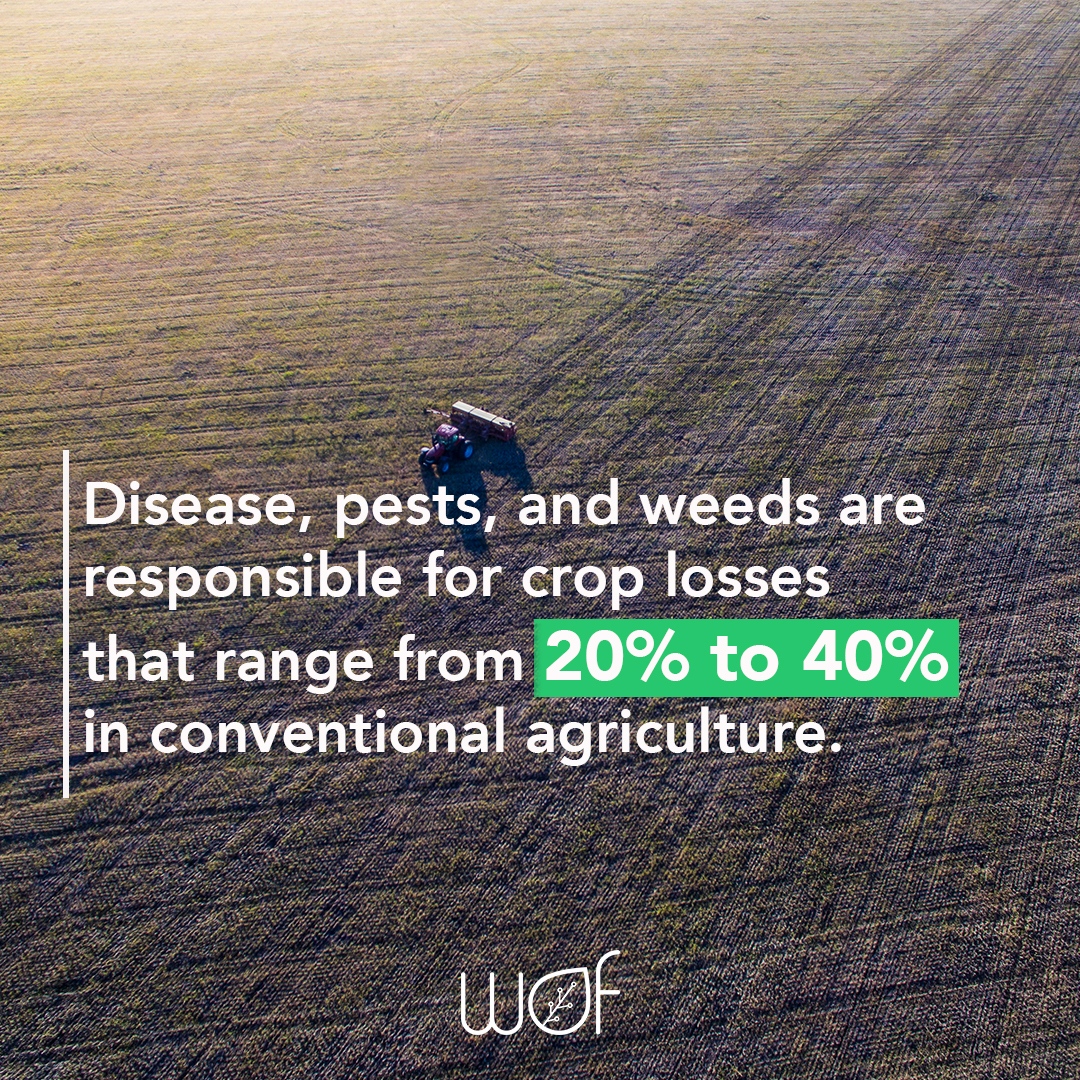
Vertical farms offer a solution through the use of agricultural technologies that promote optimal crop growth and care under controlled conditions. These conditions create a barrier that results in healthier and safer produce.