Dennis Ritchie invented C in 1972, co-built Unix in 1969, and his code is running inside every device you are reading this on right now and the colleague who announced his death had to do it through a Google+ post because no journalist thought to check.
He worked at Bell Labs in New Jersey for 44 years. He never gave a keynote. He never ran a company. He never appeared on a magazine cover. He just wrote code that became the invisible foundation everything else is built on.
Here is what he actually built, and why it matters more than almost anything that happened in tech.
In 1969, Bell Labs had just walked away from one of the most ambitious computing projects in history. The Multics project, a joint effort between MIT, Bell Labs, and General Electric, had collapsed under its own weight. Too complex. Too expensive. Too slow. Bell Labs pulled out.
Ken Thompson and Dennis Ritchie refused to let the ideas die.
Working in a small office in Murray Hill, New Jersey, Thompson wrote the first version of Unix in three weeks during the summer of 1969. One week for the file system. One week for the process management. One week for the command shell. Ritchie was working alongside him, and when the system needed a language that could express what they were building, he built one.
In 1972 he completed C.
C was not just another programming language. It was a different philosophy about what a programming language should be. Before C, most systems code was written in assembly, which meant every program was tied to the specific hardware it ran on. You could not move code between machines. You rewrote it from scratch every time.
C changed that. It sat close enough to the hardware to be fast, but abstract enough to run on anything. When Thompson rewrote the Unix kernel in C in 1973, it became the first operating system that could be picked up and moved to a completely different machine without starting over. Portability was a new idea. Ritchie made it real.
The branching that followed is almost impossible to overstate.
Unix spread from Bell Labs to universities. At Berkeley, it became BSD. BSD became the foundation of macOS and iOS. Unix influenced Linus Torvalds, who built Linux in 1991. Linux now runs every Android phone, every major web server, every supercomputer on the Top500 list, and the overwhelming majority of cloud infrastructure at AWS, Google, and Microsoft.
C became the parent language of C++, Java, JavaScript, Python, and Objective-C. Rob Pike, who worked across the hall from Ritchie at Bell Labs for 20 years, said it plainly: "The browsers are written in C. The Unix kernel that the entire internet runs on is written in C. Web servers are written in C, and if they're not, they're written in Java or C++, which are C derivatives, or Python or Ruby, which are implemented in C."
Ritchie won the Turing Award in 1983. He won the National Medal of Technology in 1998, presented by President Clinton. He was head of System Software Research at Bell Labs for decades.
He answered emails from strangers with technical questions until the end of his life. His home address stayed listed in the phone book. His colleague Brian Kernighan, who co-authored the definitive C textbook with him, said Ritchie was a private person who did no self-salesmanship. That was not false modesty. It was just who he was.
He died on October 12, 2011, at his home in Berkeley Heights, New Jersey. He was 70. He had been ill for some time. The world did not notice until Rob Pike posted a quiet announcement on Google+, and the news spread through the programming community in hushed tones.
No front pages. No tributes from heads of state. No candlelight vigils outside corporate campuses.
The device you are reading this on runs code that traces directly back to what he built. So does the server that delivered it to you. So does the browser or app you opened to get here.
Most people will never know his name.
The ones who built everything you use every day do.
There is an aggressor: Russia.
There is a victim: Ukraine.
We were right to help Ukraine and sanction Russia three years ago—and to keep doing so.
By “we,” I mean the Americans, the Europeans, the Canadians, the Japanese, and many others.
Thank you to all who have helped and continue to do so. And respect to those who have been fighting since the beginning—because they are fighting for their dignity, their independence, their children, and the security of Europe.
@LaurentAlfonso@OctavaCBS@AlertaNoticiasV@incendios_CONAF That is only partially true. The fire services are, as you correctly state, all-volunteer (largely by their own choice--they do not want to be professionalised). But @incendios_CONAF has its own, paid, fire brigades. Both institutions collaborate when fighting forest fires.
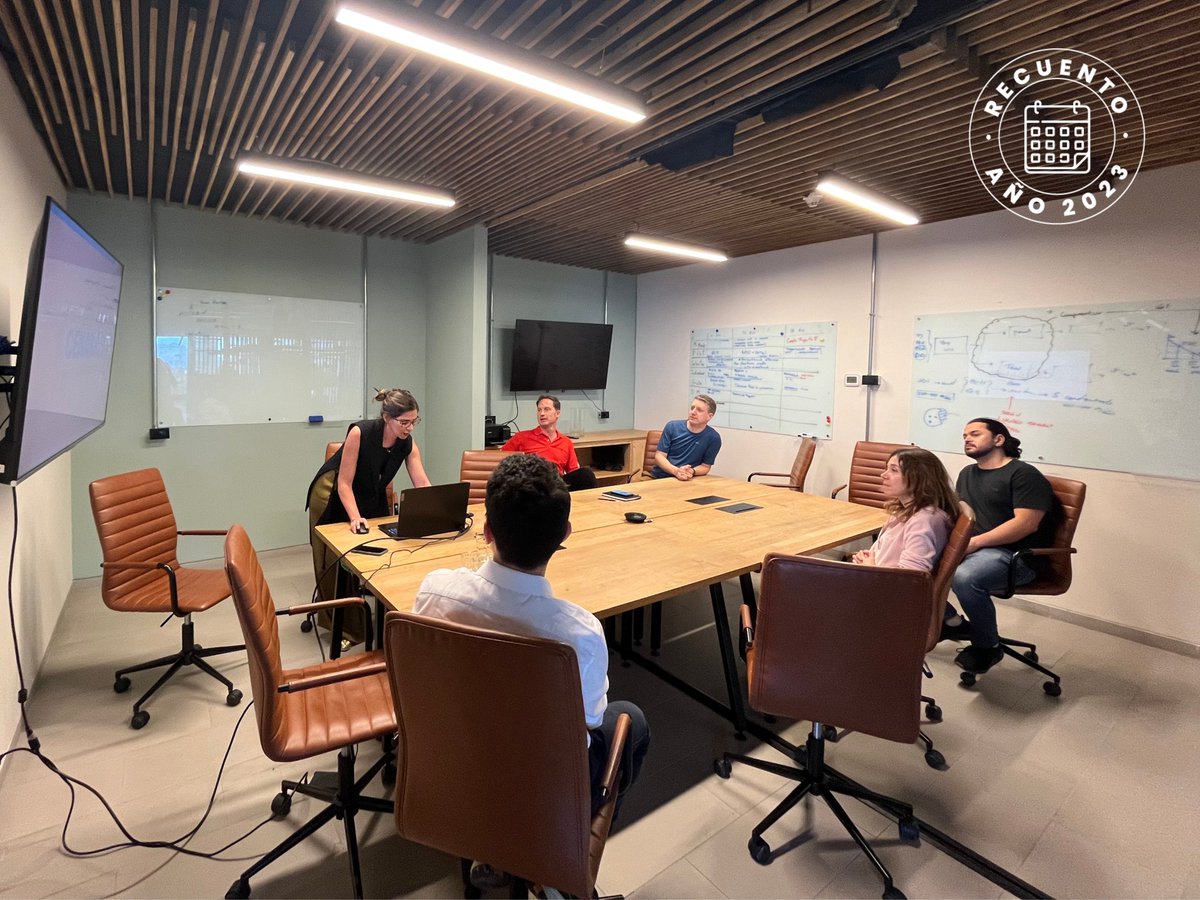
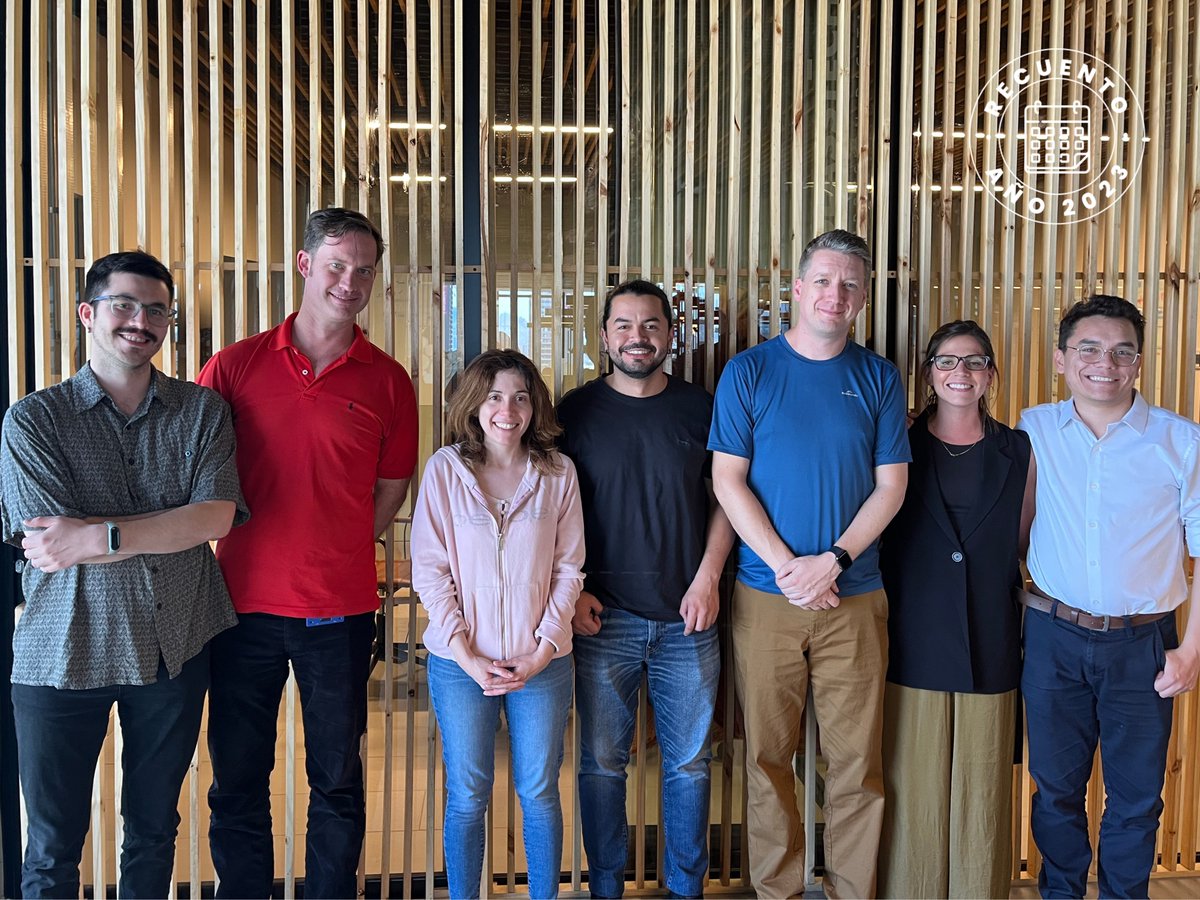
🗓️Este año, además de vincularnos con más empresas de la industria, también recibimos visitas de comitivas internacionales, como investigadores de Future Timber hub - un Centro de investigación de la Universidad de Queenzland, Australia 🇦🇺
¡Felices de intercambiar conocimientos!
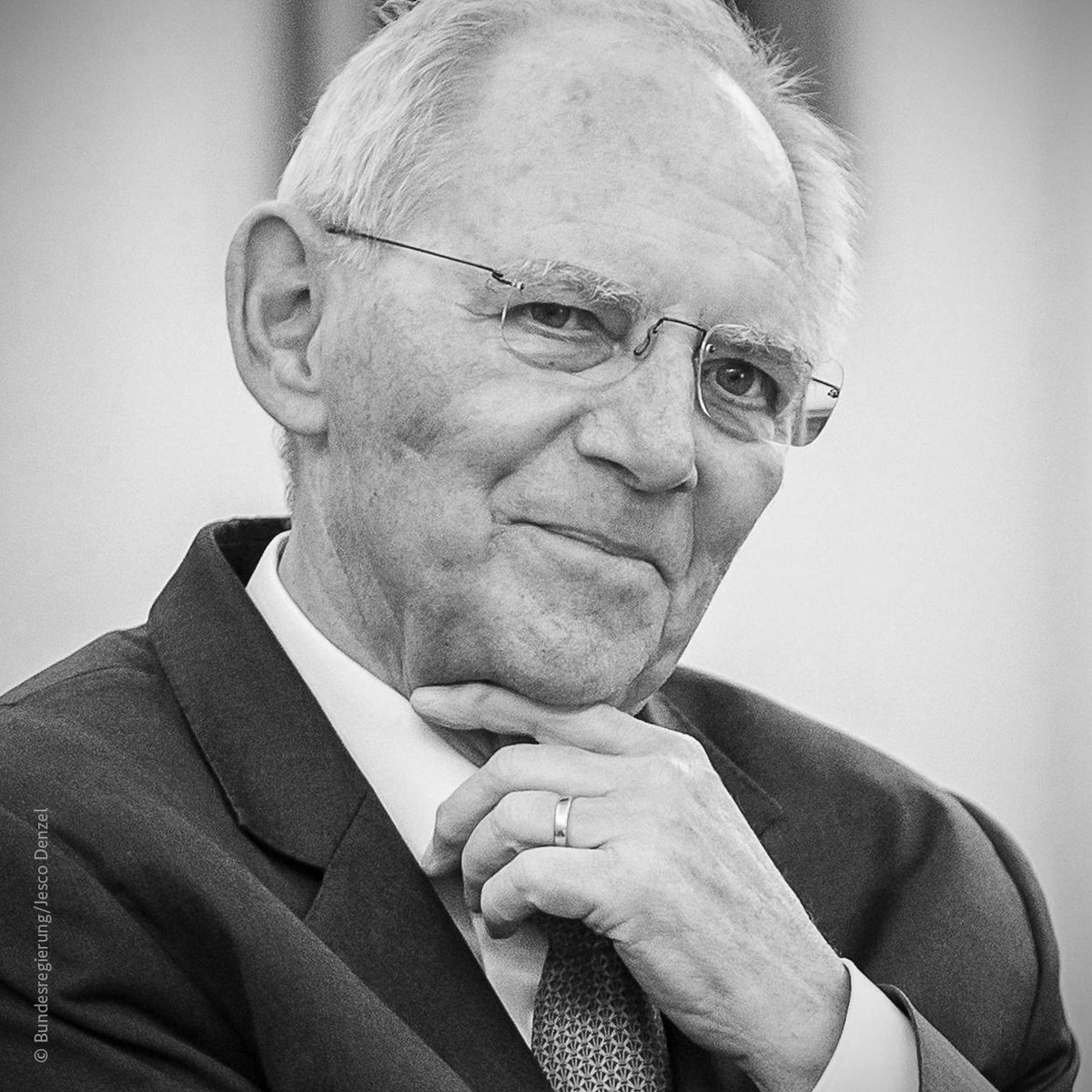
Wolfgang Schäuble hat unser Land mehr als ein halbes Jahrhundert geprägt: als Abgeordneter, Minister und Bundestagspräsident. Mit ihm verliert Deutschland einen scharfen Denker, leidenschaftlichen Politiker und streitbaren Demokraten. Meine Gedanken sind heute bei seiner Familie.
Call to top engineering graduates wanting to complete a PhD degree with Imperial Hazelab on the wide range of *fire issues in energy systems*. These include batteries, wind turbines, photovoltaic panels, hydrogen systems, and powerlines in wildfires.
@AIexis___ Exactamente. En tu respuesta comparaste las gestiones usando un indicador (número de fallecidos). Yo creo que no se puede hacer, por lo que indico arriba.
@AIexis___ Hay dos aspectos: el evento y la respuesta. Si ambos son distintos para los dos casos, no se puede comparar el resultado (número de fallecidos). Si fuera el mismo evento, con dos respuestas distintas, ahí si.
Lassen Sie mich als Vertreter der vorletzten Generation mal versuchen, Ihnen als Spätgeborene zu erklären, warum viele Ältere auf die Sache mit der Klimakatastrophe eher so mit "Wird schon nicht so schlimm kommen, erstmal abwarten" reagieren.
Das muss Ihnen fremdartig erscheinen.
@rhurtubia@valenzuelalevi@CruzVerde Podría ser...pero ¿Como lo hacen? Cobrando 5 veces más ciertamente no es la manera. Sobre todo considerando los delivery. ¿Que me impide a mi instalarme con una farmacia en zona "capturada" y cobrar solamente 4 veces?
@sandraha_ha@valenzuelalevi@CruzVerde Si la gente no le pagara los precios tan altos, no habrían tantas farmacias por todos los lados...insisto, si no hubiesen alternativas, o no existiera información, seria un problema.
@rhurtubia@valenzuelalevi@CruzVerde Bueno, si la gente está dispuesta a pagar 5 veces!! el precio, a sabiendas que hay otras más baratas, entonces valoran esa cercanía sobremanera. Sigo sin ver el problema.
@Cascodo@RodriguezManuel Pero si él paga por un servicio, y no le gusta lo que obtiene (por la razón que sea), tiene todo el derecho de cambiar de proveedor. No veo el problema. Es un actuar casi neoliberal 😄.
Im Wasserstoff liegt die Zukunft: Mit Kanada etablieren wir bis 2025 einen gemeinsamen Markt. Ich freue mich über das heute geschlossene Abkommen. Es geht um Investitionen und den Aufbau von Lieferketten. Thank you @JustinTrudeau - Canada is a strong partner and a great friend.