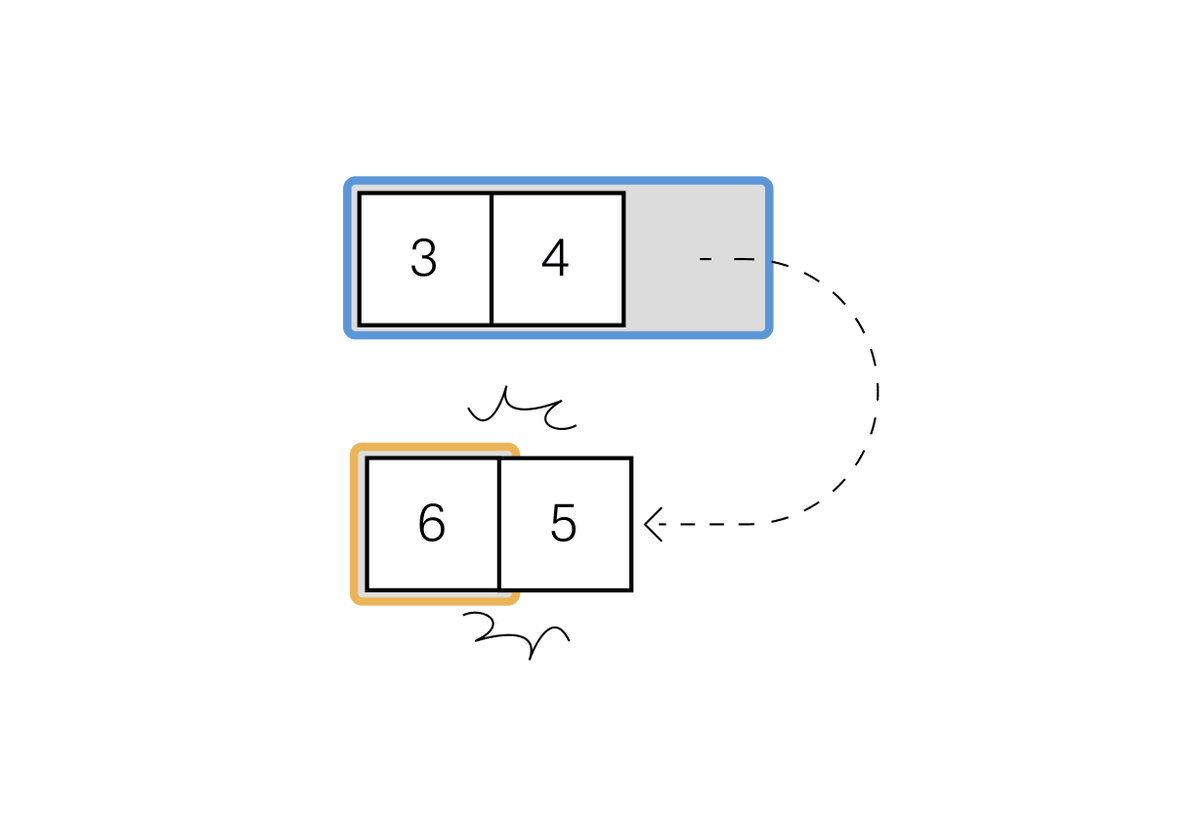
@geoffreylitt This is related to the idea of programming as theory building I think. I've found I can get into a good flow when I push towards very tight feedback loops. Only allowing llm to take small steps at a time. This allows me to build a mental model 'with' the llm.
if someone is a bit more woo than me: terminal schizophrenic, totally detached from reality
if someone is a bit less woo than me: terminal literalist brained, unable to appreciate the depth and wonder of reality
Adding is easy, because adding isn't changing.
Changing is hard because it requires untangling all the stuff that's already in there to know how it works.
when we recommend things to each other, I wish it was standard procedure to be upfront about the costs and tradeoffs. it’s common to see social media users “sell” products, methods, frameworks or habits without ever mentioning the downside. example:
to symbolize is to convert analogical qualia that is a continuum to digital representation that is discrete.
img src: a toki pona computer (source link broken) https://t.co/KOJtylnish
more about toki pona: https://t.co/2Fl8hdfpPT
marcel's talk has had me thinking about the broader range of how programming could steal from sequential art, particularly in an expository sense. reviewing mcclouds taxonomy of transitions, Subsequently mostly draws on action-to-action [...]
I gave a keynote at IWACO, "Explaining and Visualizing Rust's Ownership Model". I do a deep dive into how we designed and iterated on the borrow checker visualization.
https://t.co/sEIwMNcIi0


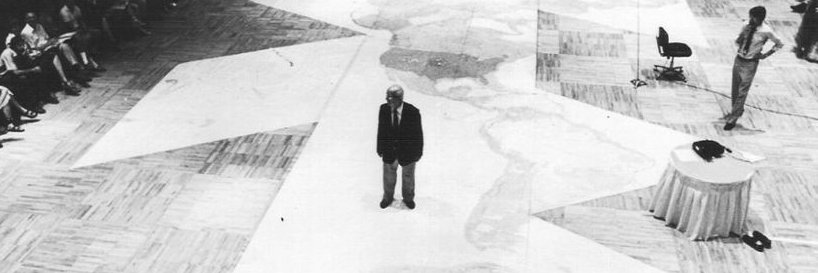





![disconcision's tweet photo. marcel's talk has had me thinking about the broader range of how programming could steal from sequential art, particularly in an expository sense. reviewing mcclouds taxonomy of transitions, Subsequently mostly draws on action-to-action [...] https://t.co/e8vwP4YHUR](https://pbs.twimg.com/media/GbPyi5TWQAEVn_f.jpg)