Best GitHub repos for Claude code that will 10x your next project:
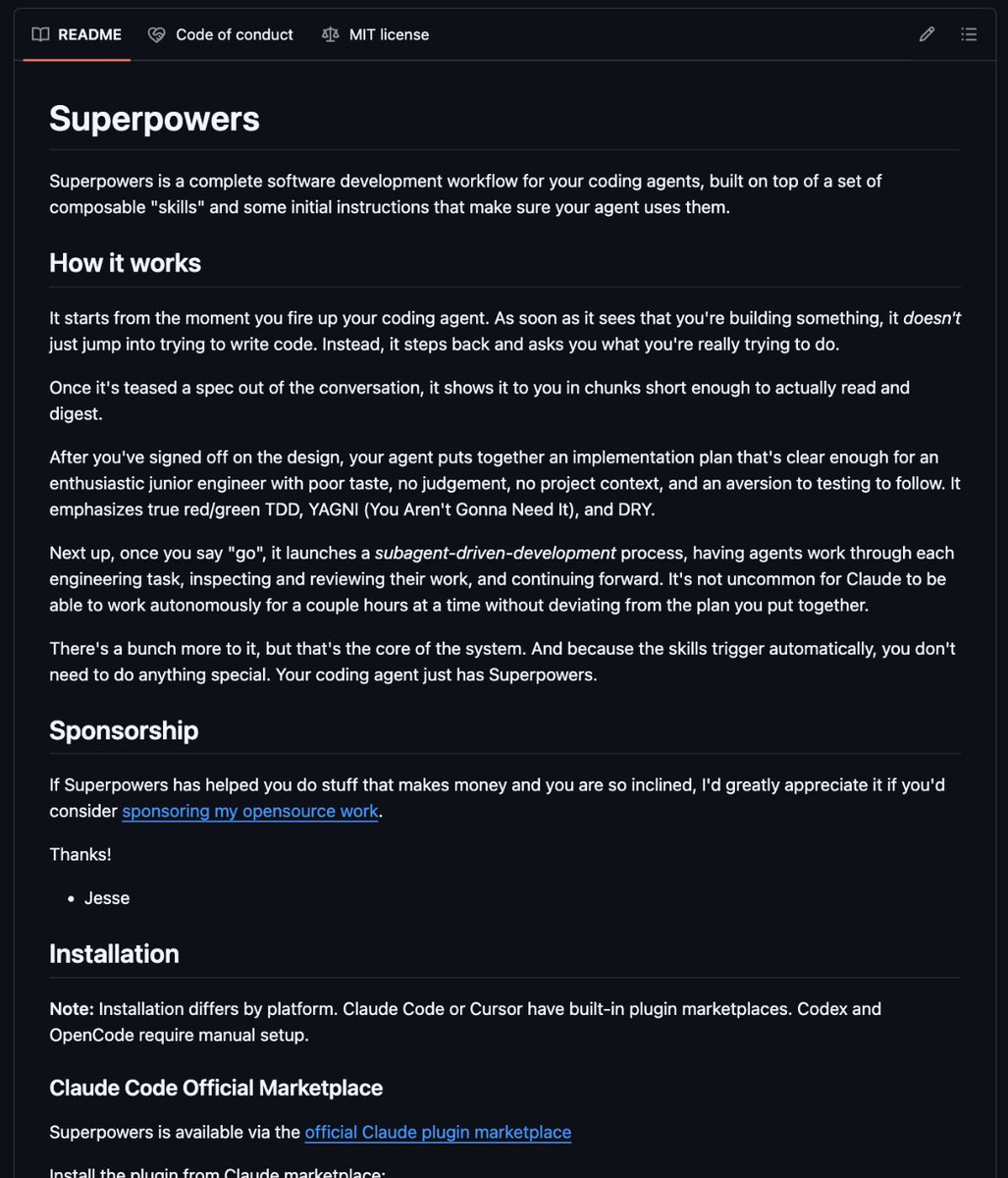
1. Superpowers
https://t.co/U5Y4BK9Lap
2. Awesome Claude Code
https://t.co/qcgoxU3Up2
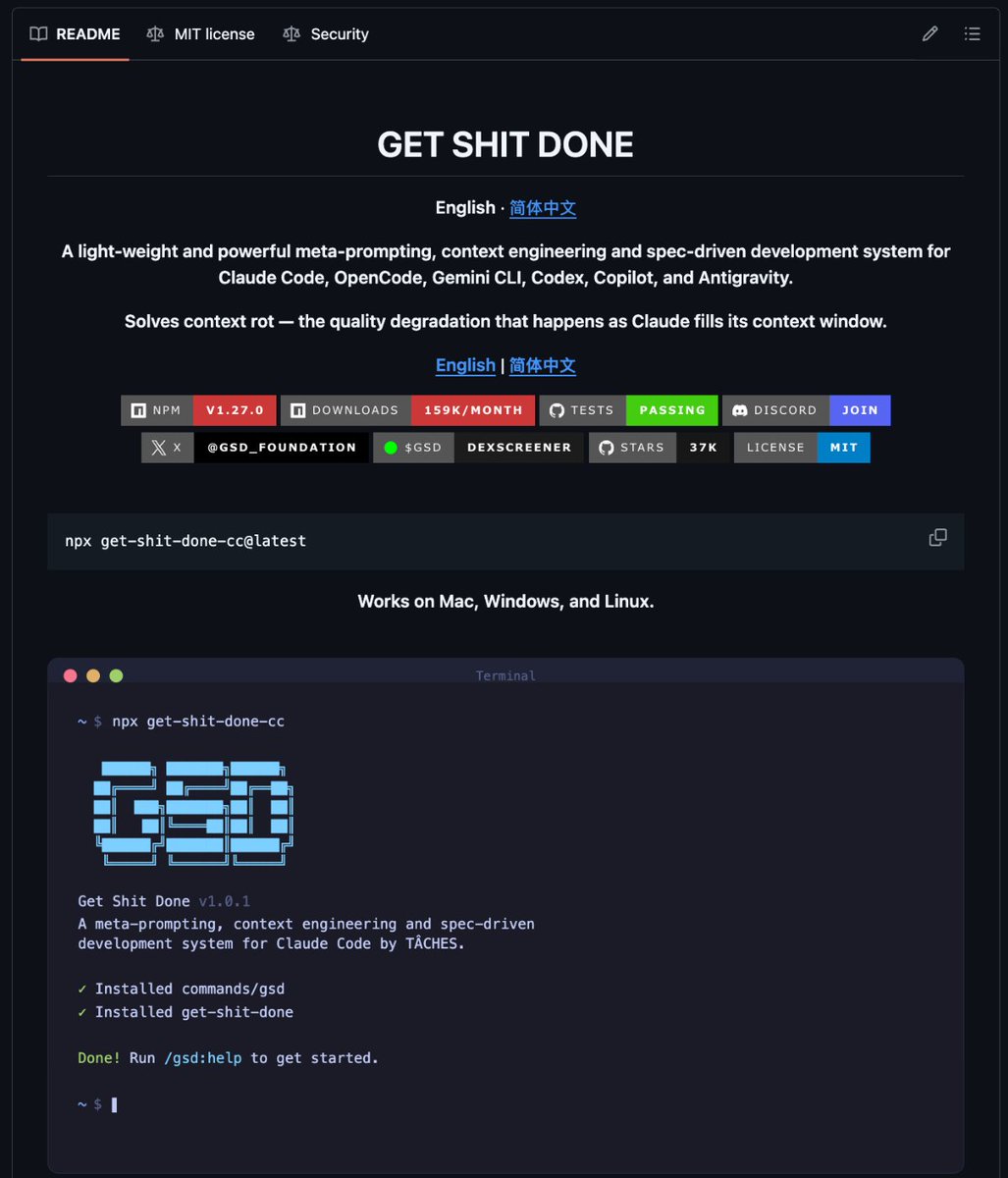
3. GSD (Get Shit Done)
https://t.co/WfAhllWnTR
4. Claude Mem
https://t.co/XLQpwdnIWN
5. UI UX Pro Max
https://t.co/aQtGjMzKus
6. n8n-MCP
https://t.co/7le1aluZXH
7. Obsidian Skills
https://t.co/MUaoyUnasw
8. LightRAG
https://t.co/ye8z4UqaMc
9. Everything Claude Code
https://t.co/OAU9JE46Uz
🇰🇷 [AMA] Yelling SOS in this market with DappOS
- Date: 2025. 12.12 8PM in KST
- Venue: @Edward__Park twitter streaming
- Guest: @dappOS_com
Surviving in the market is never easy and it’s no different for DappOS. They’ve built over two years building their product, stacking everything from Intent to AI, and now they stand on the verge of launching their mainnet.
It’s time to hear about their journey and what’s coming next.
See you tomorrow
오덜리 X 코백남 AMA 간단 이벤트✔️
또 30분 컷 빠르게 끝내고 마무리할게요
금요일인데 형들 저녁 놀아야지 !
AMA 정보 요약👀
- 일정 : 11월 14일 (오늘) 저녁 8시
- 장소 : 코백남 X 스페이스
- 보상 : 50만 원 상당의 치킨
구글폼 작성 : https://t.co/VIPL7JQqZI
most lending protocols make you choose between earning yield or using your assets
@hyperlendx lets you do both. supply assets as collateral, earn interest on them, then borrow against that same collateral
that's actual capital efficiency
☕️파이어버스 x 쿱크립토 커피이벤트
🎁랜덤 50명, 스타벅스 커피 쿠폰
✅X 팔로우 @FireverseV@0xAnne_@kimyg002
✅#BeyondTheLimit 이벤트https://t.co/ZcDE19nBrD
혹은 파이어버스 플랫폼에 대해서
정성글 작성하고 Quote로 공유하세요.
📅 10월 10일 마감
you can earn passive income on @hyperlendx by supplying assets to their pools
rates come from borrower interest + flash loan fees. the higher the utilization, the better your yield
no minimum deposit required. just connect and start earning
@hyperlendx has E-mode for correlated assets
if you're borrowing and supplying from the same category (like stablecoins), you can push your LTV way higher
isolated risk, better capital efficiency. simple
been looking at @hyperlendx from a risk-reward perspective
the protocol launched recently and has been gaining traction in the Hyperliquid ecosystem. here's my breakdown
what they do well:
capital efficiency is solid. you're not just locking up assets. they work for you as collateral while earning yield. this matters when you're trying to maximize returns on every dollar
the loop mechanism is clever for anyone bullish on HYPE. automated leverage on liquid staking tokens up to 2x. set it and monitor it. way simpler than manually managing recursive positions
execution on Hyperliquid EVM is noticeably faster than what you get on mainnet. confirmations happen in seconds. gas costs are minimal. makes a difference when you're actively managing positions
liquidation system is transparent. they publish the reference bot code. health factors are clearly displayed. you know exactly where you stand
what to watch out for:
leverage cuts both ways. that 2x loop position can liquidate faster in volatile markets. health factor monitoring is critical
LST depeg risk is real. if stHYPE or kHYPE loses its peg to HYPE, your collateral value drops while your debt stays the same. seen this play out badly in other protocols
borrowing rates are dynamic. when utilization spikes, rates can jump quickly. what looks like a profitable loop position can flip negative if rates surge
the protocol is newer. smart contracts are audited but time is the real test. DeFi has a history of unforeseen exploits
my approach has been conservative. using it primarily for yield on stable positions. keeping health factors well above 2.0. not pushing maximum leverage
the points program adds some upside but I'm treating it as a bonus not a primary reason to use the protocol
for traders already active on Hyperliquid who need borrowing capacity or want to put idle assets to work, @hyperlendx makes sense
just keep position sizes reasonable and monitor your health factor. leverage is a tool not a strategy
Most DeFi platforms do one thing well. Atlantis does everything.
It's built on Sonic blockchain as an end-to-end DeFi protocol. That means from the moment a project launches to the moment you earn rewards, it all happens in one place.
The protocol runs on two tokens: AQUA and xAQUA. Think of AQUA as your regular token and xAQUA as your VIP pass. When you stake AQUA, you get xAQUA which unlocks exclusive benefits.
What do xAQUA holders get?
- Private sale access to hot new projects
- First-come-first-served whitelist spots with guaranteed allocation
- Discounted prices on all token sales
- Governance voting on which projects launch
- Revenue sharing from every launch on the platform
The revenue sharing is key. 25% of all protocol fees go to Treasures plugin and get distributed to xAQUA holders. That's real yield from actual platform usage.
There's also Trident Vaults where you stake xAQUA to earn new project tokens passively. Every project launching on Atlantis allocates 0.5-1% of their supply to reward vault stakers.
The Launchpad helps projects from start to finish. Before launch, they help with tokenomics design, social engagement, and audit reviews. After launch, they assist with listings, marketing, and staking programs.
Sonic's Fee Monetization means the protocol earns up to 90% of network fees from the traffic it generates. That revenue gets shared with the community.
This creates a cycle where everyone benefits. Projects get better tools. Traders get better liquidity. Holders get better rewards.
@AtlantisOnSonic
Ever wondered why DeFi feels so complicated? You need one app to trade, another to stake, and yet another to find new projects.
Atlantis changes that. It's a complete DeFi ecosystem built on Sonic blockchain where everything works together.
Here's how it works: New projects launch on Atlantis Launchpad. They immediately get listed on the DEX. Trading generates fees. Those fees go back to the community through Treasures and Vaults.
If you stake AQUA tokens to get xAQUA, you unlock some cool benefits:
- Early access to promising projects before anyone else
- Discounted prices on token sales
- Share of all platform revenue
- Voting rights on which projects launch
The best part? Every new project that launches adds more liquidity to the DEX. More liquidity means better trading. Better trading means more fees. More fees mean higher rewards for everyone holding xAQUA.
It's a flywheel effect where everyone wins. Projects get funding and instant liquidity. Traders get a smooth experience. Holders get real rewards.
Sonic blockchain makes this possible with 10,000 transactions per second and sub-second finality. Fast, cheap, and built for the next generation of DeFi.
@AtlantisOnSonic
Billions NFT 가져가라 흐흐흐
@billions_ntwk 두번째 공식 컬렉션
🔘NFT 정보
총 발행량: 8,888개
민트 가격: 75달러 (할인 시 50달러)
🔘NFT 유틸리티
- 카이토 Billions 리더보드 점수 배수 효과
(야퍼는 필수 NFT 겠지요?)
- 디스코드 롤
- 향후 리워드 제공
🔘채널 이벤트내용
확정민팅 (무료 / GTD) x 1
확정민팅 (할인 / GTD) x 5
트위터 활동 활발하신분 우선 할당 예정
참여 방법 및 구글 폼은 댓글에 !!
👍불장 레전드 이벤트 가져왔음요.
빠르게 발표하겠습니다!(텔레발표자주함)
NFT : 1개 확정민트 자리
NFT : 5개 할인민트 자리
불장이니까 이것도 먹여줍니다.
토큰도 나올예정.
- Polychain, Coinbase Ventures 투자
오늘 자리는 2번째 공식 컬랙션임
- 총 발행량: 8,888
- 민트 가격: $75
- 체인: Polygon (폴리곤 뭐여...)
- 민트 일정: 10월 6일
미션
1. 해당 게시글 좋아요/리트윗/댓글
2. @billions_ntwk 트위터 팔로우
2. 텔레그램 입장
3. 구글폼 작성: https://t.co/Ioj2Db8Htz
Allora가 바꾸는 현실
Allora는 단순한 기술적 실험이 아니다. 실제 현실 문제를 해결하는 데 직접 쓰일 수 있다.
📈 금융: 시장 상황에 맞춘 정밀한 예측과 리스크 관리
🏥 헬스케어: 환자별 맞춤형 치료 솔루션 제시
🌾 농업: 지역별 날씨·토양 데이터를 활용한 스마트 농업 지원
🔌 에너지: 커뮤니티 주도 재생에너지 운영 최적화
기존 중앙화 AI는 특정 기업의 데이터와 모델에 갇혀 있어 한계가 분명했다. 하지만 Allora는 탈중앙화된 구조와 상황 인식 메커니즘 덕분에, 실제 생활 속 다양한 문제를 풀어낼 수 있다.
AI가 단순히 기술자의 도구가 아니라, 모두의 생활을 바꾸는 현실적인 해법이 되는 순간. 그것이 Allora가 열어가는 미래다.
@AlloraNetwork@KaitoAI




![Edward__Park's tweet photo. 🇰🇷 [AMA] Yelling SOS in this market with DappOS
- Date: 2025. 12.12 8PM in KST
- Venue: @Edward__Park twitter streaming
- Guest: @dappOS_com
Surviving in the market is never easy and it’s no different for DappOS. They’ve built over two years building their product, stacking everything from Intent to AI, and now they stand on the verge of launching their mainnet.
It’s time to hear about their journey and what’s coming next.
See you tomorrow](https://pbs.twimg.com/media/G72kcrNaAAAzG7y.jpg)