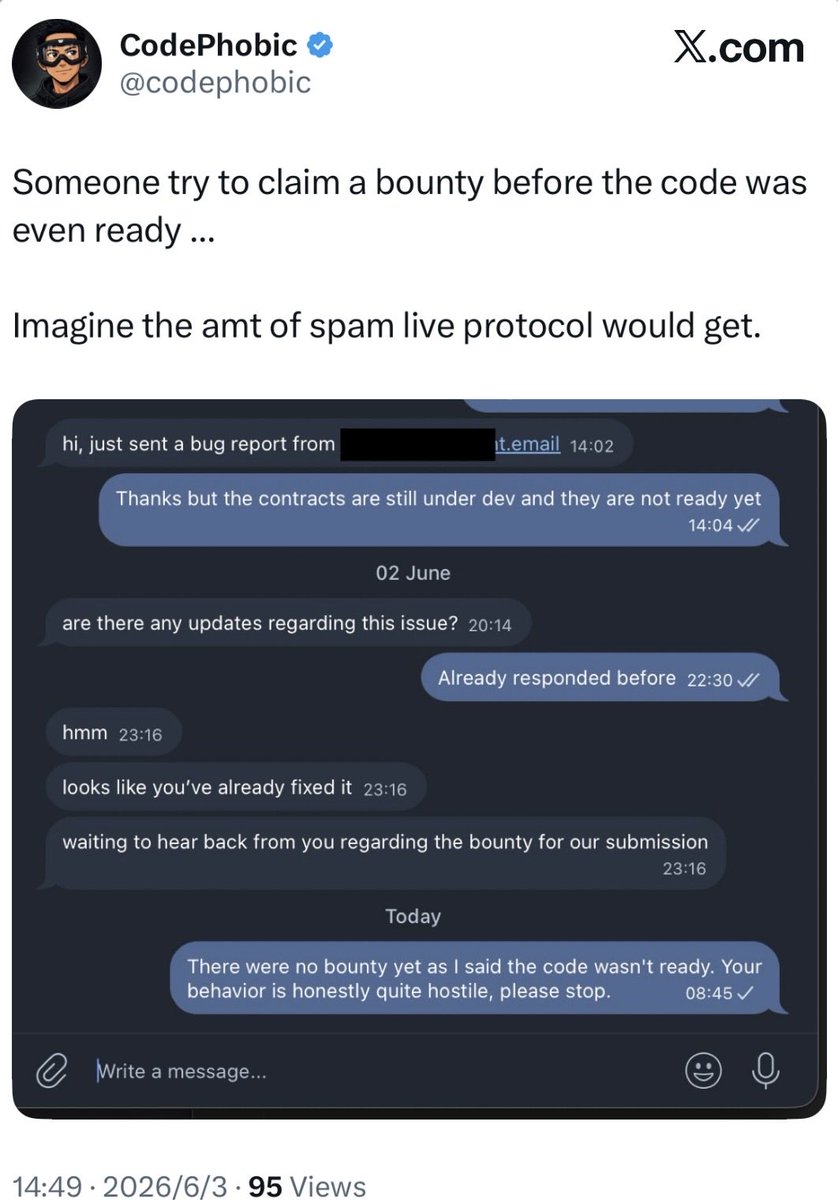
If you’re wrong, own it. If you mishandle a responsible disclosure, take your lumps. @codephobic
I followed USD8’s own security.md, privately submitted a Loss of Funds bug with a working PoC, then watched it get quietly patched with no credit and mocked as spam.
This is exactly how you teach researchers that responsible disclosure is a sucker's game.
I documented the case here:
https://t.co/wePfeHpi6J
cc @openzeppelin@demibrener@holajotola
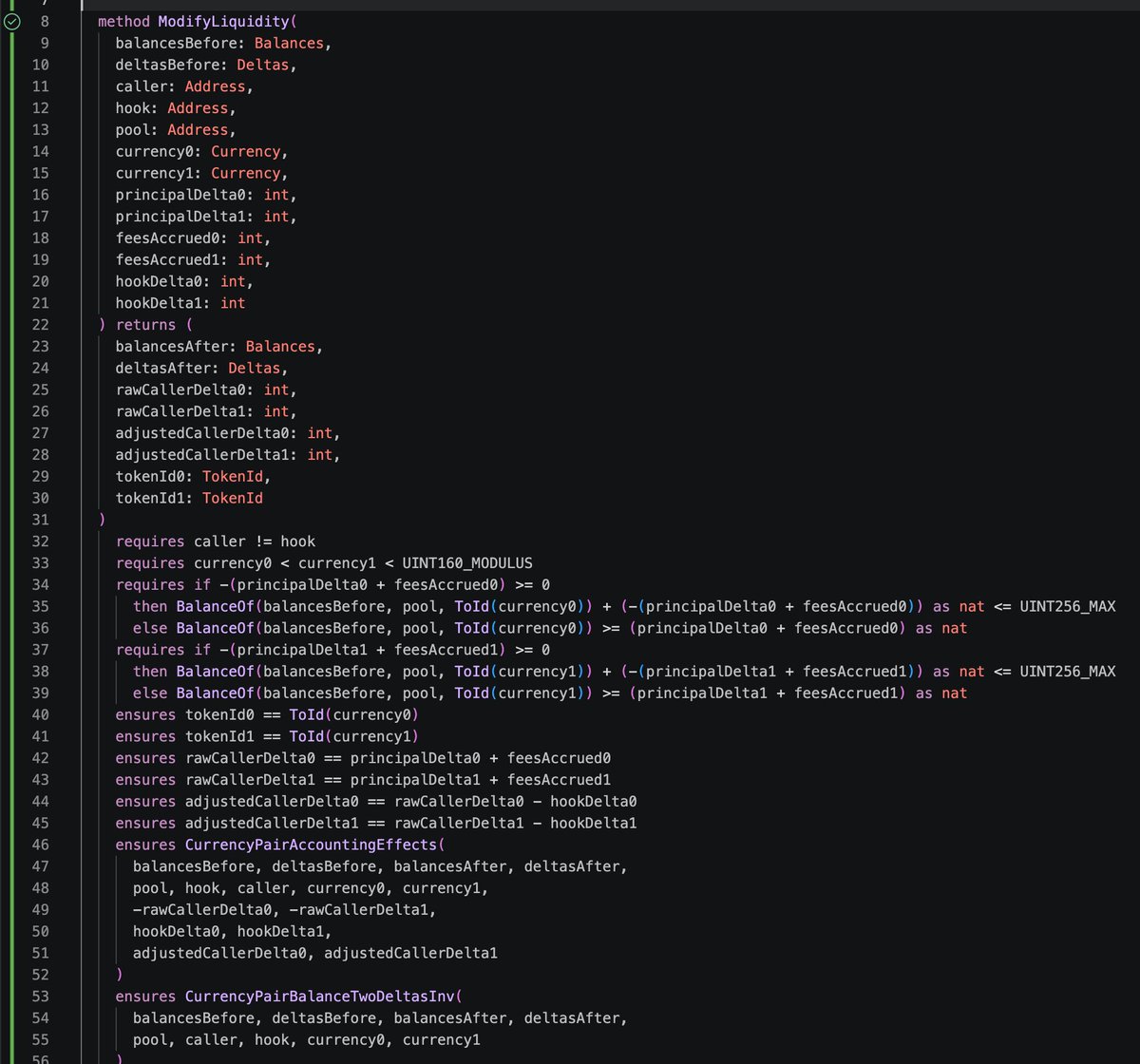
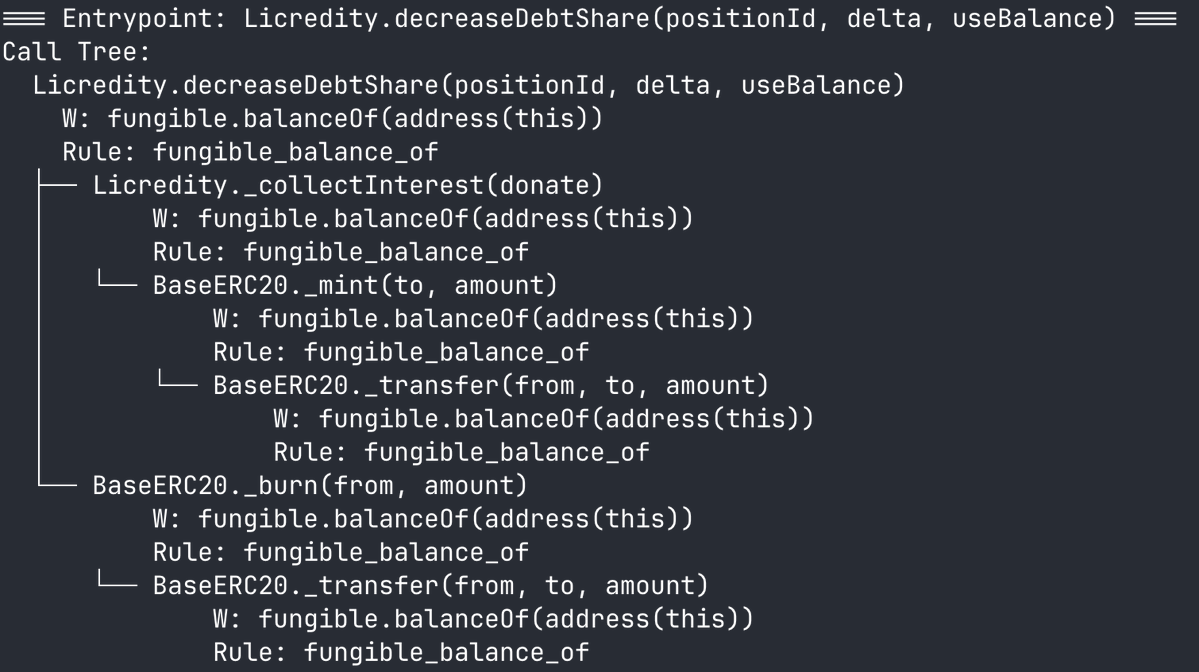
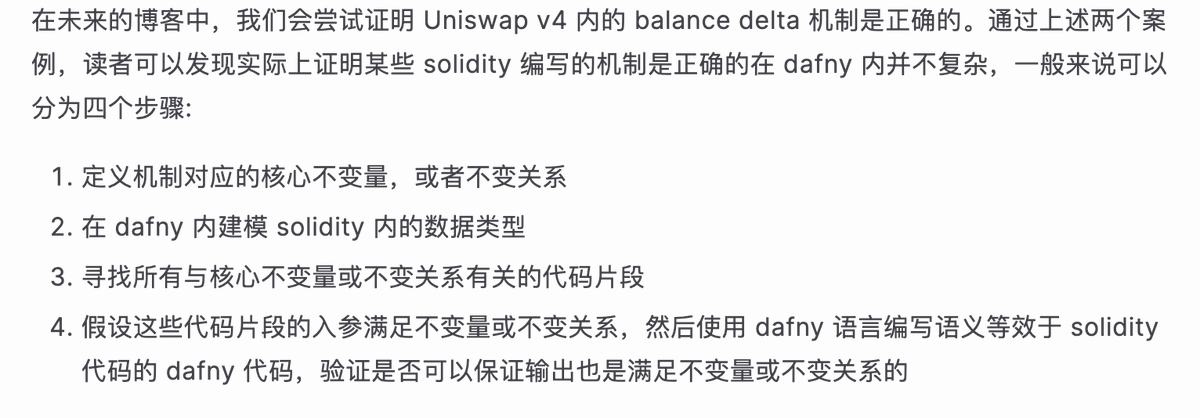
Formal Verification gets clearer when it moves from textbook examples to real bugs.
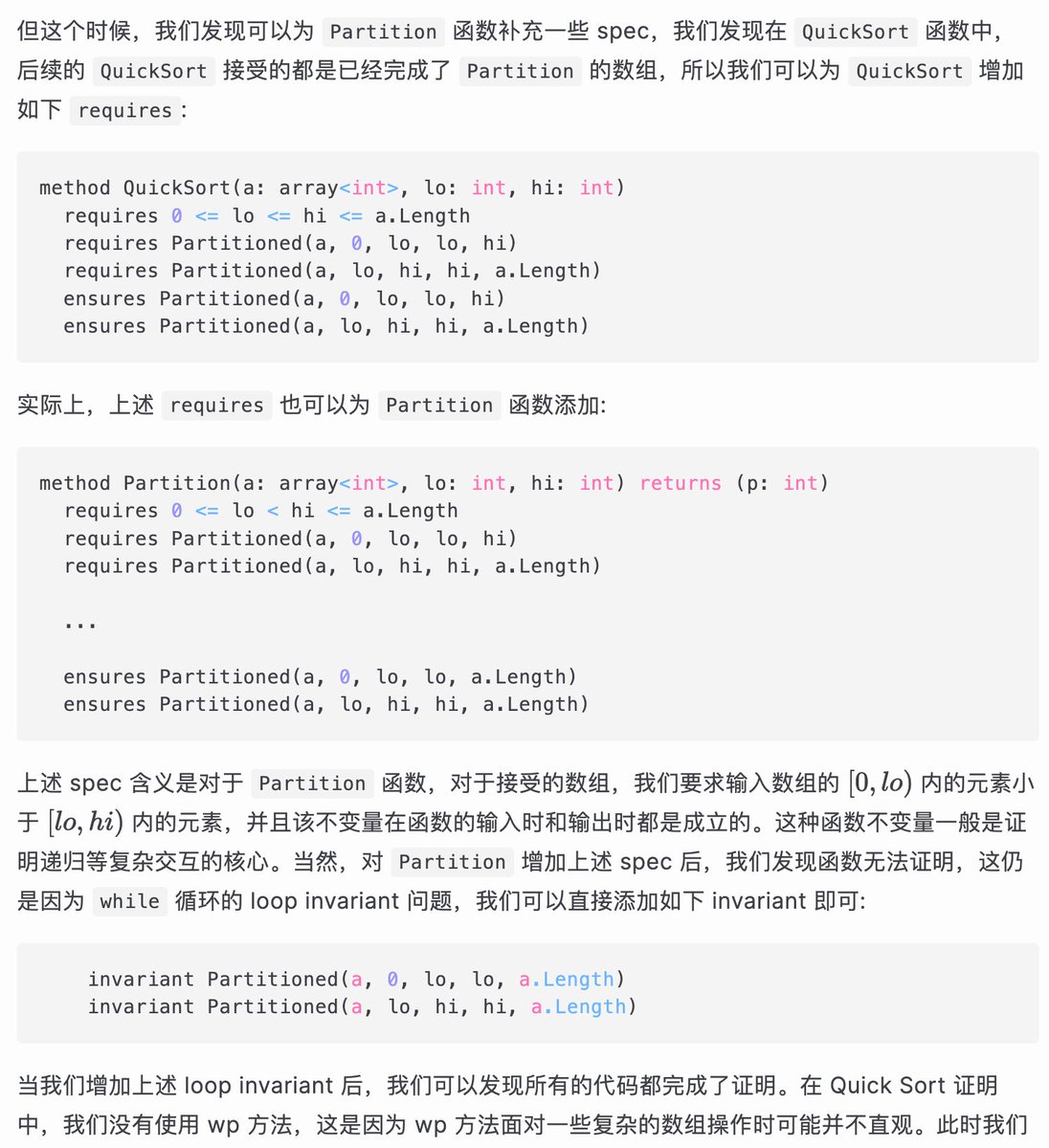
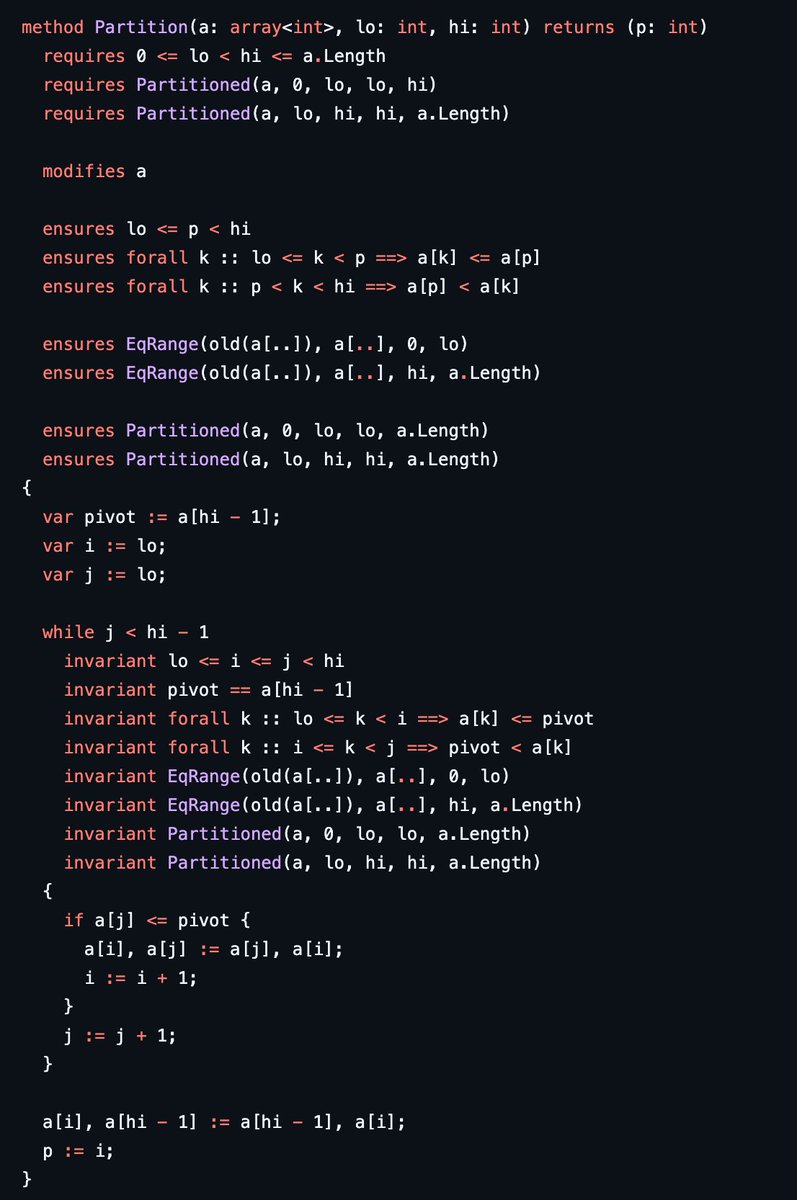
Our new Dafny walkthrough starts with Bubble Sort, Quick Sort, and Merge Sort, then shows how specifications, invariants, and proof obligations uncover a stage-accounting vulnerability.
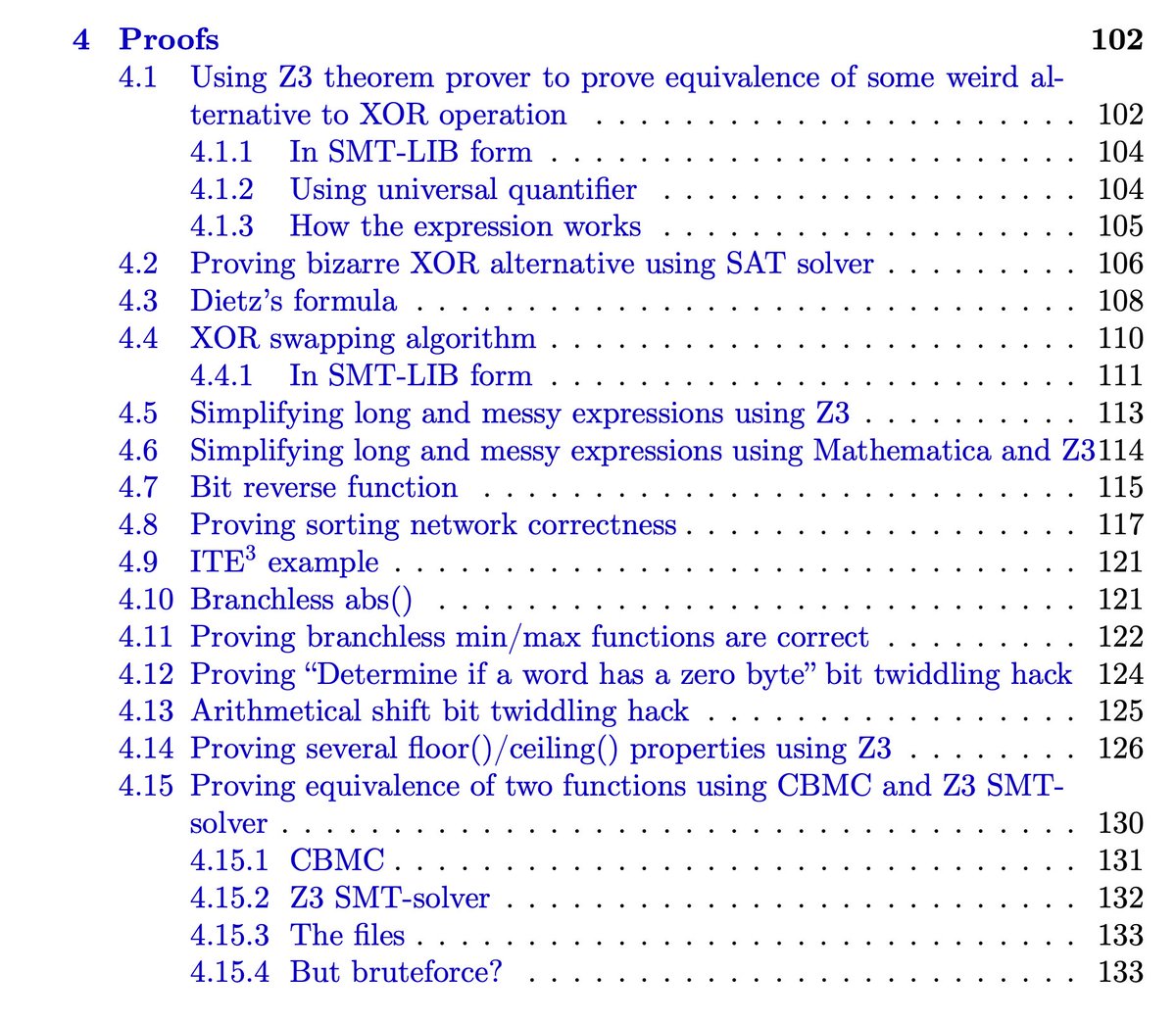
@murage_kibicho z3 is a SMT solver. Some foraml verification likes Dafny use Z3 as default solver. You can verify Quick Sort using Dafny and z3.
https://t.co/1i1Io6Q12i
And SAT/SMT by Example give more examples about how to use smt solver.
https://t.co/OLSHJwsuBG
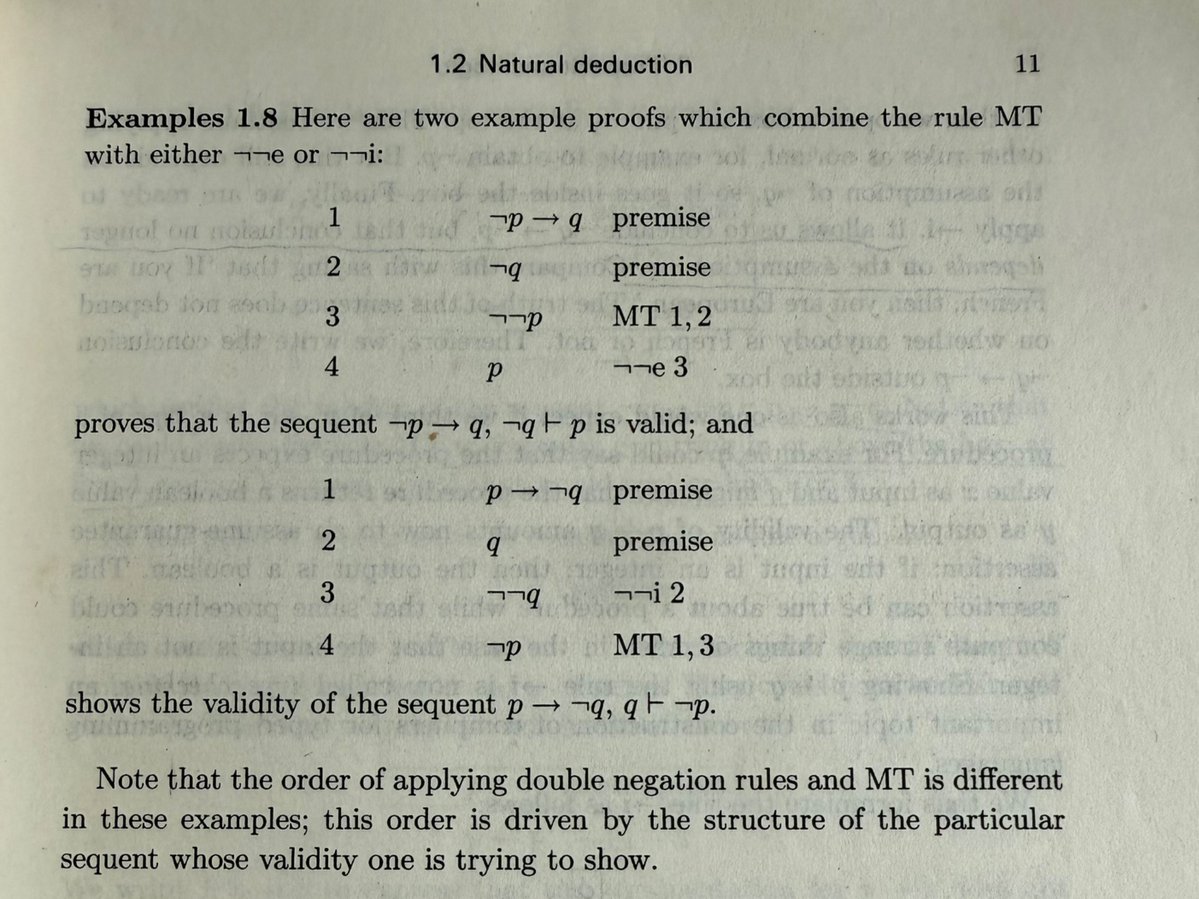
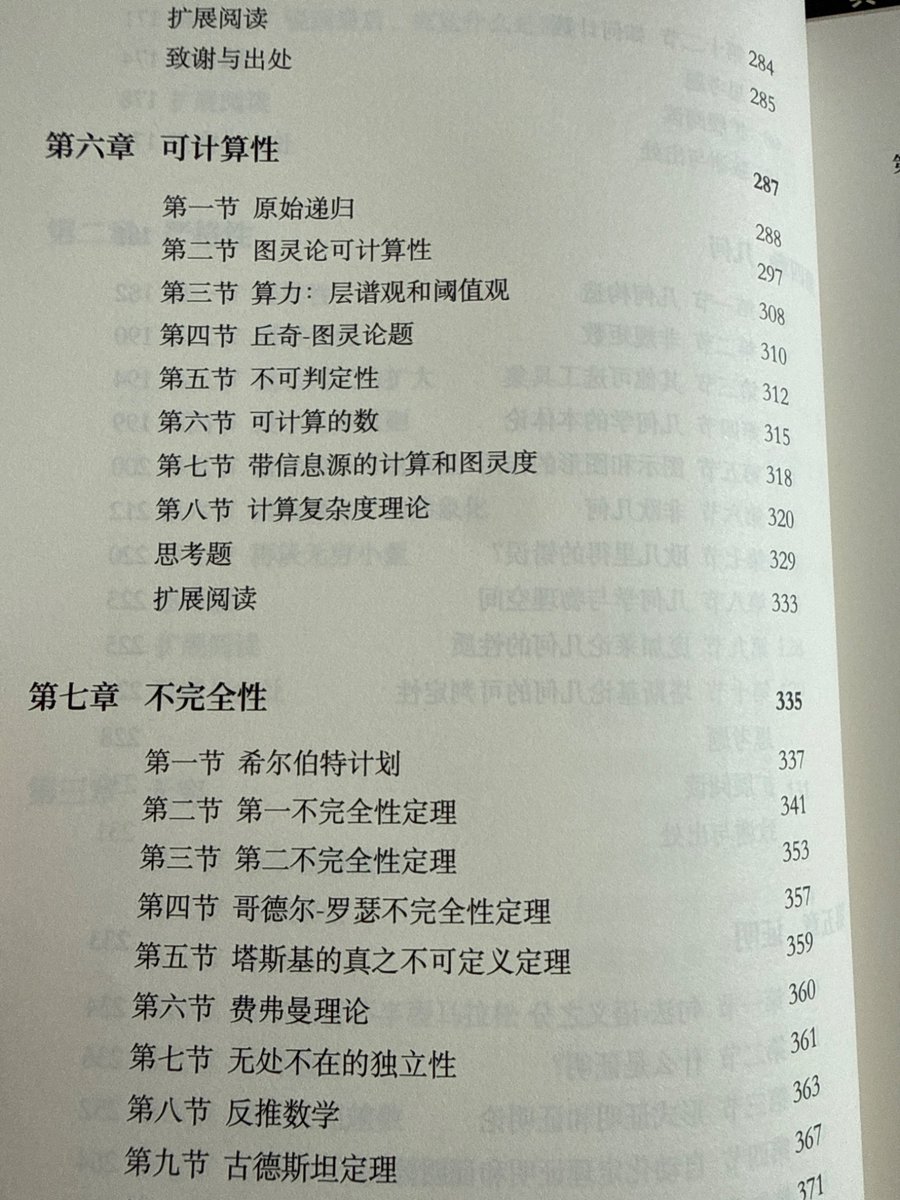
最近正在读 2 本与逻辑学有关的书,一本是 The Calculus of Computation,另一本是《面向计算机科学的数理逻辑》(最近出了中文版,但我还是用的影印版)。前者强调 semantics,而后者第一章全是 natural deduction。我没有搞明白两者的异同,但《数学哲学讲义》内证明的哥德尔完备性定理解决了我的疑惑