Assistant Professor at Hanyang University || Authoritarian Regimes, Civil-military Relations, Coups, Protests, Government Repression || @psupolisci PhD
Who violates censorship laws under extreme authoritarian rule? My new article with @rpcward89 uses North Korean refugee data to show socioeconomic autonomy and higher education predict foreign media consumption while pre-Jangmadang socialization does not.
https://t.co/VHpRS53KHt
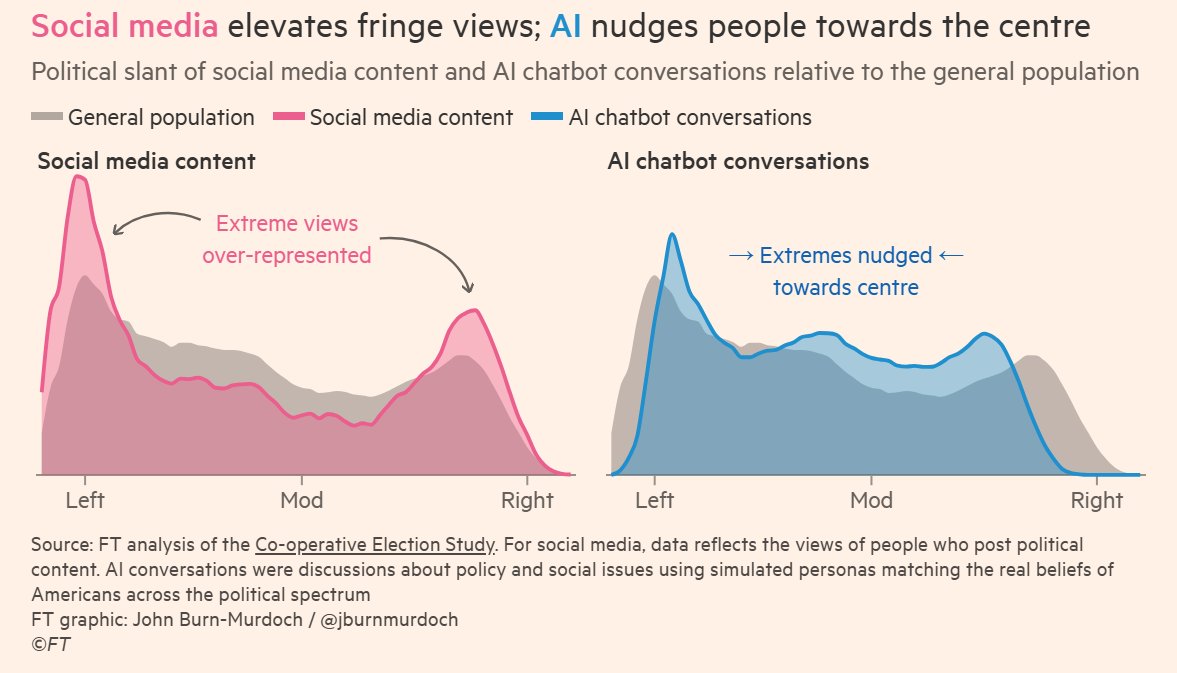
While social media is polarising, evidence suggests AI may nudge people towards the centre.
This holds true of all studied models. Grok is more right-leaning than other models, but also has depolarising effects.
By @jburnmurdoch.
NEW -
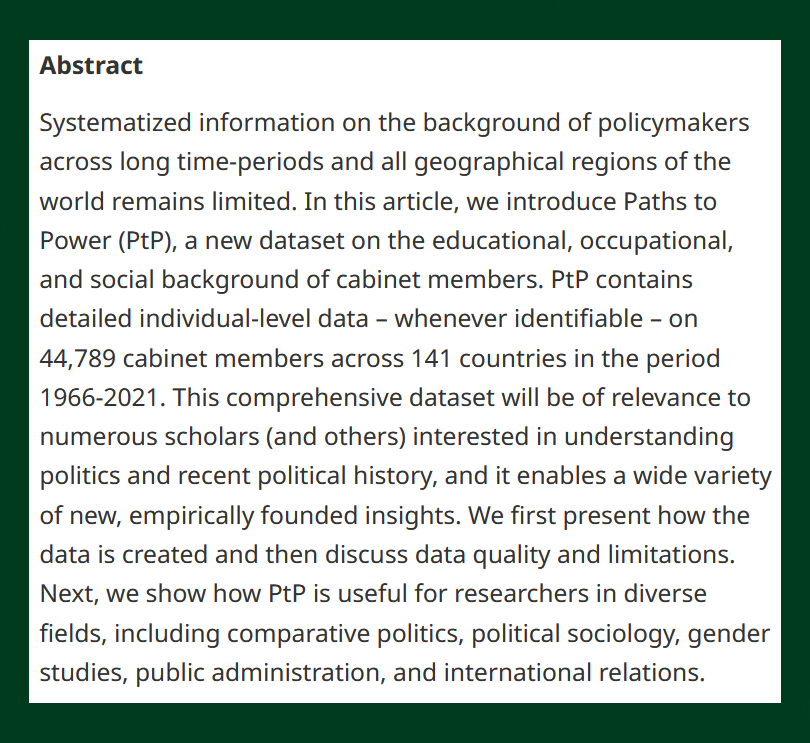
Paths to Power: A New Dataset on the Social Profile of Governments - https://t.co/FZQy4xmx1U
- Jacob Nyrup, @CarlhKnutsen, Peter Egge Langsæther & Ina Lyftingsmo Kristiansen
#OpenAccess
My article with @carsonaust, “Performative Violence and the Spectacular Debut of the Atomic Bomb,” is now available at @apsrjournal [Thread].
https://t.co/ZUhaJ0p4AY
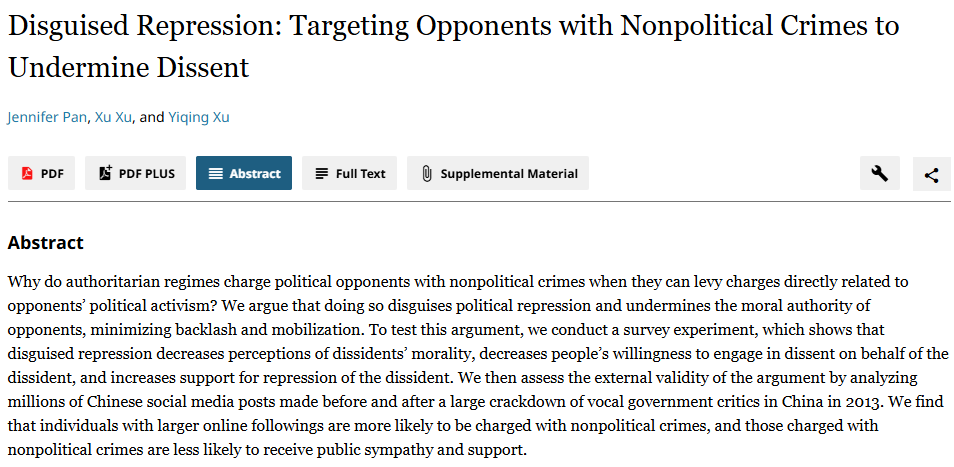
"Disguised Repression: Targeting Opponents with Nonpolitical Crimes to Undermine Dissent" by Jennifer Pan, Xu Xu, and Yiqing Xu. https://t.co/mX6nD6XZ60
Thrilled that this @CUP_Law book, with Driscoll and Krehbiel, is out this week. Its topic that become surprisingly relevant: under what conditions does the public punish presidents who ignore court decisions?
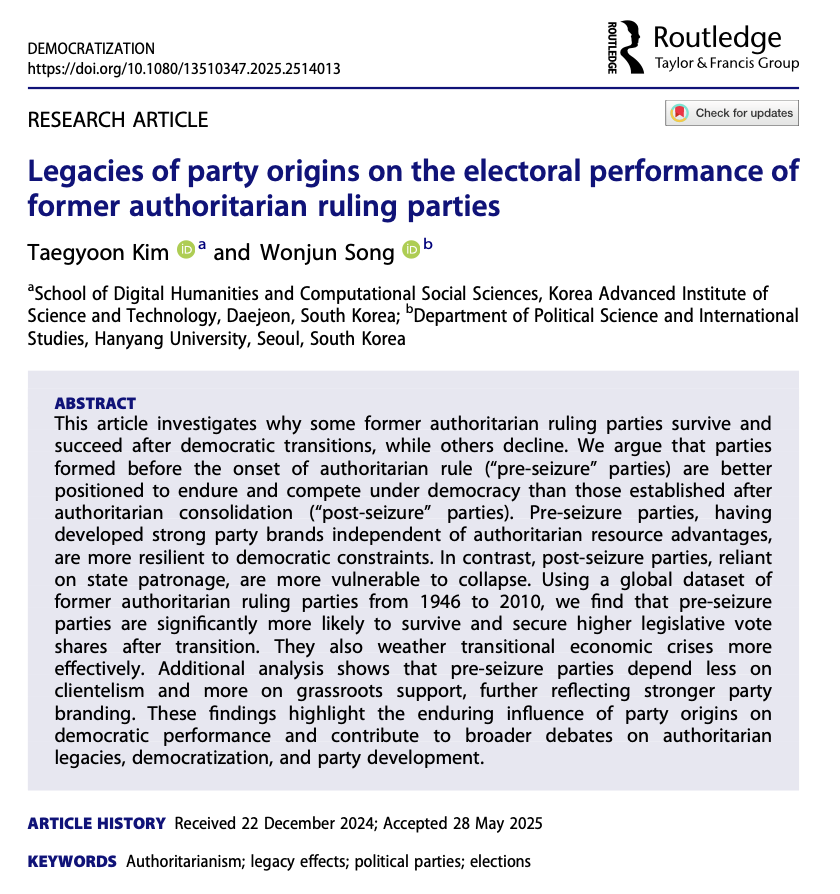
Why do some ex-authoritarian ruling parties thrive in democracy while others vanish? @TaegyoonK and I find that parties formed before authoritarian takeover (“pre-seizure”) are more resilient and win more votes post-transition than those built after (“post-seizure”).
Link ↓
Prof. Wright recently published an article in the Conversation. Wright and his colleagues explain how purging civil servants and dismantling government departments is a first step for newly elected strongmen to consolidate personal power. https://t.co/cpkL8sedQ9
With many arguing that President Yoon's declaration of martial law sets Korean democracy back and is an example of global democratic backsliding, experts caution that it will take time to assess how Korea’s overall democratic path will progress from here. https://t.co/jc8O5EnZKW
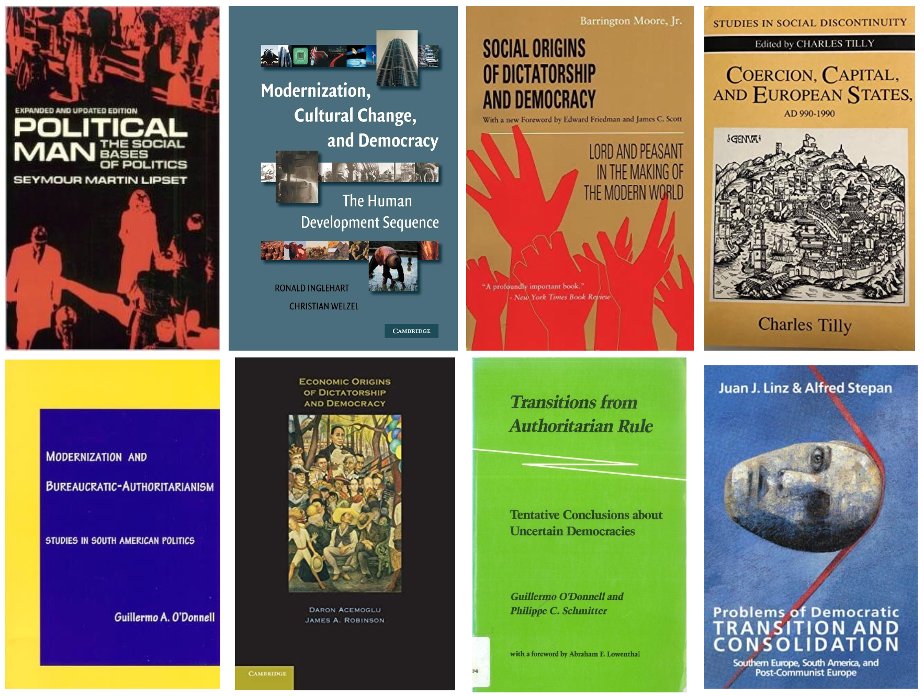
Are we making progress in the 𝘀𝗼𝗰𝗶𝗮𝗹 𝘀𝗰𝗶𝗲𝗻𝗰𝗲𝘀?
In a book I am writing, I address this question in light of research on 𝗱𝗲𝗺𝗼𝗰𝗿𝗮𝘁𝗶𝘇𝗮𝘁𝗶𝗼𝗻. &,based on an evaluation of post-1945 theories,my answer is “Yes, but flawed ideas can be influential & persist”🧵
Milestone unlocked: my research on the overstatement of GDP growth in autocracies is featured in this week's issue of @TheEconomist https://t.co/bF6i4LdMhR