Too weird to live/ too rare to die ☺
I don’t make mistakes, I date them😉
feminist for men/ Missonogist for women😌raga of sarcasm/ part-time overthinker..
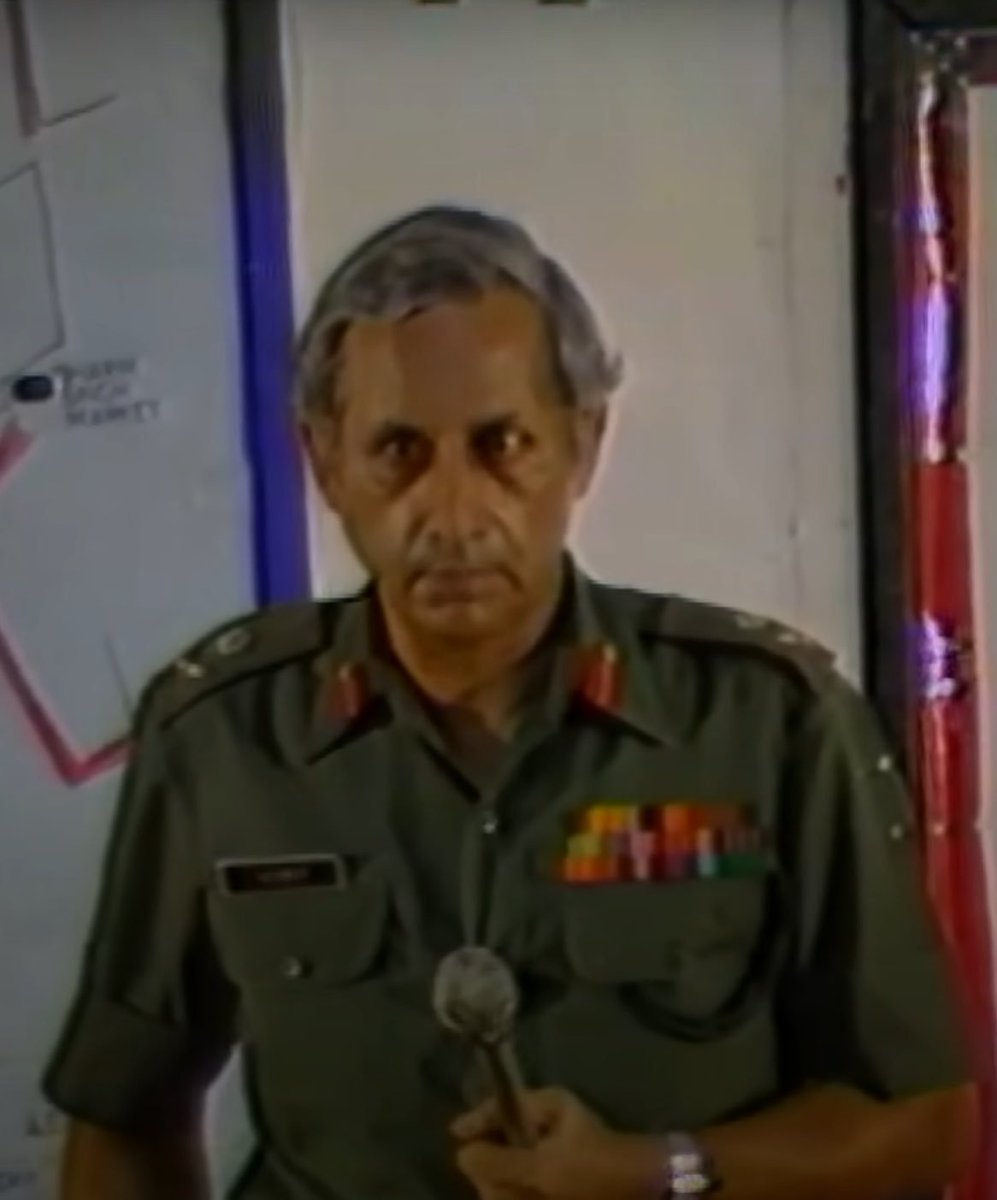
Kargil 1999
Original rare footage of media briefing by CO 13 JAK RIF on top of Point 4875 after its capture.
Highlighting the importance of Point 4875.
Jai Hind !
What is resilience, and how is it built into a soldier?
Let me tell you a story. You will understand it through this incident.
On 30 September 2012, just a few weeks after his 78th birthday, an Indian couple went out for a walk on the streets of London. Their daughter lived there, and the entire family had gathered together to celebrate his birthday after his retirement in 2011. It was a moment of happiness and togetherness for them.
But suddenly, on a London street, four attackers surrounded the 78-year-old man. They separated his wife from him and pushed her towards a wall. Yet, the man did not panic. Perhaps because, in his lifetime, he had faced dangers far greater than this.
The four assailants attacked him with knives. But even at the age of 78, four young men struggled to overpower that one individual. Their intention was to kill him. Unarmed, he fought back with extraordinary courage and resilience, almost overpowering all four attackers. However, one knife reached his neck, causing an injury. By then, people had gathered at the scene, forcing the attackers to flee.
That 78-year-old man was none other than Lieutenant General Kuldip Singh Brar.
General Brar was on a terrorist hit list, and the attack on him took place in London because carrying out such an attack in India would have been far more difficult. What is striking is that the hatred behind the attack had survived even after 26 years. The Indian Army had simply carried out the orders of the government and the military command structure, yet the anger was still directed at an individual soldier.
The remarkable fact is that General Brar survived the attack and remains alive and well. But another Army Chief was not as fortunate.
General Arun Shridhar Vaidya, who served as the Chief of Army Staff from 1983 to 1986, played a key role during Operation Blue Star in 1984. After retirement, he settled in Pune. On 10 August 1986, while returning home by car with his wife, gunmen on a motorcycle opened fire on him. General Vaidya was killed in the attack, while his wife was injured. The organisation that later claimed responsibility for the assassination is a matter of public record.
This is the reality of India’s history. There was a time when even the Chief of the Indian Army was not safe. Yet many people believe that earlier decades were completely peaceful.
The truth is that every decade of India’s journey has witnessed its own challenges, conflicts, and sacrifices. Through all of it, the nation has stood firm — and it will continue to stand firm, no matter whether the challenge comes from terrorism, hatred, or attempts to rewrite history.
What is resilience, and how is it built into a soldier?
Let me tell you a story. You will understand it through this incident.
On 30 September 2012, just a few weeks after his 78th birthday, an Indian couple went out for a walk on the streets of London. Their daughter lived there, and the entire family had gathered together to celebrate his birthday after his retirement in 2011. It was a moment of happiness and togetherness for them.
But suddenly, on a London street, four attackers surrounded the 78-year-old man. They separated his wife from him and pushed her towards a wall. Yet, the man did not panic. Perhaps because, in his lifetime, he had faced dangers far greater than this.
The four assailants attacked him with knives. But even at the age of 78, four young men struggled to overpower that one individual. Their intention was to kill him. Unarmed, he fought back with extraordinary courage and resilience, almost overpowering all four attackers. However, one knife reached his neck, causing an injury. By then, people had gathered at the scene, forcing the attackers to flee.
That 78-year-old man was none other than Lieutenant General Kuldip Singh Brar.
General Brar was on a terrorist hit list, and the attack on him took place in London because carrying out such an attack in India would have been far more difficult. What is striking is that the hatred behind the attack had survived even after 26 years. The Indian Army had simply carried out the orders of the government and the military command structure, yet the anger was still directed at an individual soldier.
The remarkable fact is that General Brar survived the attack and remains alive and well. But another Army Chief was not as fortunate.
General Arun Shridhar Vaidya, who served as the Chief of Army Staff from 1983 to 1986, played a key role during Operation Blue Star in 1984. After retirement, he settled in Pune. On 10 August 1986, while returning home by car with his wife, gunmen on a motorcycle opened fire on him. General Vaidya was killed in the attack, while his wife was injured. The organisation that later claimed responsibility for the assassination is a matter of public record.
This is the reality of India’s history. There was a time when even the Chief of the Indian Army was not safe. Yet many people believe that earlier decades were completely peaceful.
The truth is that every decade of India’s journey has witnessed its own challenges, conflicts, and sacrifices. Through all of it, the nation has stood firm — and it will continue to stand firm, no matter whether the challenge comes from terrorism, hatred, or attempts to rewrite history.
What is resilience, and how is it built into a soldier?
Let me tell you a story. You will understand it through this incident.
On 30 September 2012, just a few weeks after his 78th birthday, an Indian couple went out for a walk on the streets of London. Their daughter lived there, and the entire family had gathered together to celebrate his birthday after his retirement in 2011. It was a moment of happiness and togetherness for them.
But suddenly, on a London street, four attackers surrounded the 78-year-old man. They separated his wife from him and pushed her towards a wall. Yet, the man did not panic. Perhaps because, in his lifetime, he had faced dangers far greater than this.
The four assailants attacked him with knives. But even at the age of 78, four young men struggled to overpower that one individual. Their intention was to kill him. Unarmed, he fought back with extraordinary courage and resilience, almost overpowering all four attackers. However, one knife reached his neck, causing an injury. By then, people had gathered at the scene, forcing the attackers to flee.
That 78-year-old man was none other than Lieutenant General Kuldip Singh Brar.
General Brar was on a terrorist hit list, and the attack on him took place in London because carrying out such an attack in India would have been far more difficult. What is striking is that the hatred behind the attack had survived even after 26 years. The Indian Army had simply carried out the orders of the government and the military command structure, yet the anger was still directed at an individual soldier.
The remarkable fact is that General Brar survived the attack and remains alive and well. But another Army Chief was not as fortunate.
General Arun Shridhar Vaidya, who served as the Chief of Army Staff from 1983 to 1986, played a key role during Operation Blue Star in 1984. After retirement, he settled in Pune. On 10 August 1986, while returning home by car with his wife, gunmen on a motorcycle opened fire on him. General Vaidya was killed in the attack, while his wife was injured. The organisation that later claimed responsibility for the assassination is a matter of public record.
This is the reality of India’s history. There was a time when even the Chief of the Indian Army was not safe. Yet many people believe that earlier decades were completely peaceful.
The truth is that every decade of India’s journey has witnessed its own challenges, conflicts, and sacrifices. Through all of it, the nation has stood firm — and it will continue to stand firm, no matter whether the challenge comes from terrorism, hatred, or attempts to rewrite history.
जीवटता क्या होती है ,ये फौजी में इनबिल्ड कैसे होता है...
आपको एक किस्सा सुनाती हूं,आप इससे समझ जाओगे....
30 सितंबर 2012 अपने 78 जन्मदिन के कुछ सप्ताह बाद एक भारतीय दंपति लंदन की सड़को पर घुमने निकला था...लंदन में उनकी बेटी रहती थी,उससे मिलना और 2011 में रिटायरमेंट के बाद जन्मदिन के उपलक्ष पर पुरे परिवार का एक साथ होना उन्हे बहुत खुशी दे रहा था...
पर अचानक लंदन के सड़क पर चार लोगों ने उस 78 साल के व्यक्ति को घेर लिया और उनकी पत्नी को उनसे अलग करके दिवार के पास खड़ा कर दिया...पर व्यक्ति तनिक भी नही घबराया,शायद उसने अपने जीवन में इससे भी अधिक खतरा उठाया था...वो चारो अराजक लोगों ने उस व्यक्ति पर चाकू से हमला किया ,पर 78 साल की उम्र में भी चार नौजवान लोग मिलकर उस एक व्यक्ति को काबू नही कर पाए...
उनका इरादा उस 78 साल के व्यक्ति को खत्म करना था..इस हमले में निहत्थे उन्होने उन चारों को लगभग चीत कर दिया था,पर तभी चाकू उनके गले को छू गई और बहुत से लोग भी पहुंच गए,जिससे चारों हिंसक व्यक्ति भाग निकले...
ये 78 साल के व्यक्ति और कोई नहीं लेफ्टिनेंट जनरल कुलदीप सिंह बरार थे...उनका नाम आतंकी हिट लिस्ट में था,जिसकी वजह से उनपर ये हमला लंदन में हुआ था क्योंकि भारत में ये संभव नही था...आप समझो कि उन्होने 26 साल बाद भी ये सब करना था ,ये नफरत उन्होने पाल रखी थी,जबकि सेना ने तो हाइकमान आर्डर फॉलो किया था..
इतना बड़ा हमला निहत्थे झेल जाने वाले जनरल साहब आज भी स्वस्थ और जीवित हैं पर जनरल अरुण श्रीधर वैद्य इतने भाग्यशाली नही रहे....
जनरल वैद्य 1983 से 1986 तक भारत के थलसेना प्रमुख रहे थे... उन्होंने 1984 में हुए ऑपरेशन
के दौरान सेना प्रमुख के रूप में महत्वपूर्ण भूमिका निभाई थी... सेवानिवृत्ति के बाद वे पुणे में रहने लगे थे....10 अगस्त 1986 को जब वे अपनी पत्नी के साथ कार से घर लौट रहे थे, तब मोटरसाइकिल पर सवार हमलावरों ने उन पर गोलियां चला दीं... वो बच नहीं पाएं, जबकि उनकी पत्नी घायल हो गईं थी..... बाद में इसकी जिम्मेदारी किस संगठन ने ली थी आप उसको खुद गूगल कर लीजिएगा....
ये रियलिटी है ,जो उस दौर की देन है,जिसमें भारत के सेना प्रमुख तक सेफ नही रह पाएं और सब सोचते हैं कि भारत का पहले का दौर शांत था...भारत ने हर दशक में एक दहक देखा है और अटल खड़ा है...आगे भी खड़ा रहेगा,चाहे ये कोशिश आज सिनेमा कर ले या आतंकवाद...
The problem is that Satluj almost exclusively tells only one half of that story while largely ignoring the devastating impact of terrorism and the radicalisation of an entire generation.
Such films do not present history in its entirety. They present half of history, and half-truths often deepen divisions instead of healing them.Another aspect that caught my attention was the apparent attempt to internationalise what was fundamentally India's internal conflict. The film also seems to indirectly legitimise political assassinations.
One dialogue by Khalra—where he says that whether someone kills him with a speeding vehicle or by shooting him makes little difference—appears to unmistakably evoke the assassinations of Beant Singh and even Indira Gandhi. Whether intentional or not, the cinematic framing gives the impression of moral justification and even a degree of glorification. From the standpoint of censorship authorities, it is understandable why this aspect became difficult to ignore.Ultimately, every civilised society should have equal sympathy for the victims of terrorism as well as for innocent civilians who suffered at the hands of state excesses.
However, human rights violations committed during counter-insurgency operations can never become a justification for terrorism, nor can they be used to romanticise or glorify violent separatism. No film has the power to repaint a dark chapter of history in white.
Punjab remains one of India's greatest tragedies.
This is the land that once fed the entire nation. For more than three centuries it has endured repeated trauma. The Sikh Gurus sacrificed their lives defending both their faith and the nation. The British crushed the region with brutality. Partition tore Punjab into two, leaving millions displaced, countless families destroyed, and unimaginable violence inflicted upon women.
Yet despite all this suffering, sections of society eventually fell into Pakistan's trap and embraced the Khalistani insurgency. The assassinations of Indira Gandhi and Beant Singh, followed by the horrific anti-Sikh riots in Delhi, made Punjab one of the most deeply scarred regions in modern India.
Even then, Punjab rose again.
Today, however, the state faces a different crisis—drugs, gangster culture, industrial decline, youth migration, and fractured families. Few states have contributed as much to India while receiving so little in return.
But grief and grievance are not the same thing.
Some of Punjab's wounds were inflicted upon it by others. Some, tragically, were self-inflicted.
The greatest tragedy today is that an entire ecosystem continues to keep these wounds permanently open instead of allowing them to heal.
Punjab deserves far better—from its enemies as well as from many of its self-proclaimed protectors.
This was the balance that Satluj could have achieved. It consciously chose not to.
Although Satluj has been banned, I still believe it should be watched—not as unquestionable history, but as one perspective that deserves to be critically examined alongside the broader historical record. Only then can viewers recognise where a cinematic narrative ends and historical complexity begins.
A healthy democracy gives us the freedom to call out what we believe is right and what we believe is wrong. That freedom should always be exercised with responsibility, historical awareness, and intellectual honesty.
Satluj: A Brilliant Film, But a One-Sided Narrative
Controversy has never been part of my personality or my Facebook timeline. As a woman, I try my best to stay away from such spaces because they are inherently contradictory and rarely gender-neutral. The moment your opinion doesn't align with someone's beliefs, the discussion can quickly descend into endless, low-level abuse, regardless of whether you are a man or a woman.
Perhaps I should have written this at the end, but yesterday I commented on a post saying that Satluj is a biased film and urged people, "Don't fall into misleading narrative warfare." In response, a gentleman from Canada chose to reply with extremely abusive language.
I could have simply labelled him a Khalistani sympathizer in return. Instead, because I am naturally sensitive by temperament, I showed him the middle finger, blocked him, and decided to write this detailed review. At the same time, I also believe banning the film was not the ideal response.
I watched Satluj the evening before yesterday. Honest criticism demands both appreciation and scrutiny, and this film belongs in that category.
Technically, Satluj is an outstanding piece of cinema. It has a compelling story, a tightly written screenplay that maintains tension throughout, and some of the finest performances delivered by almost the entire cast. Judged purely as filmmaking, it deserves high praise.
But the real concern begins where the controversy surrounding the film begins.
Cinema certainly has the freedom to dramatize events and take creative liberties. However, creative liberty cannot become an excuse for presenting an incomplete truth as historical reality.
The biggest issue is that the film separates Jaswant Singh Khalra's human rights campaign almost entirely from the bloody Khalistani insurgency that devastated Punjab.
This was the same period during which Punjab bled for years. Thousands of murders, rapes, targeted killings of innocent Sikhs and Punjabi Hindus, and the transformation of several gurdwaras into recruitment centres for terrorists became grim realities. Removing this broader context from the narrative raises a serious question: what kind of historical balance is the film attempting to achieve?
This is not ancient history. It concerns one of the most significant chapters of India's recent past. Manipulating that context in the name of cinematic liberty creates an incomplete historical picture.
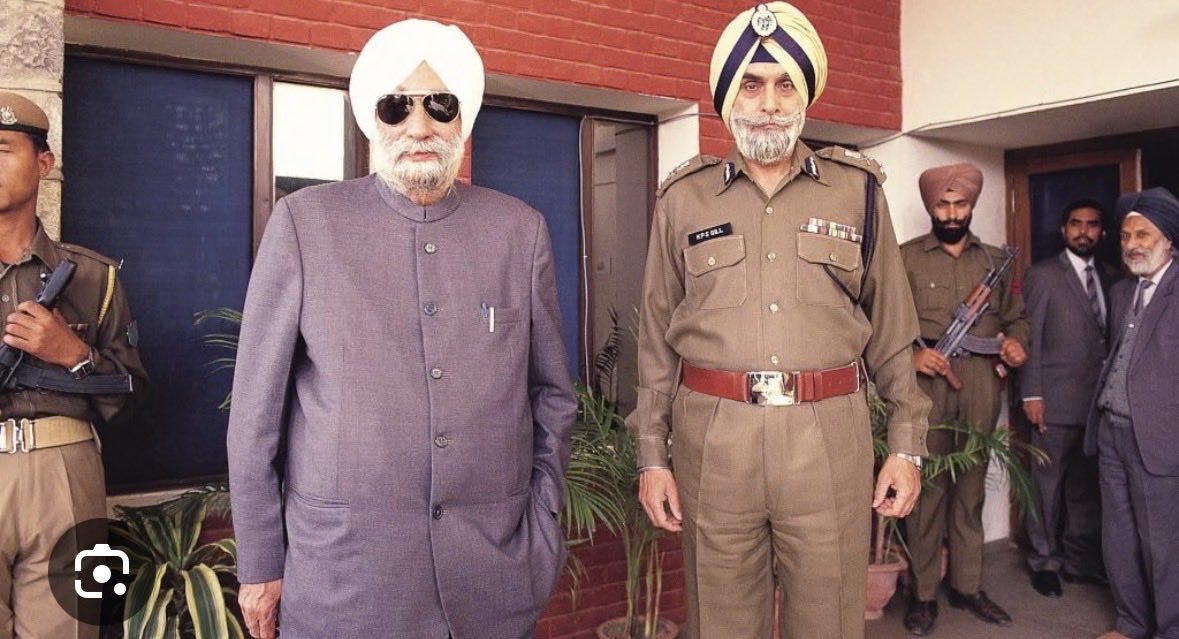
It is also an undeniable historical reality that much of the credit for defeating Pakistan-sponsored terrorism in Punjab goes to then Chief Minister Beant Singh and police chief K.P.S. Gill. Whatever debates may exist about their methods, their role in restoring normalcy cannot simply be erased.
Yet the film appears to frame Beant Singh's assassination primarily as retaliation for alleged human rights abuses committed during his tenure. That is a deeply one-sided portrayal.
By the early 1990s, Punjab was no longer facing a mere law-and-order problem. It had become the battlefield of a Pakistan-sponsored proxy war. Arms, funding, training, and ideological support flowed across the border to fuel terrorism. Elections themselves became nearly impossible to conduct. Innocent passengers were pulled off buses and executed solely because of their religion.
How long could any democratic nation tolerate such conditions?
It is equally true that the state's response, in several instances, crossed legal and moral boundaries. There were undoubtedly actions that cannot be justified from any humanitarian perspective.
But it is also true that the tragedy of innocent people being caught in the crossfire emerged within the horrific reality of an insurgency that had penetrated deep into society.
Sometimes justice and injustice occupy the same scale simultaneously. What appears as justice from one perspective may appear as injustice from another. Both realities can exist at the same time.
आखिर में बस यही कहना चाहूंगी कि किसी भी भद्र जनमानस की पुरी सहानुभूति आतंकवाद के पीड़ितों के साथ होनी चाहिए साथ ही उन निर्दोष लोगों के साथ भी, जो पुलिस की बर्बरता का शिकार हुए.... लेकिन किसी भी संघर्ष क्षेत्र में हुए मानवाधिकार उल्लंघनों की आड़ लेकर आतंकवाद को जस्टीफाई और ग्लोरीफाई नहीं की जा सकती है और न ही कोई फिल्म आज के दौर में काले इतिहास को सफेद कर सकता है...
पंजाब के लिए एक गहरा दुःख होता है कि जो स्टेट कभी पुरे भारत का पेट भरता था यह वह भूमि है जो आज ड्रग्स का लैब टेस्ट जोन है... इस क्षेत्र ने तीन शताब्दियों से अधिक समय तक लगातार आघात सहे हैं... गुरुओं ने इस देश और अपने धर्म की रक्षा के लिए अपने प्राण न्योछावर किए... अंग्रेजों ने भी इसे निर्ममता से कुचला... विभाजन ने इसे दो टुकड़ों में बाँट दिया, लाखों लोग मारे गए, उजड़ गए, महिलाओं की अस्मिता लूटी गई.... फिर भी यहां के कुछ लोग पाकिस्तान के जाल में फंस गए और खालिस्तानी आतंकवाद को अपनाने की कोशिश की...इंदिरा गांधी की हत्या और उसके बाद बेअंत सिंह की हत्या से ज्यादा मिसलिड कोई क्षेत्र और क्या हो सकता है...फिर इसने दिल्ली का सिख विरोधी नरसंहार सहा...
पर फिर भी उसके बाद ये राज्य उठ खड़ा हुआ...आज वही पंजाब नशे, गैंगस्टर संस्कृति, उद्योगों के पतन, युवाओं के पलायन और बिखरते परिवारों से जूझ रहा है... भारत के बहुत कम प्रदेश ऐसे हैं जिन्होंने पंजाब जितना दिया हो और बदले में इतना कम पाया हो....
लेकिन Grief और Grievance एक ही बात नहीं हैं...पंजाब के कुछ घाव उस पर दूसरों ने दिए, तो कुछ घाव उसने स्वयं अपने ऊपर लगाए....
और सबसे बड़ी त्रासदी यह है कि आज एक पूरी पलटन इन घावों को भरने के बजाय उन्हें लगातार हरा बनाए रखने में लगा हुआ है... पंजाब इससे कहीं बेहतर का हकदार है...अपने दुश्मनों से भी और अपने तथाकथिक रक्षकों से भी...
फिल्म चाहती तो यही वह संतुलन था जिसे दिखा सकती थी,पर उसने जानबूझ ये नही किया...
Satluj बैन हो गई है पर अवश्य देखी जानी चाहिए,ताकि आपको इतिहास का पता हो ताकि जब कोई इस फिल्म की आड़ लेकर खालिस्तानी मंसूबों को हवा देना चाहें ,आप उस नैरेटिव को तोड़ सको...क्योंकि इस फिल्म में यह क्षमता अवश्य है कि खालिस्तानी समर्थक अपने नैरेटिव को वैलिडेशन देने के लिए इसका उपयोग कर सकते हैं...
बाकि भारत देश के लोकतांत्रिक अभिव्यक्ति इतनी स्वतंत्रता जरूर देती है कि गलत को गलत और सही को सही कह सके...(2)
कंट्रोवर्सी कभी भी मेरे स्वभाव का हिस्सा नही है...महिला होने के नाते मै यथासंभव इन सब से दूरी बनाए रखना चाहती हूं क्योंकि ये विरोधाभास की दुनिया है और जेंडर न्यूट्रल भी...यहां जब बातें आपके मनयुक्त नही होंती तो महिला पुरुष के भेदभाव बिना अंतहीन लो लेवल विमर्श भी चल सकता है...
वैसे ये पार्ट मुझे इस पोस्ट के आखिरी में लिखनी चाहिए,पर कल मैनें जब एक जगह दलजीत दोसांझ के सतलज मूवी के बारे में एक बात लिखी की ये बायस्ड फिल्म हैं,डांट ट्रैप इन मिसलिडिंग वारफेयर...तो एक सज्जन ने कनाडा से बहुत ही अभद्र बात लिखी...
पलटवार में मैं उन्हे खालिस्तानी लिख सकती थी,चूंकि मैं संवेदनशील स्वभाव रखती हूं तो मीडिल फिंगर दिखा कर मैने उन्हे ब्लाक किया और हिम्मत करके इस फिल्म का पूरा डेटा लिख रही हूं और साथ ही ये भी कि इसको बैन करके भी कितना गलत किया गया है....
तो परसों शाम ही मैने Satluj देख रखी थी.. चूंकि कभी कभी ईमानदार समीक्षा में जितनी प्रशंसा होती है उतनी ही उतनी ही गंभीर आलोचना की भी,ये सिनेमा उसी कैटेगरी की है..
सबसे पहले फिल्म की बात करें तो टेक्निकली यह एक बेहतरीन फिल्म है... कहानी अच्छी है, स्क्रीनप्ले में जो टेंशन होनी चाहिए वो है और लगभग पूरी स्टारकास्ट का अभी तक का उत्कृष्ट अभिनय है... अगर इसे सिनेमा के क्वालिटी के आधार पर आंका जाए तो यह फिल्म बेस्ट लिबर्टी ले जाती है..
पर अब बात करते हैं उस हिस्से पर जिसकी वजह से इसे बैन किया गया और जहाँ वास्तविक आपत्ति होनी चाहिए थी ,क्योंकि सिनेमाई लिबर्टी का सहारा लेकर आप फिक्शन बना सकते हो,वो चीजे नही परोस सकते जो अधूरा सच दिखाते हैं...
सबसे बड़ा प्वाइंट यह है कि फिल्म जसवंत सिंह खालड़ा के मानवाधिकारों के प्रश्न के पीछे पंजाब में चले खूनी खालिस्तानी आतंकवाद से लगभग पूरी तरह अलग करके प्रस्तुत करती है....
जबकि पंजाब का ये वही वह दौर था जिसने पंजाब को लहूलुहान कर दिया था..हजारों हत्याएँ, बलात्कार, निर्दोष सिखों और पंजाबी हिंदुओं पर अत्याचार, गुरुद्वारों का आतंकवादियों के भर्ती केंद्रों में बदल दिया जाना,उस गुरूनानक देव के पंजाब ने झेला था.... इस पूरे संदर्भ को फिल्म से हटाकर कहानी कहना कोई सा संतुलन दिखाने की कोशिश की गई है,मुझे समझ में नही आया...जबकि ये इतिहास की बात ही नही है हाल के नब्बे के दशक के एक महत्वपूर्ण हिस्से को सिनेमाई लिबर्टी के नाम फर मैनुपुलेट करना है...
जबकि पंजाब को उस पाकिस्तान प्रायोजित प्राक्सी युद्ध से बाहर निकालने का सबसे बड़ा श्रेय तत्कालीन मुख्यमंत्री बेअंत सिंह और कुंअर पाल सिंह गिल साहब को जाता है,जिसे कोई झुठला नही सकता है....फिर इस फिल्म में बेअंत सिंह की निर्मम हत्या को उनके कार्यकाल में हुए मानवाधिकार उल्लंघनों के प्रतिशोध जैसा प्रस्तुत करना एक तरफा फ्रेमिंग नही तो और क्या है...
1990 के दशक की शुरुआत तक पंजाब केवल कानूनव्यवस्था की समस्या नहीं रह गया था,वो पाकिस्तान और भारत का एक युद्ध का मैदान बन चुका था.. पड़ोसी देश हथियार, धन और प्रशिक्षण देकर आतंकवाद को बढ़ावा दे रहा था...वहां चुनाव कराना तक संभव नहीं था... यात्रियों को बसों से उतारकर केवल उनके धर्म के आधार पर गोलियों से भून दिया जाता था... दुनिया का कोई भी लोकतांत्रिक राष्ट्र ऐसी स्थिति को कब तक सहन करता...
ये बात भी सच है कि पंजाब सरकार की प्रतिक्रिया कई स्थानों पर बहुत सख्त थी और कई ऐसे काम हुए थे जो किसी भी मानवीय दृष्टि से उचित नहीं ठहराए जा सकते थे लेकिन यह भी उतना ही सत्य है कि गेहूं के साथ घुन का पीस जाना वहां लोकल रूट तक फैल चुके आतंकवाद की भयावहता की वजह से हुई थी...
कभी कभी न्याय और अन्याय दोनो एक ही पलड़े पर बैठे होते हैं...किसी की दृष्टि का न्याय ,दूसरे के नजरीए से अन्याय ही होता है...दोनों बातें एक साथ सच हो सकती हैं...
पर ये फिल्म केवल दूसरी बात दिखाए जा रही है और पहले भाग आतंकवाद की वजह से मिसलीड हुए यूथ को लगभग पूरी तरह छोड़ दी है...इस तरह की फिल्में इतिहास नहीं दिखाती, बल्कि इतिहास का आधा हिस्सा दिखा कर खाई को और चौड़ा करती हैं...
एक और बात जिसने ध्यान खींचा है वो है भारत में हुए घरेलू मुद्दों को अंतरराष्ट्रीयकरण करने की कोशिश...और हर पालिटिकल हत्या को जिस तरह अप्रत्यक्ष रूप से उचित ठहराया गया है और खालड़ा का इस फिल
म में डायलॉग भी है कि चाहे मुझे कोई गाड़ी से उड़ा दे या गोली मार दे ...
ये पूरी तरह से बेअंत सिंह और इंदिरा गांधी की मृत्यु की ओर संकेत करता हुए उसे जस्टीफाई और ग्लोरीफाई करते हुए प्रतीत हुई है... बैन करने के लिहाज से इसे अनदेखा करना किसी के लिए भी कठिन था...(1)
आखिर में बस यही कहना चाहूंगी कि किसी भी भद्र जनमानस की पुरी सहानुभूति आतंकवाद के पीड़ितों के साथ होनी चाहिए साथ ही उन निर्दोष लोगों के साथ भी, जो पुलिस की बर्बरता का शिकार हुए.... लेकिन किसी भी संघर्ष क्षेत्र में हुए मानवाधिकार उल्लंघनों की आड़ लेकर आतंकवाद को जस्टीफाई और ग्लोरीफाई नहीं की जा सकती है और न ही कोई फिल्म आज के दौर में काले इतिहास को सफेद कर सकता है...
पंजाब के लिए एक गहरा दुःख होता है कि जो स्टेट कभी पुरे भारत का पेट भरता था यह वह भूमि है जो आज ड्रग्स का लैब टेस्ट जोन है... इस क्षेत्र ने तीन शताब्दियों से अधिक समय तक लगातार आघात सहे हैं... गुरुओं ने इस देश और अपने धर्म की रक्षा के लिए अपने प्राण न्योछावर किए... अंग्रेजों ने भी इसे निर्ममता से कुचला... विभाजन ने इसे दो टुकड़ों में बाँट दिया, लाखों लोग मारे गए, उजड़ गए, महिलाओं की अस्मिता लूटी गई.... फिर भी यहां के कुछ लोग पाकिस्तान के जाल में फंस गए और खालिस्तानी आतंकवाद को अपनाने की कोशिश की...इंदिरा गांधी की हत्या और उसके बाद बेअंत सिंह की हत्या से ज्यादा मिसलिड कोई क्षेत्र और क्या हो सकता है...फिर इसने दिल्ली का सिख विरोधी नरसंहार सहा...
पर फिर भी उसके बाद ये राज्य उठ खड़ा हुआ...आज वही पंजाब नशे, गैंगस्टर संस्कृति, उद्योगों के पतन, युवाओं के पलायन और बिखरते परिवारों से जूझ रहा है... भारत के बहुत कम प्रदेश ऐसे हैं जिन्होंने पंजाब जितना दिया हो और बदले में इतना कम पाया हो....
लेकिन Grief और Grievance एक ही बात नहीं हैं...पंजाब के कुछ घाव उस पर दूसरों ने दिए, तो कुछ घाव उसने स्वयं अपने ऊपर लगाए....
और सबसे बड़ी त्रासदी यह है कि आज एक पूरी पलटन इन घावों को भरने के बजाय उन्हें लगातार हरा बनाए रखने में लगा हुआ है... पंजाब इससे कहीं बेहतर का हकदार है...अपने दुश्मनों से भी और अपने तथाकथिक रक्षकों से भी...
फिल्म चाहती तो यही वह संतुलन था जिसे दिखा सकती थी,पर उसने जानबूझ ये नही किया...
Satluj बैन हो गई है पर अवश्य देखी जानी चाहिए,ताकि आपको इतिहास का पता हो ताकि जब कोई इस फिल्म की आड़ लेकर खालिस्तानी मंसूबों को हवा देना चाहें ,आप उस नैरेटिव को तोड़ सको...क्योंकि इस फिल्म में यह क्षमता अवश्य है कि खालिस्तानी समर्थक अपने नैरेटिव को वैलिडेशन देने के लिए इसका उपयोग कर सकते हैं...
बाकि भारत देश के लोकतांत्रिक अभिव्यक्ति इतनी स्वतंत्रता जरूर देती है कि गलत को गलत और सही को सही कह सके...(2)
कंट्रोवर्सी कभी भी मेरे स्वभाव का हिस्सा नही है...महिला होने के नाते मै यथासंभव इन सब से दूरी बनाए रखना चाहती हूं क्योंकि ये विरोधाभास की दुनिया है और जेंडर न्यूट्रल भी...यहां जब बातें आपके मनयुक्त नही होंती तो महिला पुरुष के भेदभाव बिना अंतहीन लो लेवल विमर्श भी चल सकता है...
वैसे ये पार्ट मुझे इस पोस्ट के आखिरी में लिखनी चाहिए,पर कल मैनें जब एक जगह दलजीत दोसांझ के सतलज मूवी के बारे में एक बात लिखी की ये बायस्ड फिल्म हैं,डांट ट्रैप इन मिसलिडिंग वारफेयर...तो एक सज्जन ने कनाडा से बहुत ही अभद्र बात लिखी...
पलटवार में मैं उन्हे खालिस्तानी लिख सकती थी,चूंकि मैं संवेदनशील स्वभाव रखती हूं तो मीडिल फिंगर दिखा कर मैने उन्हे ब्लाक किया और हिम्मत करके इस फिल्म का पूरा डेटा लिख रही हूं और साथ ही ये भी कि इसको बैन करके भी कितना गलत किया गया है....
तो परसों शाम ही मैने Satluj देख रखी थी.. चूंकि कभी कभी ईमानदार समीक्षा में जितनी प्रशंसा होती है उतनी ही उतनी ही गंभीर आलोचना की भी,ये सिनेमा उसी कैटेगरी की है..
सबसे पहले फिल्म की बात करें तो टेक्निकली यह एक बेहतरीन फिल्म है... कहानी अच्छी है, स्क्रीनप्ले में जो टेंशन होनी चाहिए वो है और लगभग पूरी स्टारकास्ट का अभी तक का उत्कृष्ट अभिनय है... अगर इसे सिनेमा के क्वालिटी के आधार पर आंका जाए तो यह फिल्म बेस्ट लिबर्टी ले जाती है..
पर अब बात करते हैं उस हिस्से पर जिसकी वजह से इसे बैन किया गया और जहाँ वास्तविक आपत्ति होनी चाहिए थी ,क्योंकि सिनेमाई लिबर्टी का सहारा लेकर आप फिक्शन बना सकते हो,वो चीजे नही परोस सकते जो अधूरा सच दिखाते हैं...
सबसे बड़ा प्वाइंट यह है कि फिल्म जसवंत सिंह खालड़ा के मानवाधिकारों के प्रश्न के पीछे पंजाब में चले खूनी खालिस्तानी आतंकवाद से लगभग पूरी तरह अलग करके प्रस्तुत करती है....
जबकि पंजाब का ये वही वह दौर था जिसने पंजाब को लहूलुहान कर दिया था..हजारों हत्याएँ, बलात्कार, निर्दोष सिखों और पंजाबी हिंदुओं पर अत्याचार, गुरुद्वारों का आतंकवादियों के भर्ती केंद्रों में बदल दिया जाना,उस गुरूनानक देव के पंजाब ने झेला था.... इस पूरे संदर्भ को फिल्म से हटाकर कहानी कहना कोई सा संतुलन दिखाने की कोशिश की गई है,मुझे समझ में नही आया...जबकि ये इतिहास की बात ही नही है हाल के नब्बे के दशक के एक महत्वपूर्ण हिस्से को सिनेमाई लिबर्टी के नाम फर मैनुपुलेट करना है...
जबकि पंजाब को उस पाकिस्तान प्रायोजित प्राक्सी युद्ध से बाहर निकालने का सबसे बड़ा श्रेय तत्कालीन मुख्यमंत्री बेअंत सिंह और कुंअर पाल सिंह गिल साहब को जाता है,जिसे कोई झुठला नही सकता है....फिर इस फिल्म में बेअंत सिंह की निर्मम हत्या को उनके कार्यकाल में हुए मानवाधिकार उल्लंघनों के प्रतिशोध जैसा प्रस्तुत करना एक तरफा फ्रेमिंग नही तो और क्या है...
1990 के दशक की शुरुआत तक पंजाब केवल कानूनव्यवस्था की समस्या नहीं रह गया था,वो पाकिस्तान और भारत का एक युद्ध का मैदान बन चुका था.. पड़ोसी देश हथियार, धन और प्रशिक्षण देकर आतंकवाद को बढ़ावा दे रहा था...वहां चुनाव कराना तक संभव नहीं था... यात्रियों को बसों से उतारकर केवल उनके धर्म के आधार पर गोलियों से भून दिया जाता था... दुनिया का कोई भी लोकतांत्रिक राष्ट्र ऐसी स्थिति को कब तक सहन करता...
ये बात भी सच है कि पंजाब सरकार की प्रतिक्रिया कई स्थानों पर बहुत सख्त थी और कई ऐसे काम हुए थे जो किसी भी मानवीय दृष्टि से उचित नहीं ठहराए जा सकते थे लेकिन यह भी उतना ही सत्य है कि गेहूं के साथ घुन का पीस जाना वहां लोकल रूट तक फैल चुके आतंकवाद की भयावहता की वजह से हुई थी...
कभी कभी न्याय और अन्याय दोनो एक ही पलड़े पर बैठे होते हैं...किसी की दृष्टि का न्याय ,दूसरे के नजरीए से अन्याय ही होता है...दोनों बातें एक साथ सच हो सकती हैं...
पर ये फिल्म केवल दूसरी बात दिखाए जा रही है और पहले भाग आतंकवाद की वजह से मिसलीड हुए यूथ को लगभग पूरी तरह छोड़ दी है...इस तरह की फिल्में इतिहास नहीं दिखाती, बल्कि इतिहास का आधा हिस्सा दिखा कर खाई को और चौड़ा करती हैं...
एक और बात जिसने ध्यान खींचा है वो है भारत में हुए घरेलू मुद्दों को अंतरराष्ट्रीयकरण करने की कोशिश...और हर पालिटिकल हत्या को जिस तरह अप्रत्यक्ष रूप से उचित ठहराया गया है और खालड़ा का इस फिल
म में डायलॉग भी है कि चाहे मुझे कोई गाड़ी से उड़ा दे या गोली मार दे ...
ये पूरी तरह से बेअंत सिंह और इंदिरा गांधी की मृत्यु की ओर संकेत करता हुए उसे जस्टीफाई और ग्लोरीफाई करते हुए प्रतीत हुई है... बैन करने के लिहाज से इसे अनदेखा करना किसी के लिए भी कठिन था...(1)
@MajorSammerToor respected sir ,agar is bc teacher ka aap vedio nahi add karte to silently satad justify bhi ho jata but kya is killor ne 35000 hindu panjabi genocide ki bat ki..