The future of drug delivery isn't just printed — it's programmed. 💊
4D printing is quietly revolutionizing pharmaceuticals, and the implications are enormous.
Unlike 3D printing, 4D printing adds a fourth dimension: time. Structures are designed to change shape, release compounds, or respond to stimuli like temperature, pH, or moisture — automatically, after they're made.
In pharma, this means:
→ Smart drug delivery — pills that release medication only when triggered by the body's specific conditions (e.g., gut pH), reducing side effects and improving efficacy.
→ Personalized dosing — implants or capsules engineered to adapt their release rate to a patient's unique biology.
→ Targeted therapy — structures that activate only at a tumor site or inflamed tissue, sparing healthy cells.
→ Reduced patient burden — fewer doses needed when a single smart implant can manage a timed-release schedule over days or weeks.
We're moving from one-size-fits-all medicine to treatments that literally respond to the patient.
The convergence of materials science, bioengineering, and precision medicine is no longer science fiction — it's in the lab, and it's heading to the clinic.
The next big leap in patient outcomes won't come from a new molecule alone. It'll come from how we deliver it.
#Pharmaceuticals #4DPrinting #DrugDelivery #HealthcareInnovation #Biotech #PrecisionMedicine #FutureOfHealth
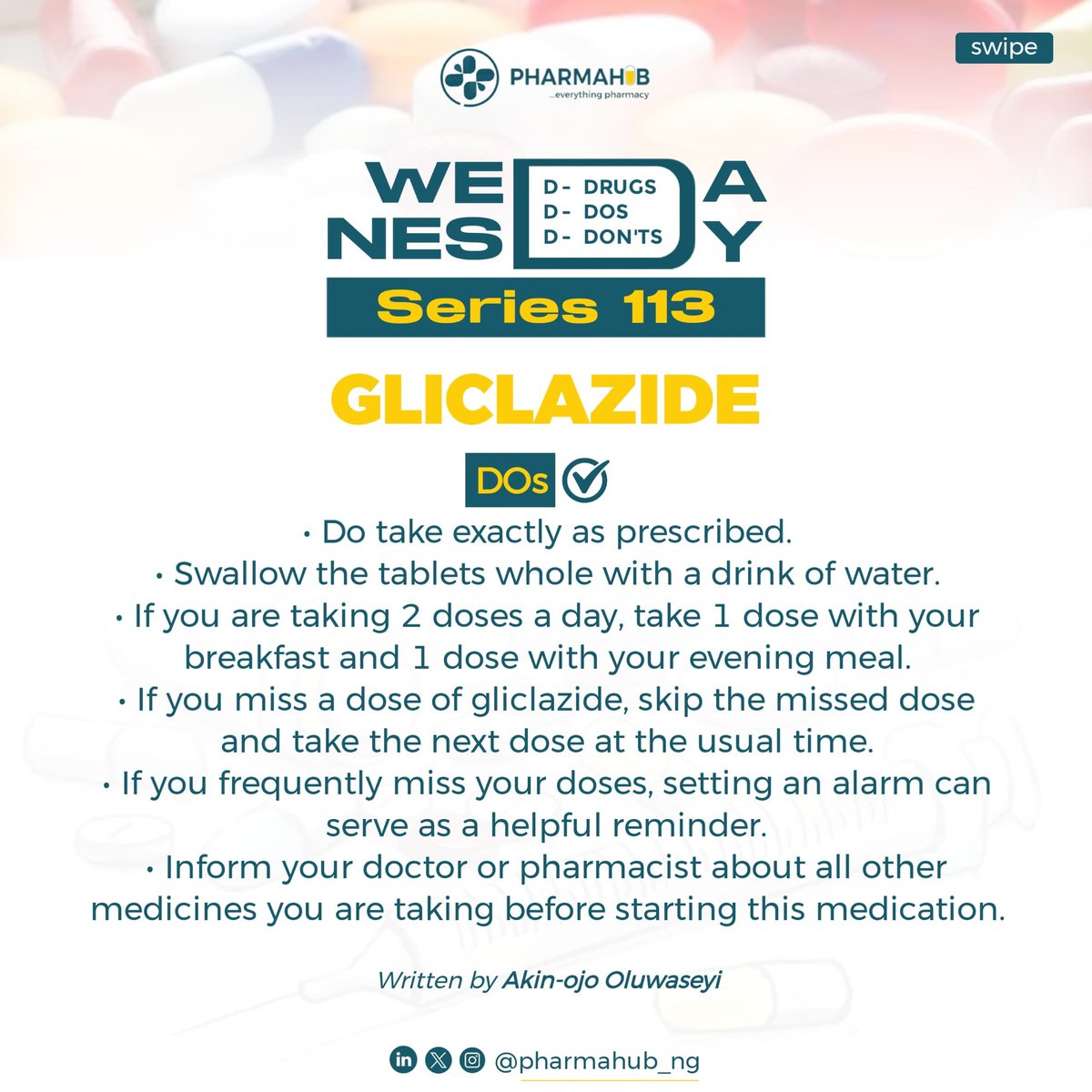
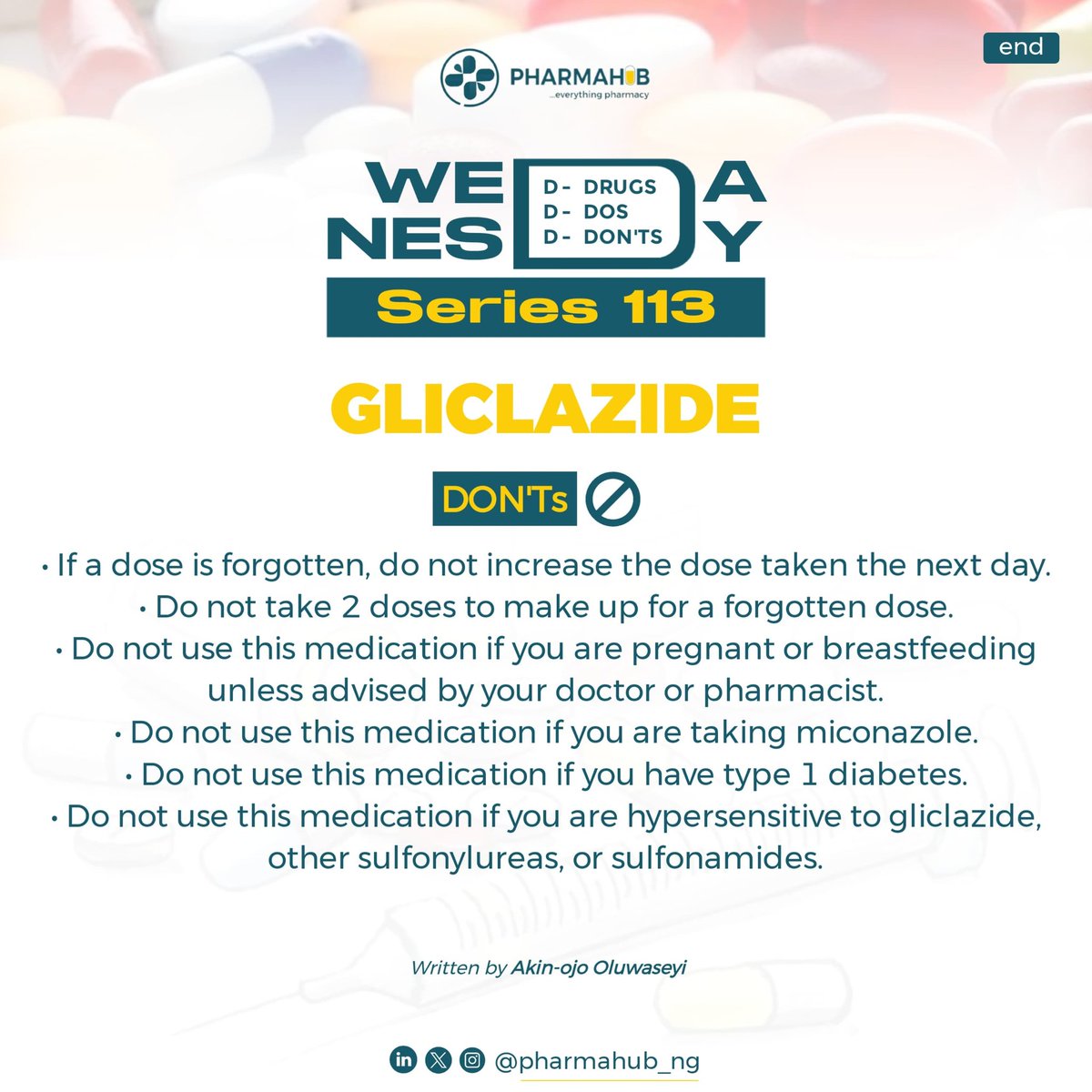
Gliclazide is a sulfonylurea used to manage type 2 diabetes by stimulating the pancreas to produce more insulin. Here are the key points to know:
Take it at the right time. Standard gliclazide should be taken 30 minutes before a meal, ideally breakfast. Modified-release (MR) formulations are taken once daily with breakfast.
Don't skip meals. Since gliclazide increases insulin secretion, skipping a meal after taking it significantly raises your risk of hypoglycemia (low blood sugar).
Know the signs of a hypo. Shakiness, sweating, dizziness, confusion, and palpitations are warning signs. Always carry fast-acting glucose (glucose tablets, juice, or sugary sweets) in case this happens.
Alcohol increases hypo risk. Alcohol can mask hypoglycemia symptoms and prolong its effects — limit intake and never drink on an empty stomach while on this medication.
Monitor your blood sugar regularly, especially when first starting or after any dose change, to ensure your levels are in a safe range.
Tell your doctor if you are unwell, fasting, or having surgery — your dose may need to be temporarily adjusted, as illness and fasting dramatically change your glucose balance.
Gliclazide is generally well tolerated, but consistent timing, regular meals, and blood glucose monitoring are the cornerstones of using it safely.