If you’re always in go-go-go mode, you may be running your business reactive and frantic. Dusty Gulleson, CEO of Tectonic: grinding was bad advice early on, and it always costs you something.
When did you last stop long enough to think?
You bought the tool and your team never used it. Dusty Gulleson, CEO of Tectonic: start with your people and their current process, then pick the platform. By his estimate, over half of large implementations fail on buy-in.
What tool never got adopted on your team?
Hiring a sales director can cut revenue for the exact reason you hired one. Dusty Gulleson, CEO of Tectonic: no one sells like the owner, and revenue won’t hold velocity without you at the helm.
Which part of your business have you handed off that needs a closer eye?
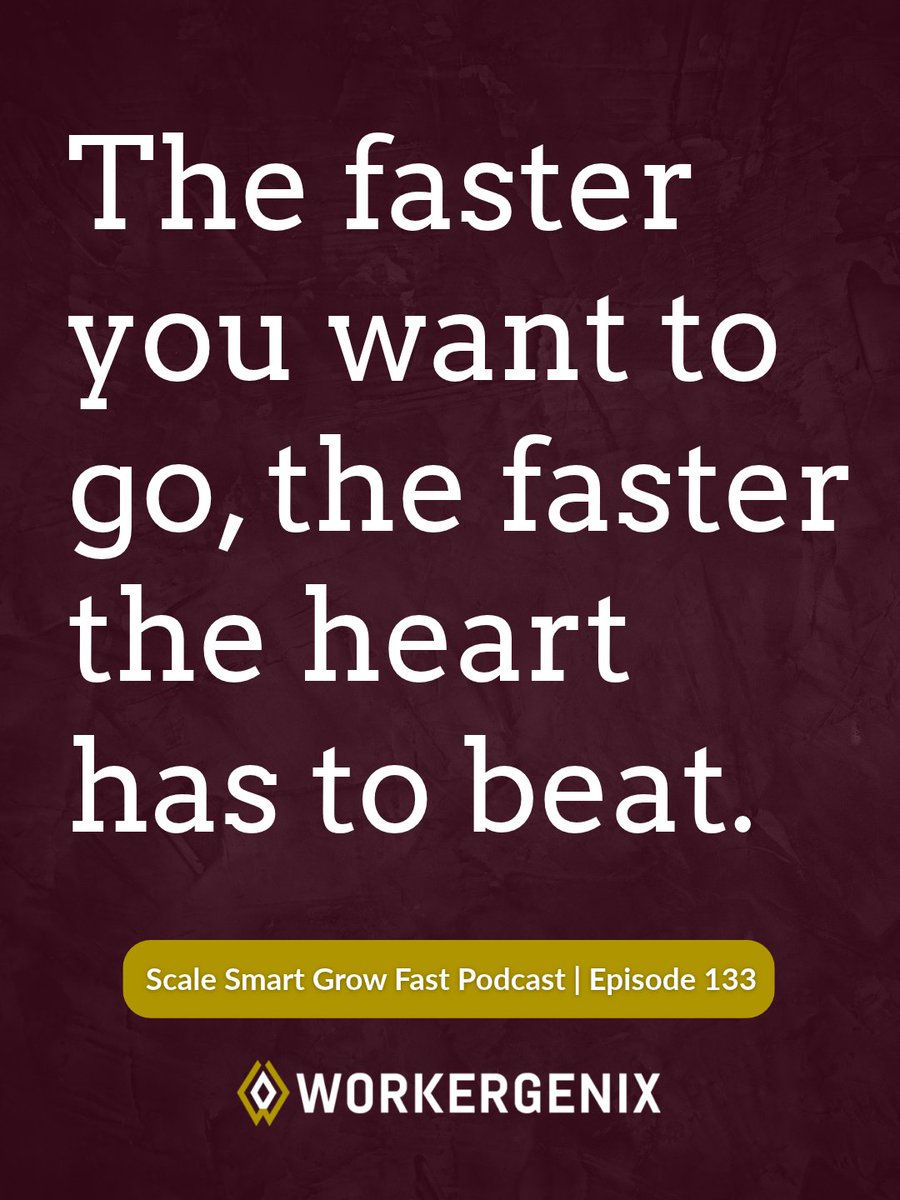
Moving faster without a rhythm just adds chaos. Tim Vogel on why meeting rhythm is the heartbeat of a company: “The faster you want to go, the faster the heart has to beat.”
How often does your team actually sync?
If everything flows through you, you’re the limit on growth. Tim Vogel: letting go only works when you keep visibility through reporting and an accountability cadence.
What’s one function you’d hand off tomorrow if you could still see how it’s performing?
Reactive weeks usually mean the big goal never became weekly work. Tim Vogel’s fix: pick where you want to be in 3 years, work backward to the quarter, then break each rock into a 13-week sprint.
What goal of yours hasn’t been broken into weekly steps yet?
You start a business at the Peak of Mount Stupid: most confident, knowing the least. Then the Valley of Despair hits. Tim Vogel on why that dip is predictable.
Which stage are you in right now: Mount Stupid, the Valley of Despair, or climbing out?
Scenthound went from zero to almost 180 locations in five years. Tim Vogel: “Most people don’t realize there was a 15 year buildup to that.”
What are you building right now that nobody sees yet?
Comment “EPISODE” and we’ll send you the full conversation.
AI isn’t replacing the human yet. Adrienne Green’s connector breaks every week, and someone has to restart it. If that isn’t a person on your team, it’s you.
Who fixes it in your business?
Comment “EPISODE” and we’ll send you the full conversation.
Growth adds routine work. Adrienne Green pairs AI agents with humans so her assistants spend less time on routine. That’s capacity, not longer hours.
What routine task still eats your best person’s time?
Comment “EPISODE” and we’ll send you the full conversation.
If you’re redoing broken tool connections every week, you’re stuck in the weeds. Adrienne Green: AI can’t turn itself off and on again, so a person has to own the restart.
How often do you fix a tool yourself?
Comment “EPISODE” and we’ll send you the full conversation.
If your assistants do every step of every task, they stay in the weeds, and so do you. Adrienne Green’s team now handles only the steps that need a human.
What’s one step your team does by hand that needs no human?
Comment “EPISODE” and we’ll send you the full conversation.
If no one else on your team owns the tools, you’re the tech support. Adrienne Green: once humans on her team were accountable for making each piece work, it stopped falling on her. That’s leadership bandwidth. The full episode is waiting for you.
Calm on the surface doesn’t mean calm underneath. Once the work is yours to carry, it’s coverage, approvals, and replacements, not one-call fixes.
Lara Hamilton: “We’re calm on the surface, but we’re paddling very hard.”
More conversations like this here.
Growth adds complexity, and manual steps compound with it. Lara Hamilton: software should not create friction. Find the pain points, streamline, automate the manual work. That’s capacity built, not hours added.
Doing only the job you have keeps you stuck at the level you’re at. Lara Hamilton: nobody deserves the next level, you work your way into it by doing that role’s work first. That’s how teams build momentum and leaders get bandwidth back.
If you’re the smartest person in every room, you’re still stuck in the weeds. Lara Hamilton hires people smarter than she is so they can do the work and bring the ideas. It’s uncomfortable, and she does it anyway.
If every call and email still comes to you, you’re the bottleneck. Lara Hamilton stopped answering the help desk phones, taught her team what she knew, and let them succeed. That’s how a leader gets bandwidth back. The full episode is waiting for you.
When there’s no admin support, the operations leader fills the gap. Sarah Papoff: high-frequency scheduling takes far more time than anyone thinks. An effective EA takes that load off, so leaders can focus. The full episode is waiting for you.
As companies scale, meetings multiply and decisions get made in the wrong rooms. Sarah Papoff’s fix: audit how decisions get made, then build the meeting cadence around them. That’s capacity, not longer hours. The full episode is waiting for you.