If you've been waiting for beef prices to come back down… You might be waiting a while 🥩
Beef and veal prices are up nearly 15% from last year, and experts say relief is going to be "slow and painful."
The problem? Cattle supply is at its lowest point since 2018. And everyone in the supply chain, from ranchers to meat packers to grocery stores, is trying to protect their profits. That means no one's in a rush to cut prices.
The job market is tough right now, but you don’t have to face it alone.
Give us a follow, and check out our website for resources on everything from landing a job to preparing for a recession.
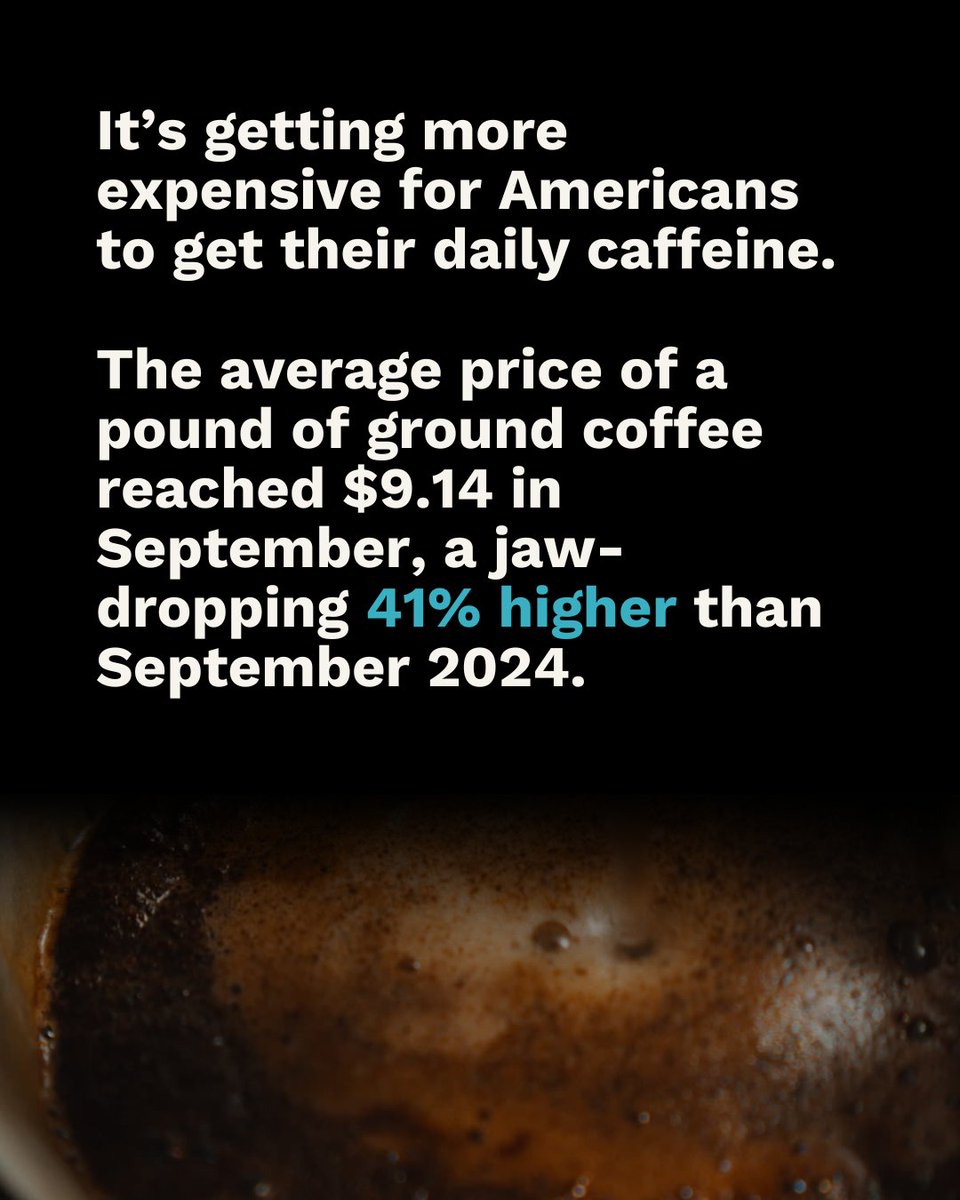
If your morning coffee routine feels more expensive lately, you're not imagining it. Ground coffee prices have skyrocketed as rising costs and tariffs on imported goods hit household staples hard.
Industry experts point to a combination of factors: higher coffee bean costs, tariffs on imported coffee products, and general inflationary pressures across the supply chain.
New data going back to 1890 reveals a stark divide in housing affordability across American cities. The Washington Post analyzed historical home prices, and the findings show how dramatically affordability varies by location.
The geographic affordability gap matters. While coastal cities saw prices skyrocket beyond what wages could keep up with, many Midwest industrial cities maintained housing costs that stayed in line with the broader economy. Other factors, like pay and cost of living, continue to affect housing affordability.
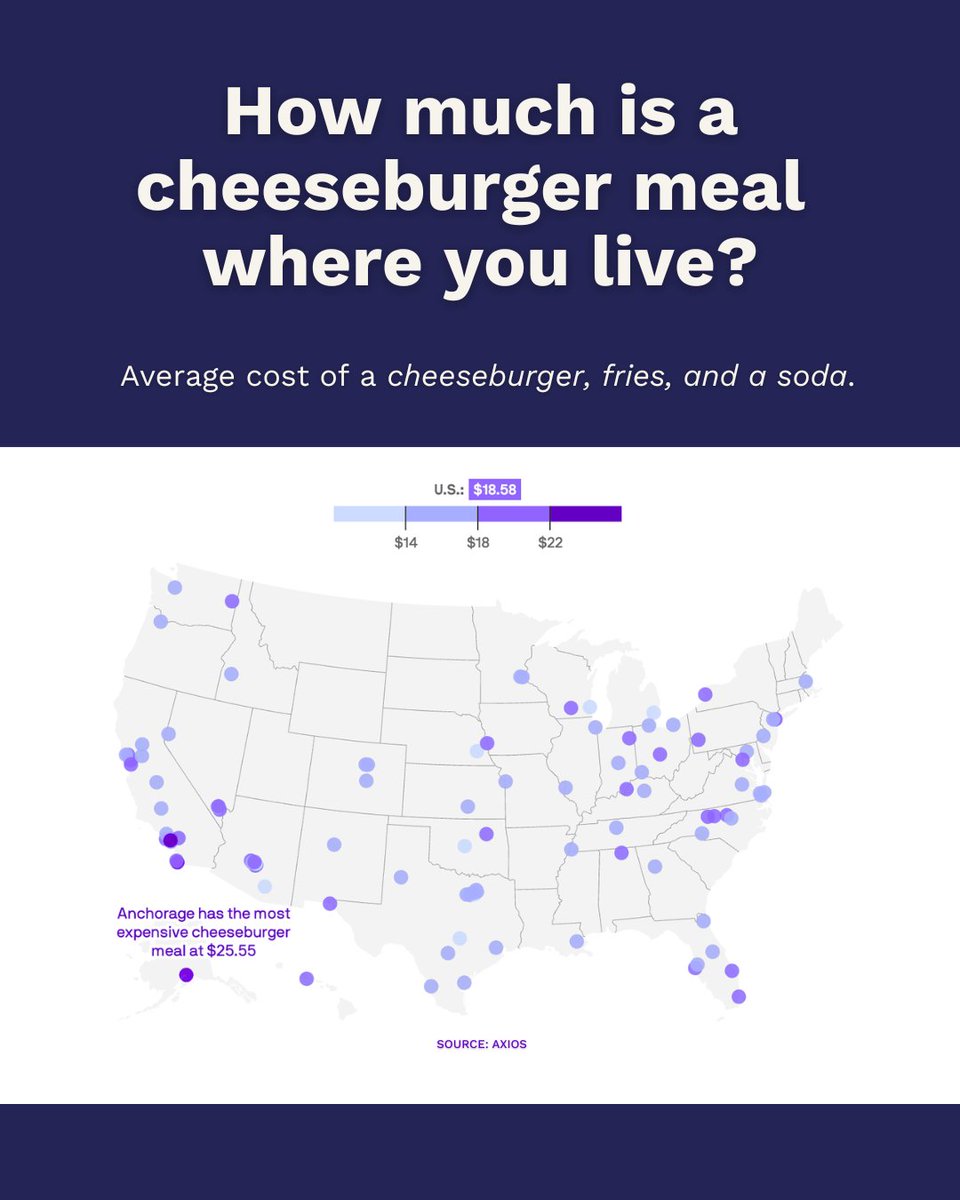
A cheeseburger meal costs $25 in some California cities, but only $11 in the Midwest 🍔
New data reveals massive regional differences in fast-food prices across America's 100 most populous cities. The price of a cheeseburger with fries and a soda serves as a simple snapshot of cost-of-living differences.
Looking for cheaper burgers? Head to the Midwest. Lincoln, Nebraska, comes in cheapest at $10.75, followed by Milwaukee at $11.36 and Detroit at $12.90. That's less than half what you'd pay in California's priciest cities.
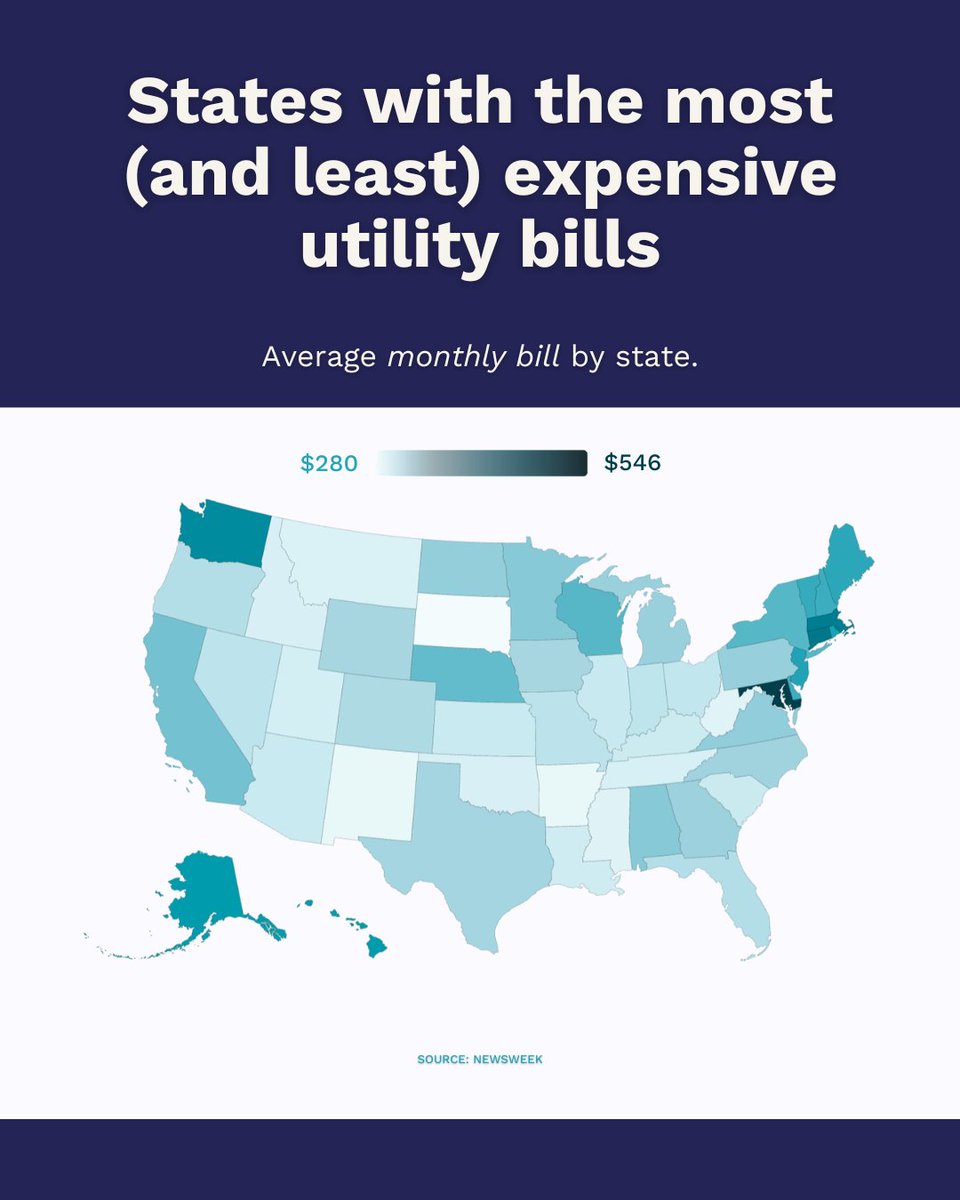
Home energy costs are projected to increase 7.6% this winter compared to last year, according to U.S. energy data from the National Energy Assistance Directors Association. Electricity costs for home heating are expected to rise even faster, up 10.2%.
Bottom line: Get ready to see higher prices on that utility bill and make a plan now to reduce costs this winter.
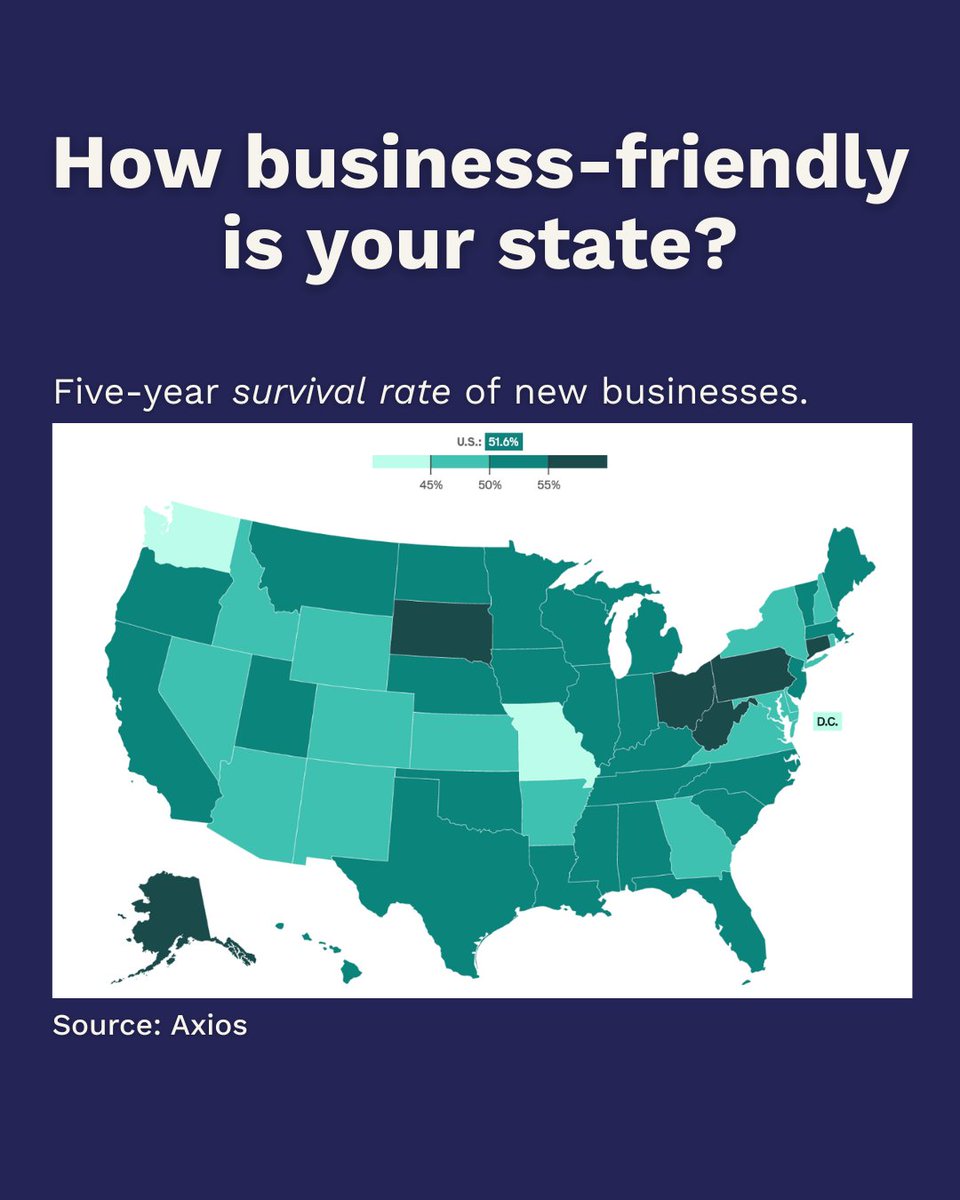
Half of new US businesses fail within five years 📉
Only 51.6% of businesses that opened in 2019 were still operating five years later, according to data from the US Bureau of Labor Statistics, which tracks establishments through March 2024.
That means nearly half of new businesses don't make it past the five-year mark.
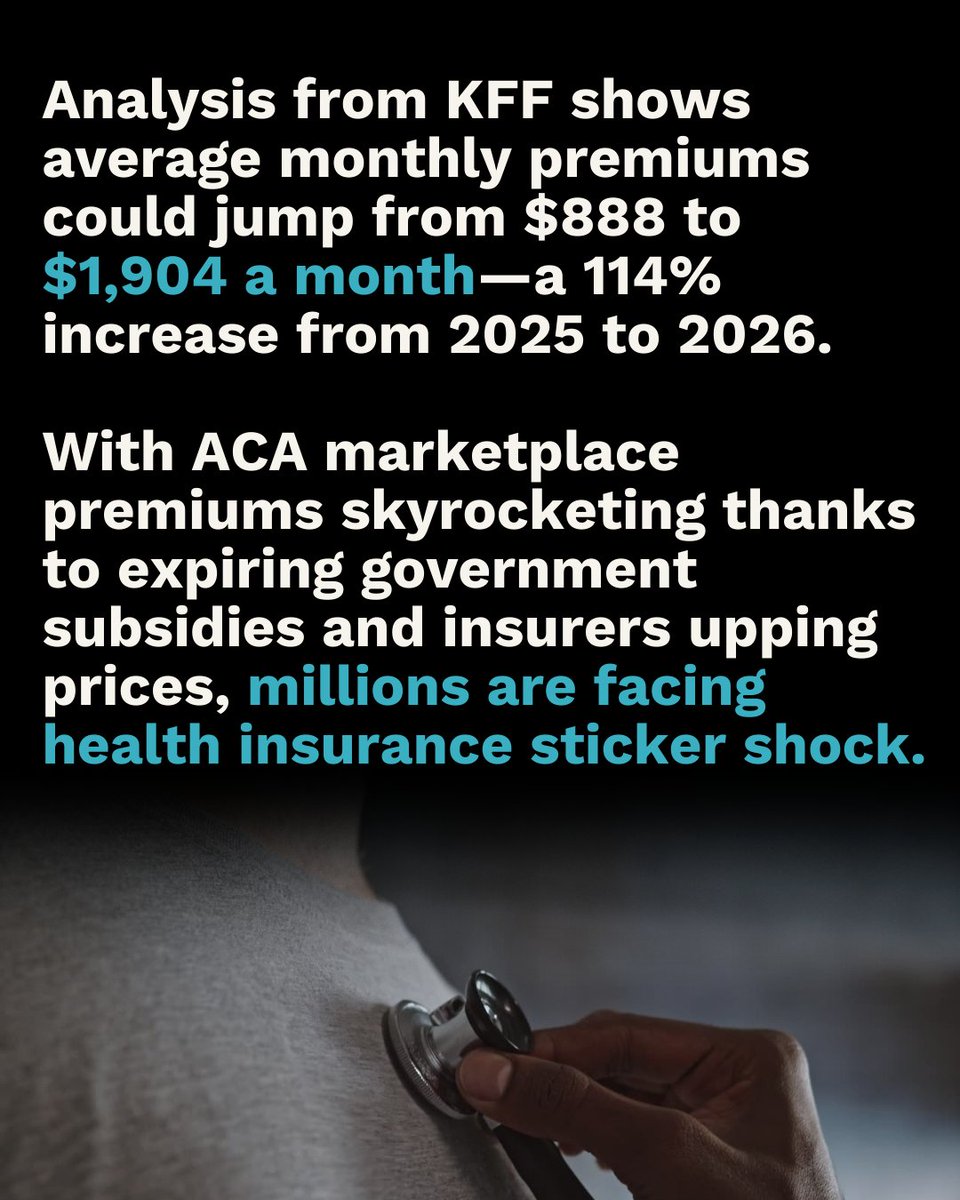
Family health insurance premiums are now up to $27,000 a year 💰
Economists warn that the trend is straining the economy and limiting wage increases.
"If health care costs go up faster than the economy in general, that means there's less money left over to go to wages," says Gary Claxton, senior vice president at the Kaiser Family Foundation.