The Amazon doesn't just remove about 2 billion tons of CO2 each year; it also influences rainfall cycles throughout South America by releasing 20 billion tonnes of water into the air daily through evapotranspiration, forming 'flying rivers' that are critical for planetary balance
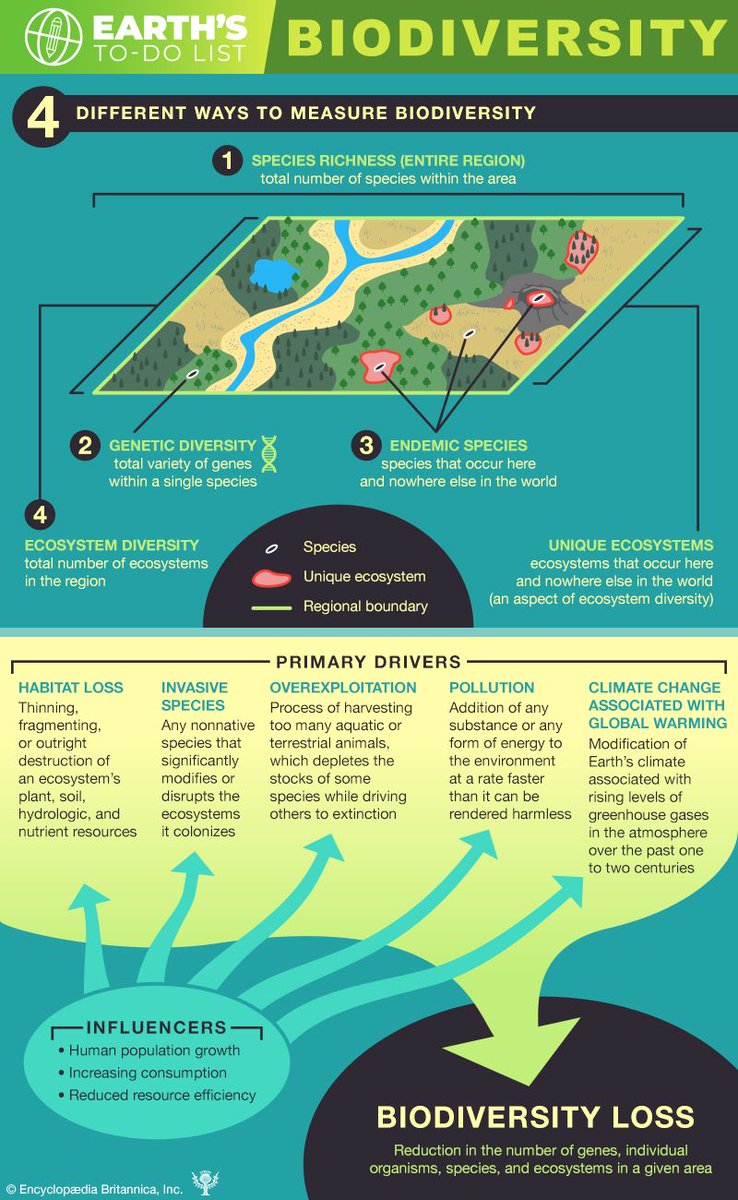
Biodiversity loss refers to the decline in the variety and abundance of living organisms within a particular ecosystem. It occurs due to factors such as habitat destruction, pollution, climate change, and overexploitation of species.
Here are 4 different ways to measure it.
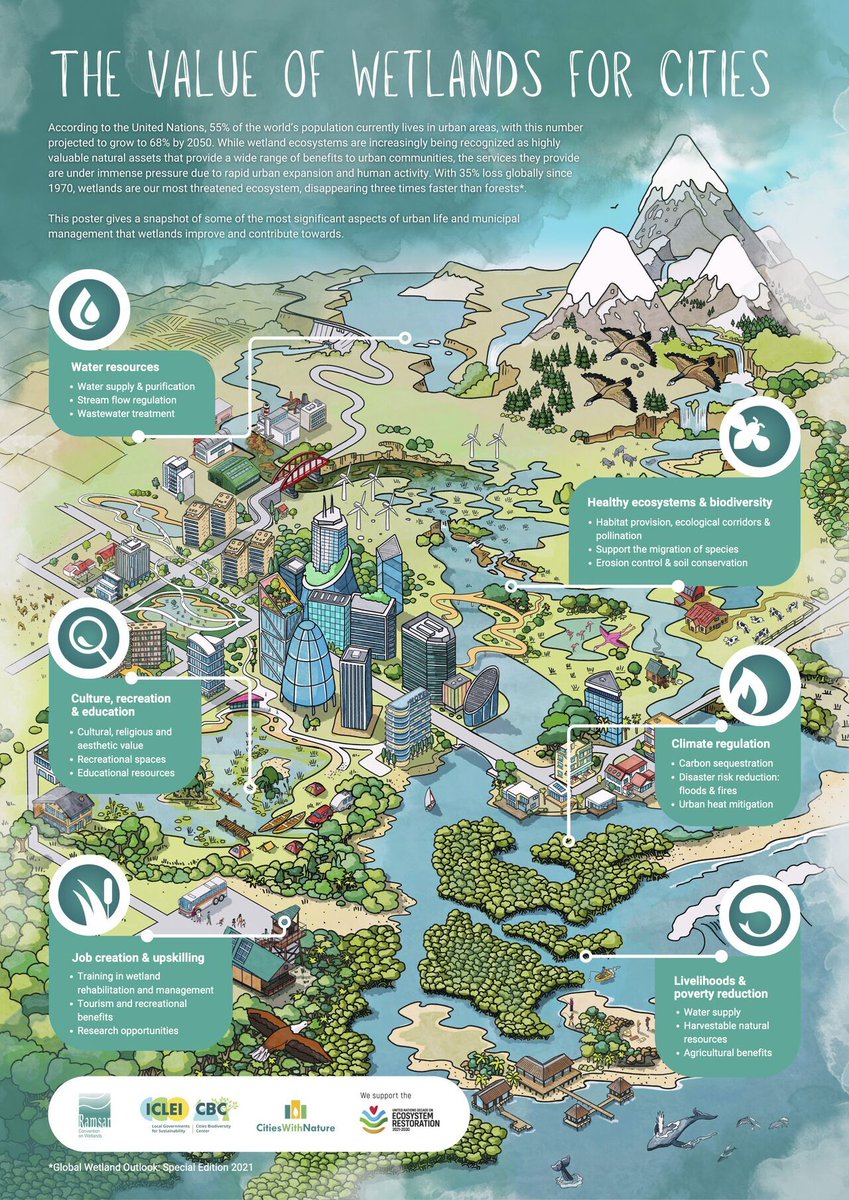
Wetlands are essential for water regulation and waste filtration. They serve as natural barriers against floods and storms, providing crucial protection for urban areas. Remarkably, 40% of the world's plant and animal species rely on wetlands for habitat and breeding! 🦆🌿
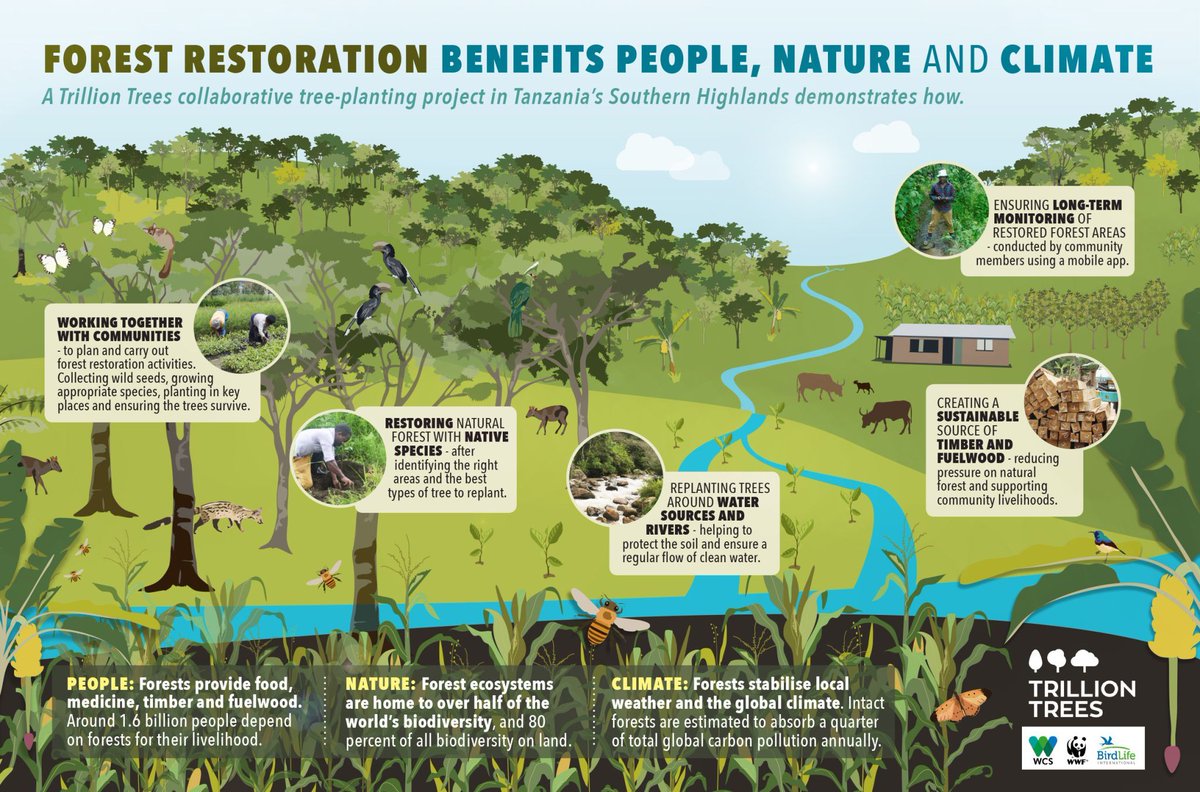
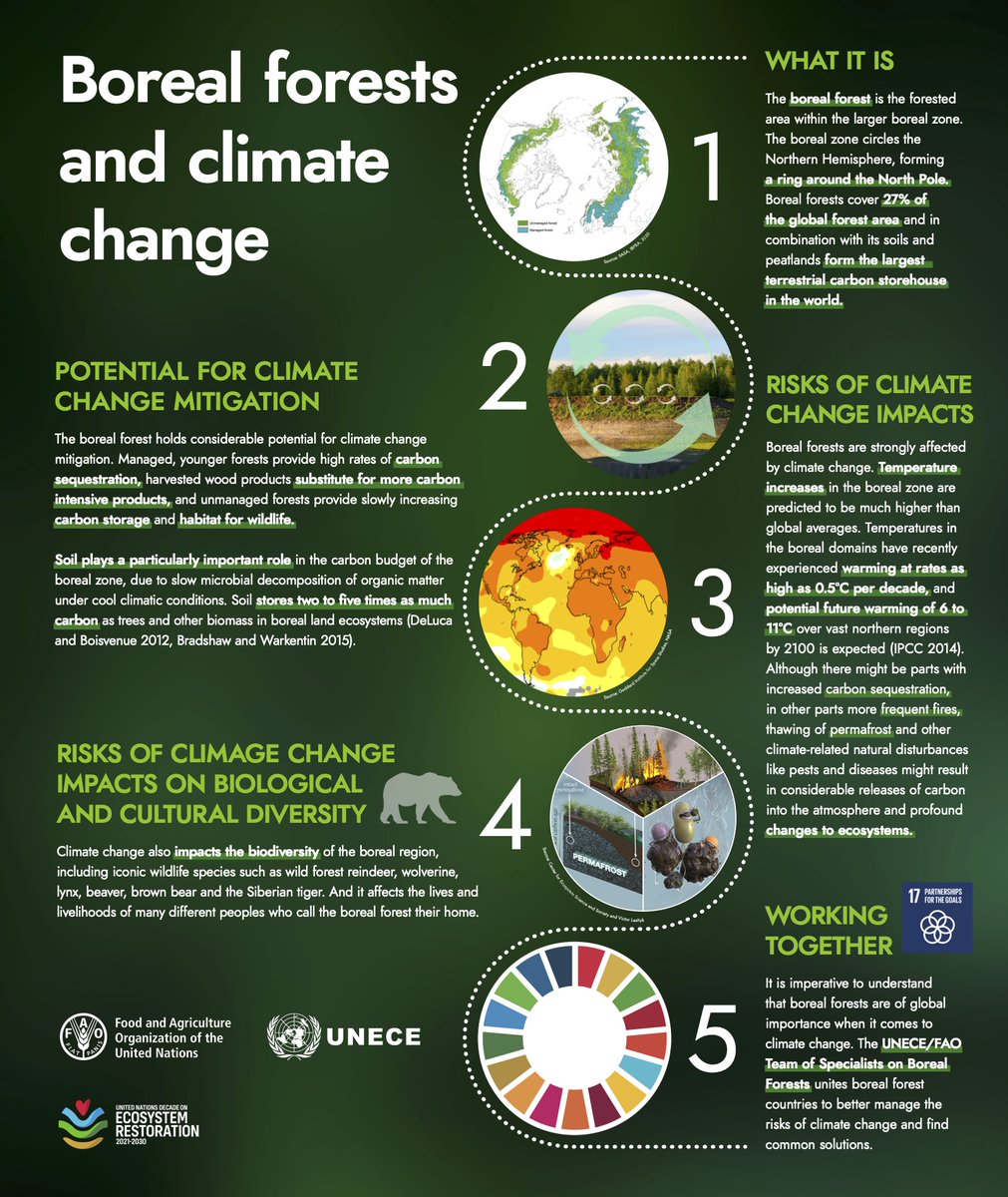
Forest Restoration benefits People, Nature and Climate. 🌎
How?
- People: Forests provide food, medicine, timber and fuelwood.
- Nature: Forest ecosystems are home to over half of the world's biodiversity.
- Climate: Forests stabilize local weather and the global climate.
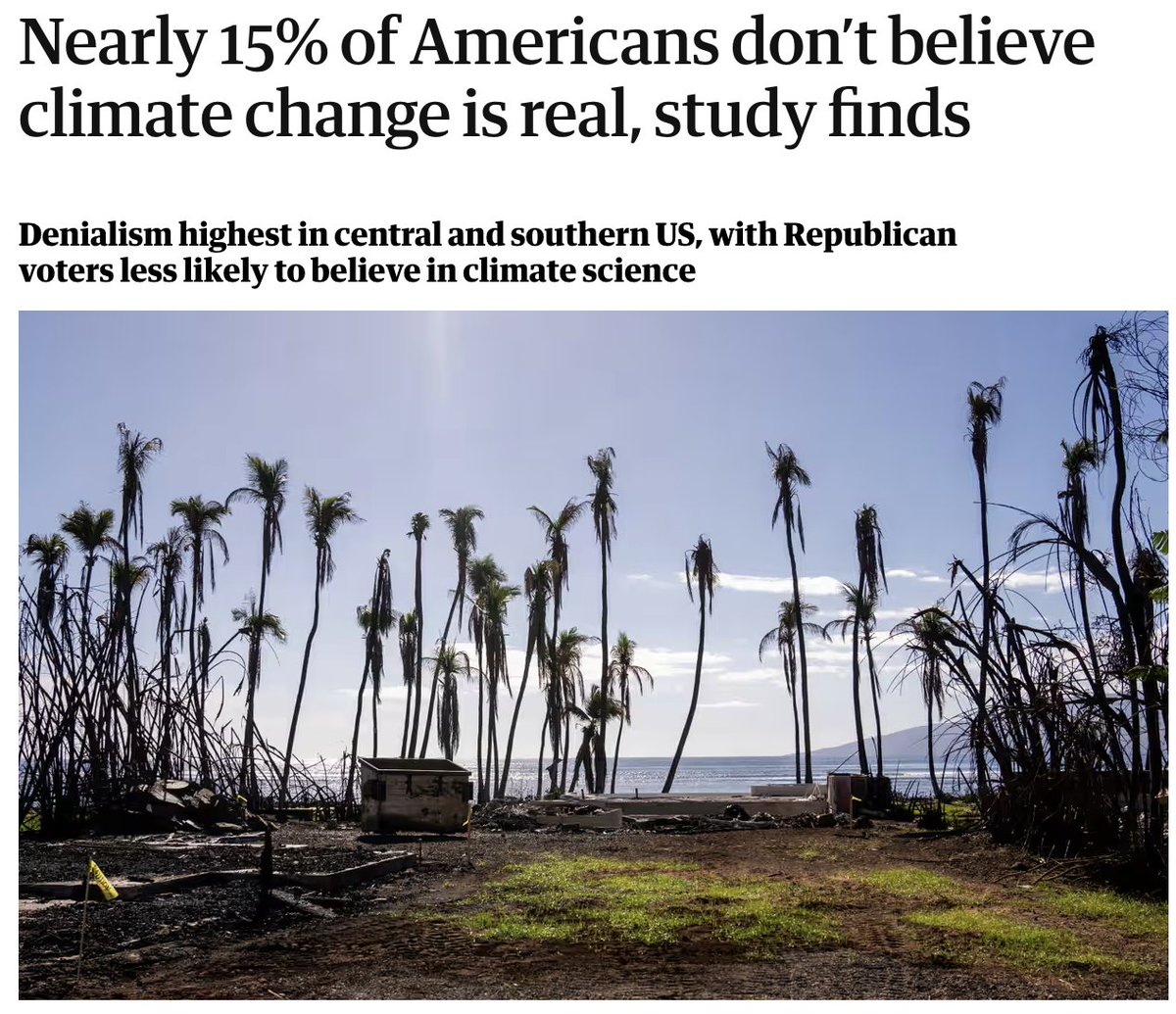
Using AI, researchers analyzed over 7.4m tweets posted by roughly 1.3 million people on the platform X between 2017 and 2019. The social media posts were geocoded, and classified as “for” or “against” climate change using a large language model.
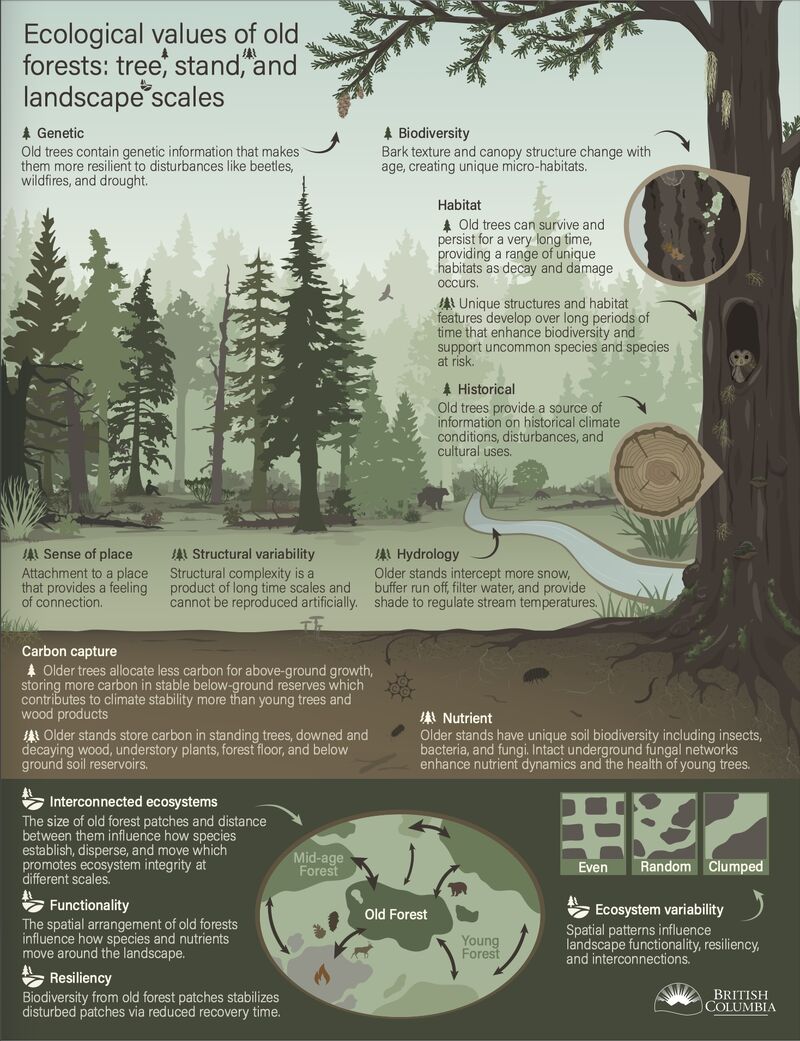
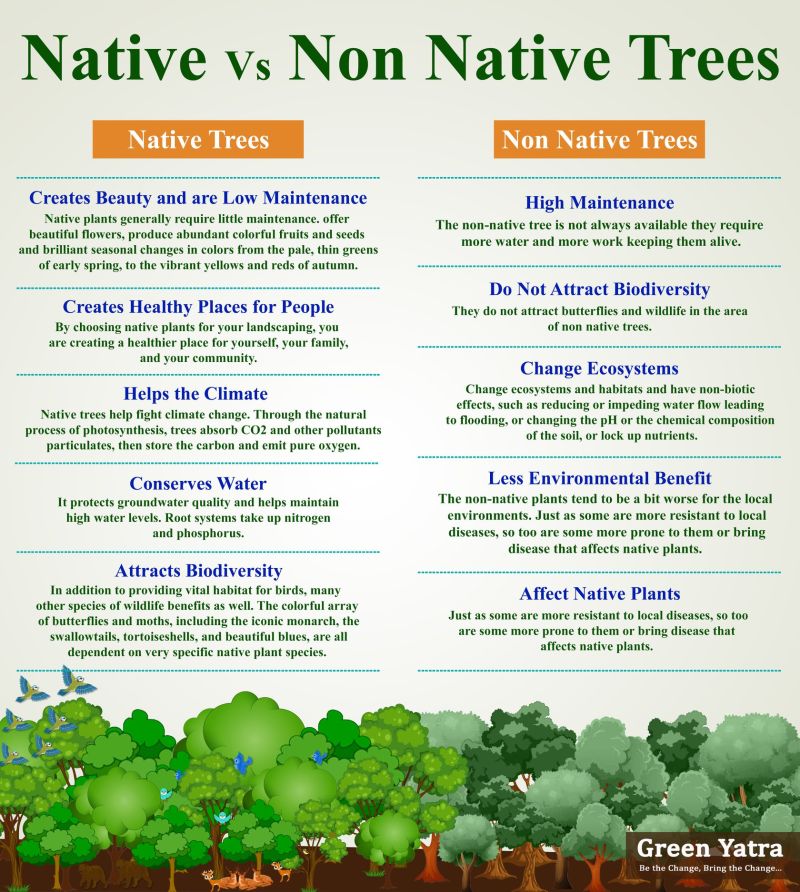
🌳 When reforesting rainforests, prioritizing native trees over non-native species (monocultures) is essential for restoring and preserving these vital ecosystems!
Nature-based solutions harness nature to tackle societal challenges, supporting well-being and biodiversity. They involve protecting, restoring, or managing ecosystems sustainably, including aquatic systems and urban green spaces.
@EU_Commission
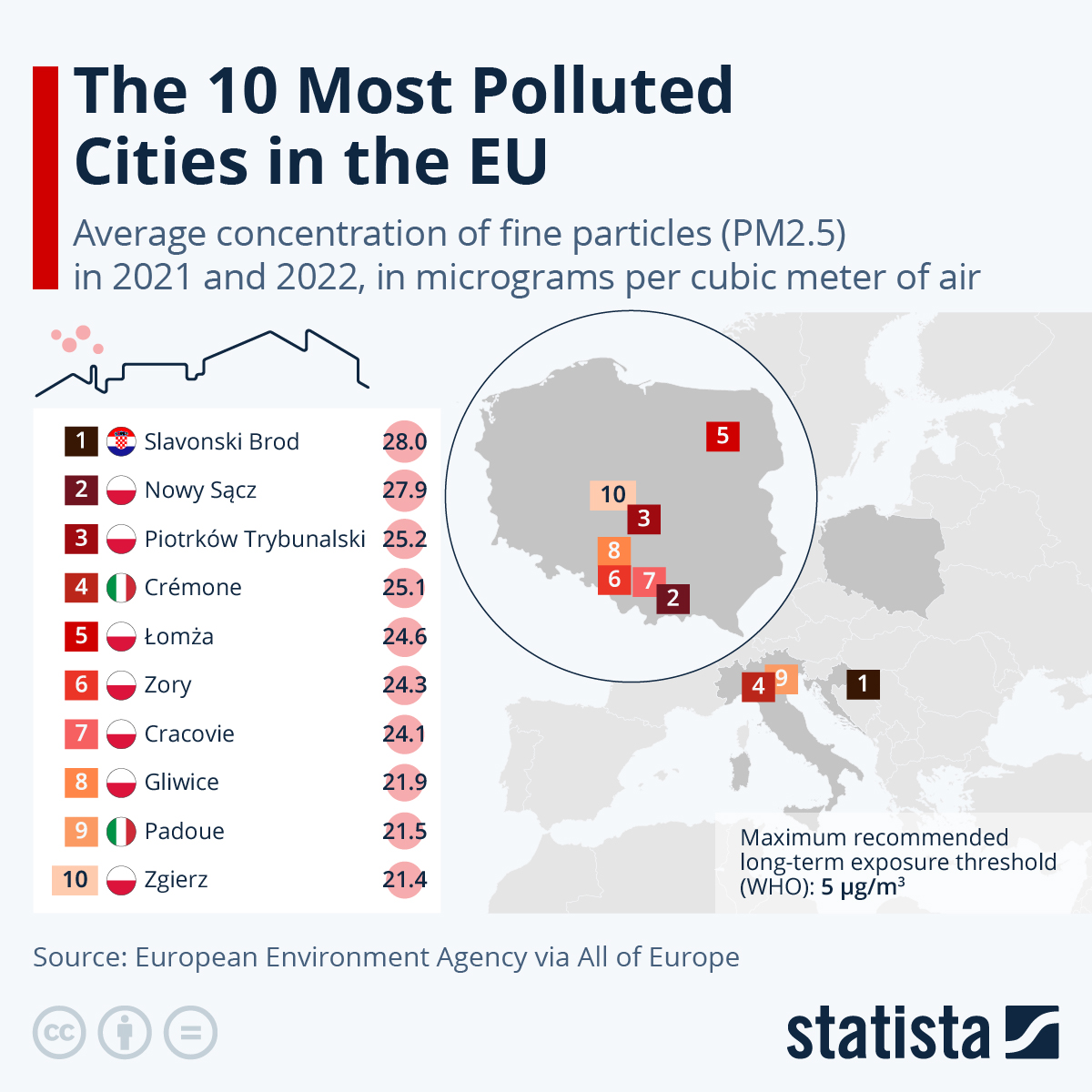
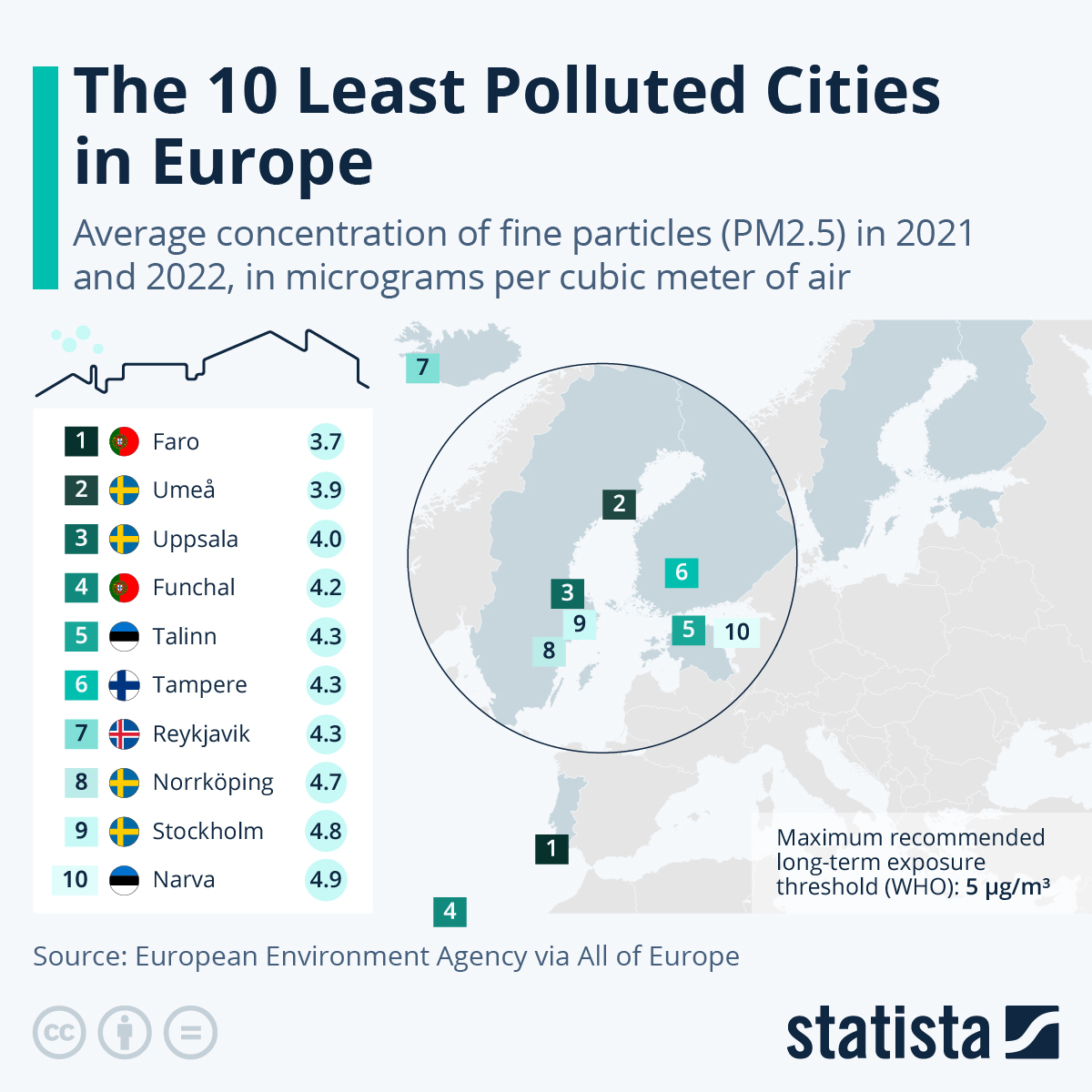
According to the WHO, prolonged exposure to these particles is likely to create or worsen various health problems, such as high blood pressure or diabetes.
The vast majority of EU cities exceed the recommended threshold of five micrograms of PM2.5 per cubic meter of air.
Air pollution, mainly from fossil fuel combustion, releases fine particles (PM2.5) linked to over 4 million annual deaths. Prolonged exposure can worsen health issues.
WHO recommends a max of 5 micrograms of PM2.5 per cubic meter, but many European cities exceed this limit.
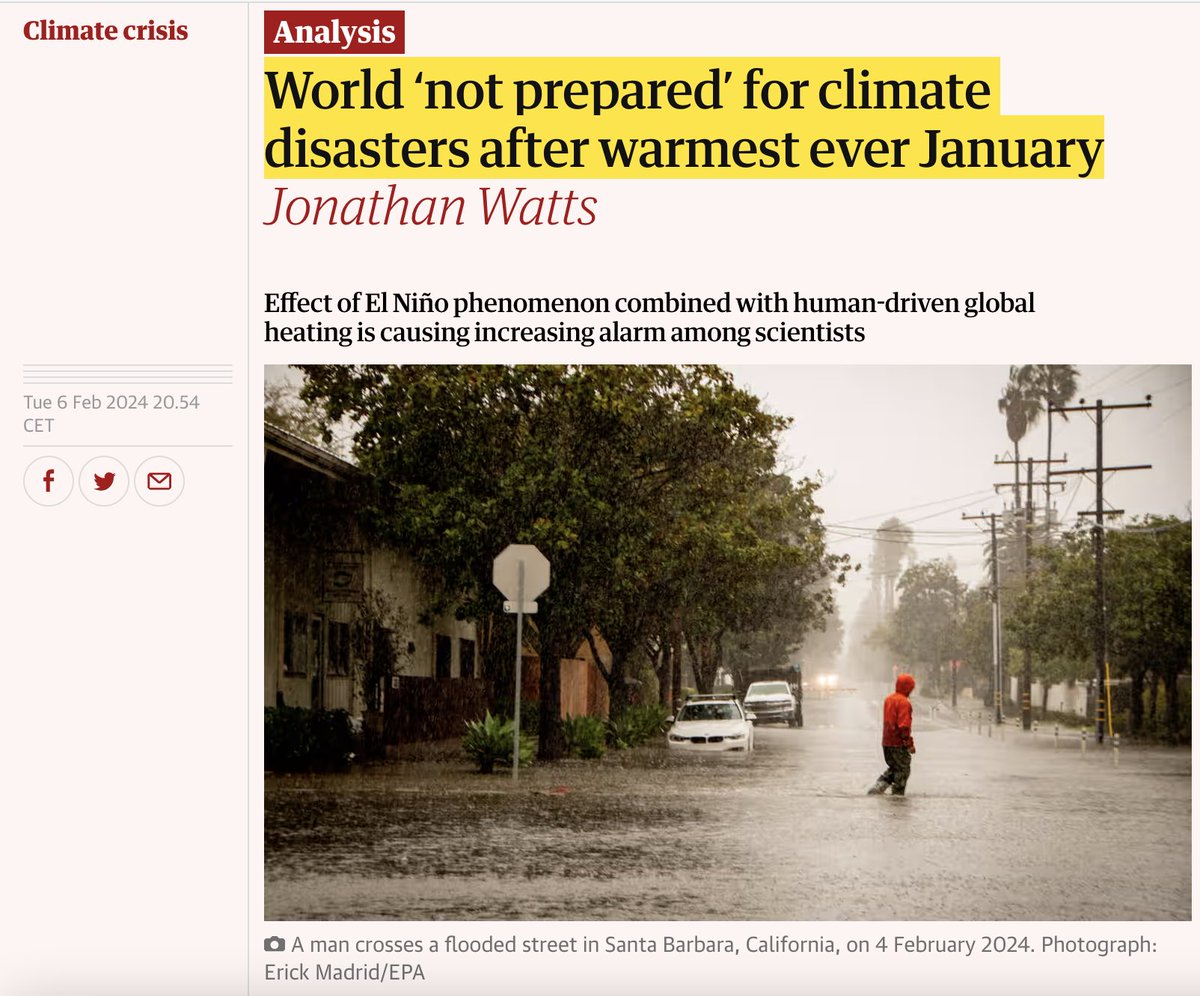
2023 has been confirmed as the warmest calendar year on record, with a global average temperature of 14.98°C—exceeding the 1991-2020 level by 0.60°C.
This surpasses the previous record set in 2016.
Explore more details at https://t.co/9bYbgw4NV0
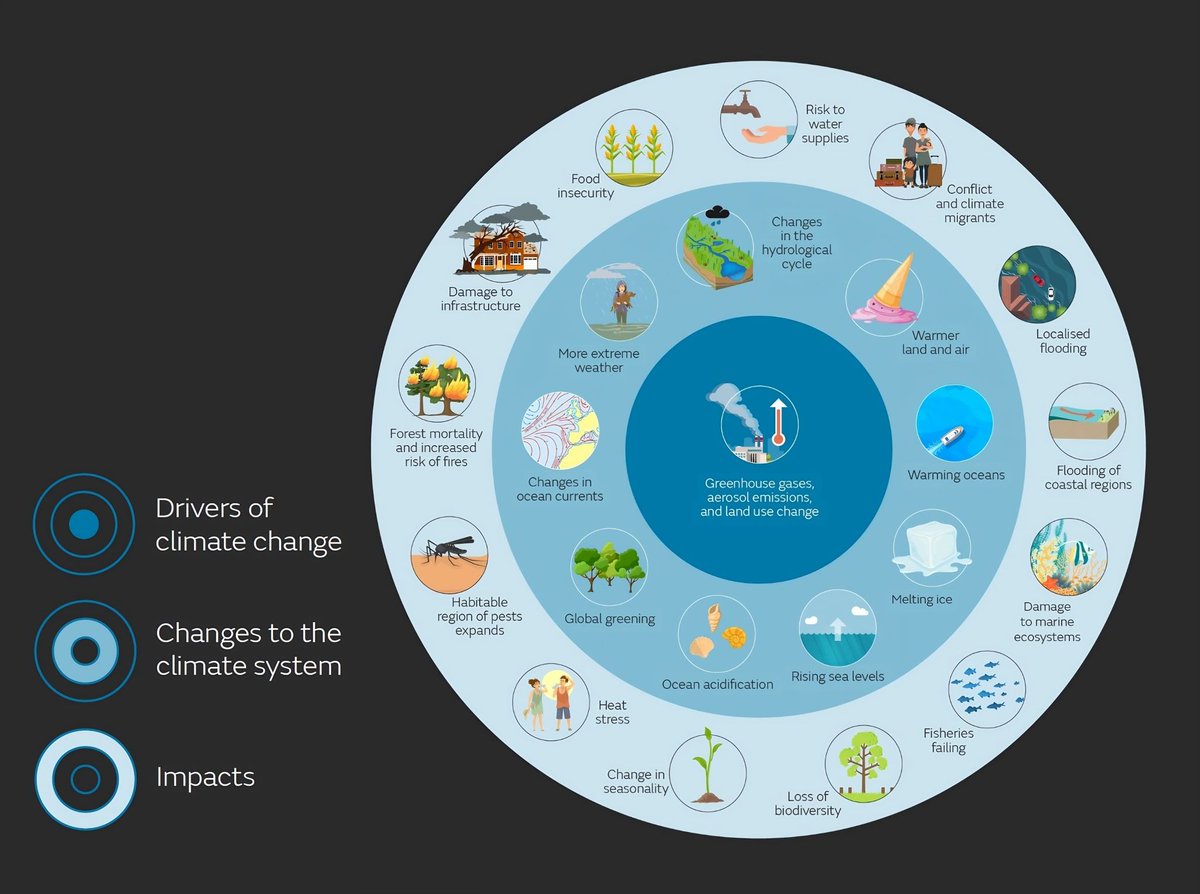
Human actions like emissions and land use are warming the planet, melting ice, and raising sea levels.
Immediate concerns include water supply risks and conflicts over resources.
Urgent call for emission reduction!
#ClimateAction#GlobalWarming
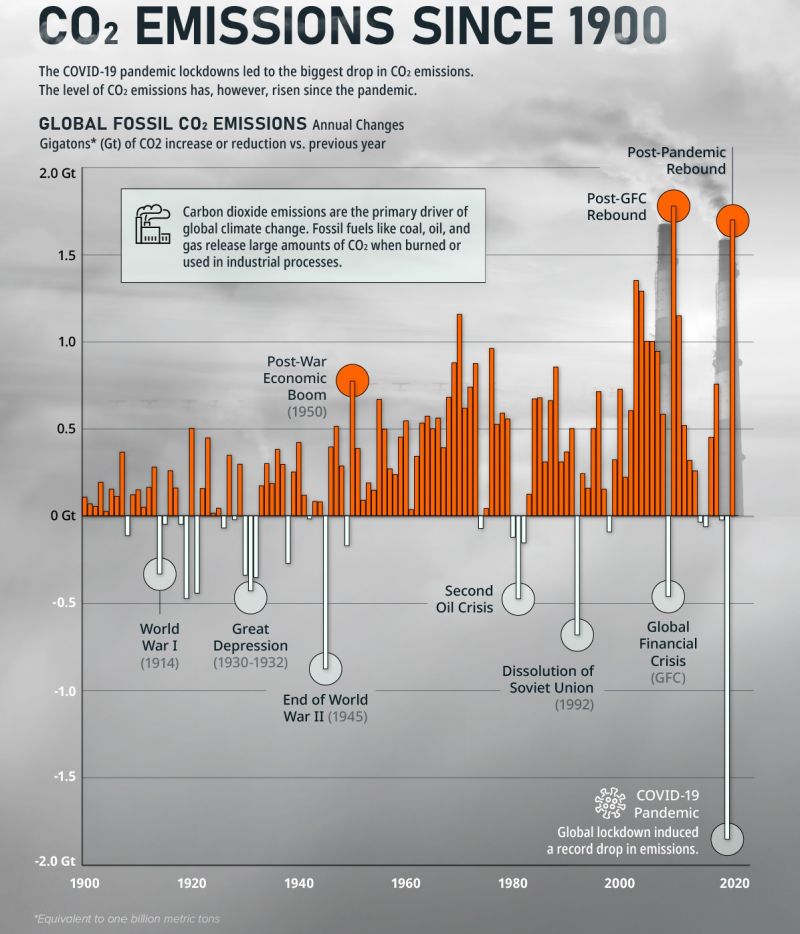
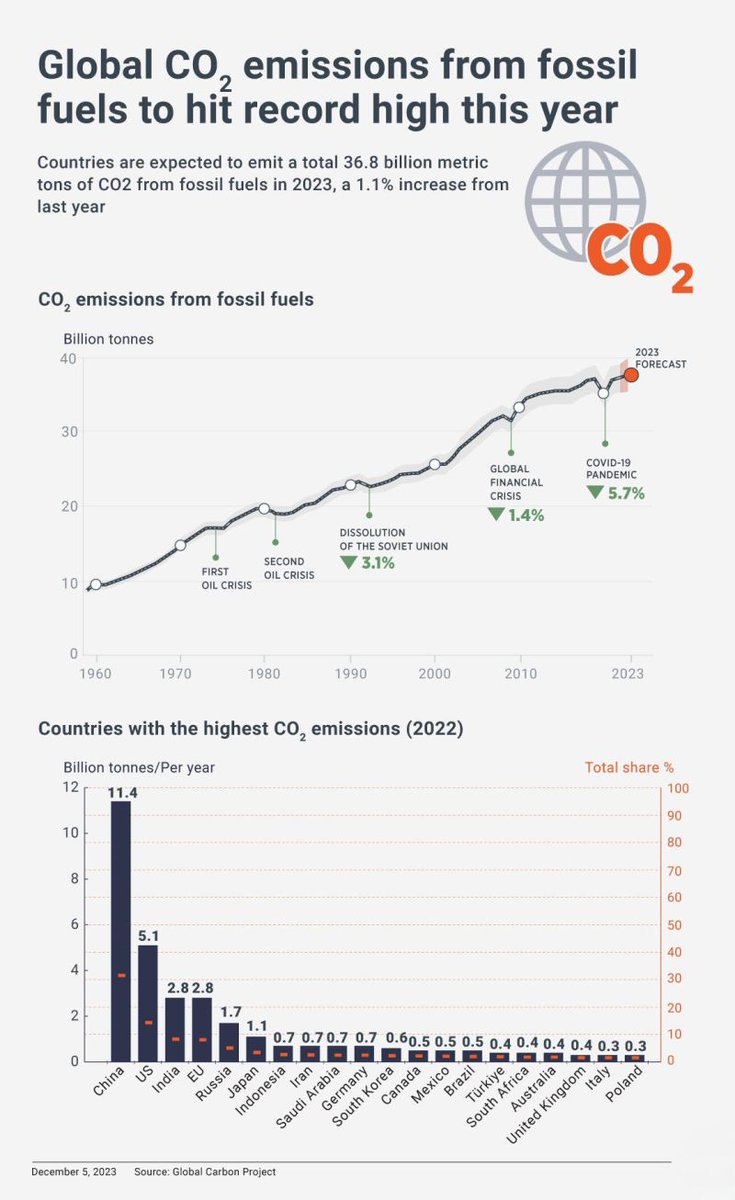
Global CO2 emissions from fossil fuels are likely to peak by the mid-2020s.
The IEA recently released a report stating that global CO2 emissions from fossil fuels are expected to surge to unprecedented levels in 2023.
https://t.co/lK0V1yeM8E
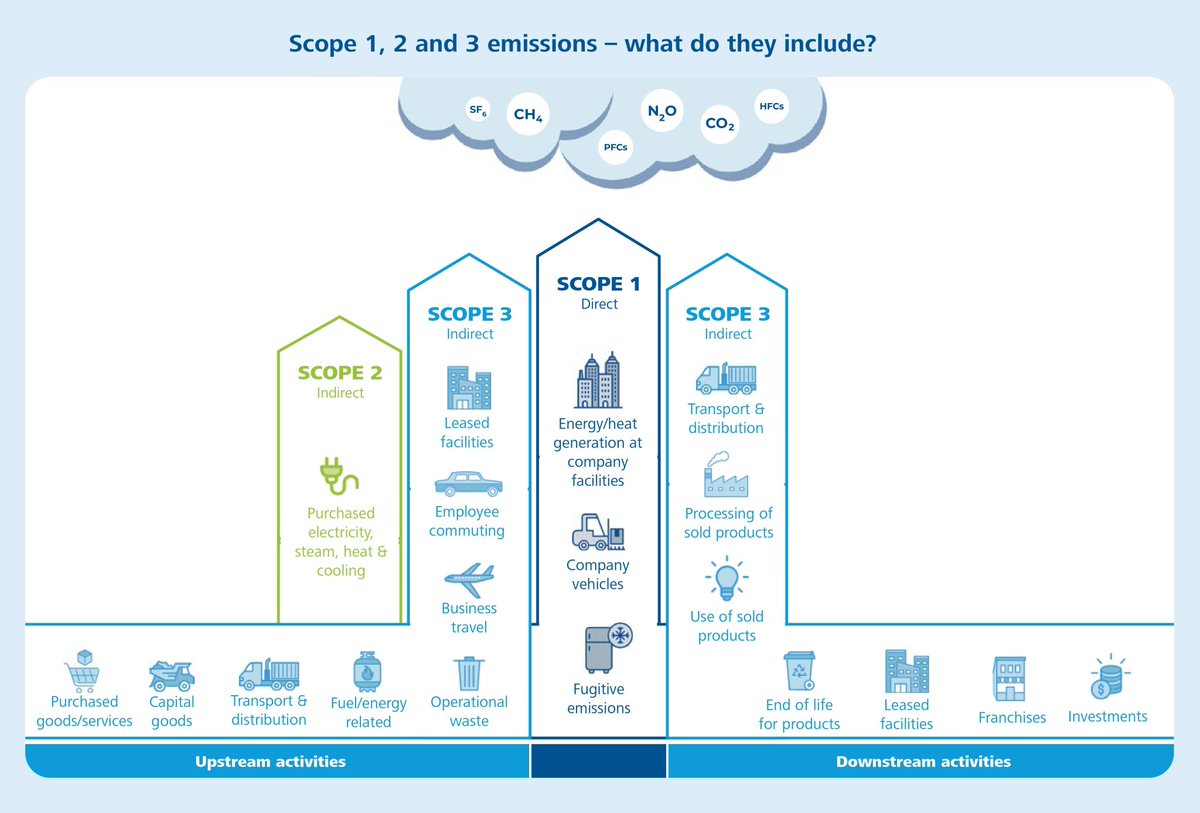
S1: Direct emissions from owned or controlled sources.
S2: Indirect GHG emissions from the generation of purchased electricity, steam, heat, and cooling consumed by the organization.
S3: All other indirect emissions that occur in the value chain of the organization.
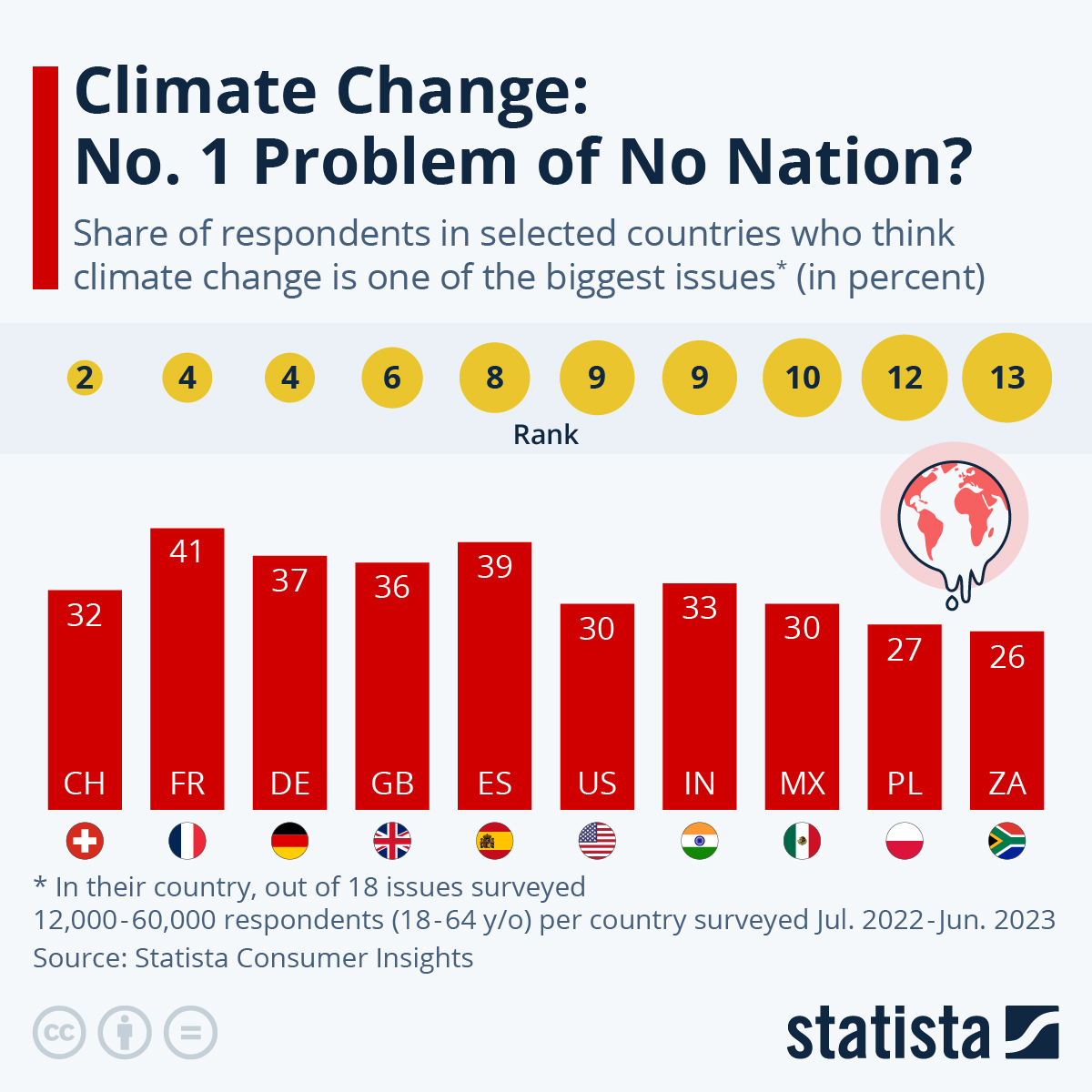
Even though we have just experienced 12 hottest months on record, the topic of climate change has still not reached the top of the agenda for many people, as data from Statista Consumer Insights shows.