When it comes to food and pest control policy, legislators and regulators must ask a simple question: How will their decisions impact food affordability? Because less supply always means higher prices. #Affordability https://t.co/9uMHA3wfk7
Food doesn’t just appear on shelves. It’s grown, protected, and delivered. Pest and disease control tools help ensure families can afford what’s on their table. #FoodSecurity#Affordability https://t.co/9uMHA3wfk7
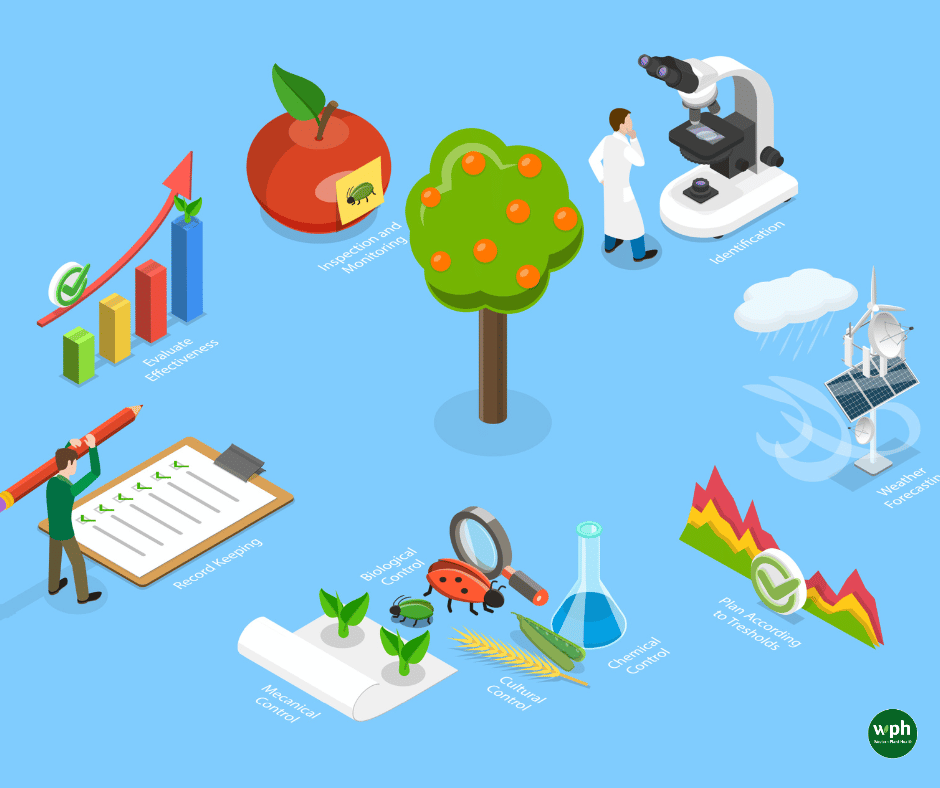
Integrated Pest Management works because it relies on balance: prevention, trapping, monitoring, and, when necessary, targeted pest control tools. Ignoring the growing rodent problem only makes it worse. Watch the conversation: https://t.co/KnmlAJQZru
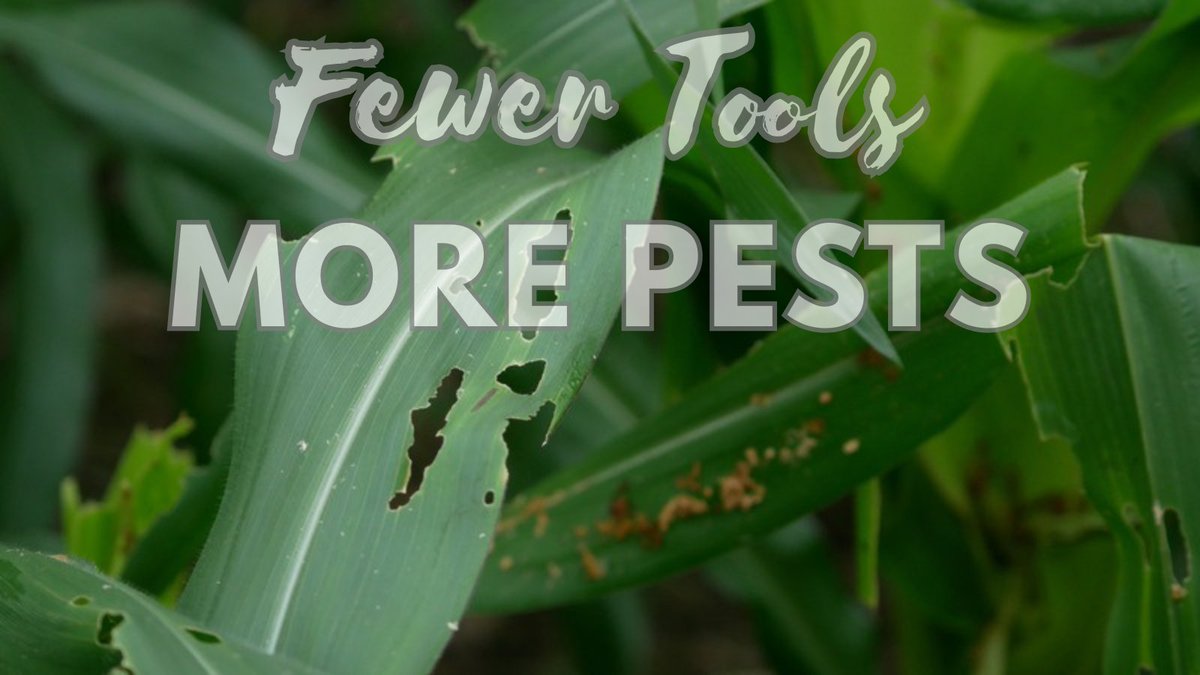
Climate change is increasing pest and disease pressure across the country. Food producers need solutions, not limitations. #FoodSecurity#Affordability https://t.co/9uMHA3wfk7
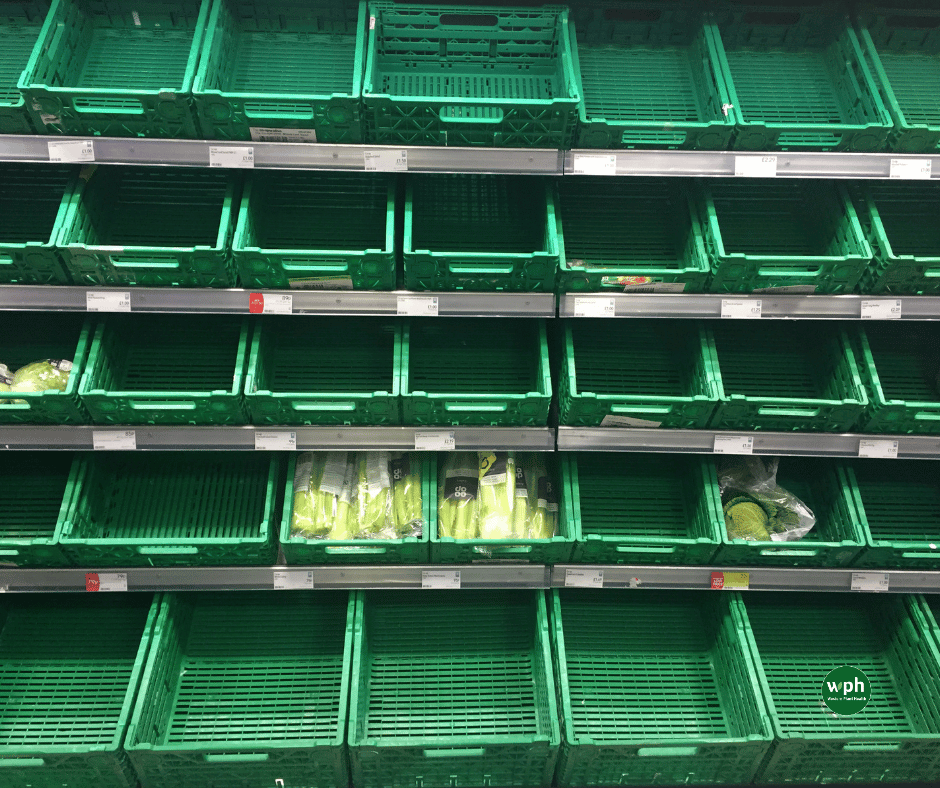
Food policy shows up every day at the grocery store. When supply drops, prices rise. Pest control tools help keep food safe, available, and affordable. #FoodSecurity#CAPolicy https://t.co/9uMHA3wfk7
California farmers, pest-control professionals, and regulators must work together to keep communities safe from rising rodent infestations. Public health and environmental protection can coexist through balanced pest management. https://t.co/KnmlAJQrBW
California’s rodent problem is growing, and it’s affecting both urban and rural communities. Disease risks, food contamination, infrastructure damage, and public health concerns are interconnected. Science-based pest management matters. Watch the full interview: https://t.co/6pX6alKMdG
When Tools Disappear, Food Choices Disappear
Removing pest management tools without alternatives leads to shortages and fewer options for families, especially in underserved areas. WPH advocates for balanced, practical solutions.
https://t.co/9uMHA3wfk7
California Cannot Afford More Food Deserts
Regulators and legislators must understand that every tool they remove without a replacement increases the risk of food scarcity in already struggling communities.
Food Stability Starts With Responsible Policy
Policies that limit farming tools without alternatives increase risk for everyone. WPH works with state leaders to ensure decisions are grounded in practicality and protect families first.
Feeding a Growing State Takes Modern Tools
California feeds the nation, but that requires tools that protect crops from new pests, diseases, and climate pressures. WPH works to keep innovation moving forward.
https://t.co/9uMHA3wfk7
When Crops Fail, Communities Suffer
Invasive pests and plant diseases don’t just hit farms. They raise prices, strain food banks, and push families deeper into insecurity. WPH works to ensure California can fight back with modern tools.
https://t.co/9uMHA3wfk7
Food Security Is a Public Health Issue
Poor nutrition drives diabetes, heart disease, and childhood health disparities. Ensuring strong crops is part of preventing these outcomes. WPH promotes policies that keep nutritious foods within reach.
https://t.co/9uMHA3wfk7
California’s Food System Needs More Than Hope
Rising costs, climate pressure, and new pests threaten the fresh food we count on. WPH works with state leaders to protect the tools that keep food affordable and available.
https://t.co/9uMHA3wfk7
Families Deserve the Full Story on Food
There is a lot of misinformation about pesticides and nutrients. The reality is they are among the most heavily tested products in the world. WPH advocates for transparency and facts that keep communities safe and food secure. https://t.co/78BcVqCeF9 #InformedCommunities #TrustInScience
Food Security Is Not A Talking Point. It’s A Responsibility.
Families in our cities deserve the same access to fresh food as families in our suburbs. Yet many neighborhoods still rely on overpriced corner markets and face long drives to reach a grocery store.
This is why Western Plant Health works with state regulators and legislators to protect the tools that keep food growing, safe, and affordable. These tools reduce crop losses from invasive pests, protect soil health, and keep nutritious fruits and vegetables within reach for families who already struggle with rising prices.
Healthy food should not depend on your ZIP code. Protecting our food supply must be a priority. https://t.co/78BcVqCeF9
#FoodSecurity #HealthyCommunities
Communities Rely on the Work Done in the Field
The decisions made in Sacramento shape what ends up on dinner tables. WPH brings a practical voice to these discussions to ensure food costs don’t rise unnecessarily.
https://t.co/9uMHA3wfk7
Affordable Food Starts With Healthy Soil
Soil nutrients are the foundation of abundant, affordable produce. WPH supports science-driven practices that restore soils, reduce erosion, and keep communities fed.
https://t.co/9uMHA3wfk7
Protecting the Environment Also Protects Our Food
Climate change fuels invasive pests, spreads plant diseases, and strains food systems. WPH works with regulators on strategies that protect ecosystems while keeping crops strong.
https://t.co/9uMHA3wfk7
Protecting Food Access Starts Before a Seed Is Planted
When regulators and legislators review the tools farmers rely on, they’re also shaping whether families can afford groceries.
WPH reminds decision makers that strong crops mean full grocery shelves and fewer food deserts.
https://t.co/78BcVqCeF9