The 1967 Hajj was priced at £132.12 for pilgrims departing from Kano, and £152.12 for those flying from Lagos. The journey by land via Sudan cost only £18.17. Adjusted for inflation, the flight package equates to around 4.1mil Naira today.
George Baker was the last Anglo-Indian Lok Sabha MP. Born in Lucknow to British-Greek parents, Baker represented the BJP in West Bengal from 2015-2019. A committed parliamentarian both nationally and locally, Baker recorded 98% attendance in Delhi as well as frequent local participation in Howrah, a suburb of Calcutta. Anglo-Indian representation ended in 2020 with a change in legislation.
@BBDaybreakEU The best part of the Sahel is northern Nigeria and Niger. Plenty to see in the way of early Afro-Islamic civilisation, and all c.20 British expats in the region are of good value.
@Bermuda060404@BBDaybreakEU There are established trade routes approximately along this route, still travelled today. Senegal / Mali connects to Kano which in turn has camel routes to Darfur and Port Sudan (Hajj before air travel). South down the Red Sea is perhaps more challenging!
Jekadafari in Gombe literally means 'follow the white man', a compound word of 'jeka' (follow) and 'fari' (white). It is one of Gombe's oldest areas, settled in 1903 by British administrators following the defeat of Emir Umaru; hence the name.
His Highness, the Emir of Kano Muhammadu Sanusi II, led the Hawan Daba procession today, where foreign guests arrived and were captivated by our traditions, at the Emir’s Palace Kano
A morning at the Htauk Kyant Memorial near Yangon, Burma. The site of the 1942 Taukkyan Roadblock, it is one of the few Commonwealth cemeteries using black granite rather than white Portland stone. A number of RWAFF troops are buried here, a testament to their service in Asia.
A Jewish family in Hadejia, Jigawa c1925. There are numerous accounts of Jewish migration to the Sahel, including Yemeni Jews captured by the Abyssinians in c600 settling at Gao, Egyptian Jews reaching Mali via the Sahel corridor in c1400 and Berber Jews arriving from Morocco.
There is some interesting commentary on the perceived self-superiority of the nomadic Fulani over the sedentary Hausa along these lines in the early days of the Sokoto Caliphate; tension even arising between the (somewhat) more settled Sullebawa and the mobile cattle Fulani.
Because farming is boring, repetitive & (literally) back-breaking work no free hunter gatherer would choose to engage in if they had any other choice. Nomadic pastoralism significantly postdates agriculture - many abandoned the fields for the steppe after livestock domestication.
Alhamdulillah, the Kingdom of Saudi Arabia has granted approval for the remains of late Alh. Aminu Dantata to be buried in the Holy land of Madinah!
Arrangements are ongoing for his Janazah tomorrow, insha Allah, in the Holy Prophet’s mosque.
May Allah accept the prayers of all well wishers, forgive him, shower him with His mercy, and grant him Jannatul-Firdaws, Ameen!
It’s interesting to consider the history of insecurity in Borno and Diffa against the traditional stability of Kano, Zinder and Maradi. Many factors at play.
A playful song written by British administrators on the eve of the Cameroons Referendum, 1961. The Muslim majority regions voted to join Nigeria by 60%, with parts of what are now Adamawa, Borno and Taraba states forming Nigeria’s “Sardauna Province” on 1st June that year.
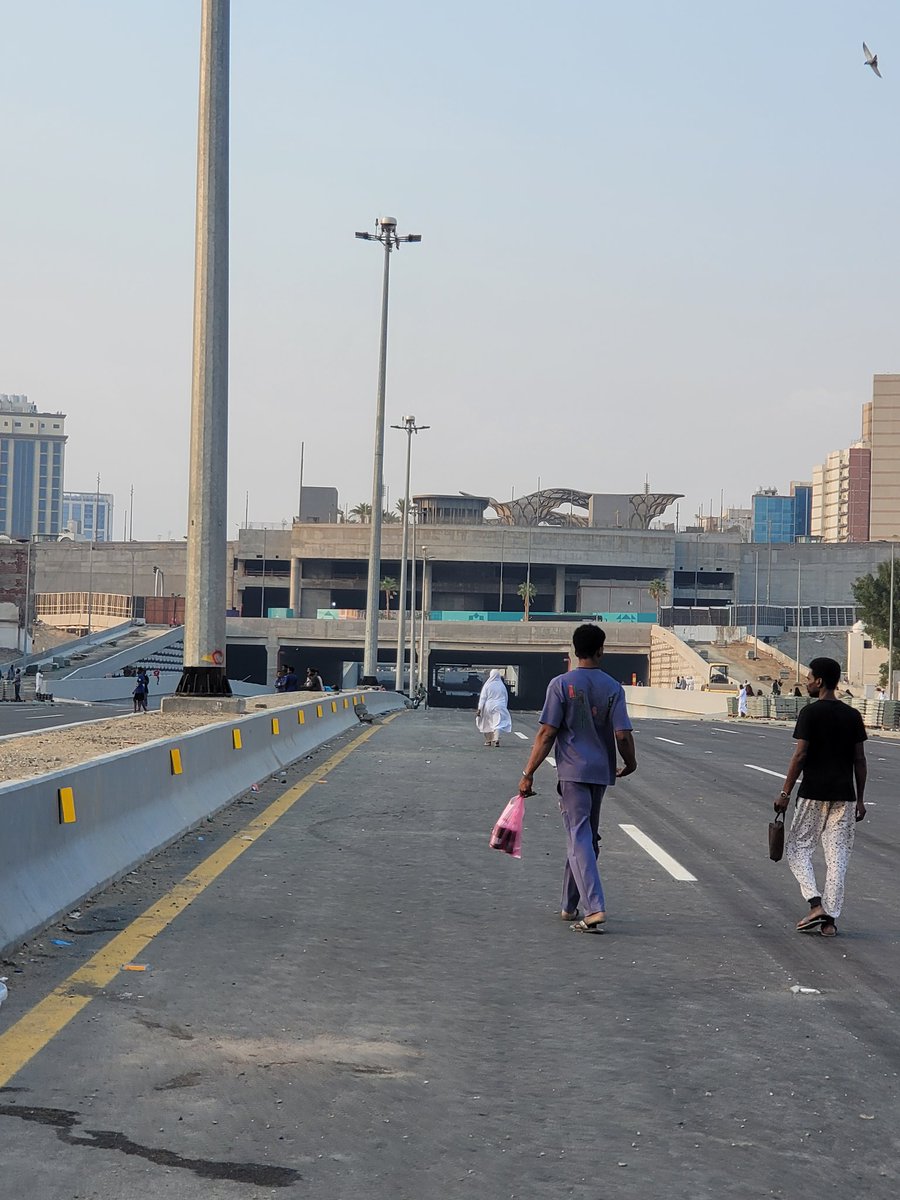
The New Makka City.
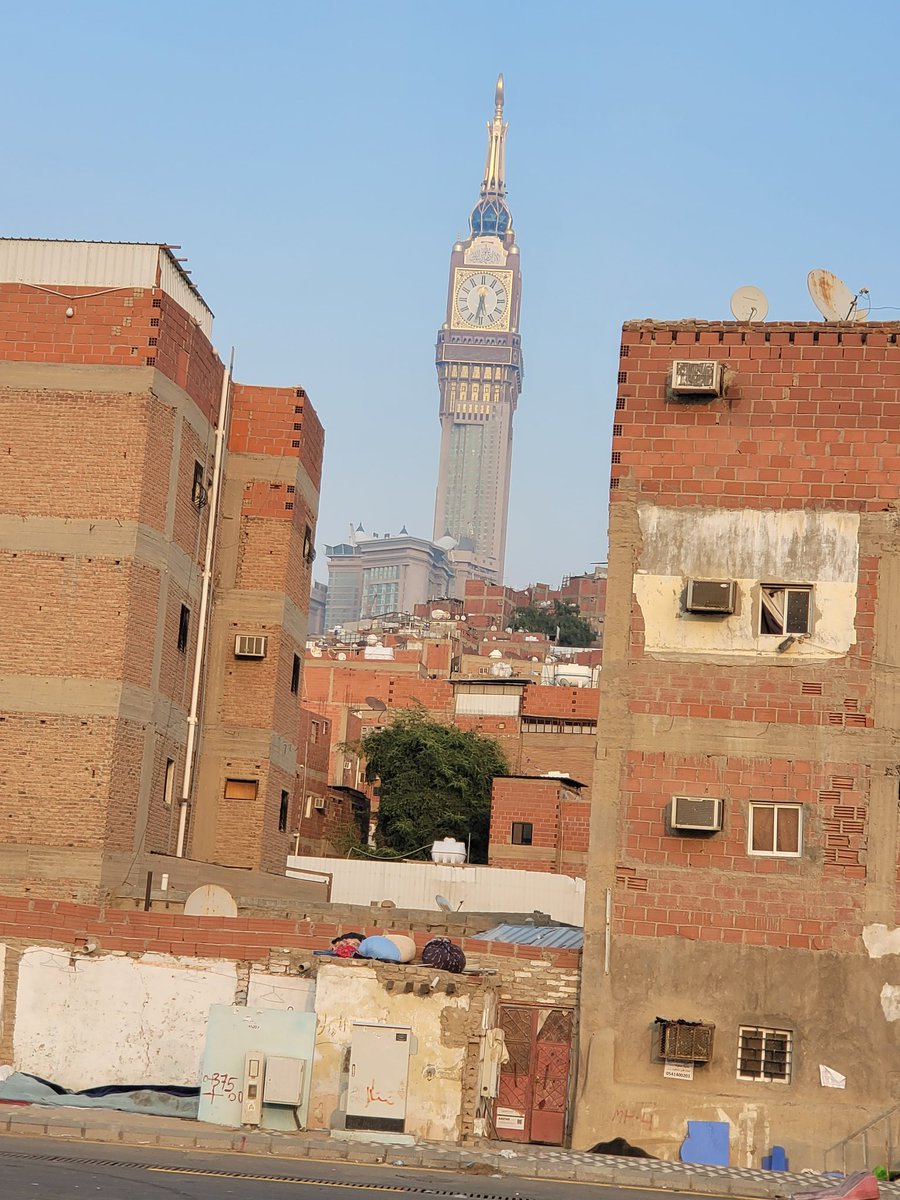
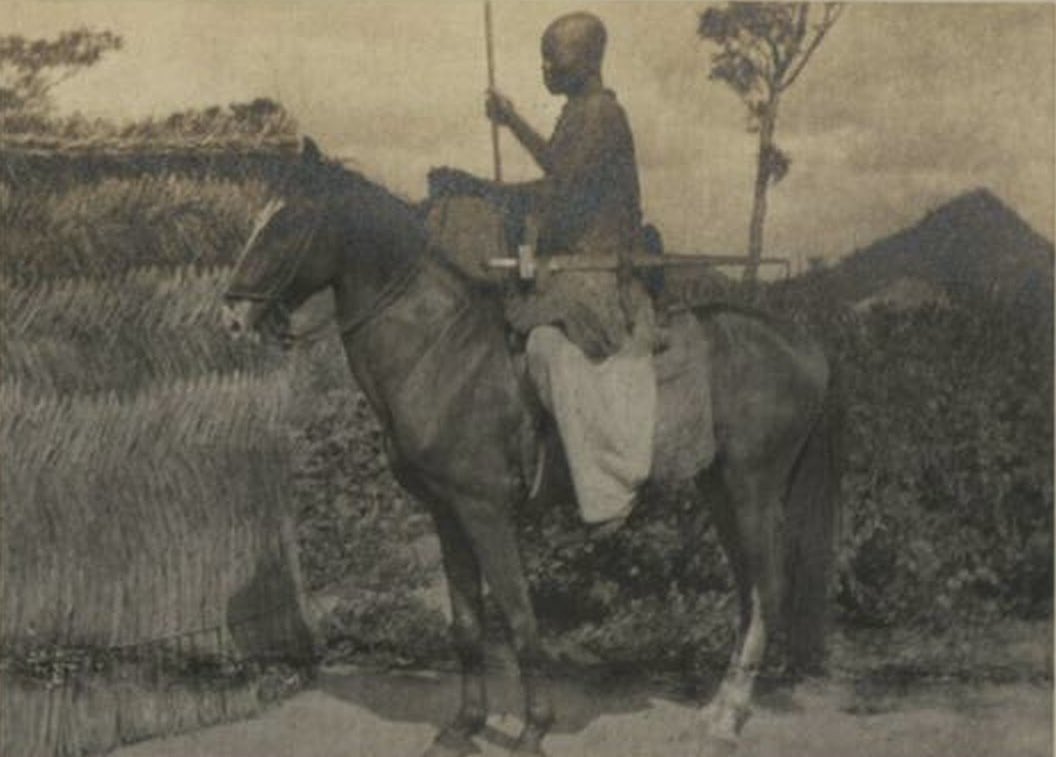
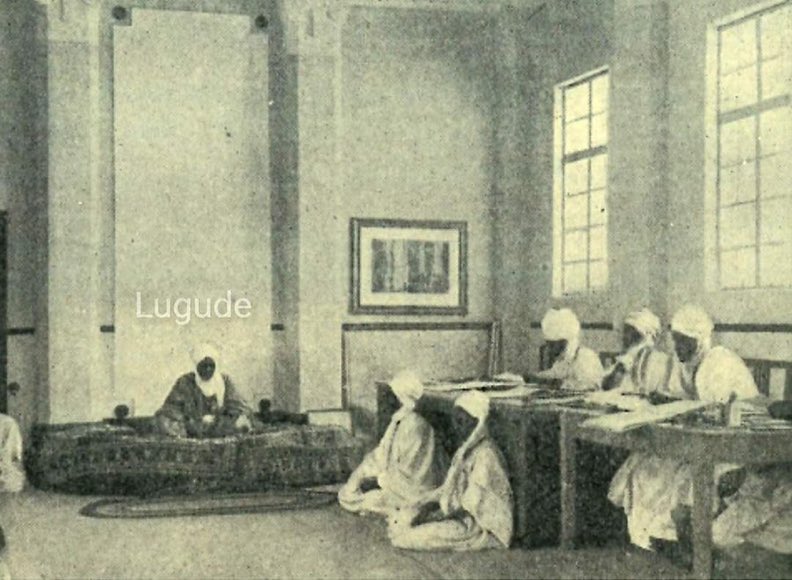
The Haramain expansion has led to the demolision of residential areas of the West African communities particularly Hausas, Kanuri & Fulani in the Holy & ancient city of Makka. In the 60 through 90s, areas such as Shajaral Gwamma, Masallacin dan Zanga, Hoshin