@PetersWonderboy For a second I though that was Sello Twala. When I saw "Rich Man", I thought the post was about his song I NEED SOME MONEY. Can't blame me, a lot of your posts are about retro music
You must learn to let people have their version of you while you remain anchored in the truth of yourself. You need to learn that being misunderstood is sometimes the cost of staying intact and discover that the deepest form of self-respect is not the perfect explanation but the quiet decision to step back and let projection collapse under its own weight.
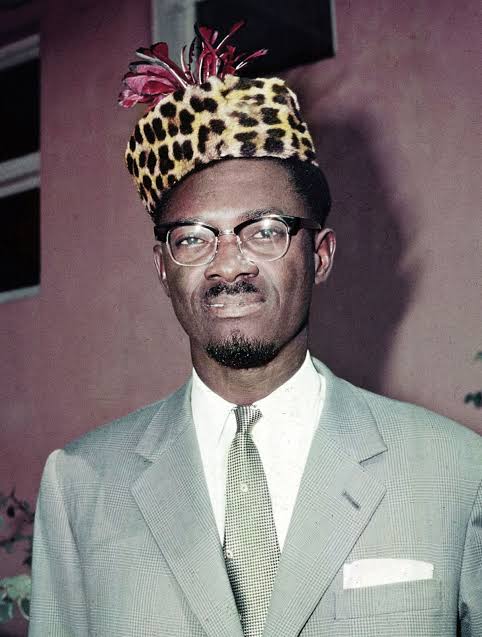
Patrice Lumumba, the first Prime Minister of the Congo 🇨🇩 who was executêd in a firing squad and his body was dissolved in sulfuric acid, by Belgium/USA allies because he tried to protect his country’s minerals.
Shortly before exêcution, His last words were:
“Neither brutality, cruelty or torture will ever bring me to ask for mercy, for I prefer to dié with my head held high, unshakable faith and the greatest confidence in the destiny of my country rather than live in slävery and contempt for sacred principles.”
The person you will be in 5 years depends on:
• the food you eat
• amount of exercise you do
• how much sleep per day
• books or articles you read
• how much more you write
• money you save and invest
• who you work with
• friends you spend time with
• new skills you develop
• asking for help when you’re stuck
• connections you make and keep
• promises you make and keep
• where and how far you travel
• doors you open for others
• knowing when to leave
• new habits you develop
• quitting the stuff that holds you back
This is what their government did to make them rich, he failed because he wanted to.
1. Job Reservation. Mines and Works Act (1911, amended 1926)
This law officially reserved skilled and high-paying jobs for white people only, especially in mining and industry.
Example: A Black worker could not become an artisan or supervisor, even if they had experience. White workers were protected by law. This worked like BEE in reverse, it guaranteed jobs for whites only.
2. Industrial Conciliation Act (1924)
This law recognised white trade unions but excluded Black workers from many labour protections and skilled positions.
Example: White workers could negotiate wages and promotions, while Black workers were treated as cheap labour. This helped white people move up economically.
3. Colour Bar in Employment (Formalised from the 1920s, enforced strongly after 1948)
Many jobs were officially or unofficially marked as “white only”.
Example: A company could legally refuse to hire a Black manager or engineer. White people had first preference in employment and promotions.
4. Natives Land Act (1913)
This law stopped Black people from owning or buying land in most of South Africa. Only about 7% of land was set aside for Black people (later increased to 13%).
Example: A white family could own large farms, while Black families were forced into overcrowded areas. This created white wealth and Black poverty.
5. Native Trust and Land Act (1936)
This law reinforced the 1913 Land Act and strengthened land separation.
Example: Black people were further restricted from land ownership, while white farmers were protected and supported by the state.
6. Group Areas Act (1950)
This law forced people to live and do business in areas assigned to their race. The best urban and business areas were reserved for whites.
Example: Black business owners were removed from city centres, while white businesses took over prime locations.
7. Bantu Education Act (1953)
This law created separate education systems. White schools were well funded, while Black schools were designed to prepare students for manual labour.
Example: White children were trained to become professionals. Black children were trained to be workers. This gave whites a long-term advantage in jobs and income.
8. Pass Laws. Natives (Abolition of Passes and Co-ordination of Documents) Act (1952)
Despite the name, this law strengthened pass controls. Black people needed permission to live or work in cities.
Example: A Black person could be arrested for being in the city without papers, while white people moved freely and accessed jobs easily.
9. Homelands /Bantustans. Promotion of Bantu Self-Government Act (1959)
This law stripped Black South Africans of citizenship and forced them into “homelands”.
Example: A Black person was treated like a foreigner in their own country, limiting access to jobs, businesses, and wealth. White people kept full rights.
10. Government Contracts and Tenders (1948–1994)
During apartheid, state contracts mainly went to white-owned companies through laws, regulations, and practice.
Example: White businesses received government work and funding, while Black businesses were excluded. This is very similar to today’s BEE procurement, except it was permanent and whites-only.
From 1911 to 1994, South Africa had race based laws that economically empowered white people only.
These laws affected land, jobs, education, business, and movement. BEE exists today because those advantages lasted for decades and created deep inequality that did not disappear in 1994.
@PetersWonderboy Timeless classic. My only gripe is that whenever it's back-announced on radio the falsetto contribution of the Great Dr Steve Kekana is hardly mentioned.
Is that Faith Kekana on the video?