Here’s how you can support athletic trainers and show appreciation for everything they do:
1. Say Thank You – A simple “thank you” goes a long way. Take time to recognize the athletic trainers in your life.
2. Spread Awareness – Share posts, stories, and facts about what athletic trainers do to help educate others.
3. Advocate for AT Coverage – Support policies and initiatives that ensure schools, teams, and workplaces have access to qualified athletic trainers.
4. Recognize Their Expertise – Remember, athletic trainers are healthcare professionals, not just “trainers.” They are educated, certified, and crucial to injury prevention and recovery.
5. Support Safe Sports – Advocate for proper safety protocols and resources for athletic trainers at all levels of play, from youth leagues to professional teams.
6. Celebrate Their Work – Nominate an athletic trainer for an award, write a note of appreciation, or even just bring them a coffee to say thanks!
Athletic trainers do so much to keep athletes healthy and active — let’s show up for them this month.
#NationalAthleticTrainingMonth #NATM2025 #ChampionsInHealthCare
Seasonal depression seems fake until it’s above 30° and sunny in February and it feels like a choir of angels is singing as you walk up to the gates of heaven
Congratulations to Dr. Shaniece Jackson, DAT, ATC, LAT, CES, PES, OPE-C, for her outstanding work as the @Eagles assistant athletic trainer during Super Bowl LIX! As the first Black female athletic trainer hired full-time by the Eagles, she’s breaking barriers and inspiring future generations. #Trailblazer #SuperBowlLIX #AthleticTrainer 🏈🙌🏼👏🏼🦅
@abbybdavis12 It takes time to establish those boundaries and figure out what works for you! Now that you’re settled in a bit more you can start taking steps to help take care of yourself. The burnout is REAL and it definitely comes and goes but remember your why and you’ll get through it!
Best part about being an Athletic Trainer: Getting to know your athletes and the relationships you build along the way.
Worst part: The “See you later” at the end of the year, man it doesn’t get easier 😭🫶🏼
How do I become an Athletic Trainer?
It involves a combination of formal education, clinical experience, and certification exams. Here's a general outline of the pathways to achieve this:
1. Educational Requirements:
Bachelor’s Degree: Traditionally, a bachelor's degree in athletic training from a program accredited by the Commission on Accreditation of Athletic Training Education (CAATE) was the entry-level education required.
These programs include both classroom AND clinical training components.
Master’s Degree: Due to recent changes in professional standards, the entry-level degree requirement is shifting from a bachelor’s degree to a master's degree in athletic training.
This means new entrants into the field will need to earn a master’s degree from a CAATE-accredited program to be eligible for certification.
2. Clinical Experience:
Hands-on Training: During their educational program, students must complete a certain number of hours of hands-on clinical experience under the supervision of a Certified Athletic Trainer (ATC).
This real-world training is crucial for developing practical skills in preventing, diagnosing, and treating muscle and bone injuries and illnesses.
3. Certification Exam:
Board of Certification (BOC) Exam: After completing an accredited program, graduates must pass the BOC exam to become certified athletic trainers.
The exam covers a wide range of topics related to athletic training, including injury/illness prevention, clinical diagnosis, and therapeutic intervention.
4. State Licensure:
Licensure Requirements: Most states require athletic trainers to be licensed or registered.
The specific requirements vary by state but typically include passing the BOC exam and completing an accredited educational program. Some states may have additional requirements.
5. Maintaining Certification:
Continuing Education: To maintain certification, ATCs must complete continuing education requirements every 2 years, as specified by the BOC.
This ensures they stay up to date with the latest knowledge and skills in their field.
6. Specialization:
Advanced Certifications: Athletic trainers can pursue advanced certifications or specializations in areas such as orthopedics, sports nutrition, or strength and conditioning to enhance their skills and career opportunities.
Each step in this pathway is designed to ensure that certified athletic trainers have the necessary knowledge, skills, and experience to provide quality care to a broad range of the human population.
So, ATs know stuff... 👊
#attwitter #NATM2024
So, I spoke to people getting food at a food bank and here are some things I learned from those in need:
1. Everyone donates Kraft Mac and Cheese in the box. They can rarely use it because it needs milk and butter which is hard to get from regular food banks.
2. Boxed milk is a treasure, as kids need it for cereal which they also get a lot of.
3. Everyone donates pasta sauce and spaghetti noodles.
4. They cannot eat all the awesome canned veggies and soup unless you put a can opener in too or buy pop tops.
5. Oil is a luxury but needed for Rice a-Roni which they also get a lot of.
6. Spices or salt and pepper would be a real Christmas gift.
7. Tea bags and coffee make them feel like you care.
8. Sugar and flour are treats.
9. They fawn over fresh produce donated by farmers and grocery stores.
10. Seeds are cool in Spring and Summer because growing can be easy for some.
11. They rarely get fresh meat.
12. Tuna and crackers make a good lunch.
13. Hamburger Helper goes nowhere without ground beef.
14. They get lots of peanut butter and jelly but usually not sandwich bread.
15. Butter or margarine is nice too.
16. Eggs are a real commodity.
17. Cake mix and frosting makes it possible to make a child’s birthday cake.
18. Dishwashing detergent is very expensive and is always appreciated.
19. Feminine hygiene products are a luxury and women will cry over that.
20. Everyone loves Stove Top Stuffing.
In all the years I have donated food at the Holidays, I bought what I thought they wanted, but have never asked. I am glad I did. If you are helping a Family this Christmas, maybe this can help you tailor it more. It does for me!
@AnonymousAT2 My coworkers and I did an online class through Rocky Mountain university I believe. They sent supplies so we could practice and we had to record our technique. Suturing is new to my states practice act so it was a good opportunity to learn/refresh!
Athletic trainers are so much more than ice bags and ankle tape - they are the true "MVPs" of athletic medicine! Coaches, ADs and parents, take time to appreciate your ATs - the health/safety and performance of your players count on them!!
#NATM2023
To the AT who's imposter syndrome is whispering in their ear, "you're incompetent and undeserving." Remember the smiles that exist simply from the space you made for them. You are a living breathing memento that says "you are safe, you are worthy." That is all you need to be.
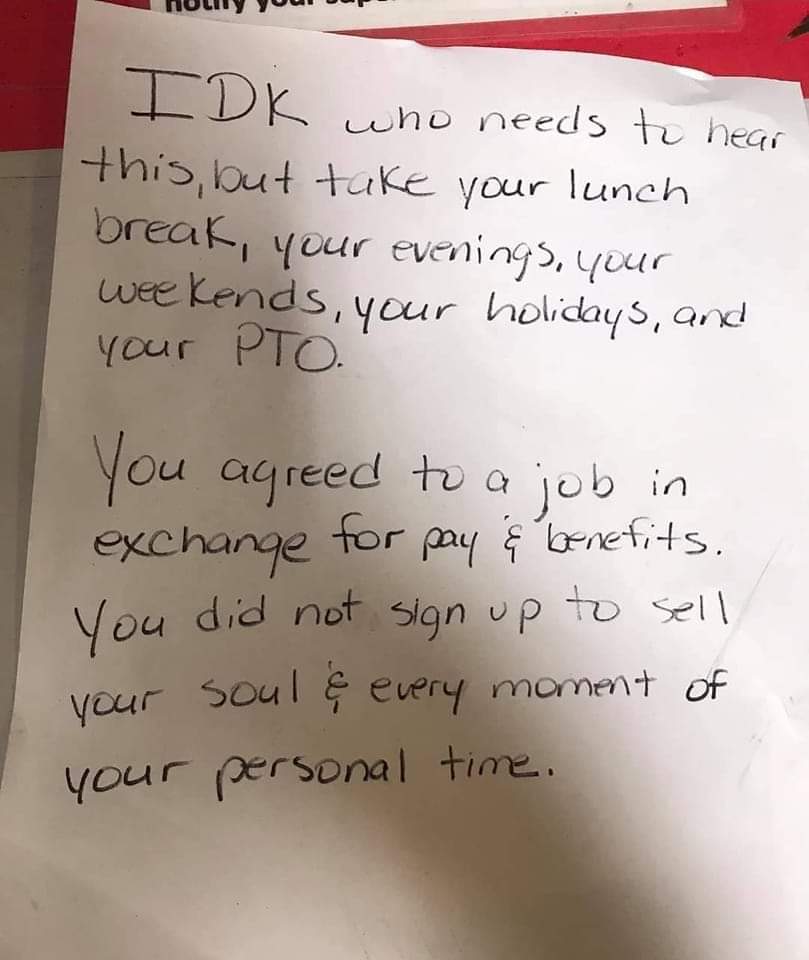
Advice for #NATM2023. You can not help others if you do not help yourself. Being an AT will take a lot out of you by draining your days by being away from family, friends, and your own hobbies. Learn to take off for yourself. If you have a chance to take a day off, take it.
Thank you @RamsNFL for elevating this issue and my bill to require Athletic Trainer licensure in California. #ProtectYouthAthletes
https://t.co/IuvgHUZjFp