If @quranium_org had a dating profile 👀
Name: Quranium
Age: Built in 2025 (but thinks long-term)
Location: Somewhere between the blockchain and the quantum void
Height: Tall enough to see Q-Day coming
Interests:
💜 SPHINCS+ and SLH-DSA
💜 Convergence Layers
💜 Long walks through zk-snark forests
💜 Building trust that doesn’t collapse under pressure
Looking for:
Someone who won’t ghost when quantum computers show up.
Bonus points if you can verify without revealing too much 😉
Fun Fact:
Not even quantum can break my heart...or my encryption!
Motto: Swipe right before Q-Day hits 😎
have a story you've been meaning to write but life keeps getting in the way?
i'm officially taking on fiction ghostwriting on fiverr. novels, novellas, short stories, fanfic. in your voice, fully yours when delivered.
↓
https://t.co/Oa1aBtypnt
#ghostwriter#fanfic
We asked @MohitKapadiyaa, Head of Technology at @TOTM_Labs, what it takes to scale on-chain.
Is it having the right cryptographic foundation, or the infrastructure to sustain it at scale?
Watch now to find out.
What does sustainable adoption of emerging technologies mean in the age of AI and blockchain?
Hear from Wei Jie Chan, Head of TOTM Labs, on why TOTM Labs exists and what it's here to do.
Press play
Claude Code went viral for a reason.
It reflects something bigger: the way businesses build, operate, and grow. That is changing, and Singapore is paying attention.
Every day, more companies are seeing how Claude can fit into the way they work, whether that is improving workflows, speeding up thinking, or enabling teams to move with clarity.
ClaudeSG kicked off its first community event, bringing together investors, business owners, corporate teams, and SMEs, including many with no technical background, to get practical with its usage, share their perspectives, and learn by building alongside others on the same journey.
We believe initiatives like this are how businesses across the ecosystem begin to adopt agentic AI in ways that are practical and sustainable for them.
Shoutout to Freddy Lim for making this happen with us.
@uramiable@MohitKapadiyaa
#ClaudeSG #AI #Claude #Singapore
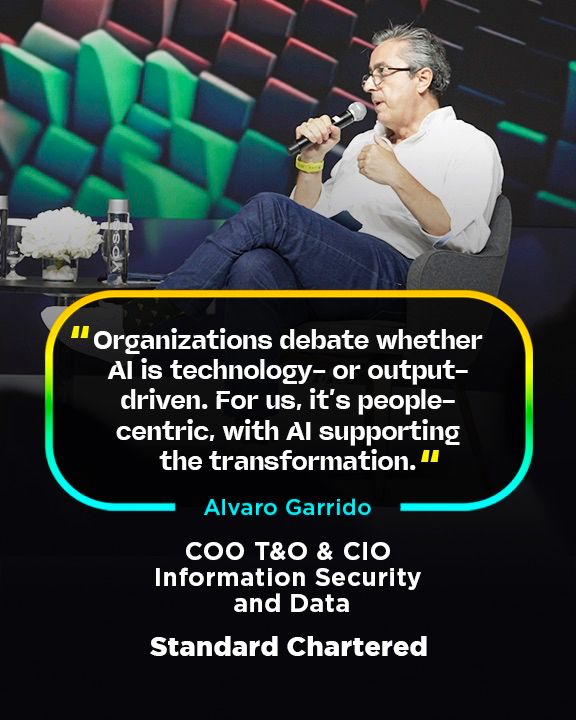
Making AI Work in the Real World
It’s not just technology—people, systems, and trust matter most.
Alvaro Garrido, Standard Chartered 🎤
📍 9–10 April | Marina Bay Sands
🎟 Free Pass: https://t.co/UscFyacnEd (TECHFOMO)
🎟 50% Off Conf: ASIATECHPASS
#GITEXAIASIA#GITEXASIA
When an AI agent makes a wrong call, who gets the blame?
Most organisations deploying agentic AI haven't answered that question yet.
With 74% of companies planning to deploy agentic AI within two years, the window to get governance right is narrowing fast.
Responsibility for AI-enabled decisions sits with the organisation that deploys the system. That's the standard. What's less defined is how most organisations structure it in practice.
Here is what a responsible deployment looks like:
1⃣ Before it acts, it needs a mandate: Every agent should have a defined scope: what it can do, what it cannot, and who signed off on that boundary. No mandate means no deployment.
2⃣ Permissions are not assumed; they are earned: Start narrow. Agents operate within tight limits and expand only as they prove reliable. The same logic you would apply to anyone new on the team.
3⃣ If you can't explain the decision, it shouldn't have been made: Every action needs a verifiable identity, a log, and a clear record of WHY. Transparency isn't a nice-to-have - 43% of organisations say it is the reason they have not yet scaled AI.
4⃣ Lastly, someone has to own it: When a vendor built it, a data team trained it, and three business units touched it, accountability disappears fast. The rule is simple: whoever deployed the agent owns what it does.
The technology is the easy part. Governance is what determines whether agentic AI becomes an organisational asset or a liability waiting to surface.
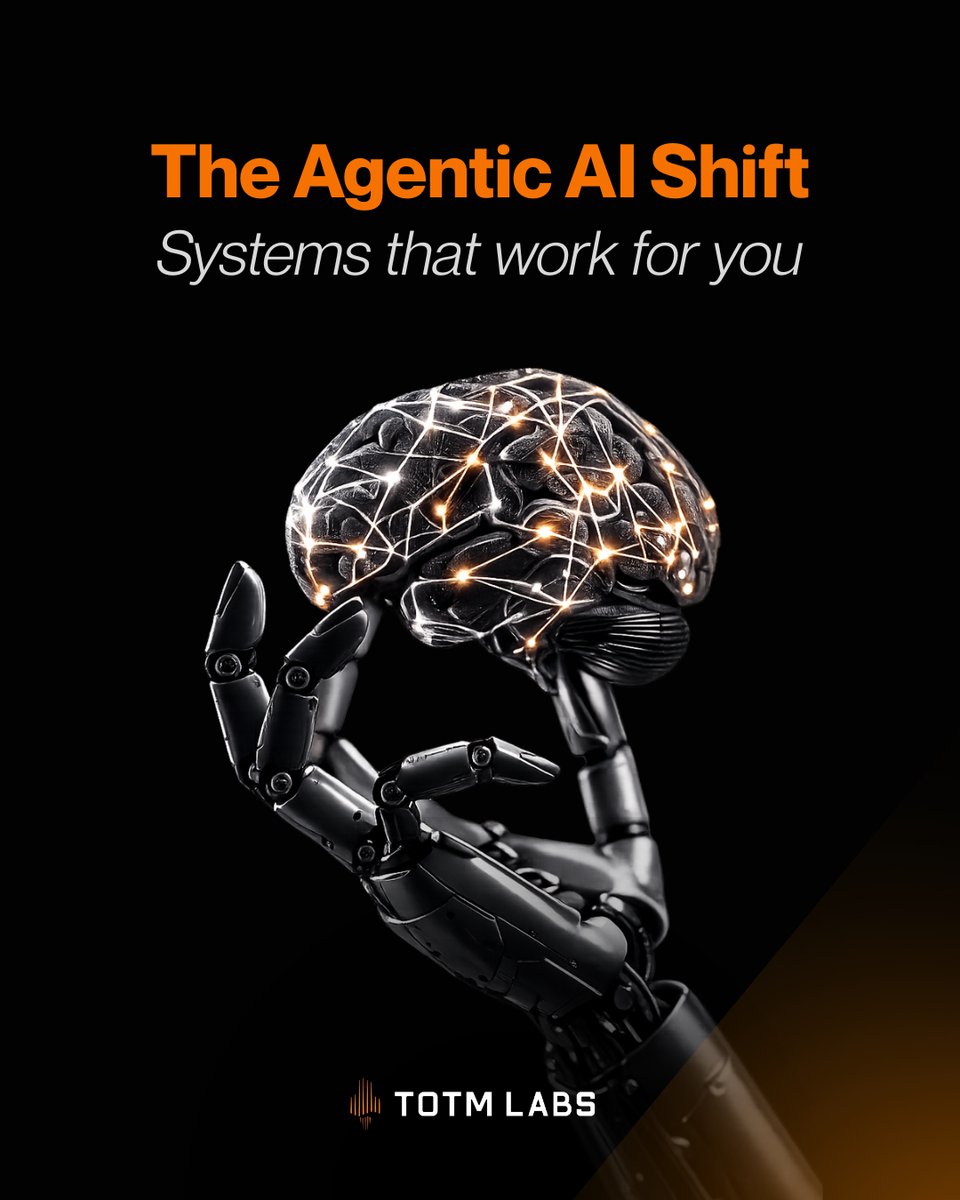
Not a long ago, blockchain was dismissed as hype. Today it underpins trillion-dollar financial architecture.
Agentic AI is on the same trajectory - except much faster than we anticipated.
Systems that plan, decide, and execute without waiting on you.
A $47B market by 2030. Already reshaping finance, logistics, and healthcare.
The infrastructure is shifting. We are paying attention.
Bitcoin miners are now the single largest buyers of stranded renewable energy on earth.
No other industry does this.
No other industry CAN do this.
And nobody in mainstream media is covering why this is civilization-level important.
Thread 🧵
First, let's define the problem.
Renewable energy — wind, solar, hydro — is location-specific.
A wind farm in West Texas produces power that can't always get to New York.
A hydro plant in Siberia produces far more power than local grids can absorb.
Result: Perfectly good energy gets curtailed. Wasted. Turned off.
The scale of curtailment is staggering.
The US alone curtails tens of billions of kWh annually.
Globally, the number reaches hundreds of billions.
That's clean energy being thrown away — not because we don't need it, but because we can't move it.
This is the energy grid's dirty secret.
Enter Bitcoin mining.
Miners don't need to be near customers.
Miners don't need pipelines or transmission lines.
Miners just need electricity and internet.
So they build next to the stranded energy source.
And they buy the power that would otherwise be wasted.
At prices the renewable developer desperately needs to justify the project.
What this means in practice:
→ A hydro plant in rural Canada that was economically unviable? Bitcoin mining makes it viable.
→ A wind farm producing excess power at 2 AM? Bitcoin miners buy every watt.
→ A solar installation in a remote region? Mining provides the revenue floor.
Bitcoin isn't competing with clean energy. It's financing it.
The grid stabilization story is even bigger.
Modern grids have a problem: too much energy at certain times, not enough at others.
Bitcoin miners are uniquely suited to solve this.
They are interruptible load — they can shut off in seconds when the grid needs power elsewhere.
Texas ERCOT literally pays miners to go offline during peak demand. This is real. It's happening now.
Why can't other industries do this?
A factory can't stop its assembly line in 3 seconds.
A data center can't go offline to help the grid.
A hospital obviously can't.
Bitcoin miners can.
We are the most flexible industrial electricity load ever invented.
Grid operators are beginning to understand this. The policy world hasn't caught up yet.
The mainstream narrative: "Bitcoin wastes energy."
The reality:
→ Bitcoin mines on energy that would be curtailed
→ Bitcoin finances renewable projects that wouldn't exist otherwise
→ Bitcoin stabilizes grids by acting as programmable demand
→ Bitcoin's energy mix is more renewable than most countries' electricity grids
The narrative is 5 years behind the industry.
Here's the bigger picture:
If you want to accelerate the transition to renewable energy...
You need a buyer of last resort for stranded clean power.
That buyer has emerged.
It's called Bitcoin mining.
This isn't a side note in the clean energy story. It might be the most important chapter.
The energy narrative around Bitcoin is changing.
Slowly — because the media has a story to sell.
But the data is unambiguous for anyone willing to look.
If you made it to tweet 10 — you're the kind of person who looks.
Follow for more.
And share this with the next person who hits you with the energy argument. 🧡
To every resident in the UAE,
you are part of this nation’s strength.
Thank you for standing with us.
Your solidarity reached every Emirati home.
This country is your home too. 🇦🇪❤️
𝟮𝟬 𝗺𝗶𝗹𝗹𝗶𝗼𝗻 𝗕𝗶𝘁𝗰𝗼𝗶𝗻 𝗵𝗮𝘃𝗲 𝗻𝗼𝘄 𝗯𝗲𝗲𝗻 𝗺𝗶𝗻𝗲𝗱. 𝗢𝗻𝗹𝘆 𝟭 𝗺𝗶𝗹𝗹𝗶𝗼𝗻 𝗹𝗲𝗳𝘁.
And suddenly everyone is asking the same question:
"If rewards keep shrinking — why would anyone keep mining?"
It's a fair question. And most answers I've seen are wrong.
Here's exactly how mining works — and why it matters more now than ever:
——————————————
𝗪𝗵𝗮𝘁 𝗶𝘀 𝗮 𝗺𝗶𝗻𝗲𝗿?
Think of miners as the accountants of the Bitcoin network. Every time someone sends Bitcoin, that transaction needs to be verified and recorded permanently. Miners are the ones who do that job.
But they don't do it for free.
——————————————
𝗪𝗵𝗮𝘁 𝗶𝘀 𝗮 𝗯𝗹𝗼𝗰𝗸?
Bitcoin transactions don't get recorded one by one. They get bundled together into a "block." Every ~10 minutes, a new block gets added to the chain. That's the blockchain.
Immutable. Permanent. Public.
——————————————
𝗛𝗼𝘄 𝗱𝗼𝗲𝘀 𝗮 𝗯𝗹𝗼𝗰𝗸 𝗴𝗲𝘁 𝗮𝗱𝗱𝗲𝗱?
Miners race to solve a complex mathematical puzzle. No shortcuts. No tricks. Just billions of calculations per second until someone finds the answer.
First one to solve it wins.
——————————————
𝗧𝗵𝗲 𝘄𝗶𝗻𝗻𝗲𝗿 𝗴𝗲𝘁𝘀 𝗧𝗪𝗢 𝘁𝗵𝗶𝗻𝗴𝘀. 𝗧𝗵𝗶𝘀 𝗶𝘀 𝗶𝗺𝗽𝗼𝗿𝘁𝗮𝗻𝘁.
→ 𝗕𝗹𝗼𝗰𝗸 𝗥𝗲𝘄𝗮𝗿𝗱 — freshly created Bitcoin. Right now 3.125 BTC per block.
→ 𝗧𝗿𝗮𝗻𝘀𝗮𝗰𝘁𝗶𝗼𝗻 𝗙𝗲𝗲𝘀 — every sender in that block pays a small fee. The winning miner collects ALL of them.
That's the entire revenue model.
——————————————
𝗢𝗻 𝘁𝗿𝗮𝗻𝘀𝗮𝗰𝘁𝗶𝗼𝗻 𝗳𝗲𝗲𝘀:
Every time you send Bitcoin, you attach a small fee to incentivize miners to include your transaction. Higher fee = higher priority. In busy periods those fees stack fast.
Some blocks have earned miners more in fees than the block reward itself.
——————————————
𝗢𝗻 𝘁𝗵𝗲 𝗯𝗹𝗼𝗰𝗸 𝗿𝗲𝘄𝗮𝗿𝗱:
Satoshi hard-coded a rule into Bitcoin. Every 210,000 blocks (~4 years), the reward gets cut in half. This is called the Halving.
2009 → 50 BTC
2012 → 25 BTC
2016 → 12.5 BTC
2020 → 6.25 BTC
2024 → 3.125 BTC
2028 → 1.5625 BTC
Supply shrinks. Forever. By design.
——————————————
𝗪𝗵𝘆 𝘁𝗵𝗲 𝟮𝟬𝗠 𝗺𝗶𝗹𝗲𝘀𝘁𝗼𝗻𝗲 𝗮𝗰𝘁𝘂𝗮𝗹𝗹𝘆 𝗺𝗮𝘁𝘁𝗲𝗿𝘀:
It took 17 years to mine the first 20 million coins. The remaining 1 million will take over 100 years. The distribution curve is front-loaded by design.
Scarcity isn't coming. It's already here.
——————————————
𝗦𝗼 𝘄𝗵𝘆 𝗸𝗲𝗲𝗽 𝗺𝗶𝗻𝗶𝗻𝗴 𝗮𝘀 𝗿𝗲𝘄𝗮𝗿𝗱𝘀 𝘀𝗵𝗿𝗶𝗻𝗸?
Because the revenue model doesn't disappear. It transforms.
As block rewards shrink, transaction fees become the dominant income. This is Bitcoin's long game. Satoshi designed it this way from day one.
——————————————
𝗪𝗵𝗮𝘁 𝗶𝘀 𝗵𝗮𝘀𝗵𝗿𝗮𝘁𝗲?
Hashrate = computing power. The more hashrate you have, the more "lottery tickets" you're buying every second. The network auto-adjusts difficulty based on total participation.
More miners = harder puzzle.
Fewer miners = easier puzzle.
The system always self-corrects.
——————————————
𝗧𝗵𝗲 𝘂𝗻𝗰𝗼𝗺𝗳𝗼𝗿𝘁𝗮𝗯𝗹𝗲 𝘁𝗿𝘂𝘁𝗵 𝗻𝗼𝗯𝗼𝗱𝘆 𝘄𝗮𝗻𝘁𝘀 𝘁𝗼 𝘀𝗮𝘆:
Mining doesn't get less viable as rewards shrink.
It gets less viable for the inefficient.
Only operators with the lowest power costs, best hardware, and smartest infrastructure survive each halving. The ones still standing in 2028 are already building for it now.
The question was never "will mining survive."
𝗧𝗵𝗲 𝗾𝘂𝗲𝘀𝘁𝗶𝗼𝗻 𝗶𝘀 𝘄𝗵𝗼 𝘀𝘂𝗿𝘃𝗶𝘃𝗲𝘀 𝗶𝘁. 👇
🚨 Stablecoins now dominate on-chain cybercrime.
FATF reports:
• $300B+ market
• ~30% of on-chain volume
• 84% ($154B) of illicit flows
Unhosted wallets remain a major blind spot.
The direction is clear: compliance must be built into the system.
👉 https://t.co/tXZkNgbbNJ