The Official World Stress Map (WSM) Twitter Page. The WSM is the global compilation of information on the present-day stress field of the Earth's crust.
Olaiz, A., Álvarez Gómez, J. A., de Vicente, G., Muñoz-Martín, A., Cantavella, J. V., Custódio, S., Vales, D., and Heidbach, O.: Onshore and offshore seismotectonics of Iberia: an updated review, Solid Earth, 16, 947–1024, https://t.co/W6yS3JKYca, 2025.
Australia is a long way from the tectonic plate boundaries where most earthquakes happen – but we can't escape the forces they create. @DeeNinis@MonashUni@UQ_News https://t.co/6Oesh7TgIl
Passionate about geomechanics?
There’s still time to submit your abstract in our #EGU2025 session: “The Present-Day Stress State – Starting Point for Research and Subsurface Engineering”.
Share your work on this global stage!
Deadline: 15 January: https://t.co/MDz1LXdQq2
3/3
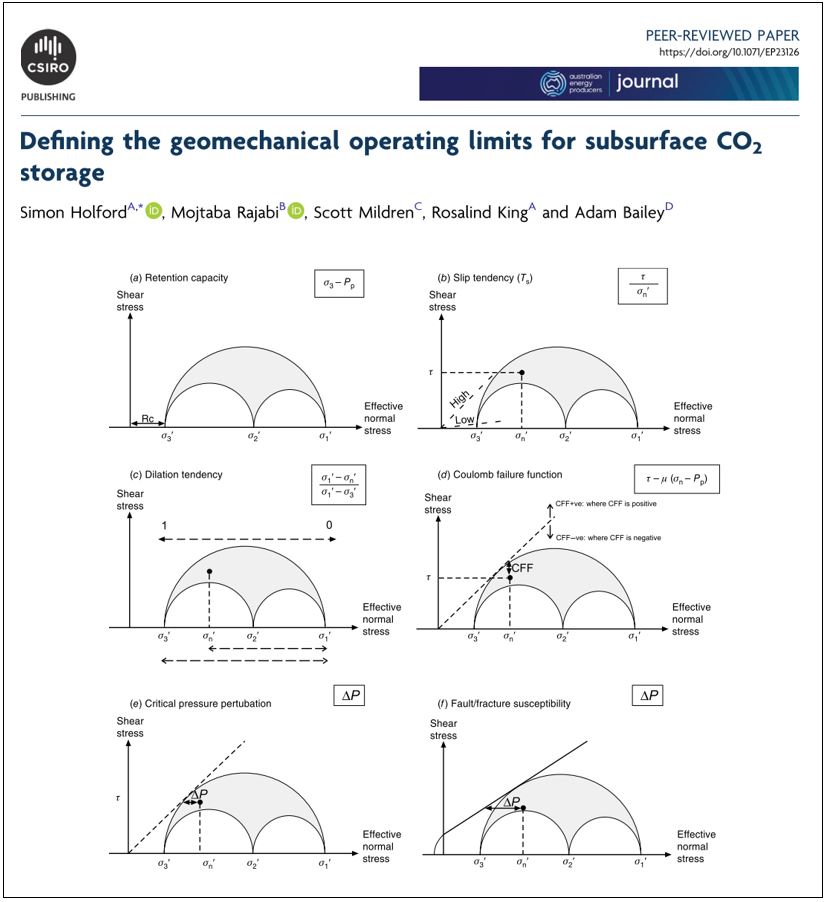
And the third one led by my colleague @simonholford and reviews some key geomechanical issues and knowledge gaps that need to be understood to enable successful reservoir and seal management for CCS projects.
https://t.co/X2buaGVjRh
2/3
The second paper led by my PhD student Rasoul Ranjbarkarami which investigate the impact of volcanic intrusions on the variation of vertical stress in the McArthur and Beetaloo basins, Australia.
https://t.co/6EONenkVZ9
1/3
Pleased to share three papers just published in the @au_energy_prod journal along with the Australian Energy Producers Conference & Exhibition.
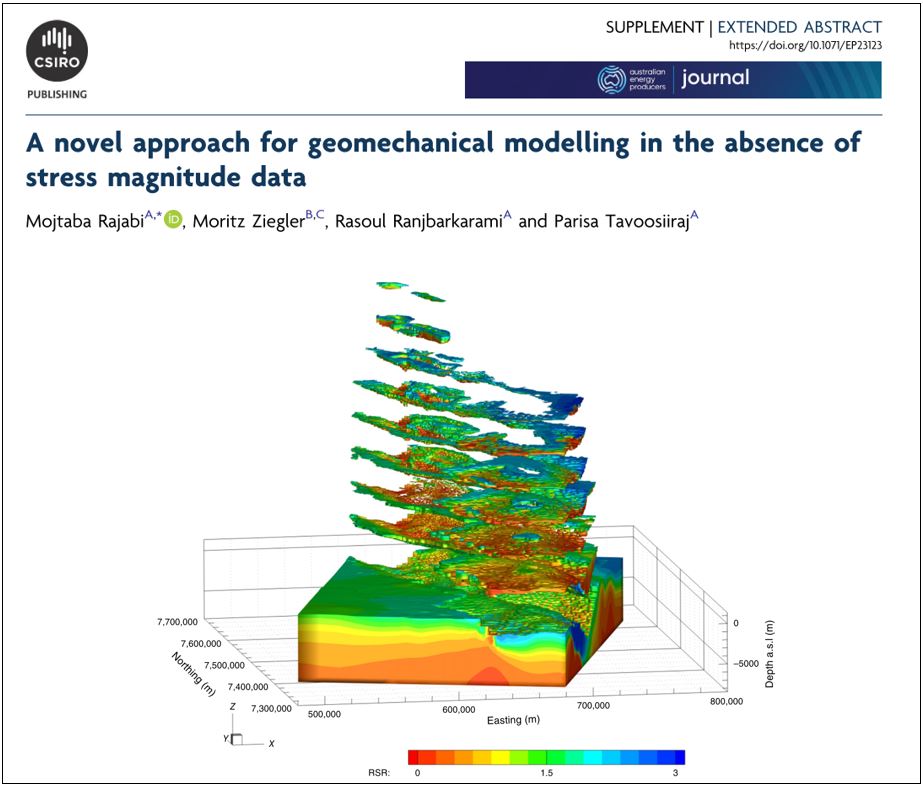
The first one aims to calibrate a 3D geomechanical model in the absence of stress magnitude data.
https://t.co/XjNA9FAl2u
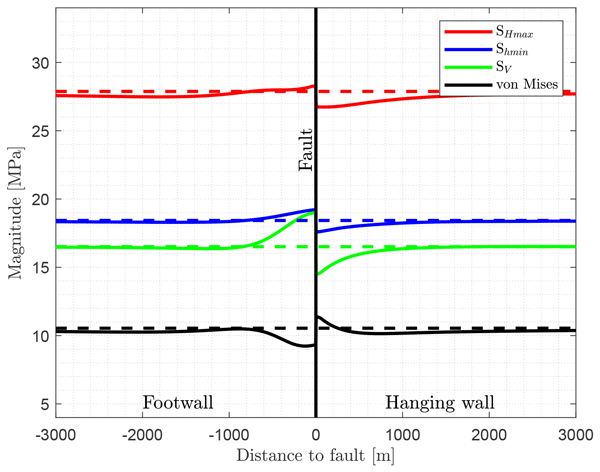
📢Paper Alert! "Impact of faults on the remote stress state" The paper investigates which component of the stress tensor is affected at which distance from the fault using a series of generic 3-D models.
https://t.co/FXUkWhiC1m
@karstReiter
#EGU24 Are you doing some stress or strain related research? We welcome all kinds of research from observations to experimental studies, and laboratory results to numerical modelling.
https://t.co/O87xDwePa9
📢Paper Alert!
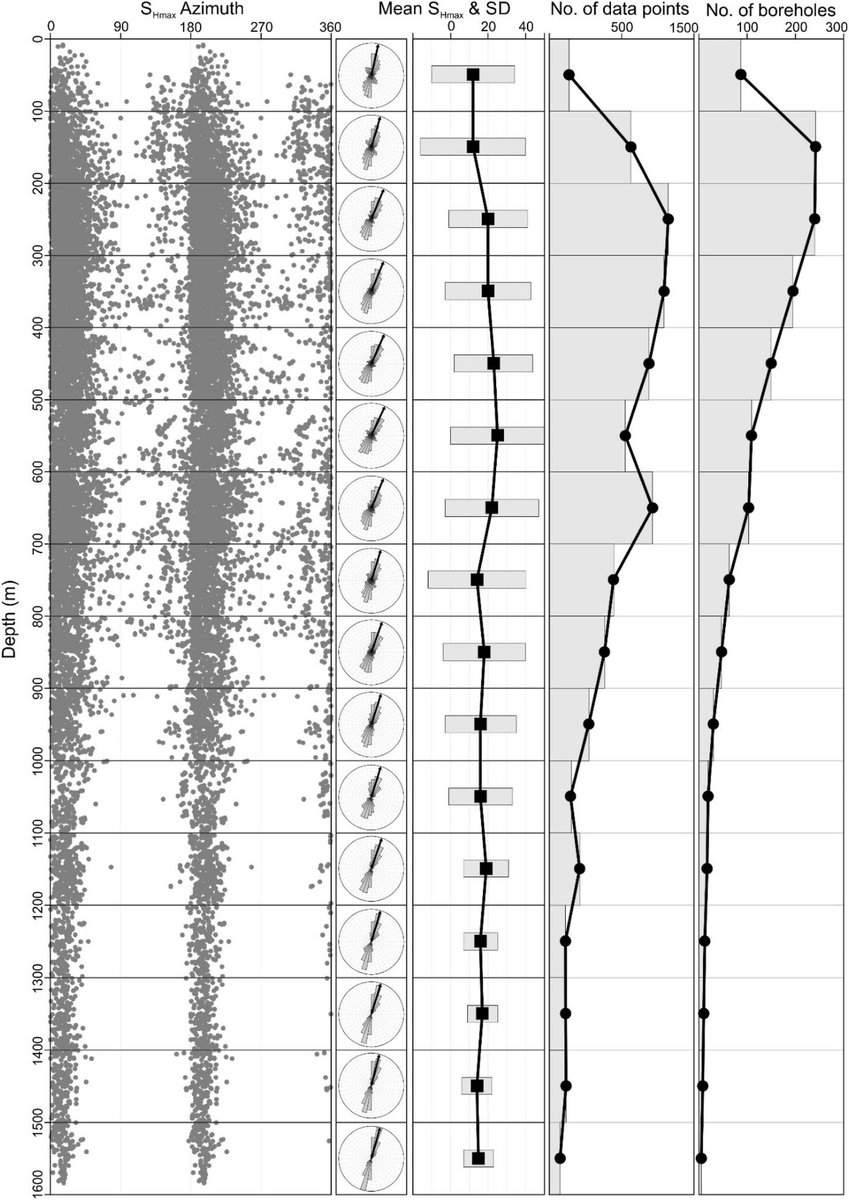
Contribution of mine borehole data toward high-resolution stress mapping: An example from Bowen Basin, Australia
This paper represents the most comprehensive quality-ranked basin-wide stress map according to our database!
@RajabiMojtaba
https://t.co/LYvcRelUbn
Working on any aspects of geomechanics?
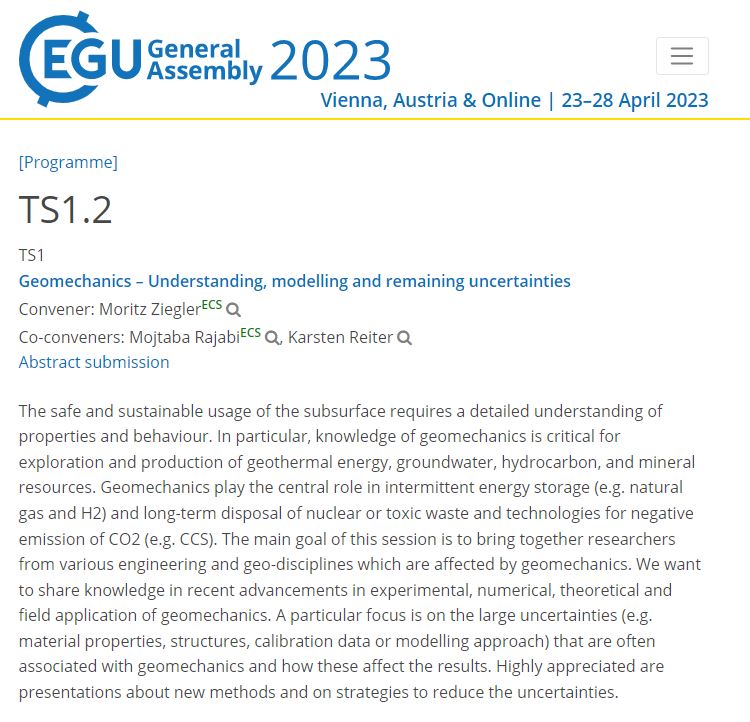
Still time to submit an abstract in our #EGU23 session: Geomechanics – Understanding, Modelling and Remaining Uncertainties.
Deadline: 10 January: https://t.co/dy4MMVDmVz
#EGU23 abstract submission in open. If you are working in any aspects of Geomechanics, please consider submitting an abstract in our session: Geomechanics – Understanding, Modelling and Remaining Uncertainties.
https://t.co/A10GxzRMwI
#EGU23 abstract submission in open. If you are working in any aspects of Geomechanics, please consider submitting an abstract in our session: Geomechanics – Understanding, Modelling and Remaining Uncertainties.
https://t.co/A10GxzRMwI
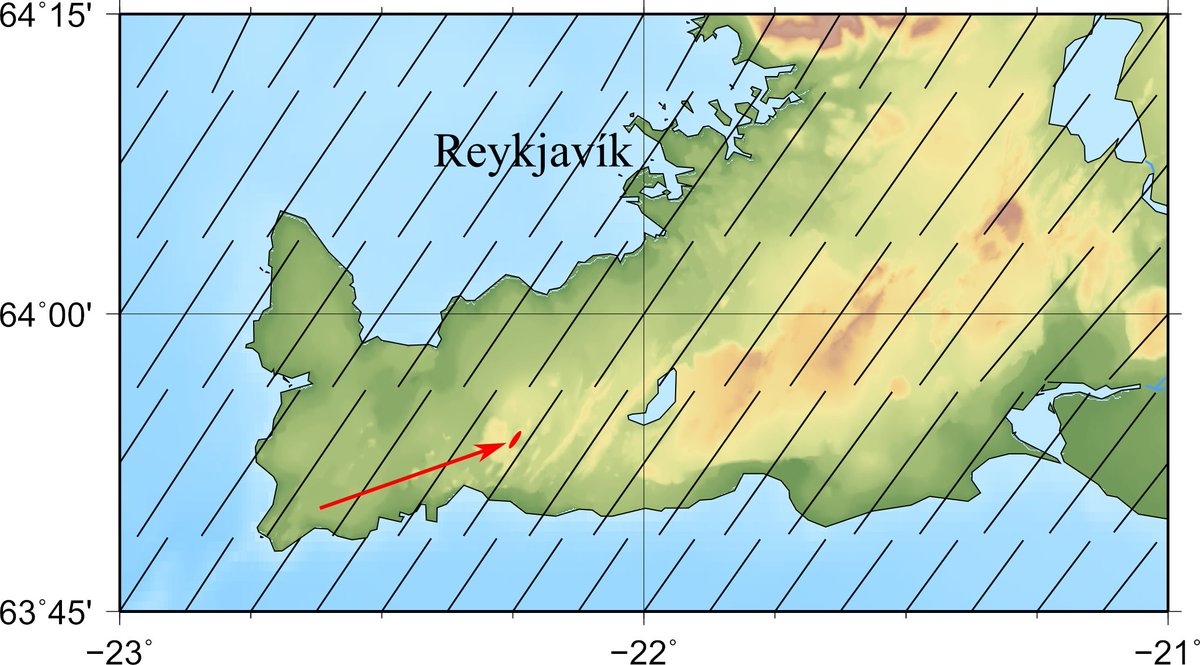
The fissure of the eruption in #Meradalir#Fagradalsfjall is perfectly oriented with the mean SHmax orientation of the area (as expected). Data from @WSMproject and mean orientation estimated by Stress2Grid https://t.co/BRnFwPMQrs. Orientation of fissure from @volcanodiscover
@Jhon_A_UP Hi Jhon, yes, the CASMO is working and I just checked it and didn’t find any issue with it. Make sure you have selected your area (by entering lat/long or using the map feature). Thanks
🥁📢1/2 Great News! We launched the new WSM website (https://t.co/Bvt5pQc4vX) with a new design and structure. It provides a software section with tools and scripts for download that we developed in the past years to analyse, model and visualize stress data. @GFZ_Potsdam
📢Paper Alert: In-situ stress database of the greater Ruhr region (Germany) derived from hydrofracturing tests and borehole logs. The preprint is now open for discussion in @ESSD_journal.
Access link: https://t.co/7SjoEeKuwP