@AdamKinzinger@DonaldJTrumpJr Well put. should be no need to remind us, but with the Don… escaping accountability for prior statements seems ingrained.
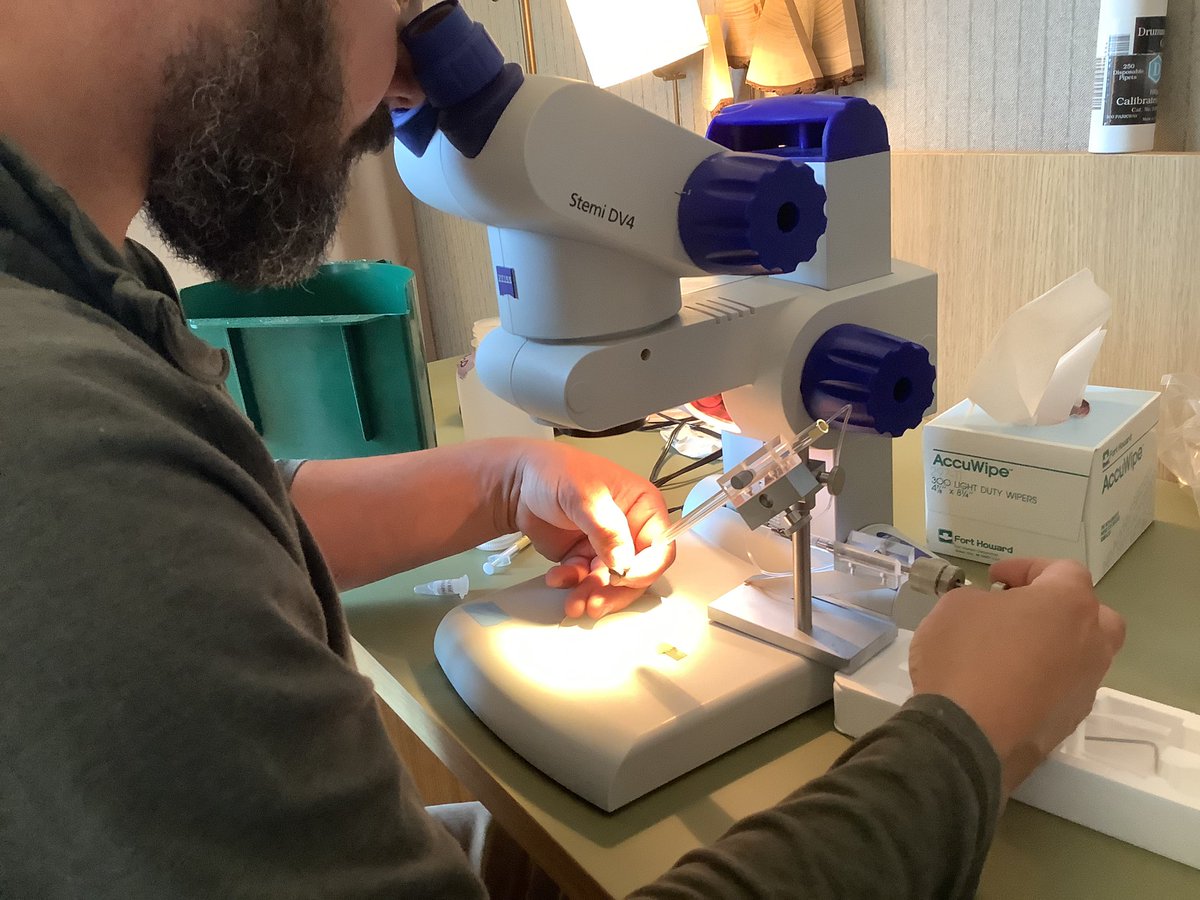
Dr Brandon Hopkins collects semen from Carniolan honey bee drones. Most of the collected semen will be cryopreserved in liquid nitrogen and placed in the WSU Honey Bee Germplasm Repository for later breeding program use via instrumental insemination.
@wsucahnrs@WSUEntomology
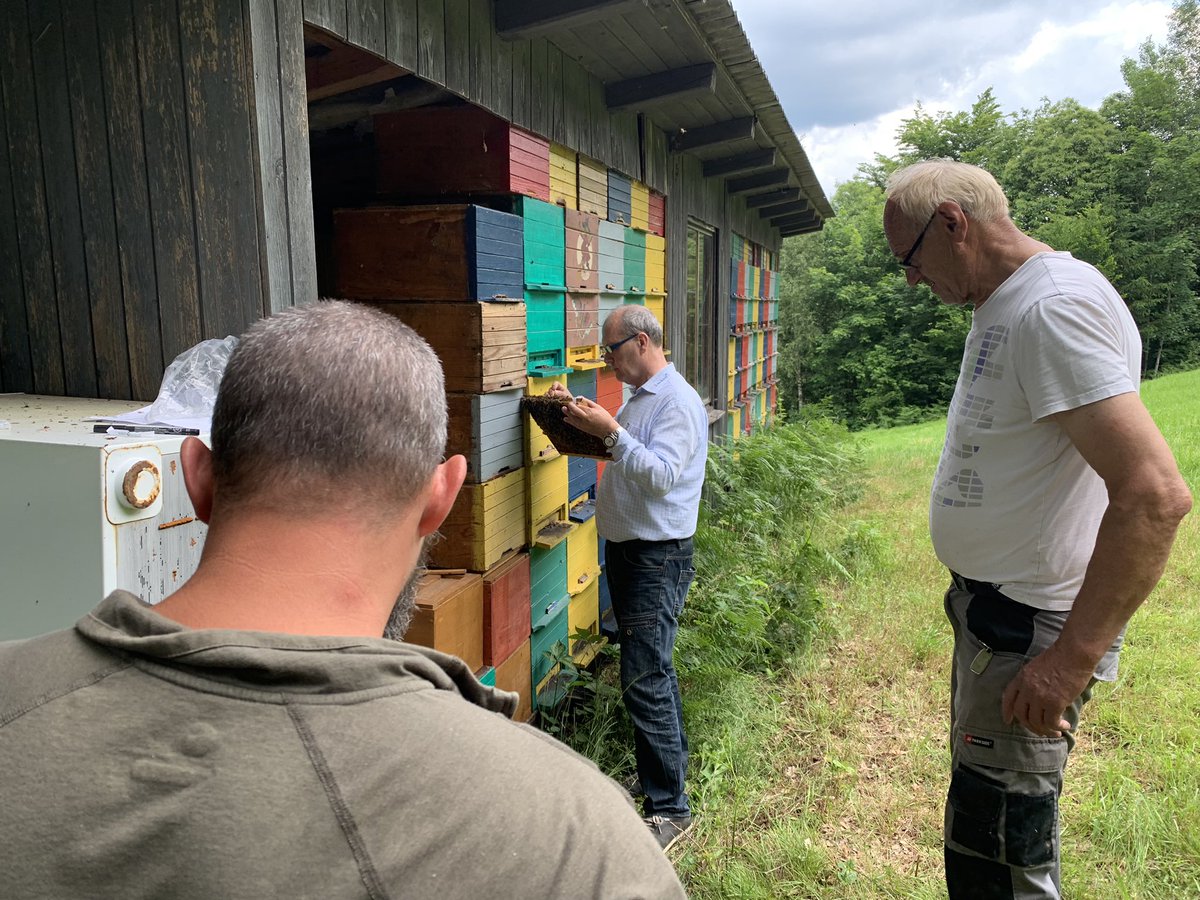
Collecting drones from beehives belonging to queen producer Ladislav Bozelj in Dragovsek, Slovenia. This work is part of a honey bee germplasm collecting effort for the Carniolan honey bee, a subspecies adapted to cool winter conditions such as occurs in the Pacific Northwest.
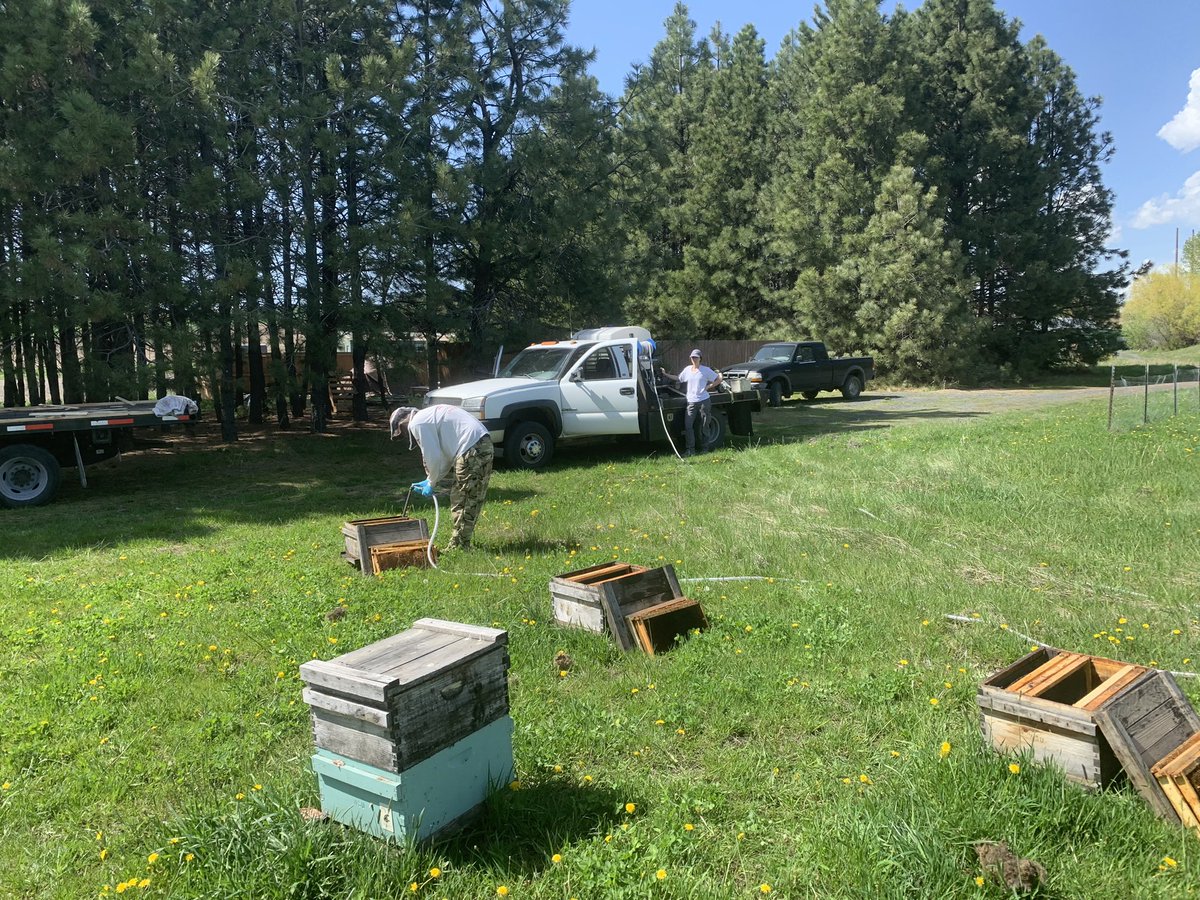
Dr. Saumik Basu and beekeeping assistant Molly Quade place a bag of WSU-selected fungus into beehives near Moscow ID. This research will evaluate the ability of the fungus to control infestations of the honey bee parasitic mite, “Varroa destructor”. @wsucahnrs@WSUEntomology
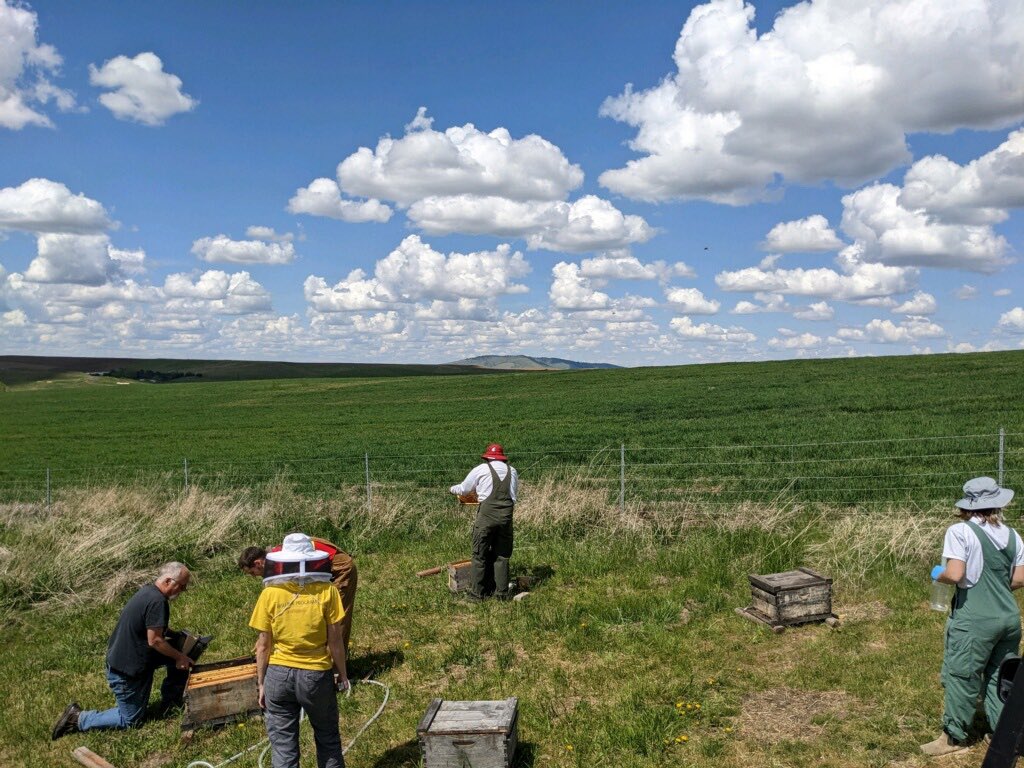
WSU grad students and bee team members verifying queen acceptance in new colonies recently started from “package bees” in Pullman, WA. Each package contained a caged queen and around 12,000 worker bees. @WSUEntomology@wsucahnrs
Each package - 12000 workers w/ a queen bee will start a new research colony for the WSU Bee Program. These packages were loaded in California on Tuesday and driven directly to Othello and Pullman - where they were installed on Wednesday by WSU bee teams - great teams !
Installing new package bees for the WSU bee program - graduate students Adam Ware and Kiersten Ritchie feed the “ set ups” with syrup prior to shaking the bees into the boxes. #wsu
Honey bee scientists @WSUEntomology are studying the impacts of fungi to help them fight off the affects of Varroa destructor mites, which have caused a huge amount of damage. Cool overview of @wsubees work by @wsmagazine. #SaveTheBees#GoCougs https://t.co/aTzriykpMe
Headed to the JamborBee @wsubees @WSUEntomology to get set up! Come join the Washington State Beekeepers Association annual meeting that starts tomorrow Oct 5 in Othello, WA!
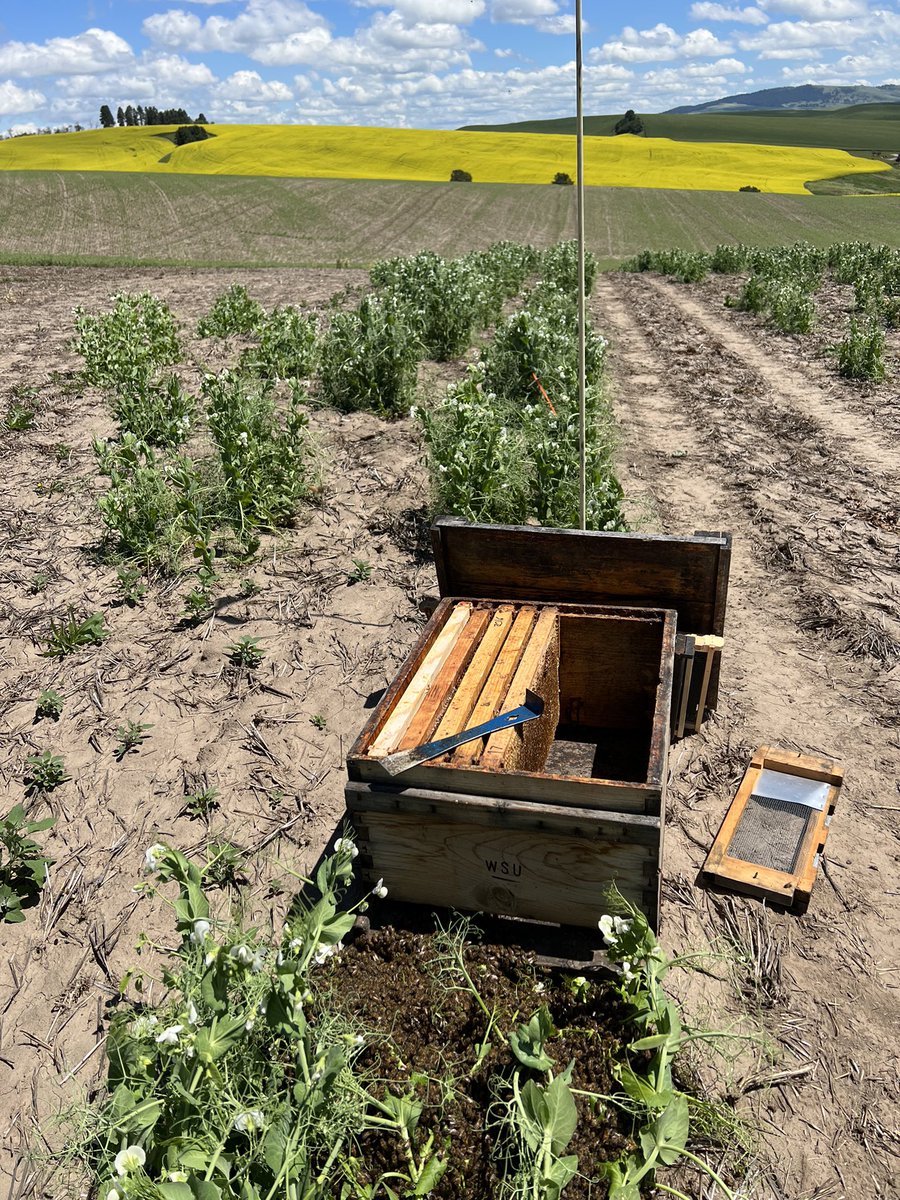
A swarm of honey bees form a flat mat on the ground at WSU’s Spillman Farm. An unusual configuration, given that swarms typically settle on a tree, fence post or overhang. A box placed next to the swarm will be populated as bees crawl through the entrance.
Congratulations to the participants of last week’s 2022 WSU bee breeding and queen rearing workshop. Great enthusiasm evident for the restart of in-person training. Using tools from the workshop, some folks intend to breed honey bees better adapted to their local conditions.
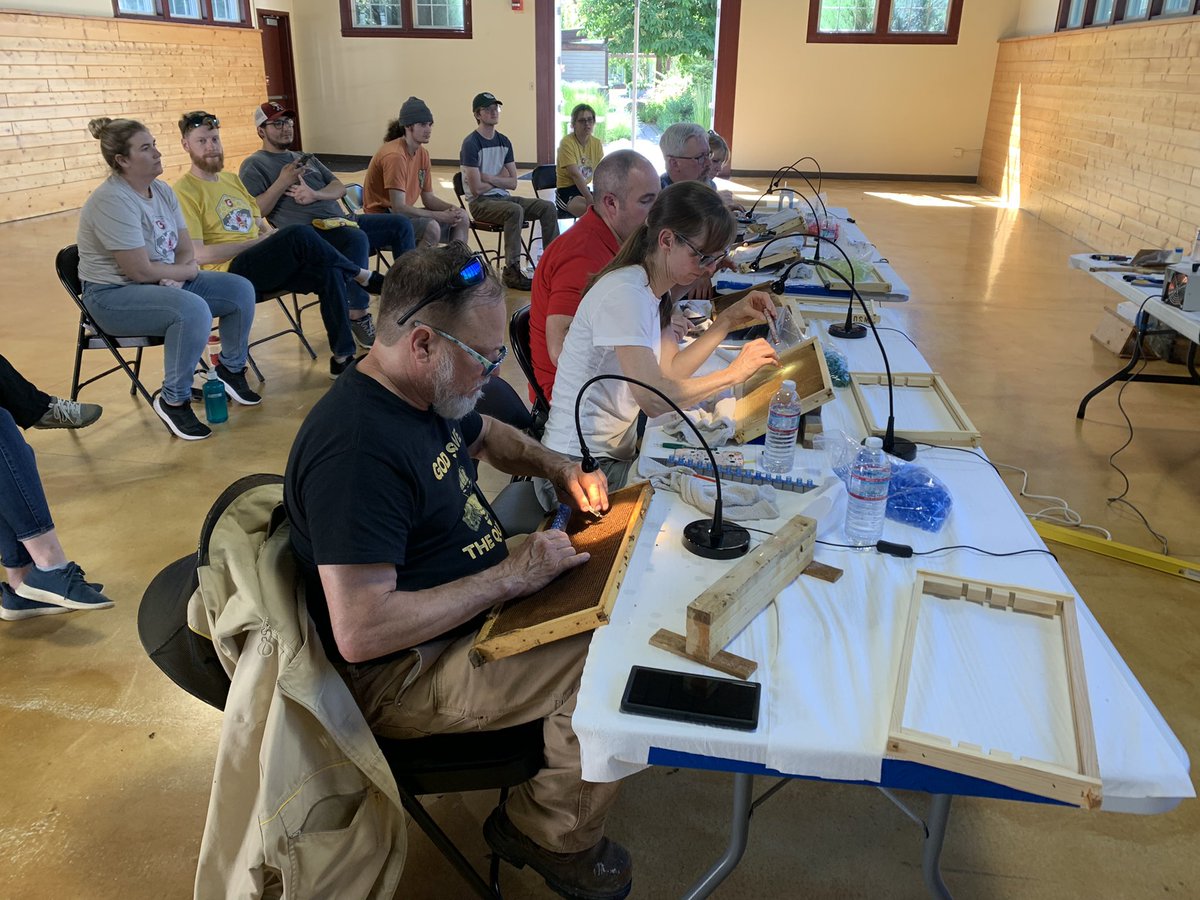
Participants in the WSU Bee Breeding and Queen Rearing Workshop practice grafting (moving bee larvae from the combs in which they were laid into special cups). The “grafts” will be placed in a “ cell builder” beehive where each grafted larva will be raised as a new queen.
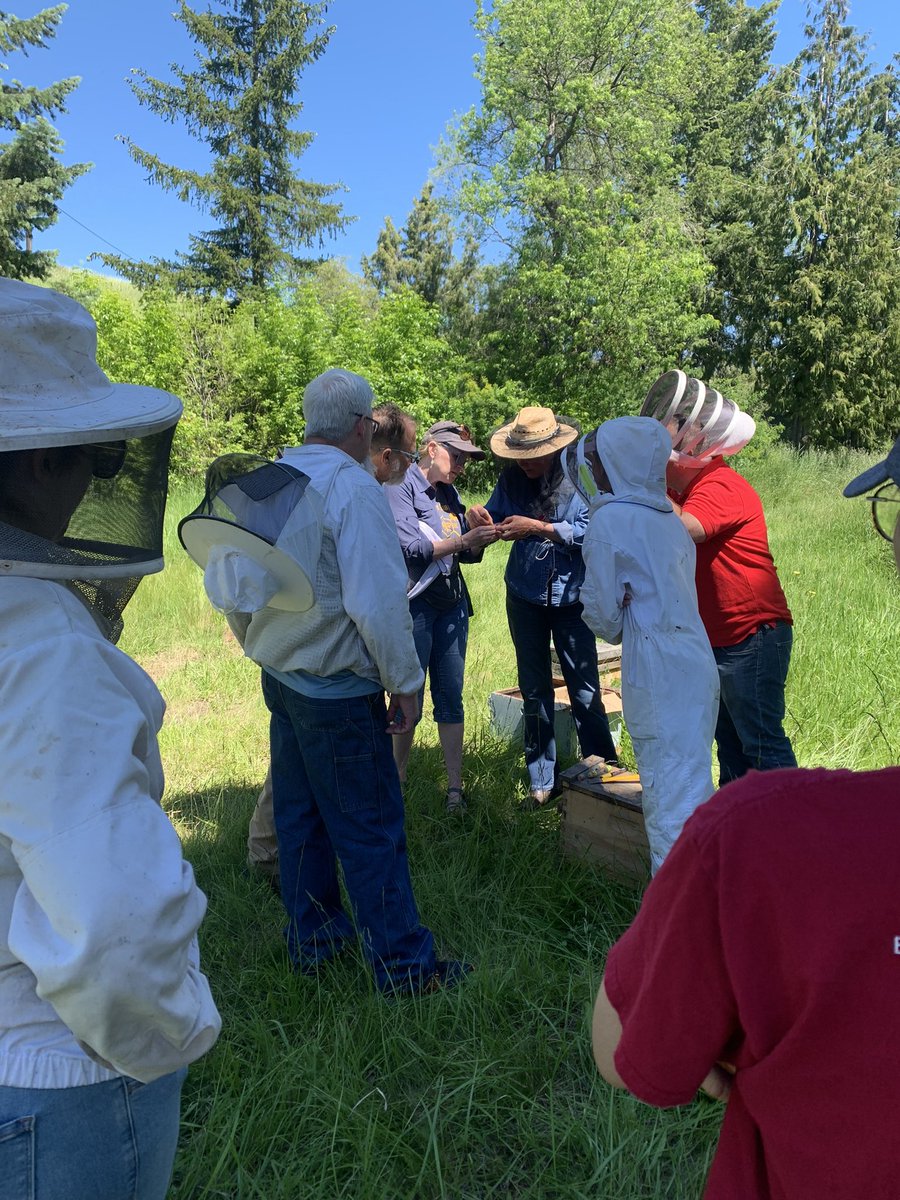
Instructor Susan Cobey demonstrates a method to evaluate queen quality during the field portion of the 2022 WSU Queen Rearing and Bee Breeding Workshop. Participants are primarily beekeepers interested in producing queens selected for their own local conditions. #wsuentomology
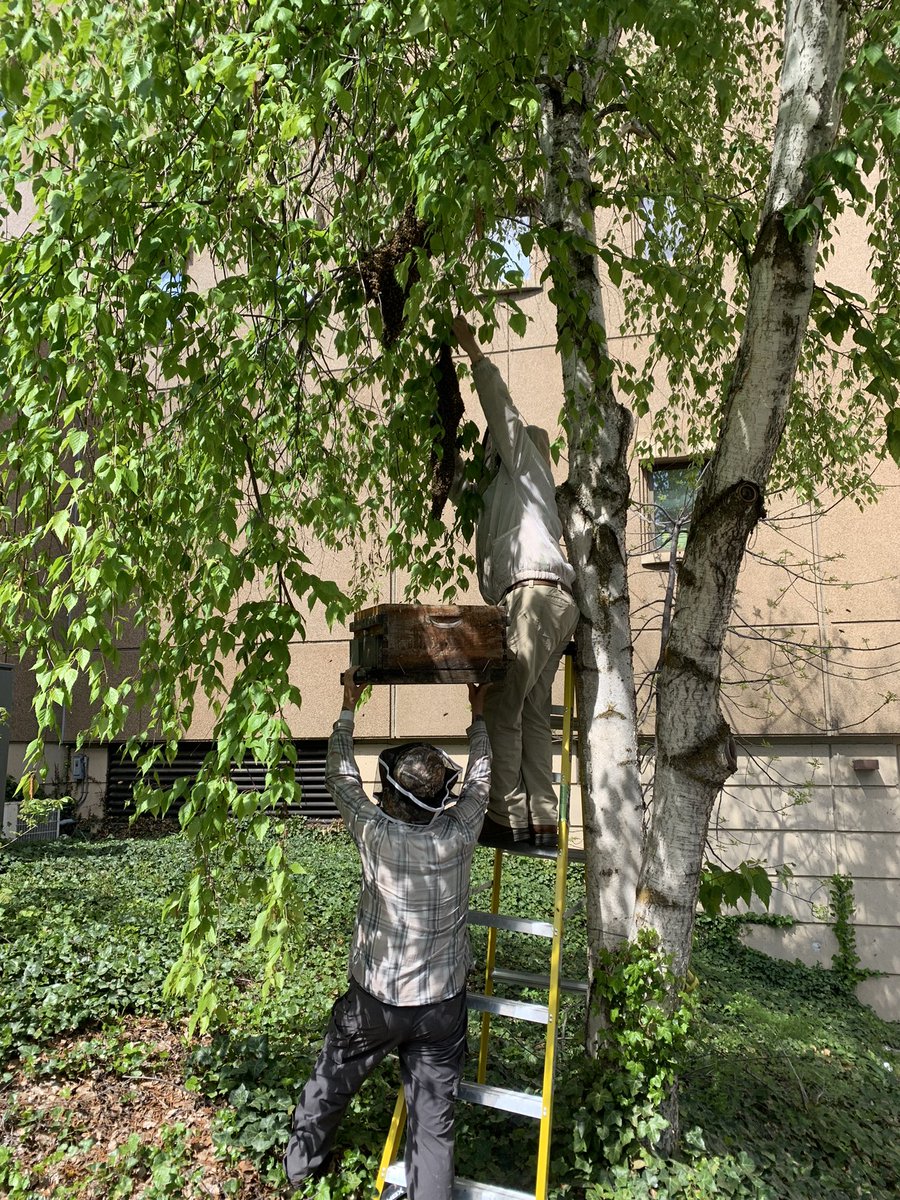
Entomology graduate students Riley Reed and Adam Ware prepare to shake a swarm of honey bees from a branch into a hive. The swarm will be relocated to a university apiary. @wsubees@WSUEntomology
Collections Manager Wanted!!! We're hiring at Washington State University @wsucahnrs.
Come to @WSUEntomology and play a role in shaping one of the largest insect collections in the Pacific Northwest US. https://t.co/md4KeFSk9u
* https://t.co/h6dWYSQ7qo *
Please spread the word
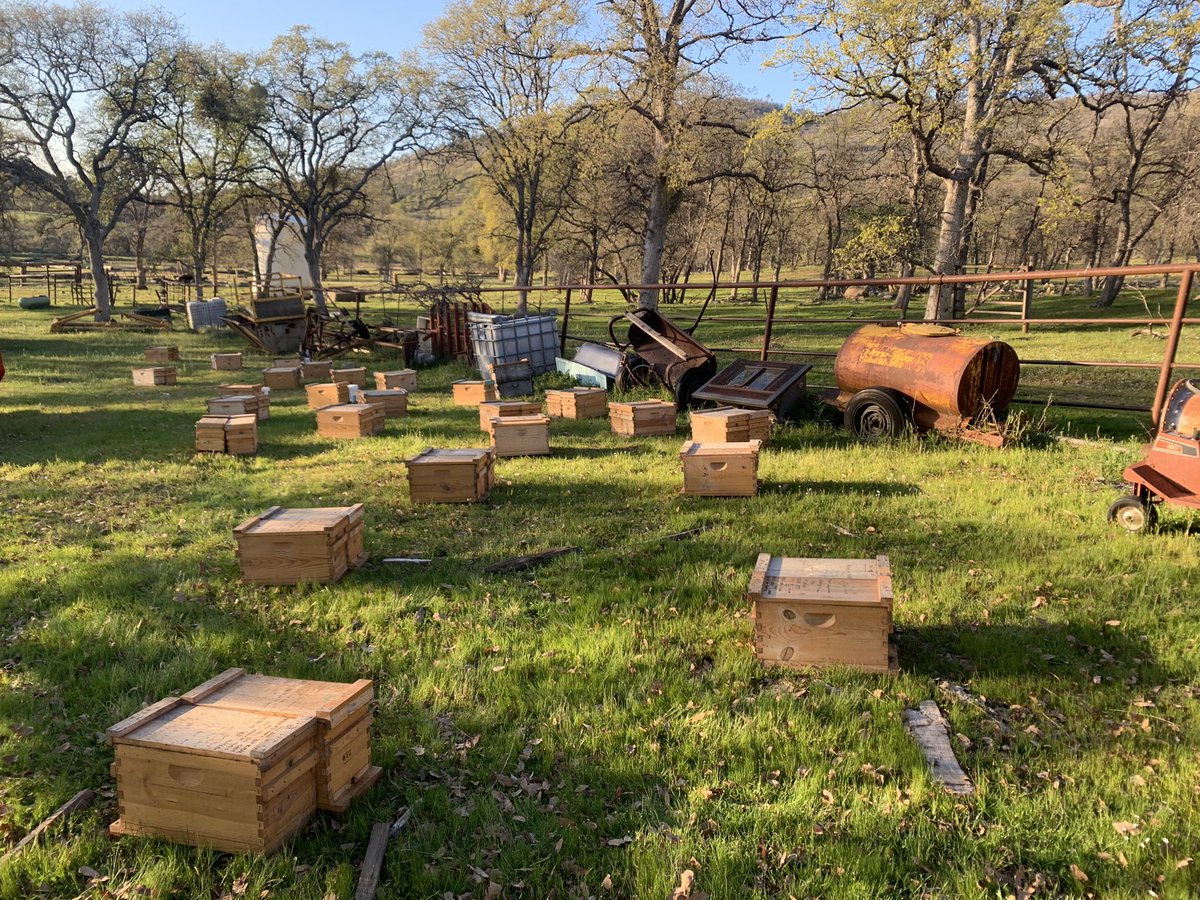
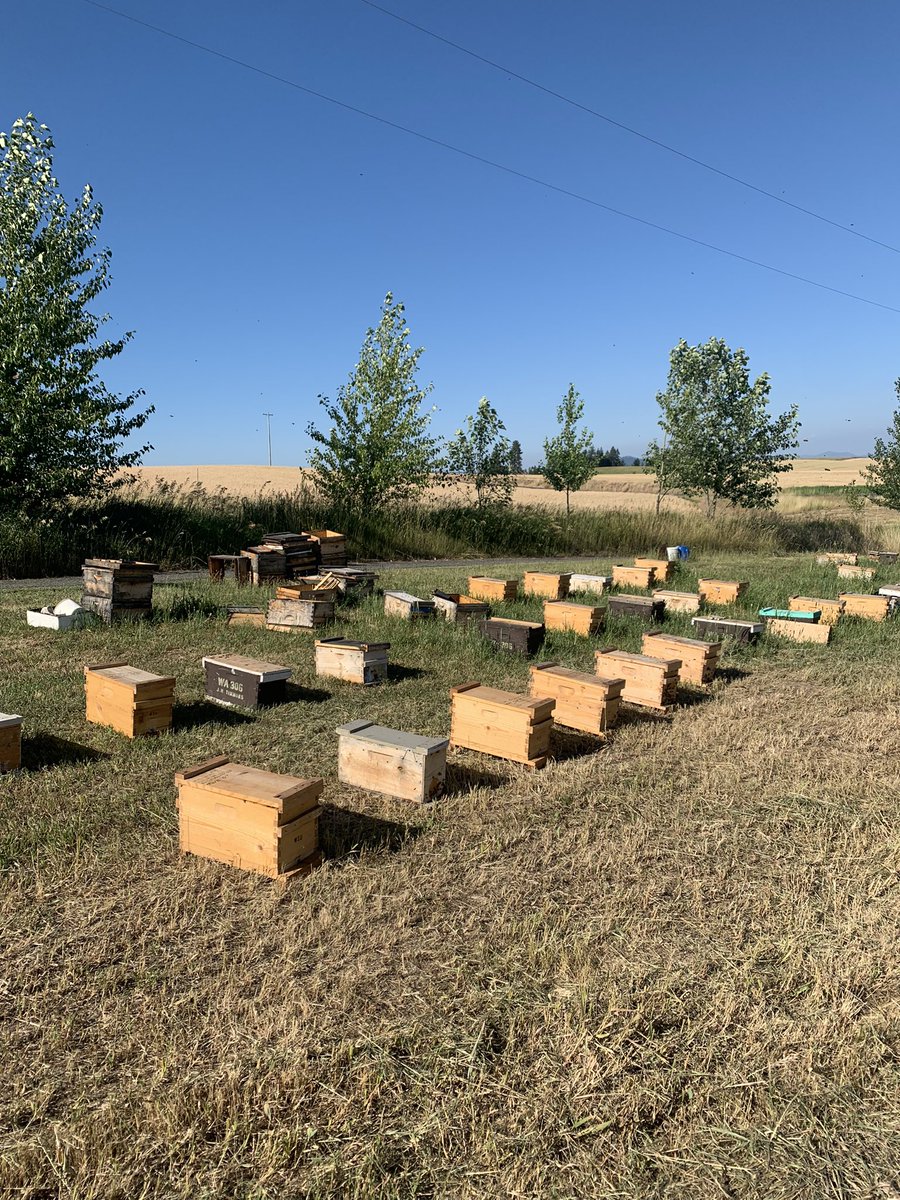
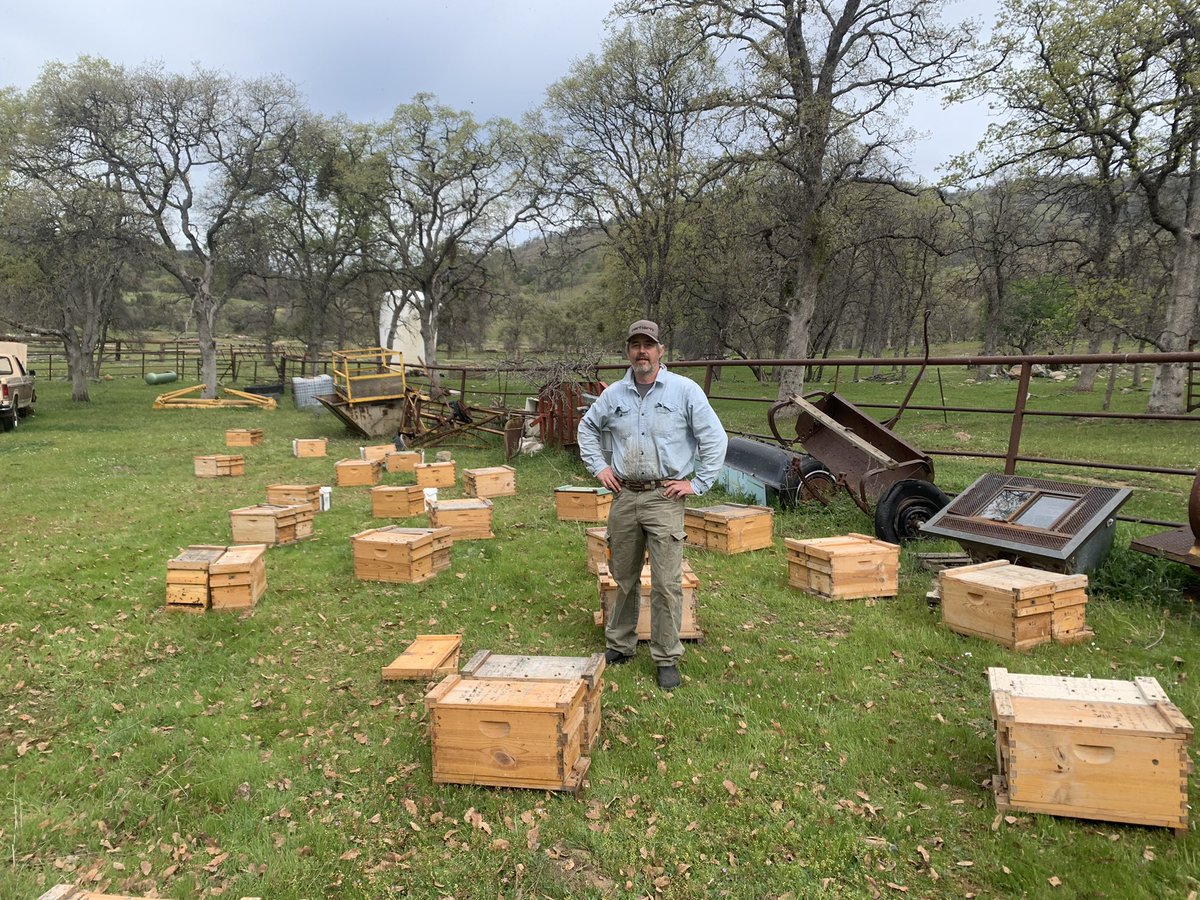
After being moved to an isolated site in the Sierra Nevada foothills, a queen cell is installed into each mating “nuc”. Virgin queens will emerge from the cells and mate in this location. Queen producer Jon Jacob supplied the cells from WSU breeding stock. @WSUEntomology