Tahun 1977, jaman Orde Baru lagi galak-galaknya. Militer rajin bungkam suara kritis, org bisa hilang cuma gara2 ngomong.
Di tengah situasi kayak gitu, ada seniman gila namanya FX Harsono masuk ke Taman Ismail Marzuki bawa ratusan pistol warna pink, bagini ceritnya 👇
A Russian psychologist spent 10 years proving that the act of talking to yourself out loud is one of the most powerful cognitive tools the human brain has, and almost nobody outside his field has read the work.
His name was Lev Vygotsky.
He worked in Moscow in the 1920s and died of tuberculosis in 1934 at the age of 37. He had no laboratory, no funding, almost no English readers, and a body of work that the Soviet government suppressed for two decades after he died.
He produced the foundational theory of how human cognition actually develops, and the central piece of that theory was a behavior almost every adult is faintly embarrassed about.
Vygotsky noticed that young children talk to themselves constantly. They narrate their own actions, they argue with imaginary opponents, they instruct themselves through tasks out loud.
The dominant theory at the time, from the Swiss psychologist Jean Piaget, said this was a sign of cognitive immaturity that children would eventually grow out of as they learned to think properly.
Vygotsky said the exact opposite.
He argued that this self-directed speech was the most important cognitive event in the entire developmental window, because it was the moment a child first started to use language as a tool to control their own mind. The child was not failing to think. The child was learning how to think by externalizing the process and listening to themselves do it.
He predicted that as children matured, this out-loud self-talk would not disappear. It would go underground. It would become silent inner speech, which is the running monologue every adult has inside their own head for the rest of their life.
The voice you hear when you read this sentence is the direct descendant of a four-year-old narrating their own block tower.
For 50 years almost nobody outside Russia had access to his work, and the few researchers who did pick it up could not get funding to test it. Then in the early 2000s the experiments finally started to pile up, and what they found was that Vygotsky had been right about something even more important than he knew.
The first major study came from Gary Lupyan at the University of Wisconsin and Daniel Swingley at the University of Pennsylvania in 2012. They ran a simple visual search experiment. Participants were shown 20 images at once and asked to find a specific object, like a banana or a chair. In one condition they searched silently. In the other condition they were told to say the name of the object out loud to themselves while looking for it.
The participants who spoke the target name out loud found the object significantly faster, with higher accuracy, than the participants who searched in silence. The effect was strongest when the spoken word matched a familiar object the brain already had a strong category for.
Saying the word out loud literally tuned the visual system to detect that thing better. The researchers called it the label feedback effect, and the implication was that the act of vocalizing a goal physically changes how the brain processes the world while pursuing it.
The second major study came out of the University of Michigan and Michigan State in 2017. The lead researchers were Ethan Kross and Jason Moser, and they used both EEG and fMRI to record what happens inside the brain when people talk to themselves while emotionally upset.
They asked participants to recall painful autobiographical memories and reflect on them in two different ways. Some used the first person, saying things like "why am I feeling this way." Others used the third person, referring to themselves by their own name, saying things like "why is John feeling this way."
The brain scans showed that the simple act of switching from first person to third person, even silently, decreased activity in the medial prefrontal cortex, the region responsible for rumination and self-referential pain. Within a single second of using their own name instead of the word I, participants showed measurably lower emotional reactivity. The shift required no extra cognitive effort. It cost the brain nothing. And it worked.
Kross described the mechanism in his interviews. Talking to yourself by name creates a small amount of psychological distance from your own experience. Your brain processes the situation more like a problem belonging to someone else, which means it can analyze it instead of drowning in it.
What Vygotsky had intuited in 1934 turned out to be even more powerful than the developmental theory he built it into. The voice you use to talk to yourself is not background noise. It is one of the most precise cognitive tools the brain has, and you can change how it works just by changing the pronoun you use.
People who talk through problems out loud are not anxious or unstable. They are running an externalized version of a process the rest of us are running silently and worse. The kindergartener narrating their block tower, the surgeon muttering through a procedure, the engineer pacing a hallway describing a bug to nobody, the athlete repeating a cue to themselves before a free throw, they are all using the same ancient mechanism that builds and steers human thought.
You can run the experiment yourself the next time you are stuck on something hard. Stop trying to solve it silently in your head. Say it out loud. Describe what you are seeing. Walk yourself through the steps as if you were explaining it to a colleague who is not in the room.
And when something genuinely upsets you, switch to your own name. Ask why this person is feeling this way, instead of why I am feeling this way.
The voice you have been told to keep quiet your entire life is one of the oldest pieces of cognitive technology you own.
Most people are still embarrassed to use it.
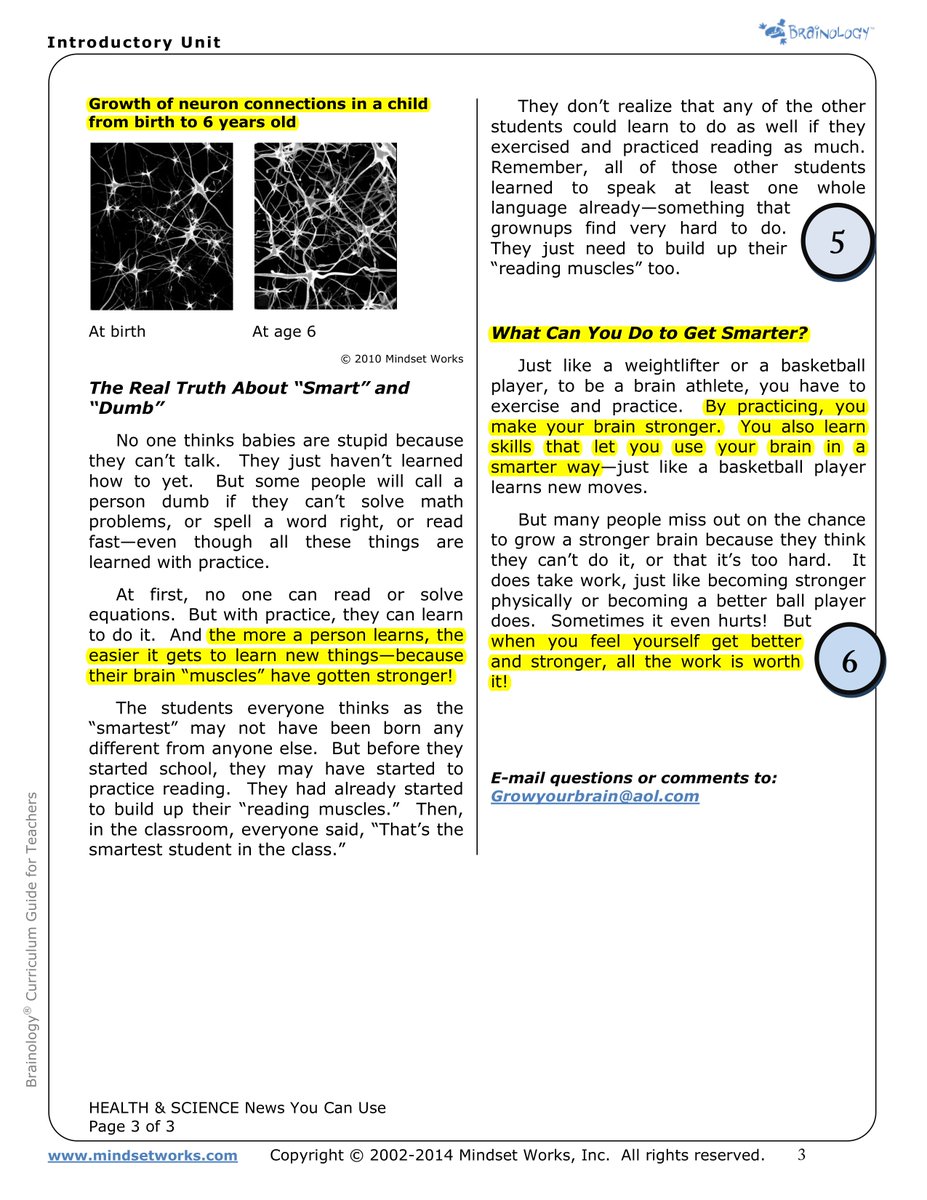
"A person who thinks all the time has nothing to think about except thoughts. So he loses touch with reality, and lives in a world of illusion." - Alan Watts
This quote became a meme. But it's the only real way out of an overthinking rut.
F*ck the balance sometimes. F*ck the perfect discipline.
Go do something unexpected. Take a car to a random part of an island and figure it out when you get there. Start the business everyone says will fail. Stay up until 4am building something just because the idea won't leave you alone. Have awkward social interactions. Just do things without over-analyzing how you did it.
You cannot think your way out of being stuck in your head. You can only 'do' your way out.
The only real measure of intelligence is your ability to manage your own stress. Every day you have a choice to suffer or not, and the way you silence that suffering isn't more thinking. It's doing.
Find beauty in the mundane. Stop talking about your problems and stop replaying them in your head, because all that does is make them bigger.
Zoom out. Have a vision big enough that today's stress feels small.
And accept the fact that maybe things are actually going well. Your life is probably in a far better position than the version of it living in your head.
Scientists shut off the dopamine in some rats and they stopped eating. Food everywhere. They starved in a full cage, not because they hated it. Put sugar on their tongue and they licked their lips. They still liked it. They just lost the drive to go get it.
This is one of the strangest things we know about the brain, and it traces back to a researcher named Kent Berridge at the University of Michigan. Your head runs two different systems. One is wanting, the push that gets you off the couch and moving. The other is liking, the good feeling once you are in it. Dopamine runs the wanting. The enjoyment runs on separate wiring. So you can be sure you will love something and still feel almost no pull to start it.
That is the man in the cartoon, swinging at rock with diamonds all around him. He could see the good stuff. He just could not make himself dig toward it.
Once you see why, the usual story about procrastination stops making sense. We say lazy, or bad with time. Mostly, it is neither. Two psychologists, Fuschia Sirois and Tim Pychyl, argued back in 2013 that it runs on emotion. A task makes you feel something you would rather not feel, even just the small dread of starting, and putting it off makes that feeling vanish on the spot. So you scroll, or you suddenly need to clean the kitchen. Dodging the task is a quick hit of relief, and your brain grabs it. The bill goes straight to future-you, who is left holding the guilt and the deadline.
You can even see it on a brain scan. In 2018, a team in Germany scanned 264 people and matched the scans against how much each person put things off. The big procrastinators had a larger amygdala, the little alarm bell deep in the brain that flags anything risky. They also had a weaker link to the part meant to quiet that alarm and get you moving, a region called the dorsal anterior cingulate cortex. Loud alarm, weak off-switch.
And if this is you, you have plenty of company. A big 2007 review found that 80 to 95 percent of college students procrastinate, that roughly one in five adults does it long-term, and that more than 95 percent of them wish they could quit. Students alone burn about a third of their day on it.
The fix falls out of that same split. If wanting and liking are two different systems, then waiting to "feel like it" is waiting for a bus that may never come. The main treatment for the severe version, called behavioral activation, flips the order. You start first, as small as you can stand, before any motivation shows up. The wanting tends to arrive a few minutes after you begin. The diamonds were there the whole time. You just have to swing the pick before you feel ready.
Guys, ada nama yang menurut gue perlu dibahas lebih serius dari yang selama ini dibahas media.
Letkol Teddy Indra Wijaya.
Sekretaris Kabinet.
Bukan menteri.
Bukan jenderal bintang empat.
Tapi dalam konteks kebebasan pers dan kontrol informasi di pemerintahan Prabowo dia adalah satu nama yang paling banyak disebut oleh para jurnalis yang berbicara di balik anonimitas.
Apa yang terjadi di bencana Sumatra
dan di mana Teddy masuk:
Akhir November 2025.
Banjir dan longsor menghantam Aceh, Sumatera Utara, dan Sumatera Barat.
BMKG sudah memberikan peringatan
delapan hari sebelumnya.
Tidak ada rapat darurat.
Tidak ada langkah antisipasi dari pemerintah pusat.
Saat bencana meluas Prabowo tetap menjalani agenda seperti biasa.
Rapat soal koperasi.
Ketemu Menteri Kelautan.
Menerima Ratu Belanda.
Baru di tanggal 27 November setelah 72 orang meninggal dan 54 orang hilang rapat penanganan bencana digelar.
Dan per Januari 2026, korban tercatat 1.199 orang meninggal dan 114 orang hilang.
Di tengah semua itu ada wartawan bernama Rina yang dikirim liputan ke Aceh.
Lebih dari tiga minggu di lapangan.
Dia melihat beras menumpuk di posko tapi tidak disalurkan.
Seorang pria yang istrinya harus diamputasi tapi tidak bisa karena tidak ada alat.
Orang-orang yang mengaku sudah siap bunuh diri karena tidak kuat lagi.
Rina melakukan siaran langsung.
Dia tumpahkan semua yang dia lihat.
Dan Teddy Indra Wijaya Sekretaris Kabinet
menonton siaran itu dari Jakarta.
Lalu Teddy menghubungi pemilik media tempat Rina bekerja. Mengamuk.
Dan meminta pemimpin redaksi media itu diganti.
Bukan insiden tunggal ini pola:
Wartawan lain bernama Indira yang dikirim ke Padang mengalami hal serupa.
Setelah dia melapor bahwa bantuan belum datang dan pemerintah belum terlihat atasannya langsung menelepon.
"Next, jangan sebut kalau belum ada bantuan masuk, ya."
"Tapi memang belum ada bantuan.
Faktanya begitu."
"Cerita soal dampaknya aja.
Tapi jangan kasih tahu kalau bantuan belum masuk."
Indira akhirnya siaran langsung di depan sebuah ekskavator yang membersihkan sisa longsor bukan karena ada kemajuan nyata, tapi karena itu satu-satunya hal yang bisa terlihat seperti "pemerintah bekerja."
"Maksa banget," kata Indira.
Teddy dan pola Orde Baru yang sangat familiar:
Project Multatuli yang menginvestigasi ini menarik perbandingan yang sangat tepat dan sangat tidak nyaman.
Di era Orde Baru tidak ada larangan tertulis soal apa yang boleh dan tidak boleh diberitakan.
Yang ada adalah telepon.
Pejabat atau perwira militer tertentu menelepon petinggi redaksi untuk memberi arahan, teguran, atau larangan atas isu tertentu.
Tidak perlu SK.
Tidak perlu aturan resmi.
Cukup satu telepon dari orang yang tepat dan seluruh redaksi paham apa yang harus dilakukan.
Apa yang dilakukan Teddy?
Persis sama.
Menelepon pemilik media.
Mengamuk.
Meminta pemred diganti.
Tanpa surat resmi.
Tanpa proses hukum.
Cukup satu telepon.
Yang paling ironis Teddy adalah simbol harapan yang berubah menjadi simbol yang lain:
Banyak yang dulu berharap besar pada sosok militer muda yang masuk lingkaran dalam Prabowo.
Ada harapan bahwa generasi baru perwira akan membawa cara kerja yang berbeda.
Lebih profesional.
Lebih terukur.
Yang kita saksikan sekarang adalah seseorang yang menggunakan posisinya sebagai Sekretaris Kabinet posisi administratif,
bukan posisi keamanan untuk mengontrol arus informasi tentang kegagalan pemerintah dalam menangani bencana.
Bukan mengontrol berita palsu.
Bukan melawan disinformasi.
Tapi meminta media tidak memberitakan bahwa bantuan bencana belum datang saat bantuan memang belum datang.
Dan Teddy tidak merespons pertanyaan dari Project Multatuli:
Pertanyaan dikirim ke nomor pribadinya dan ke email resmi humas Setkab.
Tidak ada respons sampai artikel diterbitkan.
Tidak ada klarifikasi.
Tidak ada bantahan.
Hanya diam.
Ketika seorang Sekretaris Kabinet bisa menelepon pemilik media dan meminta pemimpin redaksi diganti hanya karena wartawannya melapor bahwa bantuan bencana belum datang itu bukan soal satu orang yang arogan.
Itu adalah sistem yang memang dirancang untuk memastikan bahwa rakyat hanya mendengar apa yang penguasa mau mereka dengar.
Dan sistem seperti itu pernah kita kenal.
Namanya Orde Baru.
Dan kita butuh 32 tahun untuk keluar dari sana.
⚠️ Disclaimer: Berdasarkan investigasi Project Multatuli dalam serial Dead Press Society. Semua nama wartawan disamarkan untuk melindungi sumber. Teddy Indra Wijaya tidak merespons pertanyaan yang diajukan sampai artikel diterbitkan.
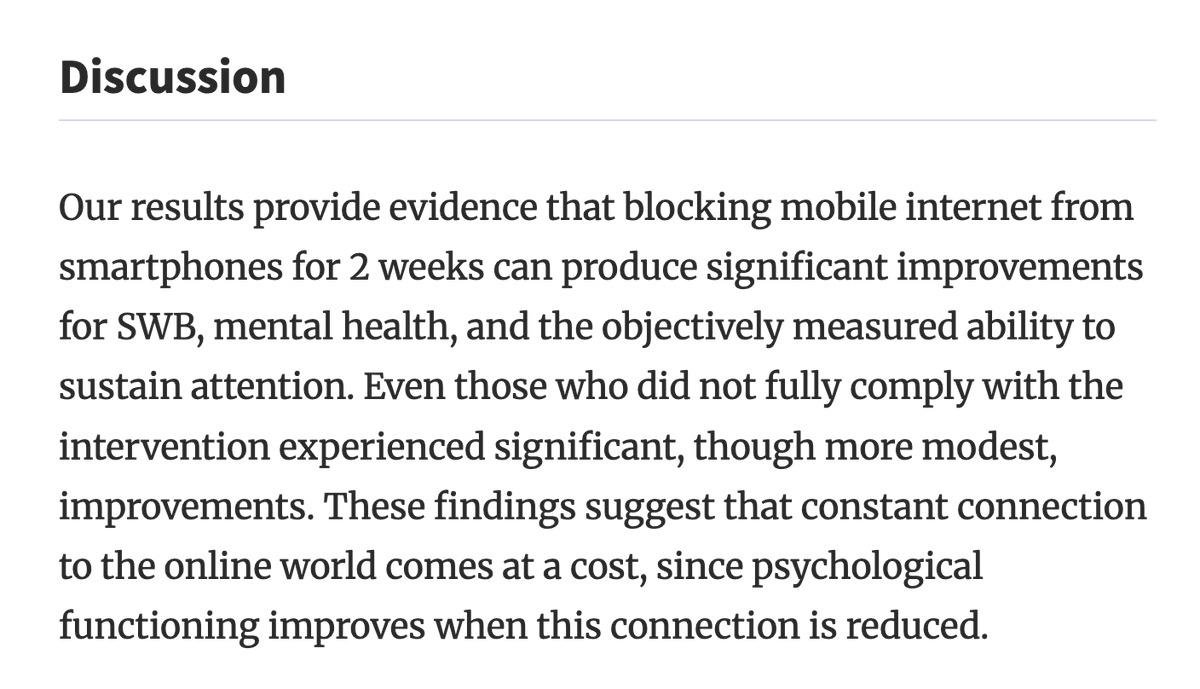
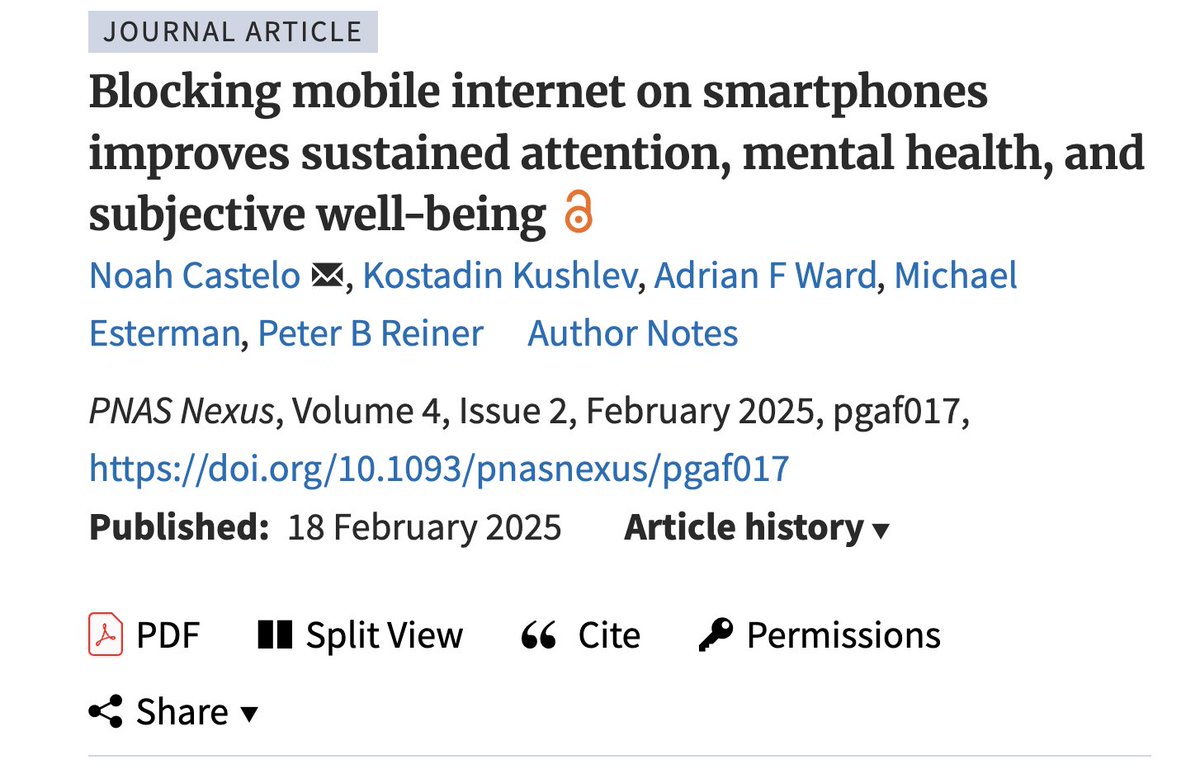
In adults, limiting smartphone functionality to texting and calls and blocking all social media and mobile internet for 2 weeks significantly improved attention, self-reported well-being and mental health. 90% of participants experienced a benefit.
Gw mau ngomel agak panjang. Monggo dibaca.
Dalam supply-demand, ketika supply naik, harga jadi turun.
Hal yang sama terjadi pada IPK tinggi dan cum laude.
Kalau semua orang cum laude, maka cum laude berhenti jadi istimewa.
Ketika terlalu banyak lulusan berpredikat cum laude, nilai IPK sebagai sinyal kualitas jadi turun "marwah"-nya.
Gw pernah liat wisuda suatu kampus, rektornya dengan bangga mengumumkan rata-rata IPK adalah 3,65.
Peserta sidang wisuda tepuk tangan.
Gw bingung karena implikasinya jadi ada beberapa kemungkinan:
1. >50% mahasiswanya pintar sekali
2. Kurikulumnya super mudah
3. Dosen2nya mengamalkan hadits "Barangsiapa memudahkan urusan orang lain yang sedang kesulitan, Allah akan memudahkan urusannya di dunia dan akhirat" di dunia perkuliahan alias Dosen Bonus
Fenomena ini ga langka, malah cukup aman disebut "jamak", yaitu: Fenomena "false signalling"
Semua orang tampak unggul di transkrip, tapi memble saat uji kompetensi di dunia nyata.
Sama halnya di level wajib belajar 12 Tahun. Mulai jarang gw dengar cerita anak tidak naik kelas. Tapi justru makin sering terdengar berita anak SMA tidak bisa perkalian dasar.
Balik lagi ke soal IPK.
Kalau terlalu banyak orang cum laude, predikat itu berhenti jadi istimewa. Nilai IPK sebagai sebuah indikator sinyal : disiplin, kualitas kognitif, dan pencapaian akademik, jadi turun nilainya.
Market akhirnya mencari sinyal lain yang relevan: portofolio, sertifikasi, prestasi, pengalaman, atau balik lagi dari mana kampus asalnya.
Gw gatau bagaimana cara mengakhiri omelan ini, masih panjang sebenernya. Dan gw pun enggak tau solusinya mulai dari mana. Tapi gw cuma mau bilang:
"Ketika sistem pendidikan berhenti menjadi juri yang jujur, Market menghukum dengan berhenti percaya"
[Omelan ini terinspirasi setelah baca tulisan Guru Besar UGM Eduardus Tandelilin di bawah ini]
The universe will make sure you'll win if you just believe in yourself. Universe doesn’t reward talent, luck, or intelligence first , it rewards the one who believe in themselves. let me remind you every good thing that you have in your life came after you decided to believe in it. even when nothing seems to be working. even when it feels quiet. even when your faith starts to shake a little. keep believing. keep visualizing. Keep showing up like it's already yours. Universe moves in silence before it reveals its magic. what you can't see is still unfolding. what feels delayed is simply on its right time. your belief is the bridge between where you are and where you're meant to be. Hold the vision a little longer cause It's already on its way to you. Manifest the sh!t out of it!!!









![txtdaritaxpayer's tweet photo. Gw mau ngomel agak panjang. Monggo dibaca.
Dalam supply-demand, ketika supply naik, harga jadi turun.
Hal yang sama terjadi pada IPK tinggi dan cum laude.
Kalau semua orang cum laude, maka cum laude berhenti jadi istimewa.
Ketika terlalu banyak lulusan berpredikat cum laude, nilai IPK sebagai sinyal kualitas jadi turun "marwah"-nya.
Gw pernah liat wisuda suatu kampus, rektornya dengan bangga mengumumkan rata-rata IPK adalah 3,65.
Peserta sidang wisuda tepuk tangan.
Gw bingung karena implikasinya jadi ada beberapa kemungkinan:
1. >50% mahasiswanya pintar sekali
2. Kurikulumnya super mudah
3. Dosen2nya mengamalkan hadits "Barangsiapa memudahkan urusan orang lain yang sedang kesulitan, Allah akan memudahkan urusannya di dunia dan akhirat" di dunia perkuliahan alias Dosen Bonus
Fenomena ini ga langka, malah cukup aman disebut "jamak", yaitu: Fenomena "false signalling"
Semua orang tampak unggul di transkrip, tapi memble saat uji kompetensi di dunia nyata.
Sama halnya di level wajib belajar 12 Tahun. Mulai jarang gw dengar cerita anak tidak naik kelas. Tapi justru makin sering terdengar berita anak SMA tidak bisa perkalian dasar.
Balik lagi ke soal IPK.
Kalau terlalu banyak orang cum laude, predikat itu berhenti jadi istimewa. Nilai IPK sebagai sebuah indikator sinyal : disiplin, kualitas kognitif, dan pencapaian akademik, jadi turun nilainya.
Market akhirnya mencari sinyal lain yang relevan: portofolio, sertifikasi, prestasi, pengalaman, atau balik lagi dari mana kampus asalnya.
Gw gatau bagaimana cara mengakhiri omelan ini, masih panjang sebenernya. Dan gw pun enggak tau solusinya mulai dari mana. Tapi gw cuma mau bilang:
"Ketika sistem pendidikan berhenti menjadi juri yang jujur, Market menghukum dengan berhenti percaya"
[Omelan ini terinspirasi setelah baca tulisan Guru Besar UGM Eduardus Tandelilin di bawah ini]](https://pbs.twimg.com/media/HHeMPfPbcAALYuf.jpg)