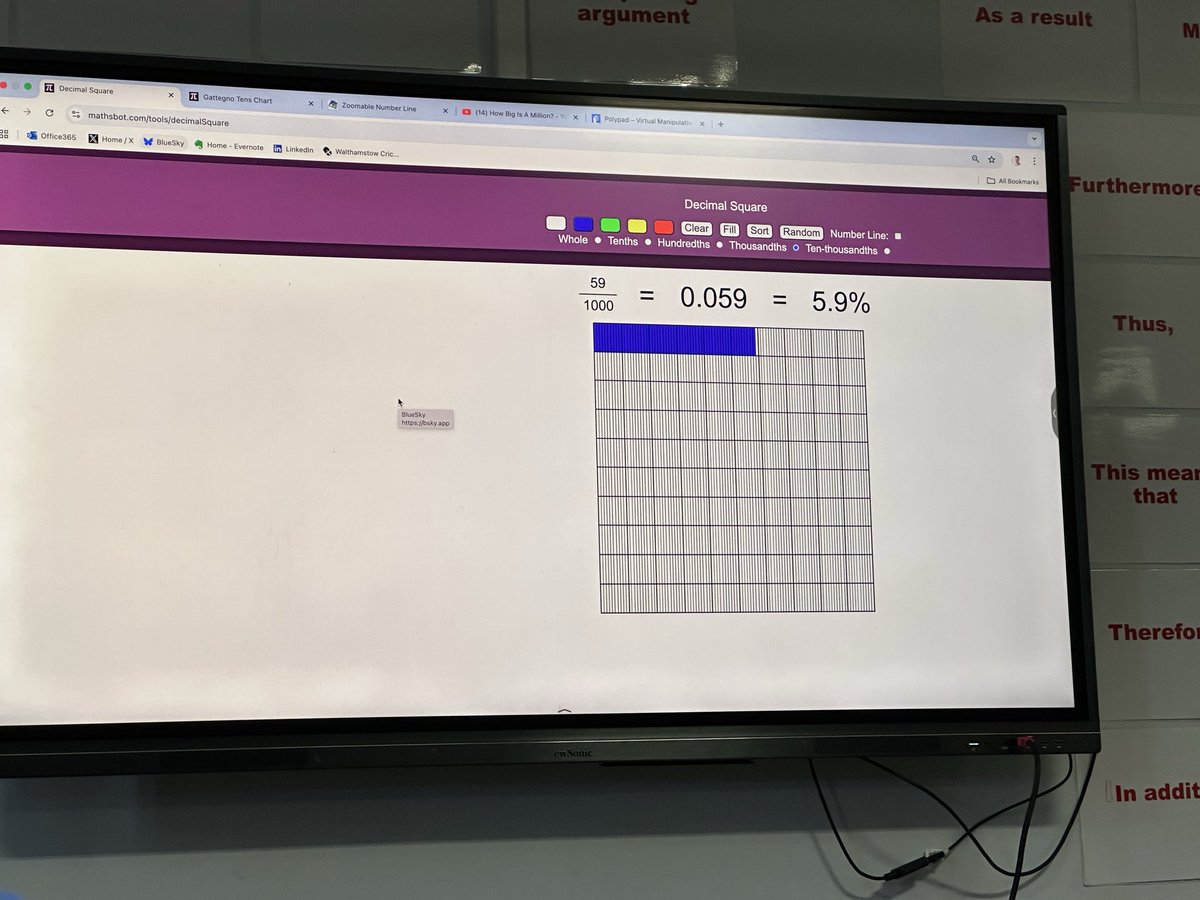
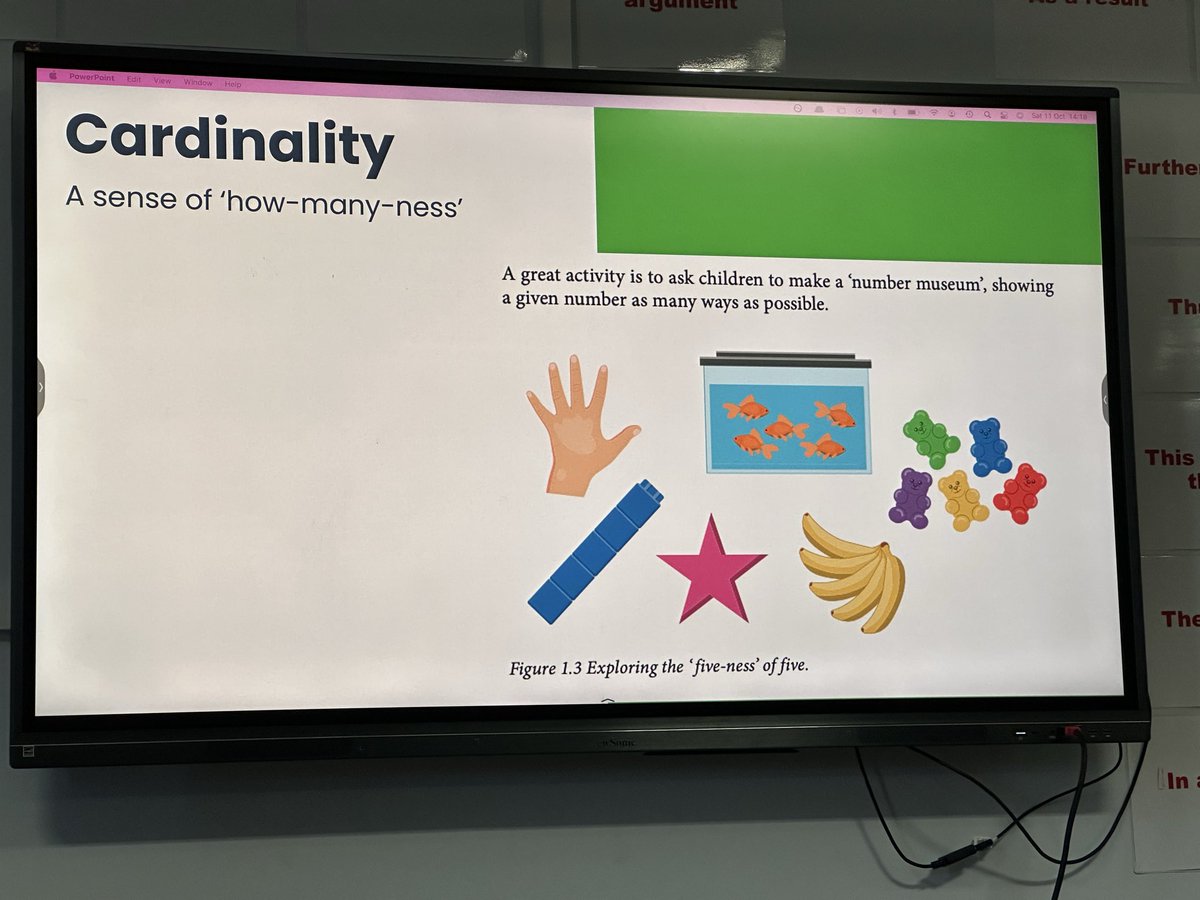
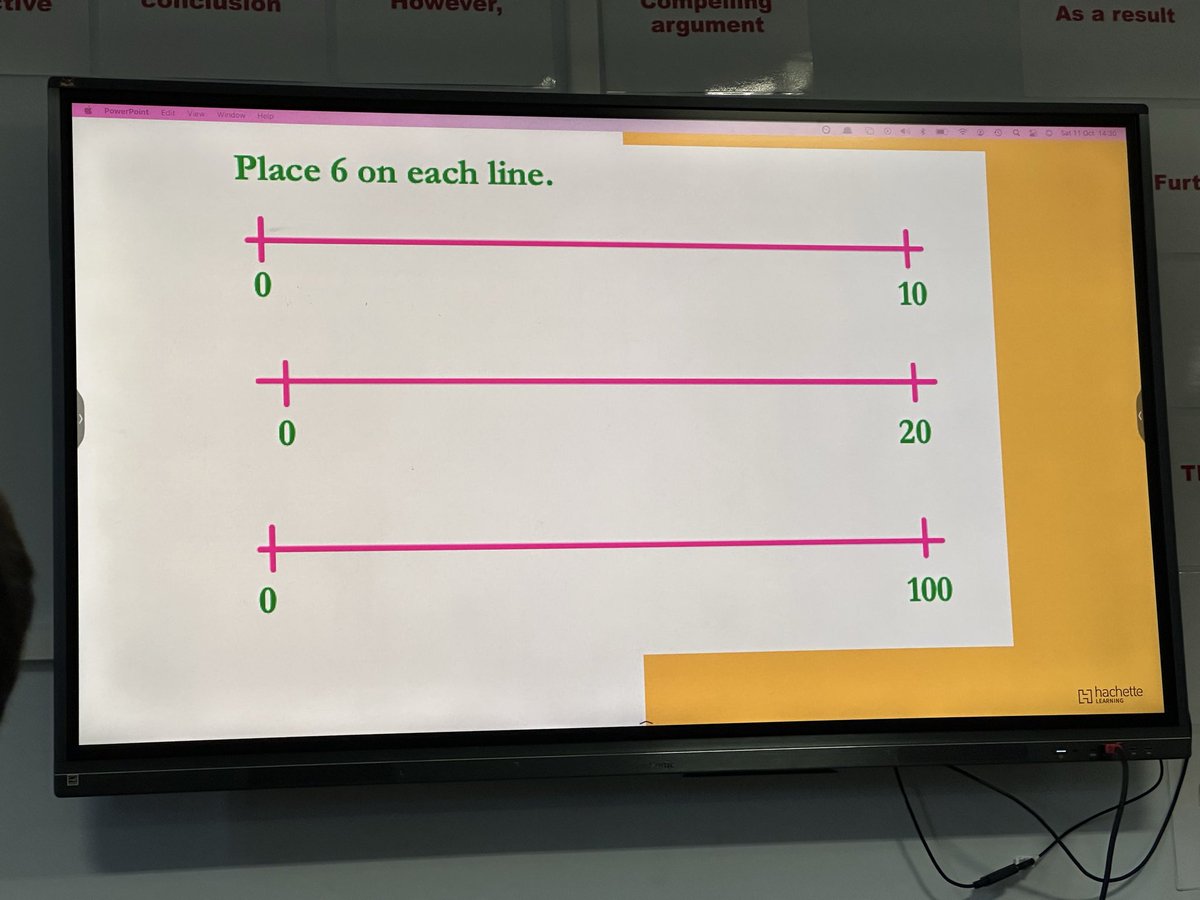
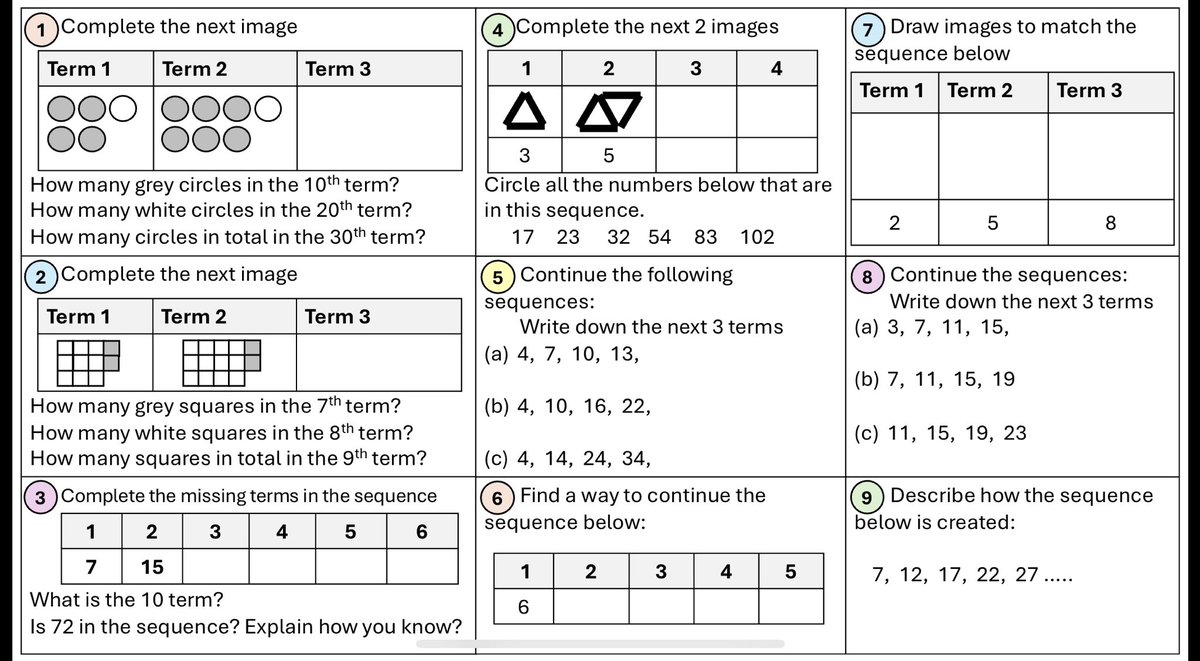
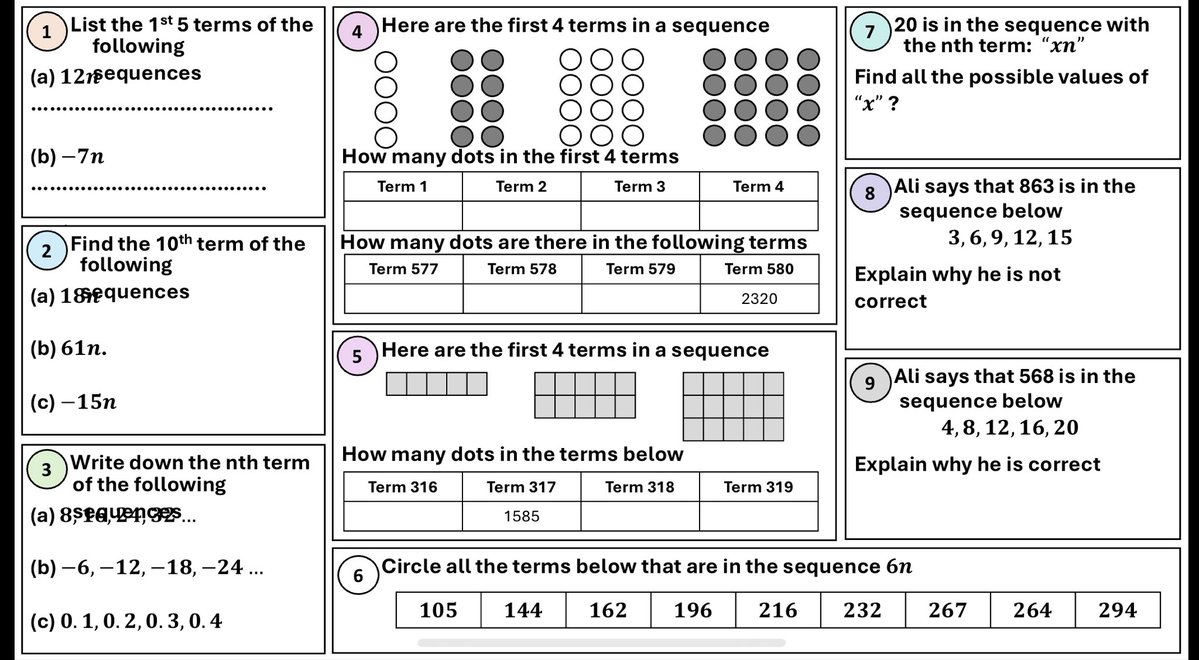
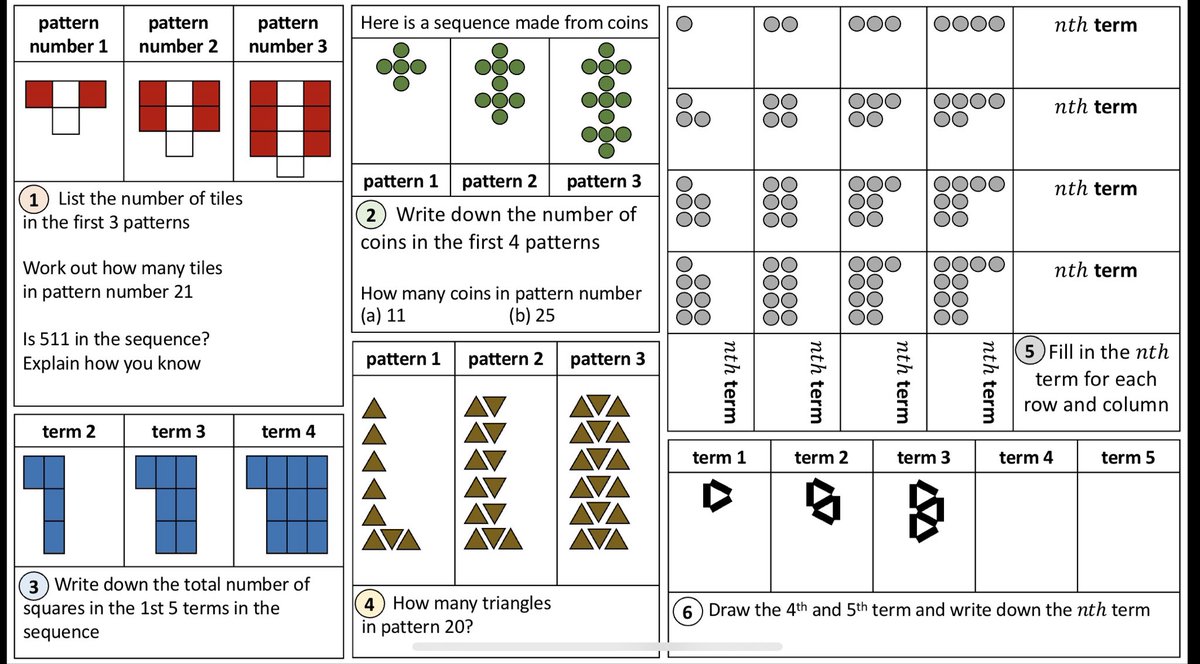
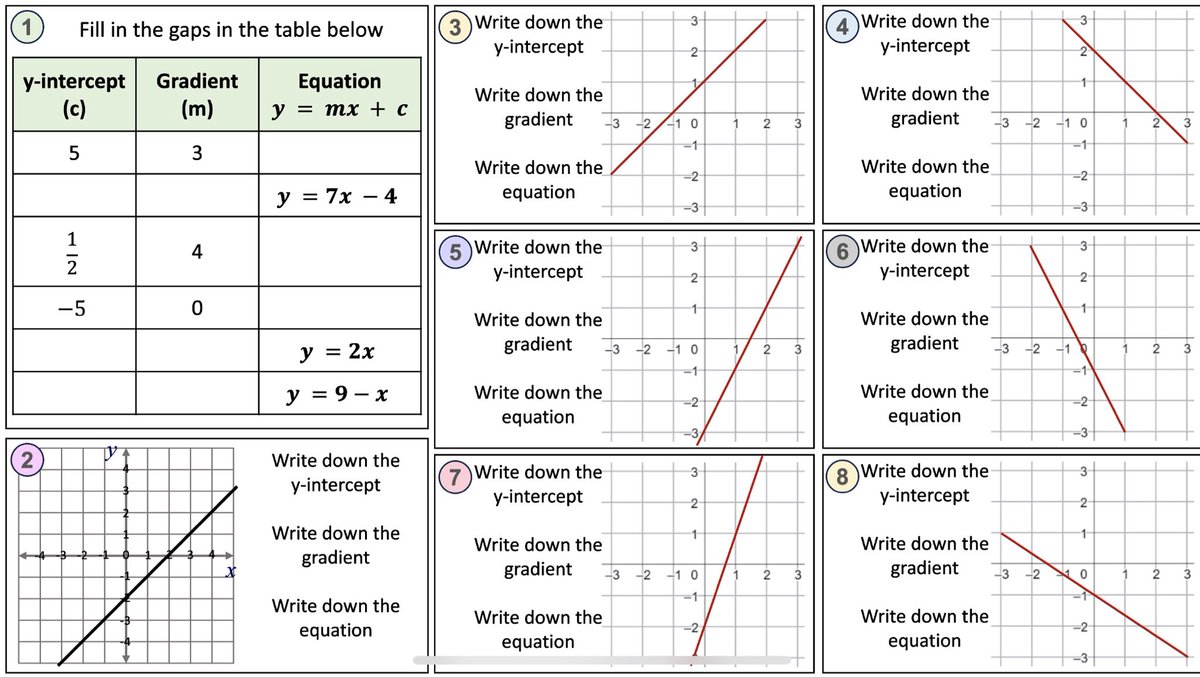
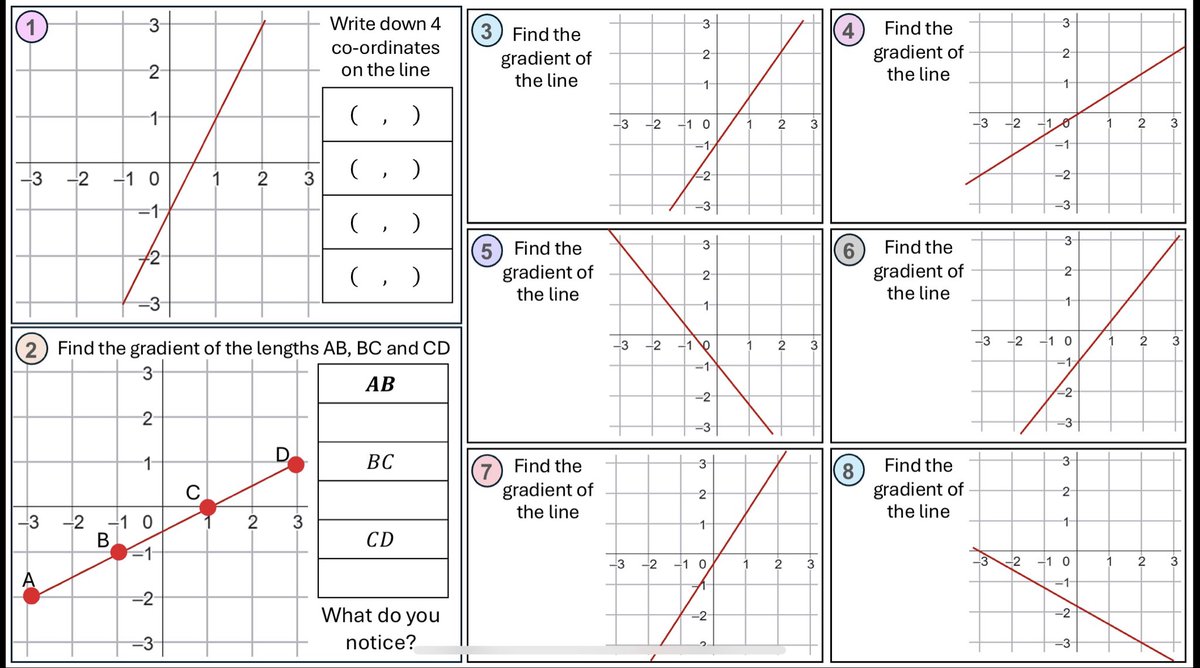
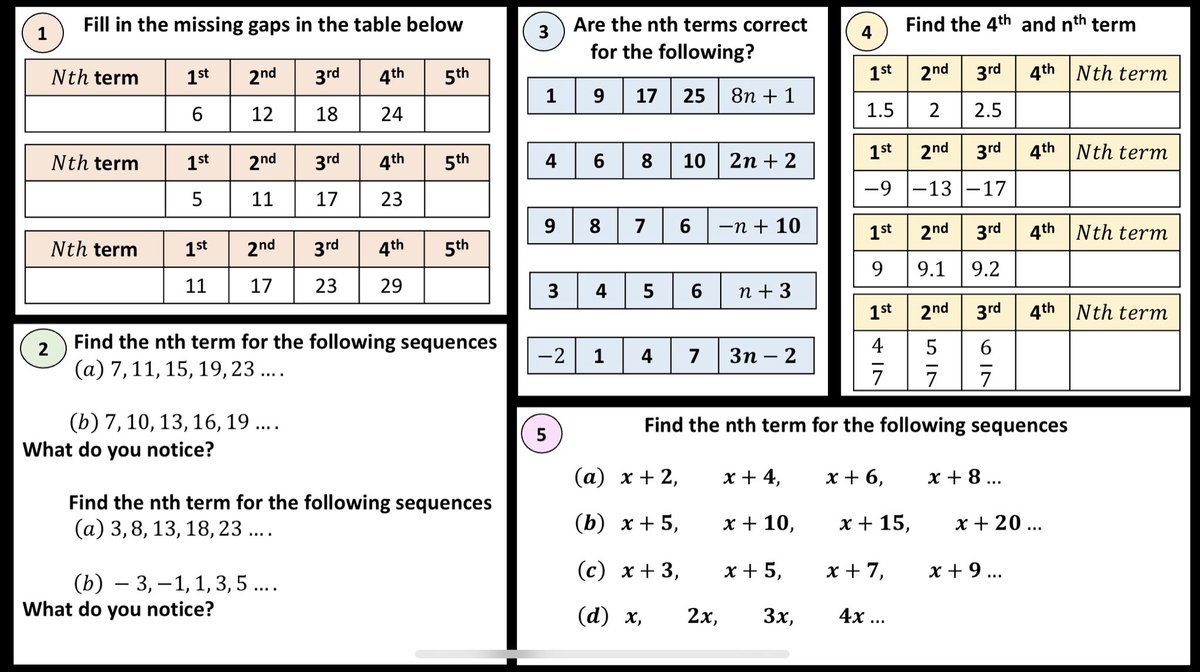
Other changes to https://t.co/V39zQjlgdv today
- The Balance Scale is a lot better.
- The timer is improved!
- New lessons on straight line graphs!
- A warning on the lesson library when a lesson requires you to print
- Improved the lesson on solving equations with brackets.
Some online resources are great, but I often found they ‘talk’ too much. Too much description. Too many explanations that are revealed in clicking and animations rather than me explaining. That’s why I built https://t.co/V39zQjlgdv. Maths lessons that get out of the way.
@HealingAcademy1@MrGoodwin23 Wonderful!! It's an EXCELLENT book! Thanks to @MrGoodwin23
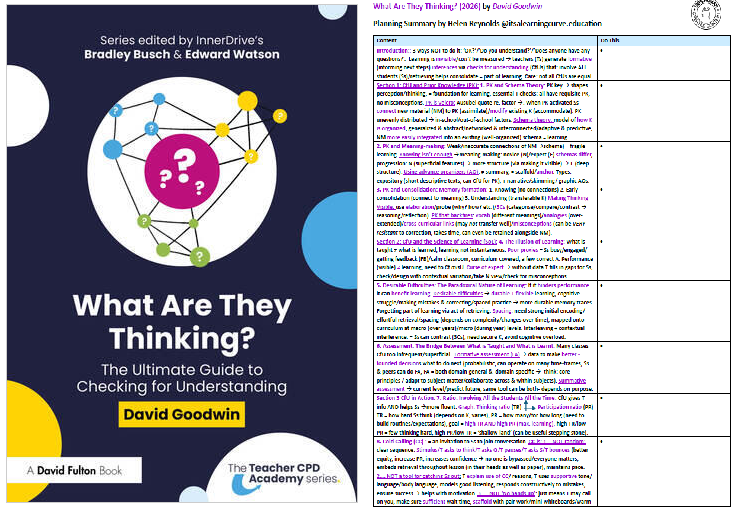
Summaries here, including one you could use for CPD by filling in goals/thoughts:
https://t.co/Q7Gsa6uLV9
In this week’s episode of The Amol Rajan Connection: @daisychristo on how we’re messing up Education; the danger of the Stupidogenic Society; what technology does to our minds; long-term vs working memory; and how AI affects what children should learn. Out now on YouTube, Spotify, Apple Podcasts and Amazon Music.
The idea of “Zero Pairs” crops up in a range of topics involving number and algebra. Here are a few examples.
Where else do they appear?
https://t.co/8B1JTsHjiw
“The discovery illusion persists precisely because its surface-level manifestations - engaged students, hands-on activity, apparent effort - provide compelling theatre that masks the cognitive reality beneath.”
Compelling theatre.
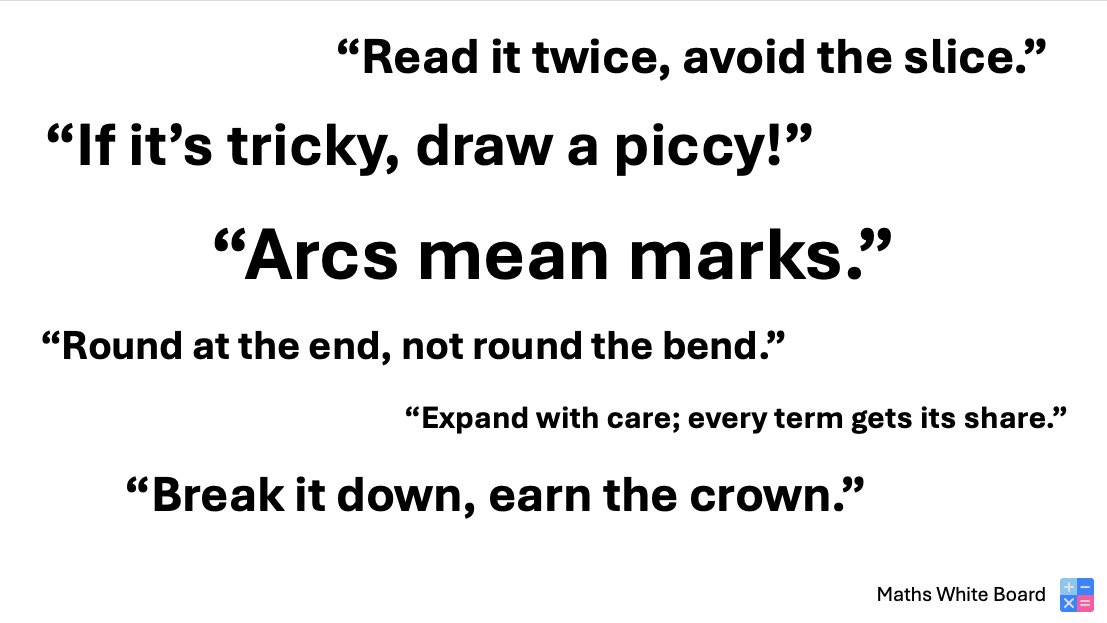
Ever since Tom Dean’s killer presentation at @ThePiXLNetwork Maths conf on Tuesday, I’ve been obsessed with those sticky math mantras that make exam answers pop!
What’s missing? Share your memorable nuggets of wisdom for crushing questions.
#ExamTips 🚀 @mathsjem
We are stacking a new habit - Bookmark Mondays. Over the week (like many I guess) we save lots of posts that we want to return to or explore in more detail. Like this amazing resources from @MrGoodwin23 and @teacherhead which we have come back to, through our bookmarks, and will share as the feature CPD snack on our whole school Monday briefing today.
@JamesClear
Little bit of maths each day calendars return for Christmas. Ideal "Christmas Present" for Y11 students to get them to do some regular practice over the holidays. Download calendars and solutions free from https://t.co/FIenP80L0y
#gcsemaths#mathematics#revisemaths#edutwitter
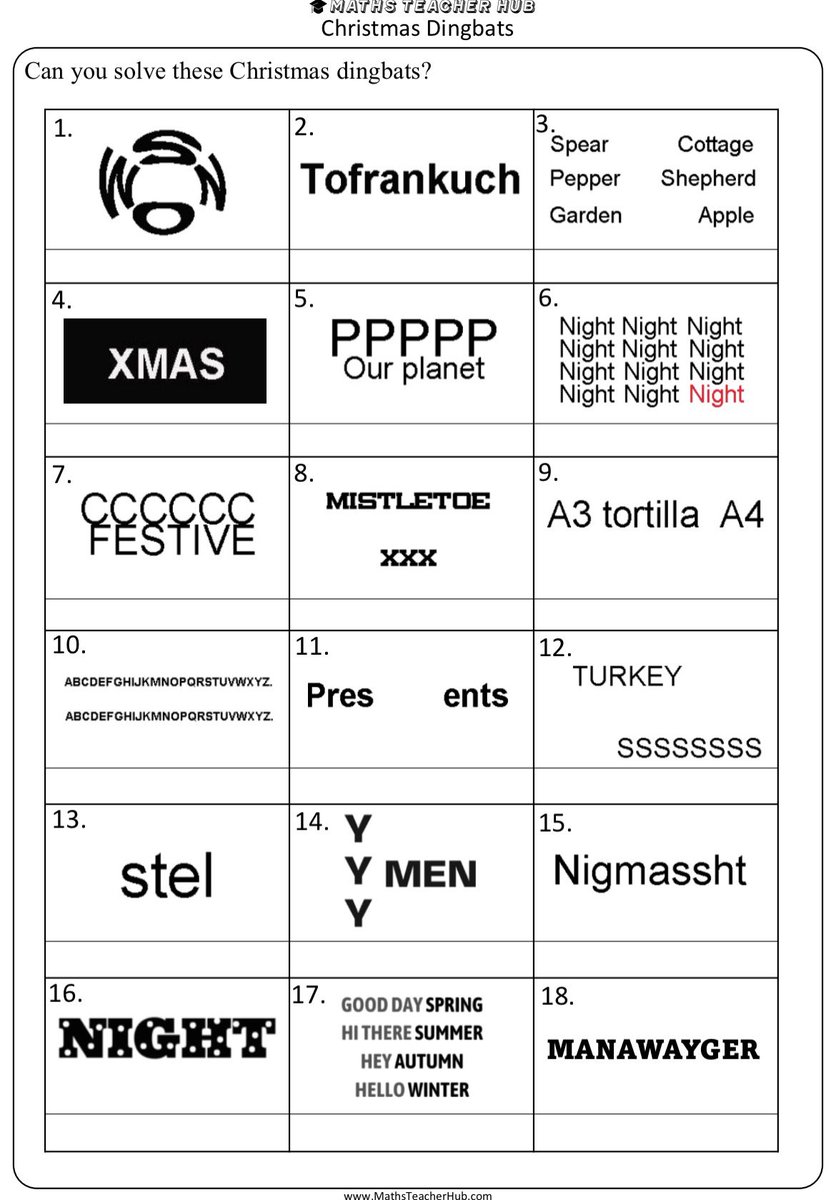
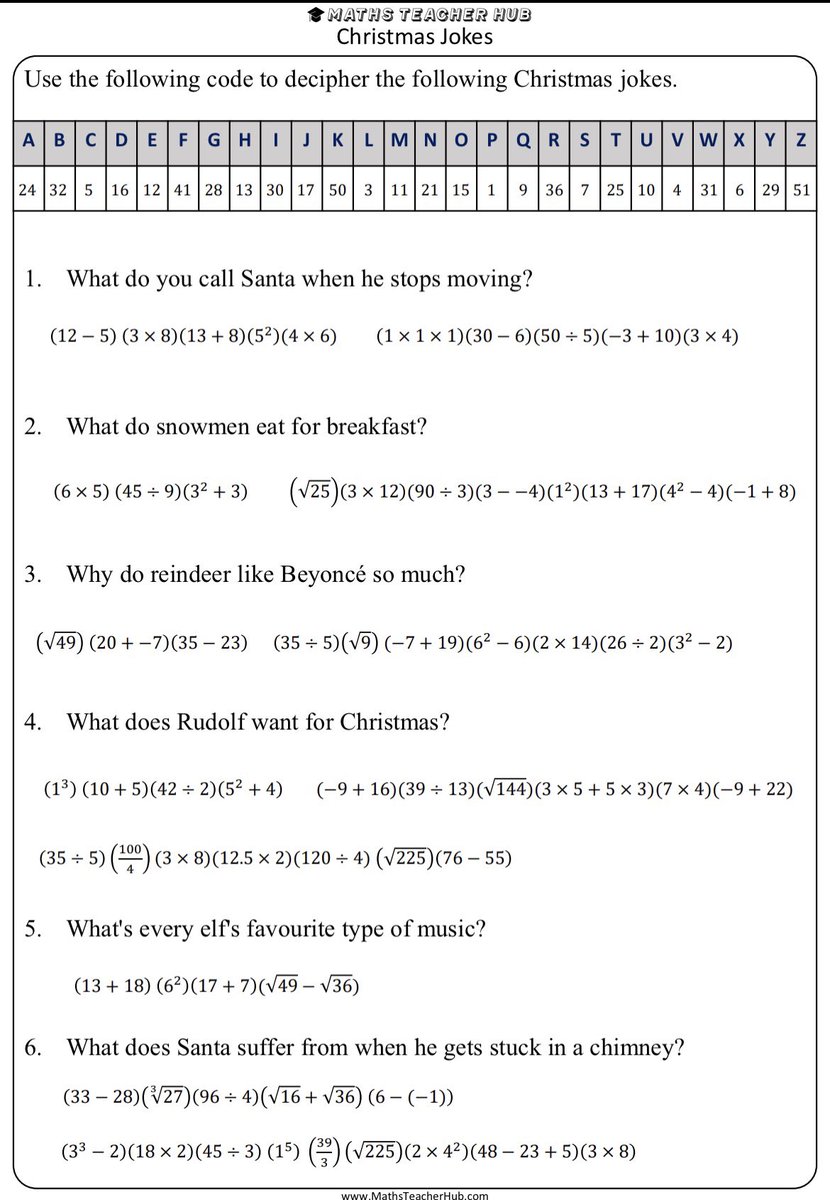
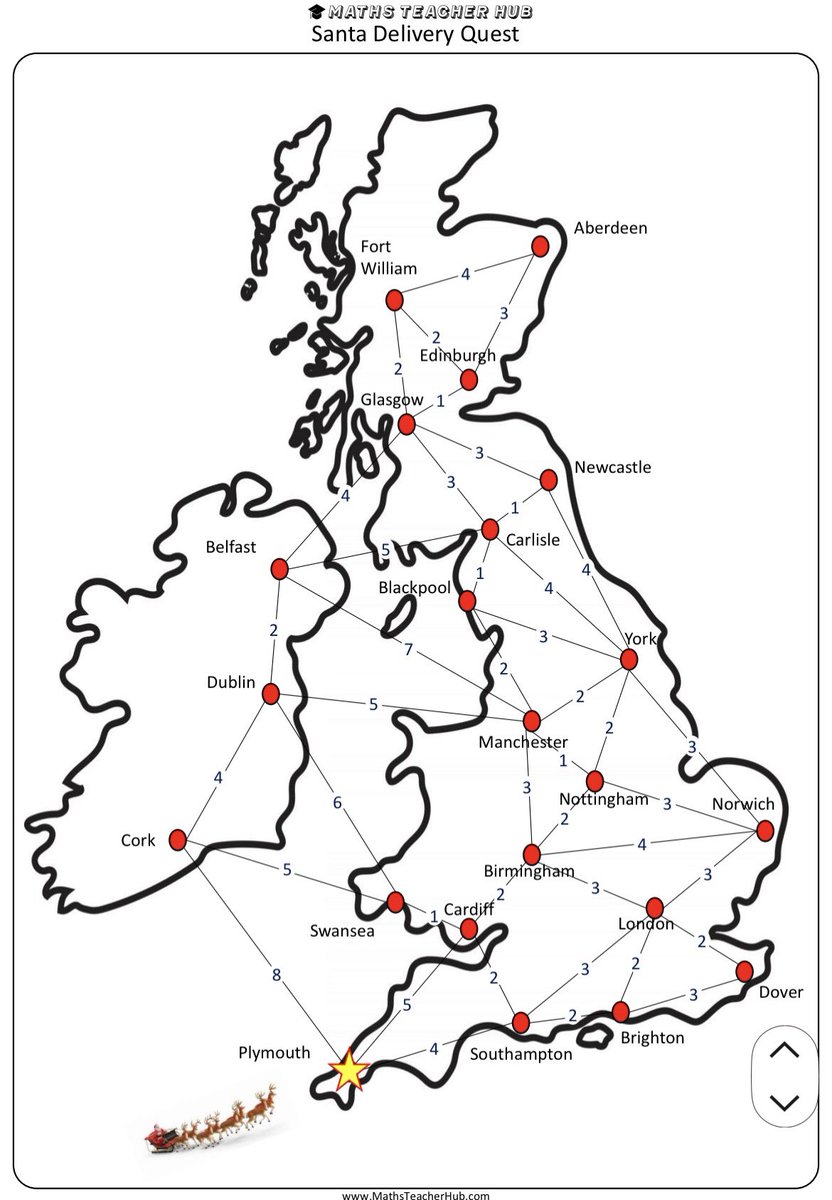
With just 1 week left before a much needed break for Xmas, I think it’s time to break out the Christmas Puzzle Booklet!
I have added some new pages 🫡
Download your copy here!
All answers are available on the website 🎄
#mathsteacher#christmasmaths
https://t.co/BiYkdXElmc
Unit 5 Higher is now up! Polygons, Angles, Pythagoras and SOHCAHTOA. Set it as easy cover with the accompanying video or use the worksheet as a revision lesson. https://t.co/wB30sZtmeN
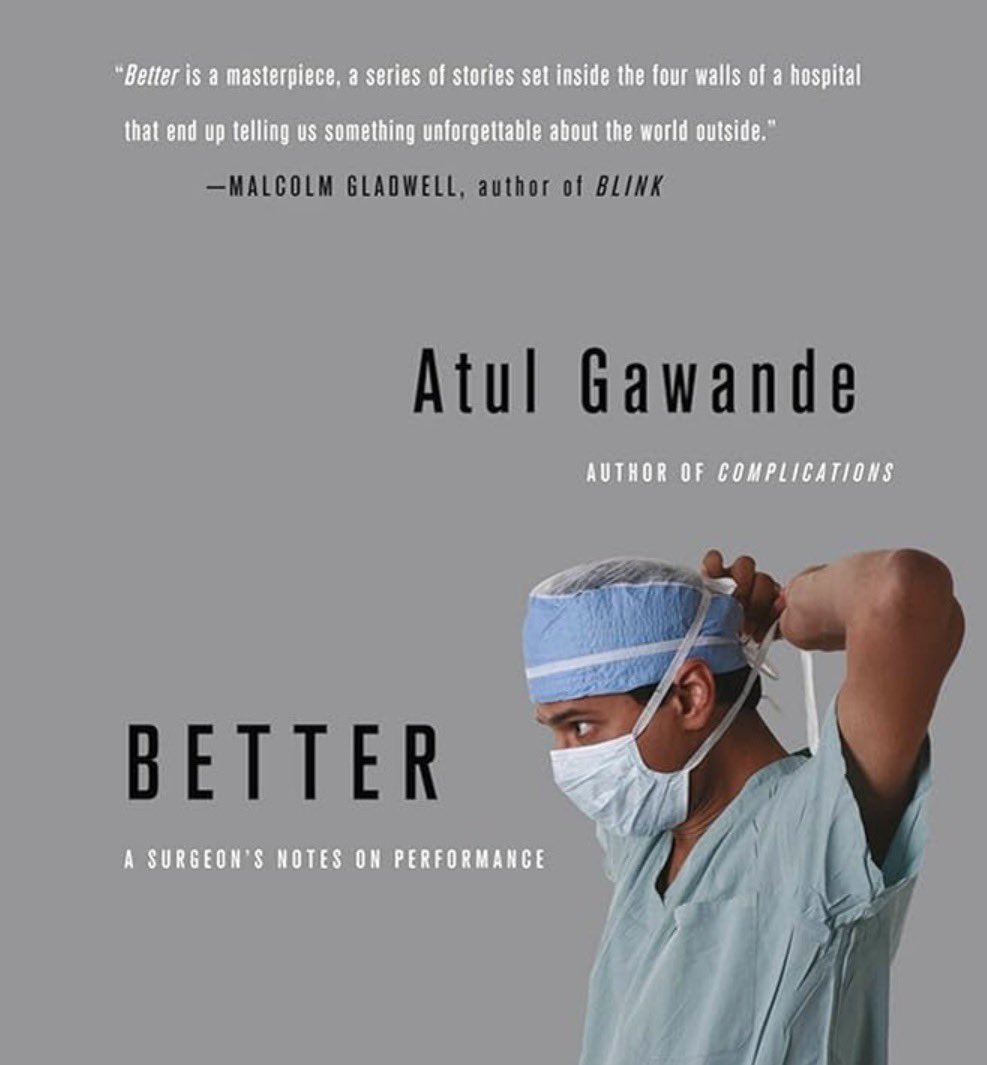
One of the most unsettling ideas in Better is this:
experience does not reliably lead to improvement.
Gawande describes surgeons with decades of experience whose outcomes are no better, and sometimes worse, than less experienced colleagues.
Not because they care less.
Not because they lack skill.
But because experience without feedback stabilises performance rather than improving it.
That idea should make every school leader pause.
Because education often treats experience as a proxy for effectiveness.
We assume:
Time served equals mastery
Repetition equals refinement
Longevity equals reliability
But Gawande’s point is sharper than that.
Experience only improves performance when three things are present:
Clear standards
Regular feedback
Willingness to adjust practice
Without those, people do not get better.
They get used to what they already do.
That maps uncomfortably onto schools.
A teacher can teach the same lesson for ten years
and never meaningfully improve it.
A leader can run the same meeting structure for years
and slowly drain energy from the organisation.
Not through negligence.
Through familiarity.
In medicine, Gawande shows that the highest performers are not the most experienced.
They are the most coached.
They invite observation.
They compare outcomes.
They adjust small details relentlessly.
The implication for schools is clear.
Professional development that relies on:
Experience alone
Reflection without challenge
Autonomy without calibration
will plateau quickly.
Improvement requires friction.
Not confrontation.
But comparison with a standard that is external, shared, and visible.
The uncomfortable truth is this:
Years in the job do not improve performance.
Deliberate practice does.
And deliberate practice only exists where leaders design systems that make feedback routine, not personal.
That lesson from surgery feels unavoidably relevant to education.