LLMs lie to please you? The physical source of hallucinations has been found. 🤯
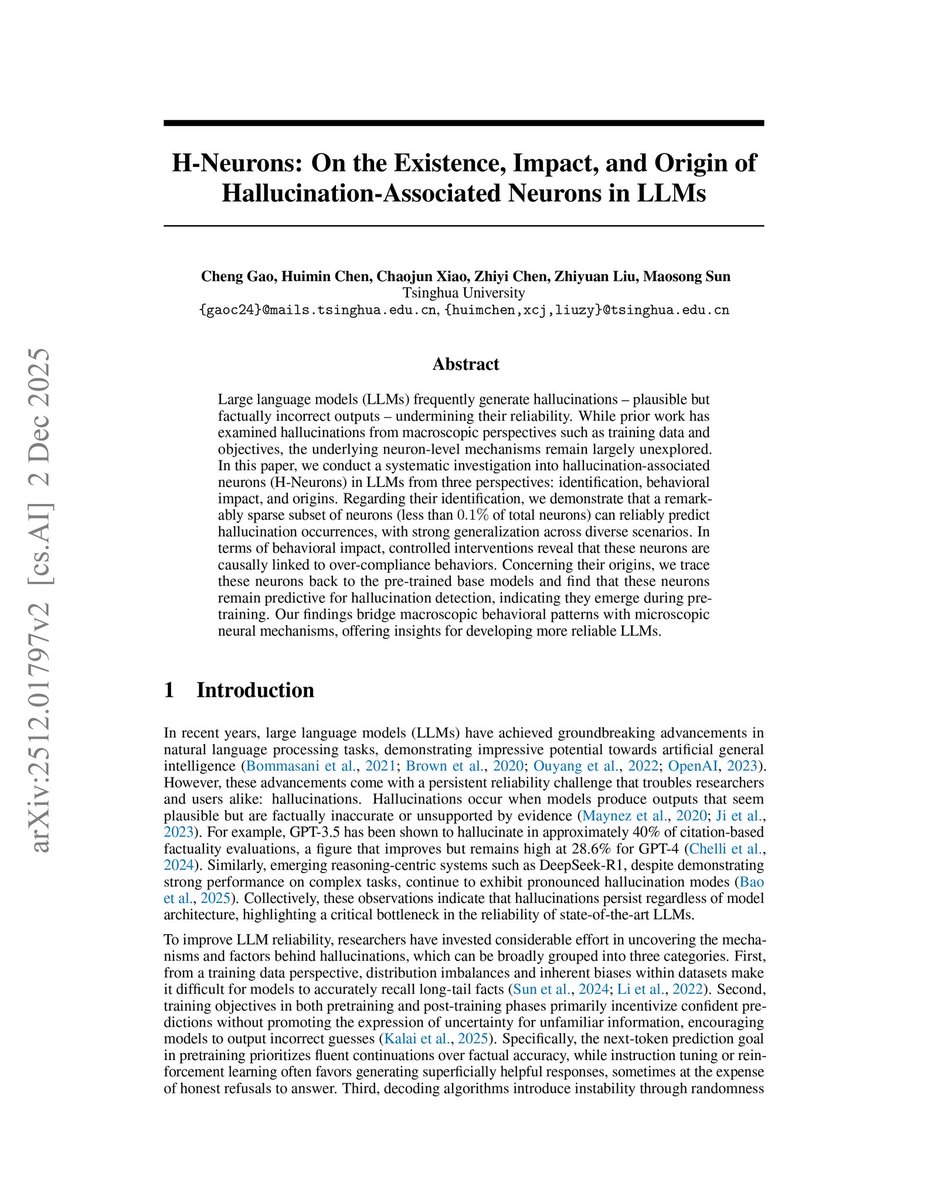
Today, we highlight a breakthrough from the OpenBMB and Tsinghua University: the first-ever identification of H-Neurons —— a sparse class of neurons encoding hallucinations inside LLMs.
📄 Paper: https://t.co/MBycfDWknQ
Why it matters:
1️⃣ Pinpoint Detection: A remarkably sparse subset of neurons (<0.1%) can reliably predict hallucinations across diverse domains—from general knowledge to biomedical topics.
2️⃣ The Root Cause: Hallucinations are actually "Over-Compliance." Interventions prove these neurons force the model to prioritize satisfying your prompt (even with false premises) over telling the truth.
3️⃣ Origin Traced: H-Neurons emerge during Pre-training, not post-training. This means the tendency to hallucinate is baked into the base model's "next-token prediction" objective.
It bridges the gap between macroscopic behavior and microscopic mechanisms.
#AI #THUNLP #LLM #Interpretability #HNeurons #MachineLearning
We have released the paper of InfLLM-V2, an efficient trainable sparse attention mechanism!
Using InfLLM-V2, we can train a sparse-native model with only 5B long-context tokens !!
https://t.co/y1ihrJUKOC
🤔Loving the new DeepSeek-V3.2?
🔥Remember the first sparse-native models!
✨ InfLLM‑V2: Seamless Long‑Context Adaptation
Paper: https://t.co/rkfLsxupxO
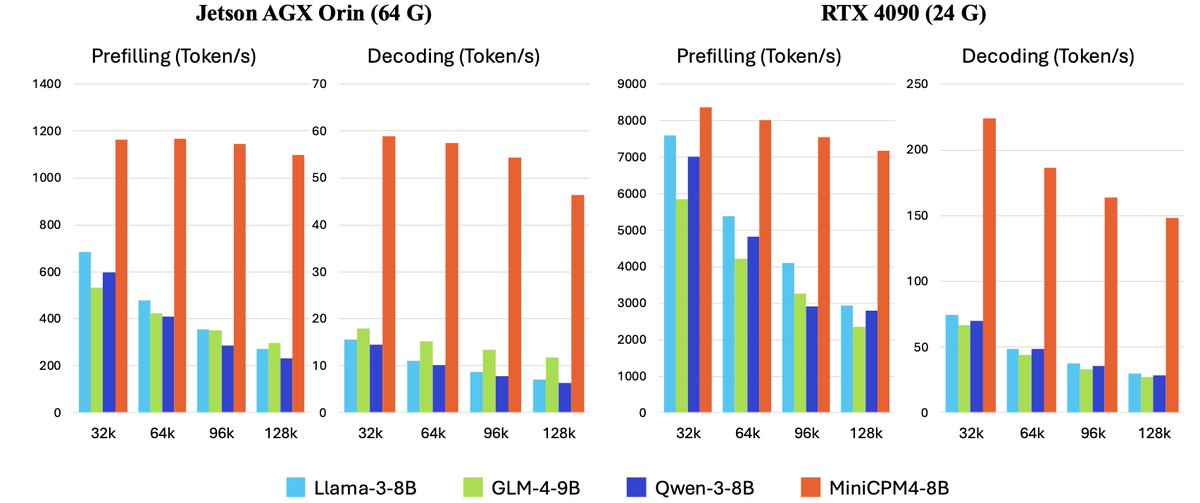
1️⃣ Ultra‑fast adaptation: only 5B long‑text tokens to train sparse attention (vs. ~1T in DSA from DeepSeek-V3.2)
2️⃣ End‑to‑end speedups: 2.1× prefill, 2.3× decode; up to 4–9× kernel speedup at 128K
Top results on long‑context benchmarks and strong deep‑thinking performance—keeping 98.1%/99.7% of dense accuracy while being much faster
Try the first open sparse‑native model:
MiniCPM4.1‑8B|https://t.co/xCBOryD7V6
🚀 Introducing Ultra-FineWeb 🔥
~1T English and 120B Chinese tokens!
~Training fuel of MiniCPM4!
🎯 Highlights
~Efficient Verification Strategy: Reduces data verification cost by 90%
~High-Efficiency Filtering Pipeline: Optimizes selection of both positive and negative samples
~Massive High-Quality Pretraining Data: Built on FineWeb and Chinese FineWeb, with 1T English and 120B Chinese tokens
📊 Performance Gains
~+3.613 & +1.331 on English benchmarks vs. FineWeb & FineWeb-edu
~+1.98 & +0.61 on Chinese benchmarks vs. Chinese FineWeb & Chinese FineWeb-edu-v2
🔍 More Info
📄 Paper: https://t.co/T46eBmYhEN
🤗 Dataset: https://t.co/KluL5t2kUn
#UltraFineWeb #AI #LLM
Is a single accuracy number all we can get from model evals?🤔
🚨Does NOT tell where the model fails
🚨Does NOT tell how to improve it
Introducing EvalTree🌳
🔍identifying LM weaknesses in natural language
🚀weaknesses serve as actionable guidance
(paper&demo 🔗in🧵)
[1/n]
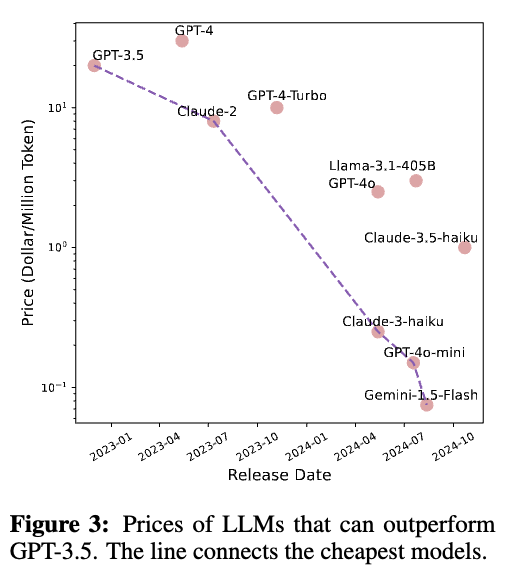
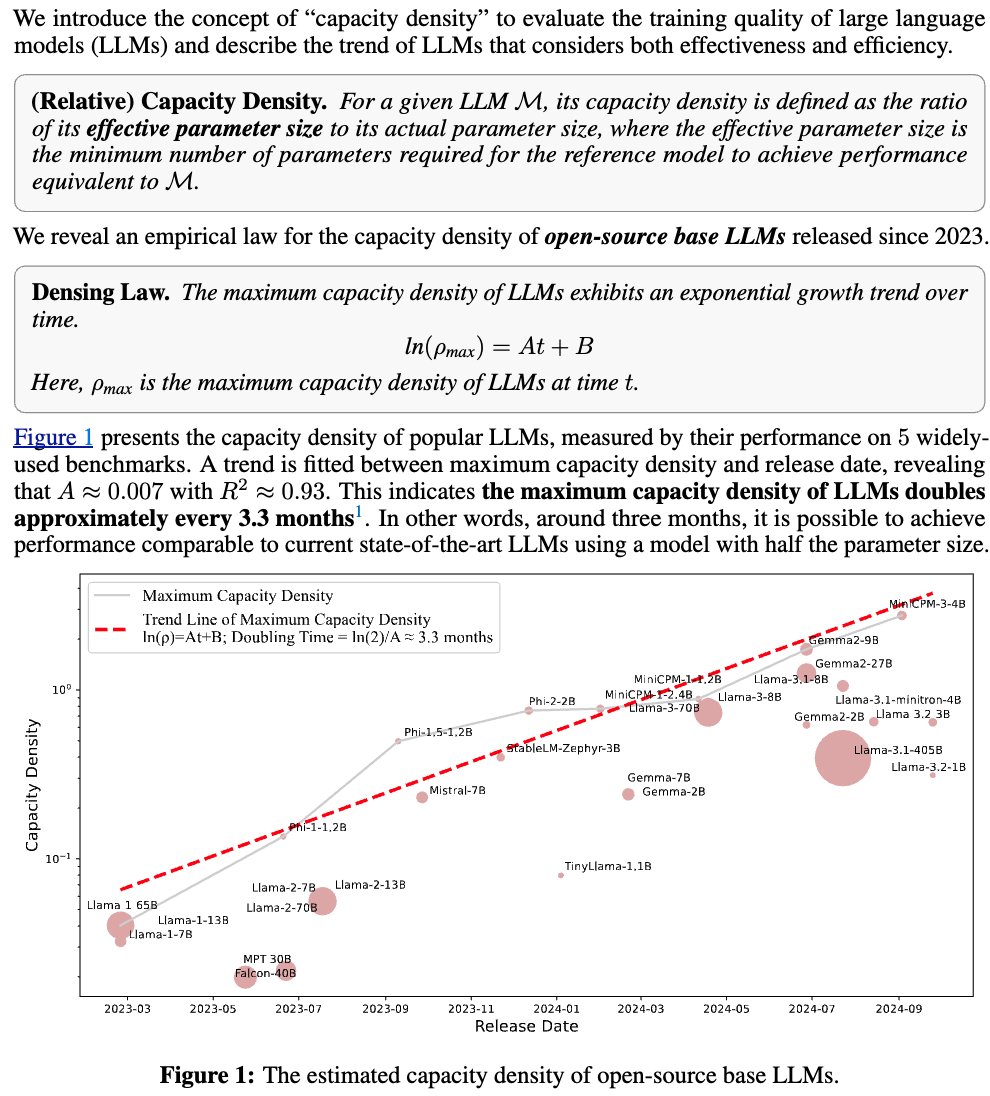
1/4 🚀 Densing Law of LLMs 🚀
OpenAI's Scaling Law showed how model capabilities scale with size. But what about the trend toward efficient models? 🤔
We introduce "capacity density" and found an exciting empirical law: LLMs' capacity density grows EXPONENTIALLY over time!
3/4
Key Corollary:
- Inference costs dropping exponentially💰
- Edge AI gaining importance (Moore's Law × Density Law)📱
- ChatGPT accelerated density growth significantly 🚀
- Model compression ≠ Density improvements 🔄
- Each model has a short "optimal cost-effective period"⚡️
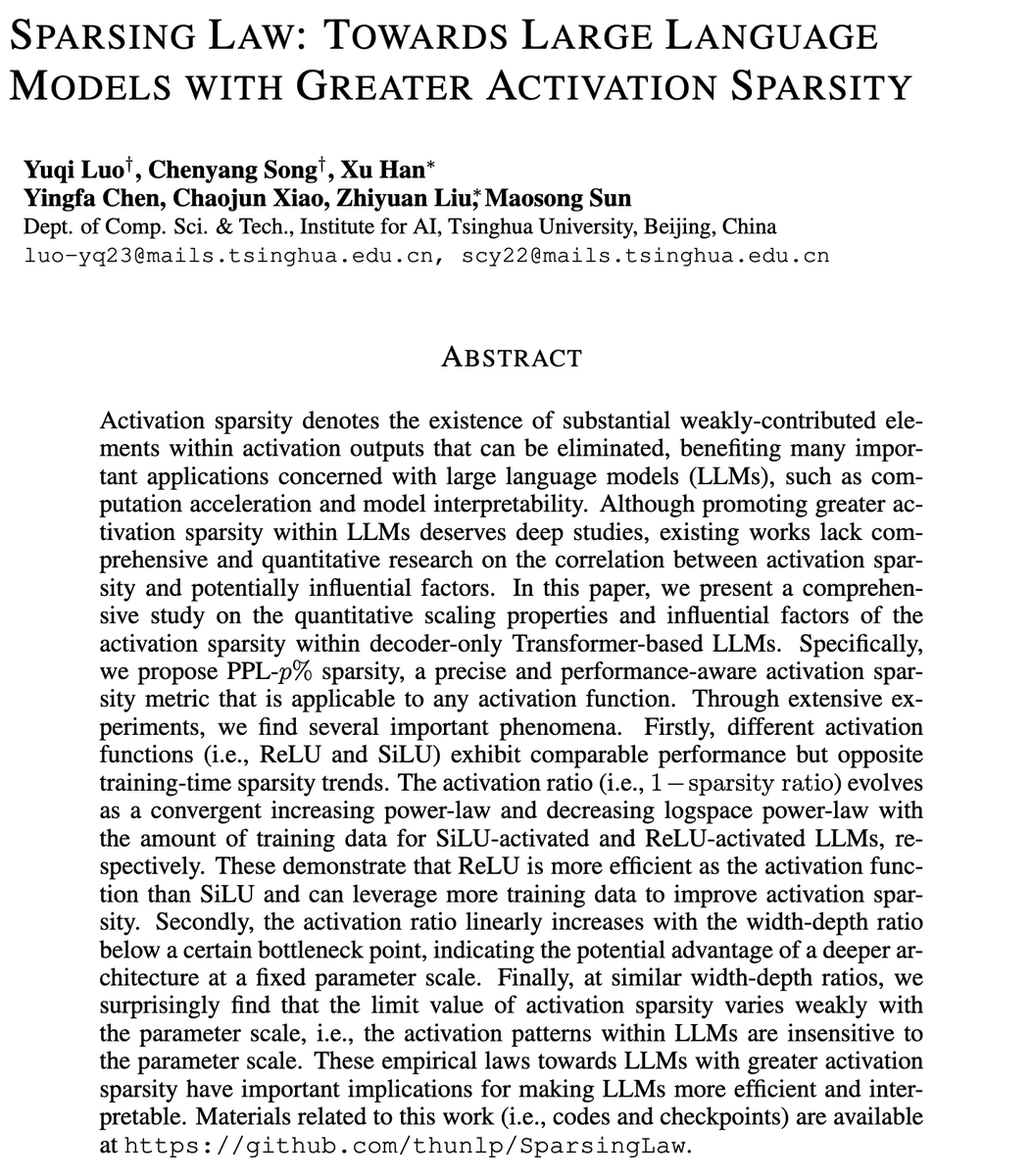
(Repost) We are thrilled to introduce our new work 🔥#SparsingLaw🔥, a comprehensive study on the quantitative scaling properties and influential factors of the activation sparsity within LLMs.💪
📎Arxiv: https://t.co/DKg3FIiqH5
📎Codes: https://t.co/gj6bfz8lDc
🧵1
5/5 Our paper aims to offer a fresh perspective on LLM research and inspire more efficient, scalable foundation models. We also discuss open issues and future research directions in this emerging field.
Read the full paper: https://t.co/tTBXrSbAYU
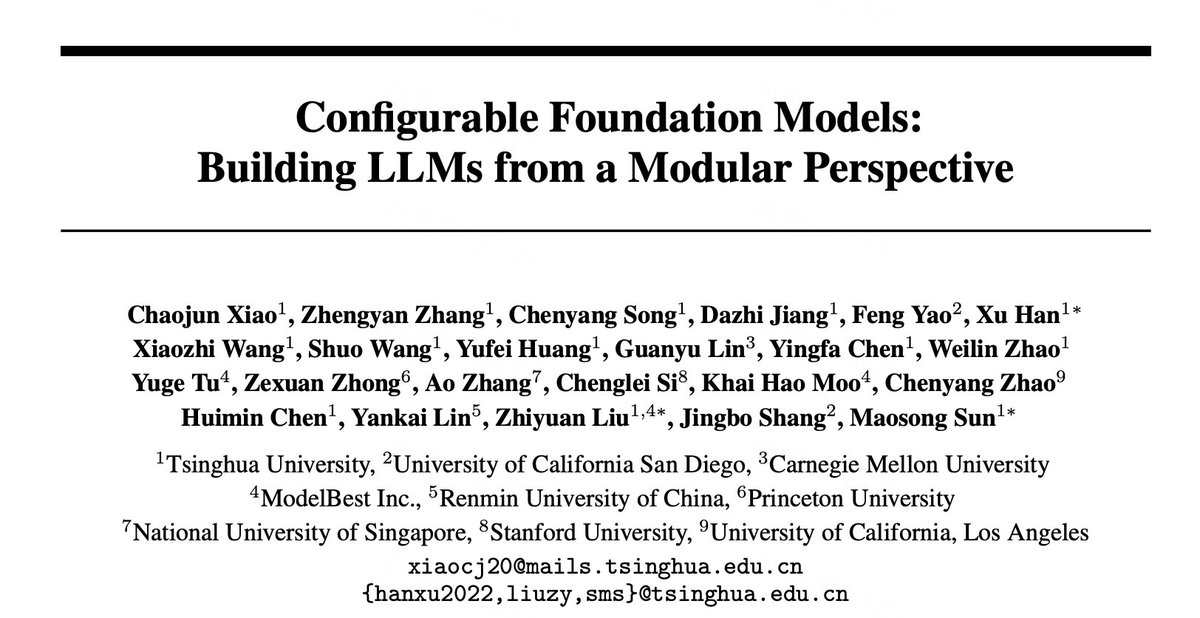
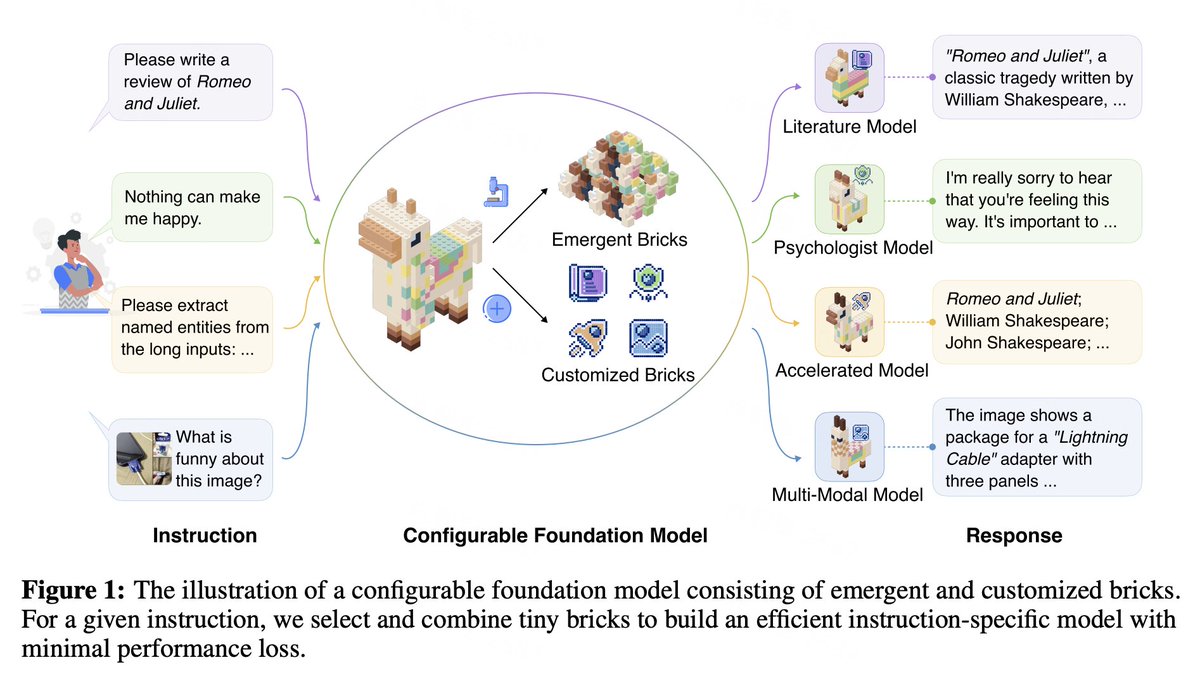
1/5 🚀 Excited to share our latest paper on Configurable Foundation Models! 🧠
Inspired by the human brain's functional specialization, we propose a concept: Configurable Foundation Model, a modular approach to LLMs.
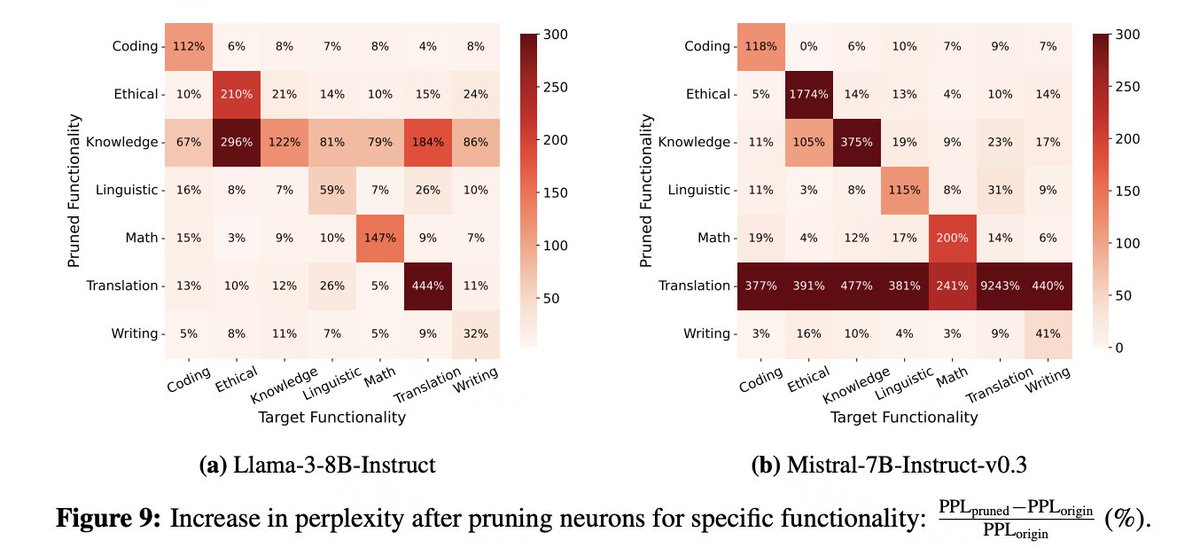
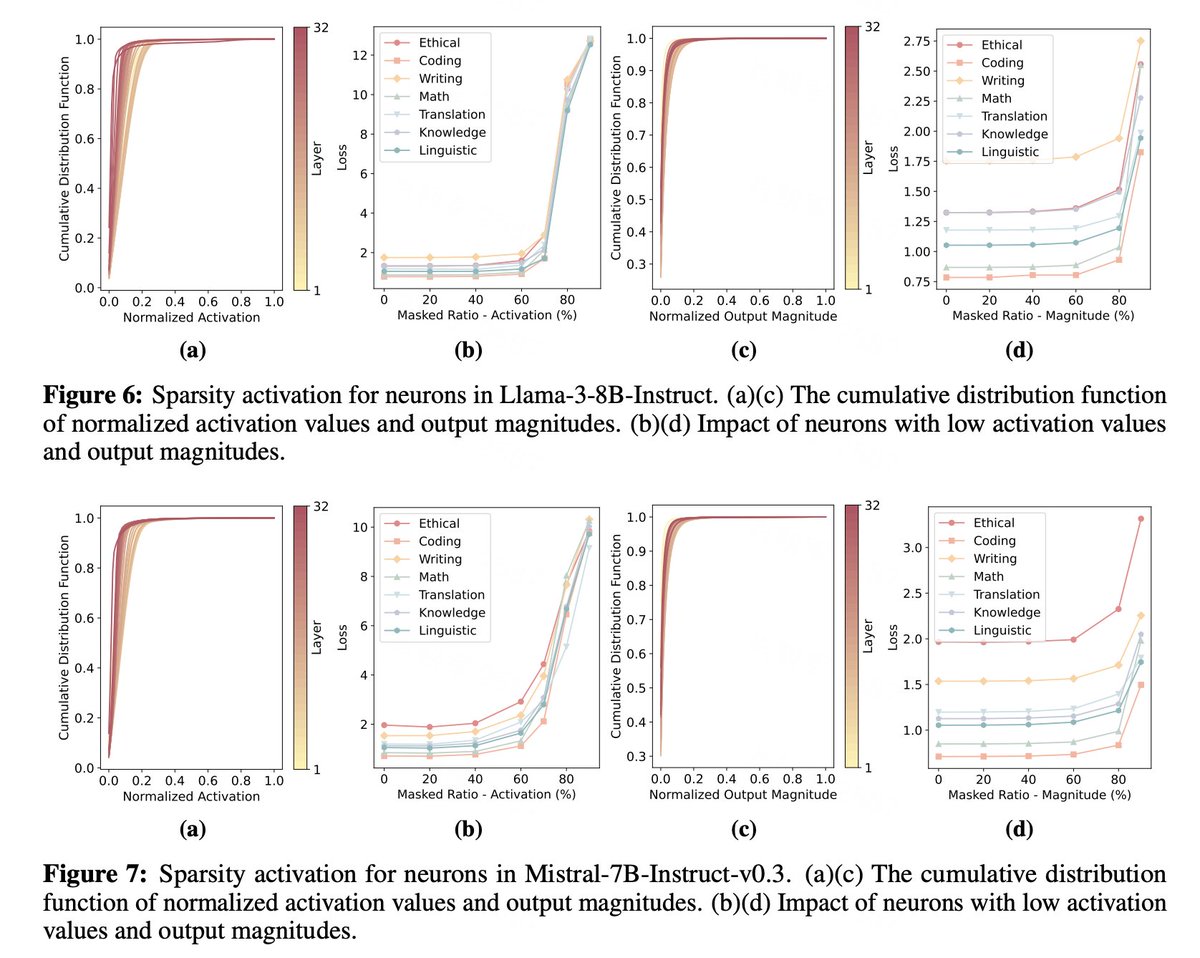
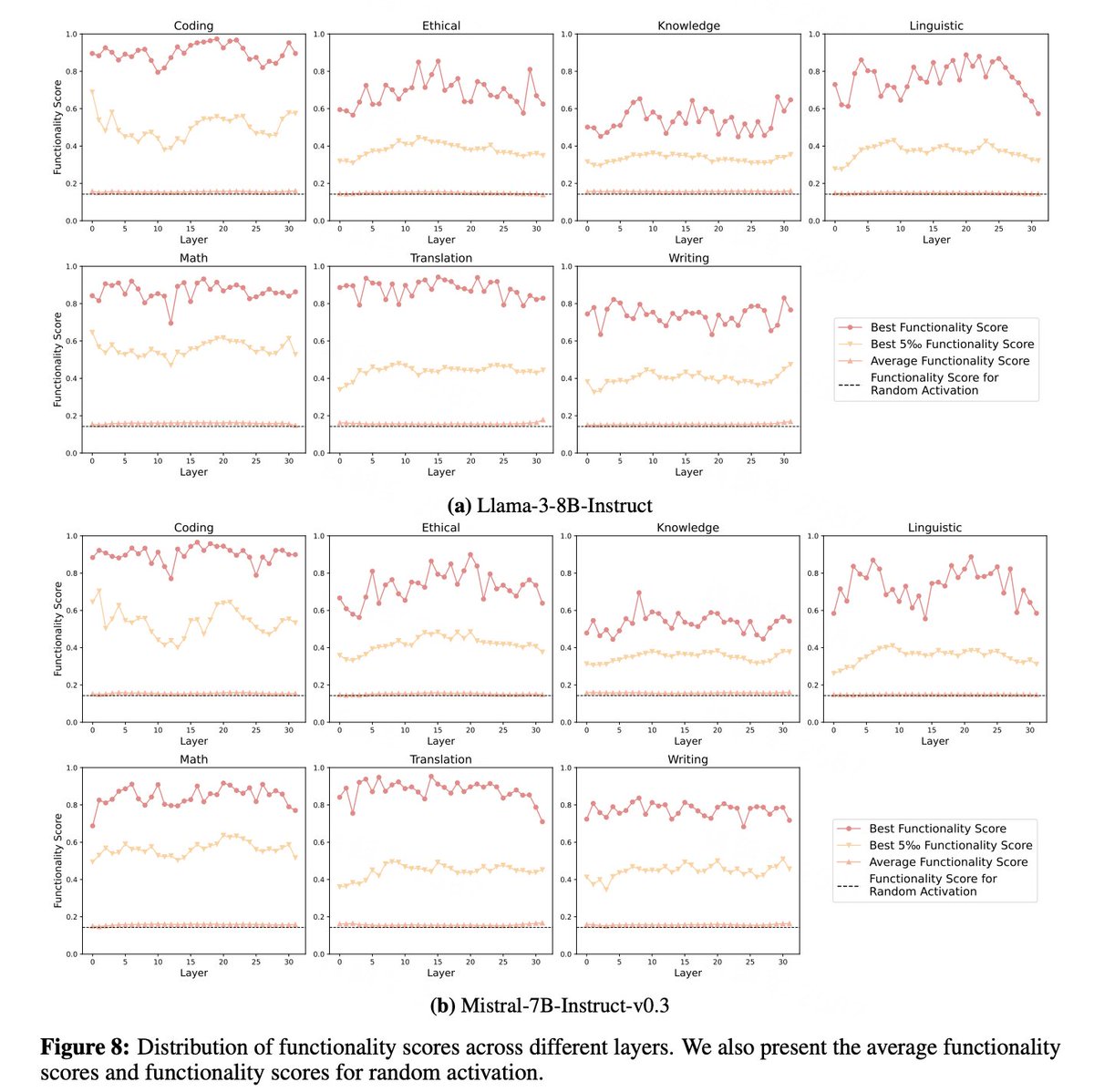
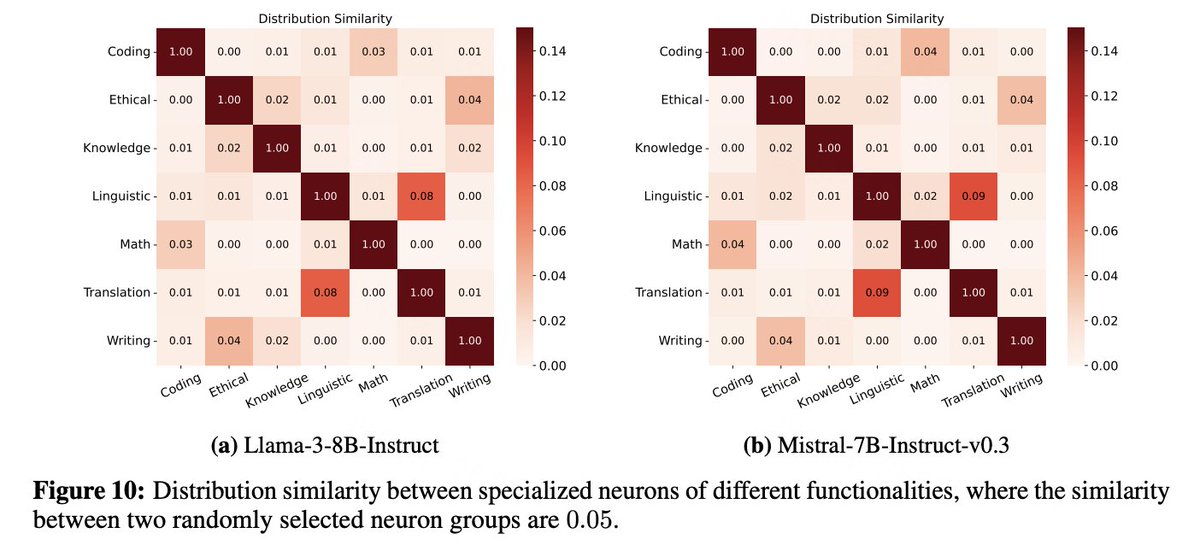
4/5 We conducted empirical analyses on Llama-3-8B-Instruct and Mistral-7B-Instruct-v0.3, revealing:
- Sparse activation patterns
- Functional specialization of neurons
- Functional partitions within the models
3/5 Benefits of our approach:
✅ Efficient inference on resource-limited devices
✅ Dynamic assembly of modules for complex tasks
✅ Scalable capabilities through modular design
✅ Potential for continuous model updates and improvements
How does NLP benefit legal systems? Legal AI focuses on applying AI techniques to legal tasks. In this work (https://t.co/jvn7SskkWi), we summarize the history, the current state and future directions of researches in legal AI. #NLProc#AI#legalAI#TsinghuaNLP



![ZhiyuanZeng_'s tweet photo. Is a single accuracy number all we can get from model evals?🤔
🚨Does NOT tell where the model fails
🚨Does NOT tell how to improve it
Introducing EvalTree🌳
🔍identifying LM weaknesses in natural language
🚀weaknesses serve as actionable guidance
(paper&demo 🔗in🧵)
[1/n] https://t.co/39h7Uz9NFw](https://pbs.twimg.com/media/Gl_4Rura4AAM3Dx.jpg)
![ZhiyuanZeng_'s tweet photo. Is a single accuracy number all we can get from model evals?🤔
🚨Does NOT tell where the model fails
🚨Does NOT tell how to improve it
Introducing EvalTree🌳
🔍identifying LM weaknesses in natural language
🚀weaknesses serve as actionable guidance
(paper&demo 🔗in🧵)
[1/n] https://t.co/39h7Uz9NFw](https://pbs.twimg.com/media/Gl_4PsxbkAAGNtG.jpg)