We show that compared to robust genetic clocks, the more sensitive circadian redox rhythm serves as a signaling hub in regulating incidental energy-intensive processes, to provide organisms a flexible strategy to mitigate metabolic overload during stress responses.
My postdoc Sargis Karapetyan’s paper on the role of the redox rhythm in regulating immune-induced programmed cell death has finally been published. It has been a long process, but I am very proud of the final product. https://t.co/juEERVw3AY
Congratulations, Sargis and coauthors!
In our study, we uncovered the coexistence of redox and genetic rhythms with distinct period lengths and transcriptional targets through concurrent metabolic and transcriptional time-course measurements in an Arabidopsis long-period clock mutant.
A review coauthored with Dr. Shuai Huang of Ohio State University on the role biomolecular condensates in plant immune regulation. This emerging field is fascinating, yet still awaits major technological advances to move beyond current limitations.
https://t.co/LuZrifzZjk
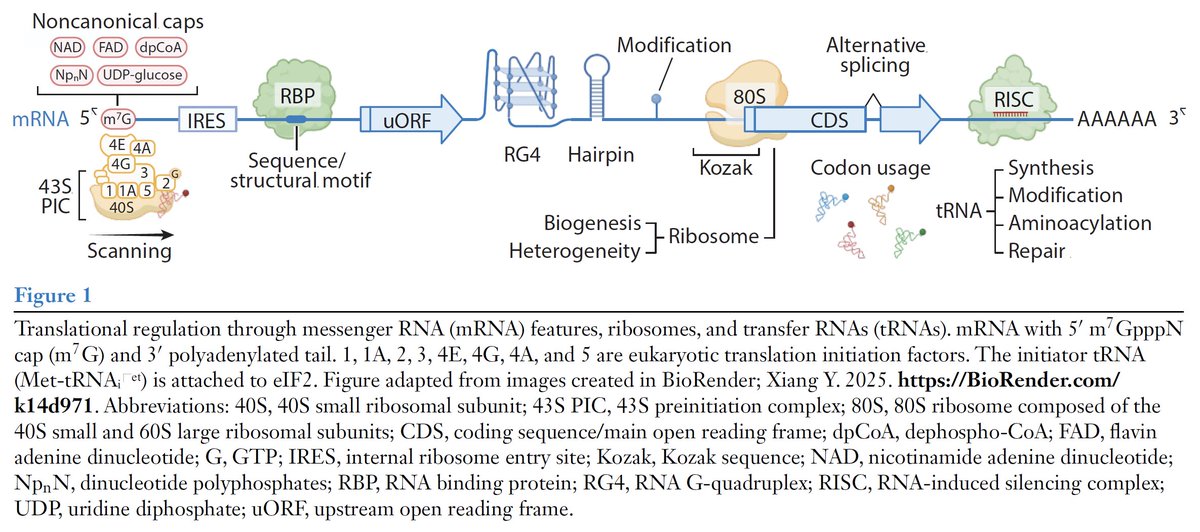
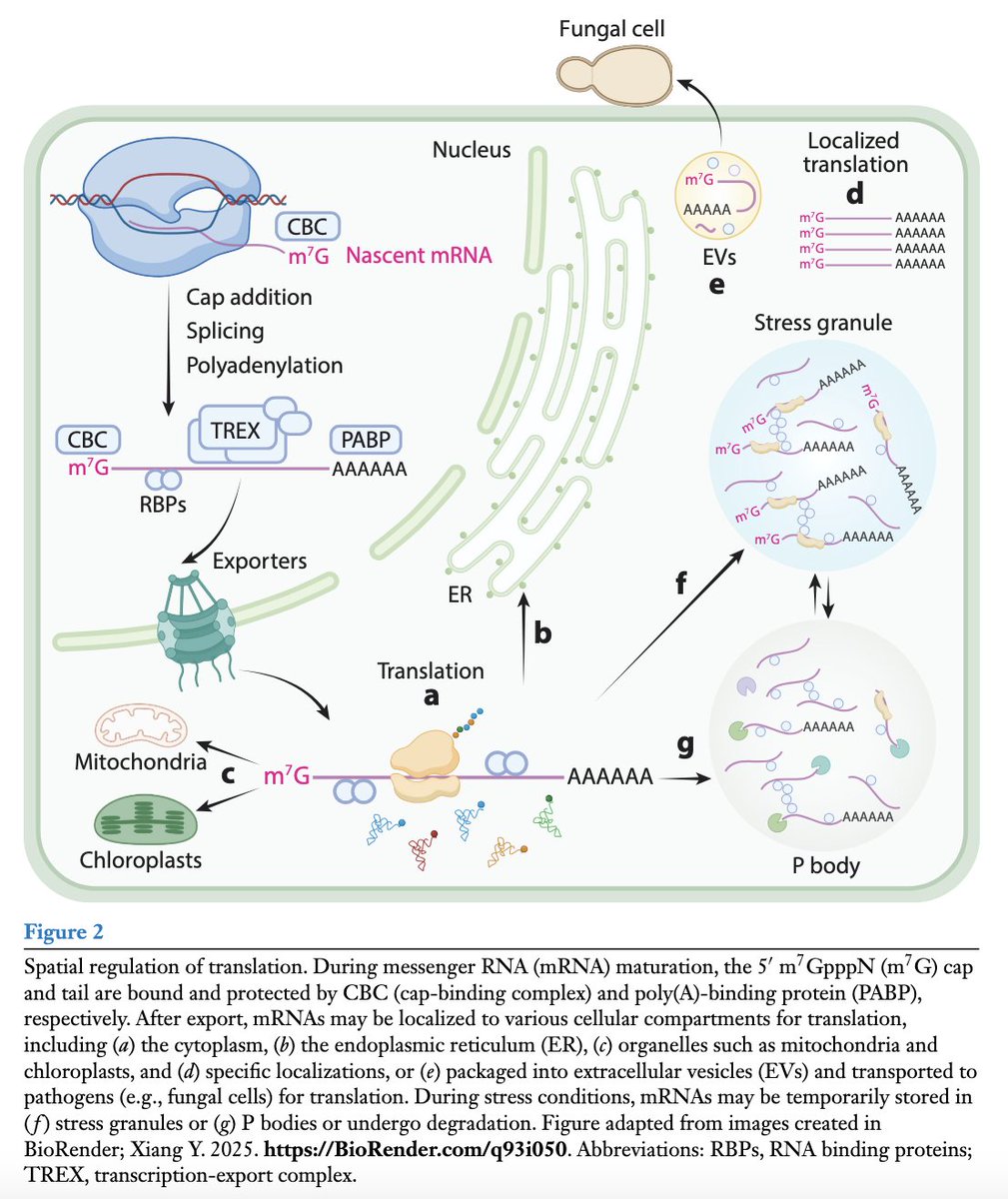
My postdoc Dr. Yezi Xiang and I prepared this comprehensive review on plant translational regulation in response to biotic and abiotic stress.
https://t.co/m23RiMhgZp
modifications; alternative splicing; small RNAs); ribosomal biogenesis and heterogeneity; tRNA and codon usage; master translation regulatory factors; spatial dynamics of translation; tools for studying translation regulation; and translational engineering for crop resilience.
Science Magazine - H<sub>2</sub>O<sub>2</sub> sulfenylates CHE, linking local infection to the establishment of systemic acquired resistance https://t.co/AjSLAyqpa9
Accumulation of SA and the previously reported signal molecules, such as N-hydroxypipecolic acid (NHP), then form a signal amplification loop to establish SAR.